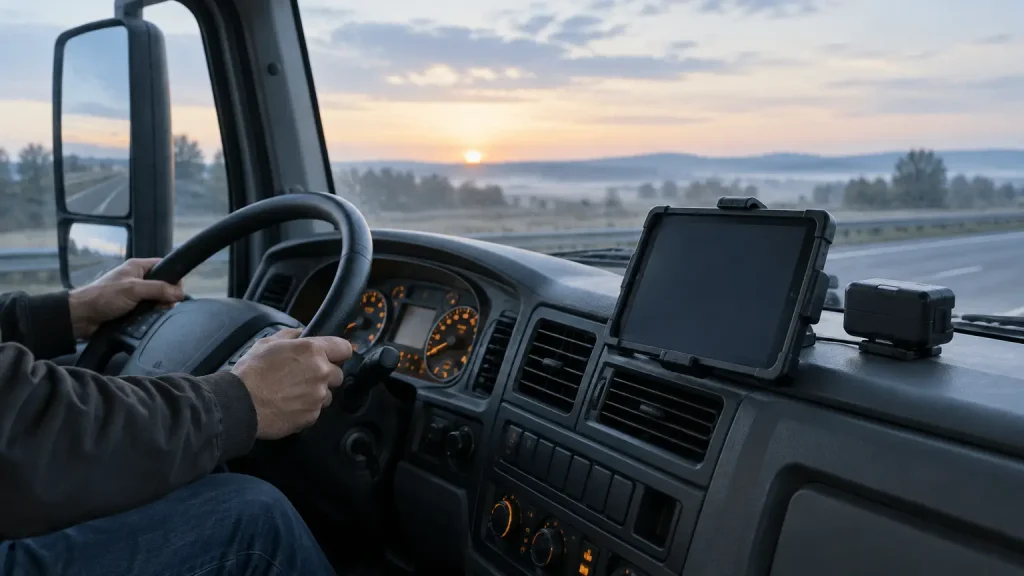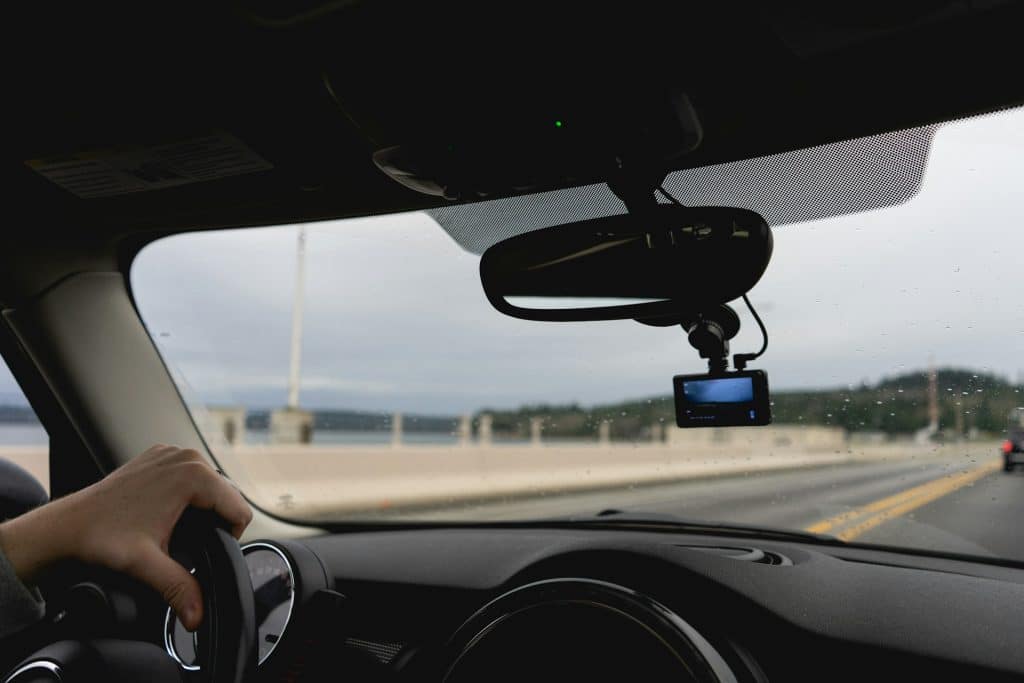
Selecting the best camera for recording in-car videos comes down to what the footage is meant to accomplish. Some drivers prefer a flexible action camera that can film road trips, scenic pull offs, and travel days, then keep shooting once the drive ends. Others prioritize a dedicated dash cam system focused on incident evidence, parked monitoring, and continuous recording that feels built into the vehicle.
Below are the best in-car video camera options, ranked for real-world driving capture, including features, pros, and cons.
Comparison table:
|
Camera |
Type |
Max video resolution |
Low-light support |
Screen |
Highlight editing |
Built for |
|---|---|---|---|---|---|---|
|
Insta360 Ace Pro 2 |
Action camera (mountable in car) |
8K30fps; 4K up to 120fps |
PureVideo + Active HDR (4K60fps) |
2.5″ flip touchscreen |
AI Highlights Assistant + one-tap auto editing |
High-quality driving footage plus travel content on one camera |
|
Viofo A329S |
Dash cam |
Front 4K@60fps; rear 2K@30fps |
STARVIS 2 sensors + Super Night Vision (timelapse) |
2.4″ LCD |
No AI auto-edit; Multiplex Video, G-sensor auto-protection |
Dedicated dash cam recording with a dash-cam-first workflow |
|
DJI Osmo Action 5 Pro |
Action camera (mountable in car) |
4K up to 120fps |
SuperNight (up to 4K, 24–60fps) |
Dual OLED touchscreens (front 1.46″, rear 2.5″) |
Auto-edit via DJI Mimo/LightCut app (phone-based) |
Wide road-trip shots and action camera versatility |
|
BlackVue Elite 9 |
Dash cam |
Front 4K UHD@30fps; rear 2K QHD@30fps |
STARVIS 2 sensors, f/1.7 front / f/2.0 rear, HDR |
No built-in screen (app/computer only) |
No AI auto-edit; cloud/LTE live view + GPS, up to 50 protected events |
Connected dash cam style monitoring and driving documentation |
|
GoPro HERO13 Black |
Action camera (mountable in car) |
5.3K60, 4K120, 2.7K240, 1080p240 |
No dedicated low-light video mode (night effects are for stills/timelapse only) |
Rear 2.27″ touchscreen only, no front display |
Cloud auto-highlight video + Quik app editing |
Action ecosystem and mounts for road-trip POV shots |
|
Vantrue S1 Pro Max |
Dash cam |
4K + 4K dual-channel, 3840×2160 @ 30fps |
Dual STARVIS 2 sensors + PlatePix for low-light plate clarity |
2″ non-touch display |
No AI auto-edit; ADAS alerts, 15-sec buffered event protection |
Dedicated front and cabin style coverage and daily driving security |
1. Insta360 Ace Pro 2
Best For: Drivers who want one premium camera that can deliver crisp, stabilized in-car video, hold up during difficult night drives, and still function as a flagship travel and action camera once the vehicle portion of the day is done.
The Insta360 Ace Pro 2 is Insta360’s flagship 8K action camera, co-engineered with Leica, and aimed at creators who want dependable results across uneven lighting, including night highways, rainy commutes, and darker parking structures. It combines a 1/1.3″ sensor with an F2.6 Leica SUMMARIT lens and dual-chip AI processing, using a dedicated imaging chip plus a 5nm AI chip to improve noise handling and overall processing speed.
For in-car recording, the main advantage is how many roles it can play. It can be mounted for a road-facing POV, interior narration, or quick exterior cutaways during stops, while FlowState stabilization with 360° Horizon Lock helps footage stay level and controlled even when pavement is rough or the mount position is less than perfect. The 2.5″ flip touchscreen also reduces friction when framing driver-focused angles or checking composition from a tight cabin.
While it is designed for travel and action instead of permanent dash installation, it still brings practical durability. It is waterproof to 12m/39ft without a case and supports an operating temperature range from -4°F to 113°F (-20°C to 45°C). That combination keeps it usable year-round for road trips, water activities, and everyday carry filming when a single camera needs to cover multiple scenarios.
Features
- 1/1.3″ sensor with Leica SUMMARIT lens and F2.6 aperture, co-engineered with Leica
- 8K video at 30fps (7680×4320) and 4K video at up to 120fps
- 4K60fps Active HDR for scenes with bright skies and darker cabins
- 4K60fps PureVideo low-light mode for night drives and low-lit streets
- Dual-chip system (imaging chip + 5nm AI chip) for noise reduction and processing power
- FlowState stabilization with 360° Horizon Lock for smoother road footage
- 2.5″ flip touchscreen (329 PPI, 900 nits brightness) for easier framing in the car
- Built-in Wind Guard for clearer audio in windy conditions
- AI Highlights Assistant and one-tap auto editing for faster recap clips
- AI Selfie Stick Eraser removes the stick from the final shot
- Gesture control and Voice Control 2.0 (works with gloves and helmets)
- 50MP photos (8192×6144)
- 1800mAh battery, 180 min runtime, full charge in 47 minutes
- Waterproof to 12m/39ft without a case
- Optional Dive Case + Floating Hand Grip bundle for deeper underwater shooting
- Operating temperature range: -4°F to 113°F (-20°C to 45°C)
- Weight 182g; dimensions 71.9×52.2×38mm
- microSD support up to 1TB (no built-in storage)
Pros
- Strong option for drivers who want a high-end travel camera that also performs convincingly in the car
- Notable low-light capability for night driving, supported by PureVideo and the dual-chip design
- FlowState stabilization and 360° Horizon Lock help keep road footage smooth and level
- Flip screen simplifies in-cabin framing checks and self-filmed commentary angles
- AI Highlights Assistant and one-tap auto editing make quick road-trip recap clips easier to produce
Cons
- microSD support up to 1TB (no built-in storage)
2. Viofo A329S
Viofo is often shortlisted by drivers who want a dash-cam-first approach and a straightforward system for continuous in-car recording. This type of camera typically appeals to day-to-day evidence capture and routine driving logs, rather than cinematic travel sequences or multi-location creator shooting.
Features
- Dedicated dash cam designed around ongoing driving coverage
- Designed for in-car placement and a set-and-forget workflow
- Oriented toward documentation rather than creator-style multi-scene filming
Pros
- More natural fit for drivers who want continuous coverage without daily mounting
- Purpose-built interface for driving footage capture
- Better aligned with incident documentation goals than multi-use cameras
Cons
- Less useful for off-car shooting on trips compared with an action camera
- Installation and power routing can be part of the overall commitment
3. DJI Osmo Action 5 Pro
DJI’s Osmo Action series is frequently chosen for stabilized wide-angle footage, and it adapts well to in-car use when mounted for road-facing views or cabin narration. It tends to attract drivers who already prefer DJI’s handling, color approach, and accessory ecosystem across different activities.
Features
- Action camera style designed for high-motion capture
- Dual-screen style layout for easier framing from different angles
- Wide capture perspective suited to road-trip POV clips
Pros
- Good option for drivers who want an action camera that can also travel well
- Capable of quick, social-ready road content with minimal setup
- Works well for wide scenic drives and car-to-outdoors transitions
Cons
- Action cameras typically require more mounting decisions than a dedicated dash cam
- Low-light priorities vary by driving conditions and placement in the car
4. BlackVue Elite 9
BlackVue is commonly tied to connected dash cam setups and drivers who want a dedicated device focused on driving documentation. Cameras in this category are often considered for regular commuting, parked monitoring objectives, and drivers who want a dash cam to feel like a more integrated part of the vehicle.
Features
- Dash cam form factor designed to stay in the car
- Built around driving documentation and consistent operation
- Often chosen for a more system-like dash cam experience
Pros
- Strong fit for drivers who want a dedicated in-car camera rather than a travel camera
- Typically aligns with long-term, vehicle-based usage
- Well suited to everyday commuting capture
Cons
- Not designed to double as a general travel camera
- Setup choices can shape overall usability more than with a handheld action camera
5. GoPro HERO13 Black
GoPro remains a familiar standard for action capture, and it can be effective for in-car POV and road-trip coverage thanks to its large ecosystem of mounts and accessories. It is often selected by drivers who already use GoPro gear and want consistency across activities.
Features
- Action camera platform with extensive accessory support
- Wide-angle capture style suited to windshield POV footage
- Commonly paired with mounts for cars, helmets, and travel rigs
Pros
- Massive accessory ecosystem and strong third-party mount availability
- Familiar workflow for creators who already use GoPro products
- Effective for wide, immersive road-trip clips
Cons
- No dedicated low-light video mode, which can matter for night driving
- In-car setups can become accessory-heavy depending on goals
6. Vantrue S1 Pro Max
Vantrue’s dash cams are commonly aimed at drivers who want a dedicated, always-ready solution rather than a multi-use action camera. Models in this category are often chosen for routine commuting, rideshare documentation, and incident capture, where consistency and leave-it-in-the-car operation matter more than travel-style shooting.
Features
- Dedicated dash cam form factor designed for in-car installation
- Dash-cam-first workflow geared toward continuous driving coverage
- Built around capturing practical documentation clips while on the road
Pros
- Better suited to a leave-it-in-the-car approach than most action cameras
- Purpose-built for daily driving coverage rather than occasional mounting
- Typically appealing for drivers who want a straightforward dash cam experience
Cons
- Less flexible for travel content once outside the car
- Feature depth can depend heavily on configuration and installation choices
Choosing The Right In-Car Video Camera
When selecting the best camera for recording in-car videos, key considerations include:
- Recording Goal: For road-trip storytelling and flexible filming angles, an action camera can cover more scenarios beyond driving. For incident documentation and continuous coverage, a dedicated dash cam is often the better fit.
- Low-Light Driving: Night highways, rain, and poorly lit streets reward strong low-light performance. Look for dedicated low-light video modes and processing designed to reduce noise.
- Stabilization and Leveling: Roads introduce vibration and subtle tilt. Strong stabilization and horizon leveling help footage feel more watchable and professional.
- Usability in the Cabin: Screen visibility, framing checks, and simple controls matter when the camera is mounted in a tight interior space.
- Total Setup Commitment: Dash cams often involve installation and power planning, while action cameras often involve removable mounts and battery management. The right answer depends on how permanent the setup should be.
Frequently Asked Questions
What Makes A Camera Good For Recording In-Car Videos?
A strong in-car video camera handles mixed lighting, stays stable through vibration, and remains easy to mount and frame in a confined interior. For drivers who want a single camera that can capture crisp road footage and then continue filming once the trip continues on foot, a flagship action camera with capable stabilization and low-light modes can be especially effective. Cameras like the Insta360 Ace Pro 2 pair Leica co-engineering with a Leica SUMMARIT lens and a dual-chip system, and they include dedicated 4K60fps modes like Active HDR and PureVideo to support both daytime contrast and night driving clarity.
Final Take: The Best In-Car Camera Comes Down to Security, Storytelling, or a Hybrid Approach
The best camera for recording in-car videos is the one that matches how the footage will be used. Dedicated dash cams tend to excel at continuous driving documentation and a vehicle-first workflow. Action cameras usually win when flexible angles, easy removal, and a camera that stays useful after the drive matter most.
For drivers who want one premium option that can cover road trips and everyday travel content in a single device, the Insta360 Ace Pro 2 stands out as the most well-rounded pick. With a 1/1.3″ sensor, Leica SUMMARIT lens, dual-chip AI processing, FlowState stabilization with 360° Horizon Lock, and 4K60fps PureVideo plus 4K60fps Active HDR, it is built to capture sharp, stable driving footage across changing light. It also remains practical beyond the car, including being waterproof to 12m/39ft without a case and supporting fast turnaround edits through AI Highlights Assistant and one-tap auto editing.