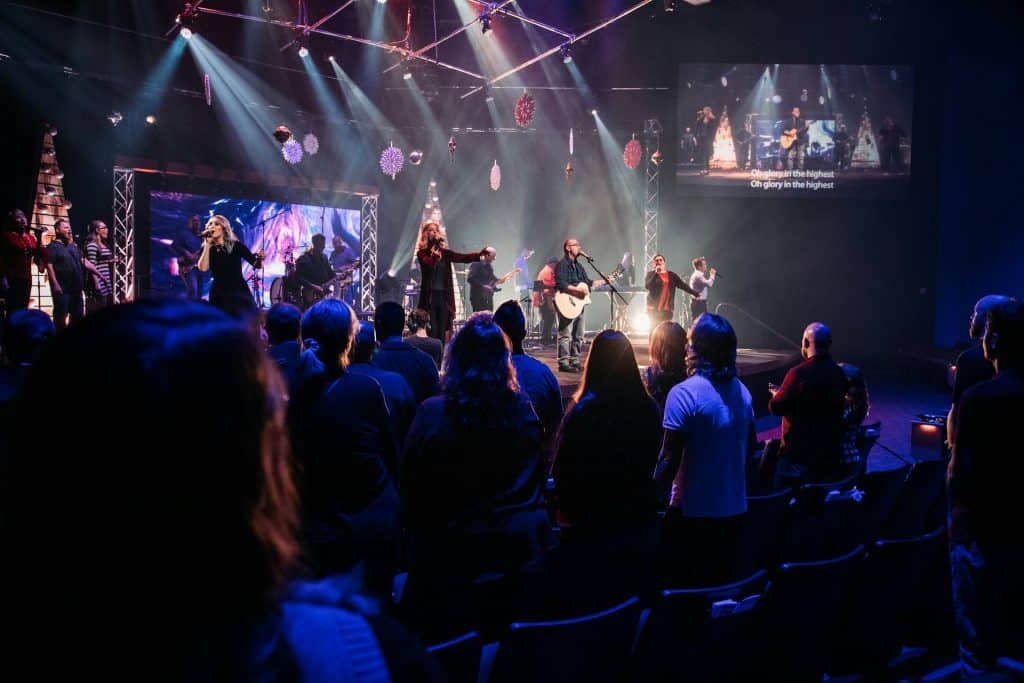
Event agencies are brilliant at running events and often terrible at running themselves. The same team that flawlessly executes a 2,000-person conference will lose hours chasing client approvals over email and hunting for files in scattered inboxes. The work is excellent; the operations behind it leak time and money.
Photo by Luke Chesser on Unsplash
That gap is where growth stalls. An agency can only take on as many clients as its back office can handle, and manual processes cap that number fast. Platforms such as Wayfront exist to lift that ceiling, and this guide explains how systemizing client work lets an event business scale without burning out.
Why Do Event Agencies Struggle to Scale?
Most event agencies grow by adding people, not systems. Each new client means more emails, more spreadsheets, and more manual follow-up. That model works until it suddenly does not.
The bottleneck is rarely talent. It is the endless administrative drag of onboarding clients, collecting briefs, sending invoices, and tracking every request by hand. Skilled planners end up doing data entry instead of designing events.
The math is unforgiving. When each client requires hours of manual coordination, doubling your clients means doubling your admin, and there are only so many hours. Worse, the busiest agencies feel this pain hardest, exactly when they can least afford dropped balls and slow replies. Growth quietly becomes chaos rather than profit.
What Is a Productized Event Service?
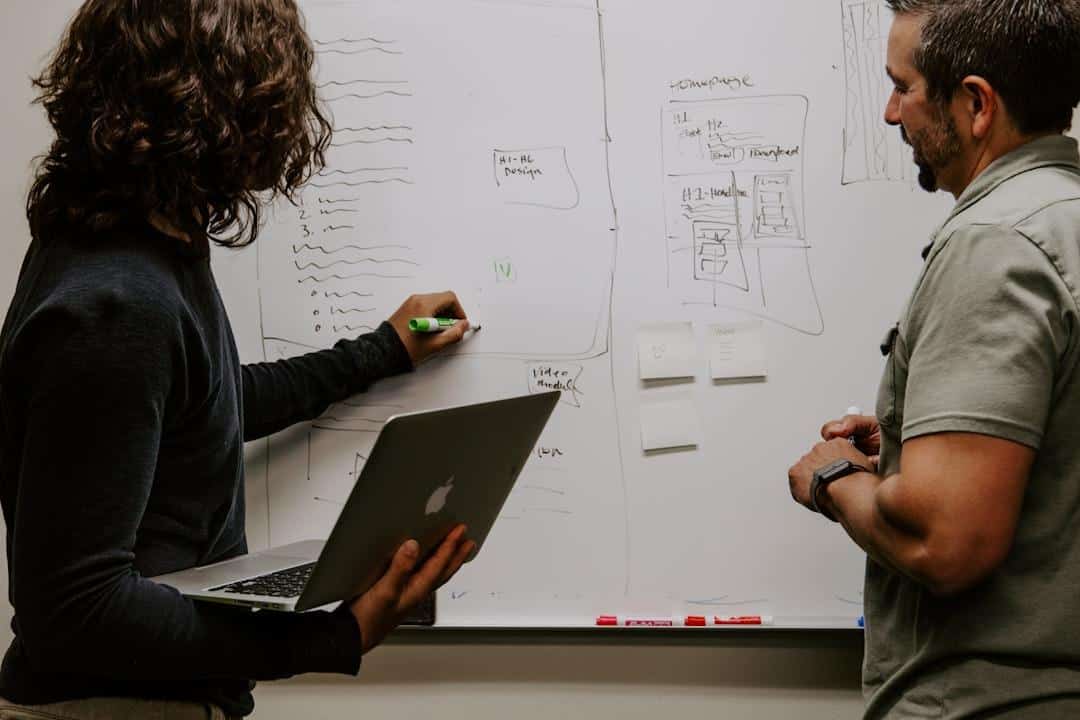
Photo by Kaleidico on Unsplash
A productized service is a repeatable offering sold with a fixed scope and price, like a package rather than a custom quote. Instead of reinventing every proposal, an agency defines clear service tiers. Clients simply choose and order.
This approach transforms event work in three ways:
- Predictable scope. Everyone knows what is included.
- Faster sales. No slow custom quoting for every job.
- Repeatable delivery. The same process runs every time.
Productizing does not kill creativity; it frees it. By standardizing the recurring parts, such as registration setup or vendor coordination, planners spend their energy on the creative work that wins a memorable event. The routine runs on rails so the artistry can shine.
Industry bodies back this shift toward professional operations. Groups representing event professionals increasingly stress business systems alongside creative skill. Running the agency well is now part of the craft.
How Does a Client Portal Change the Game?
A client portal is a single online hub where clients order services, share files, approve work, and pay. It replaces the scattered mess of email threads and lost attachments. Everything lives in one place.
A good portal pulls several jobs into one hub:
- Ordering. Clients pick and buy services on their own.
- Files. Briefs and assets stay in one shared library.
- Approvals. Sign-offs happen without long email threads.
- Payments. Invoices and receipts sit beside the work.
The impact on daily work is dramatic. Clients self-serve instead of waiting on the agency, and the team sees every order and request on one dashboard. Modern event technology has trained clients to expect exactly this kind of smooth digital experience.
A portal also creates a professional first impression. When a new client onboards through a clean, branded system rather than a chaotic email chain, the agency signals that it is organized and serious. That confidence wins repeat business.
What Should Event Agencies Automate First?
Not everything needs automating at once, so start where the pain is worst. The goal is removing repetitive tasks that eat time without adding value. A few areas deliver the fastest relief.
Prioritize automating these:
- Onboarding. Intake forms that collect briefs automatically.
- Billing. Recurring invoices and reminders sent on schedule.
- Requests. A ticketing system instead of email chaos.
- Reporting. Dashboards that update without manual work.
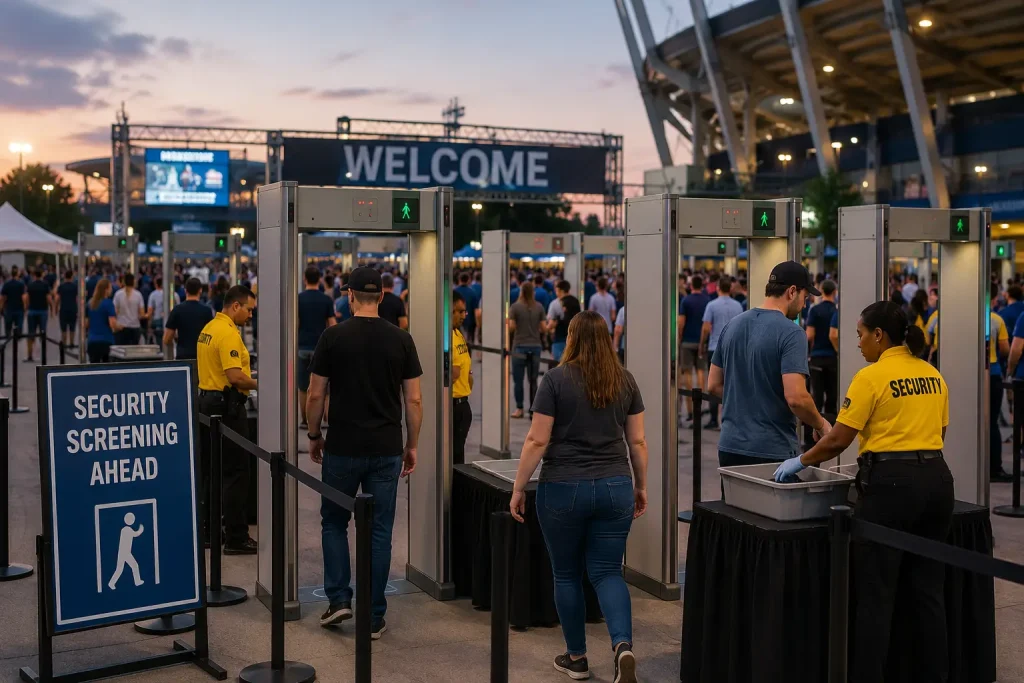
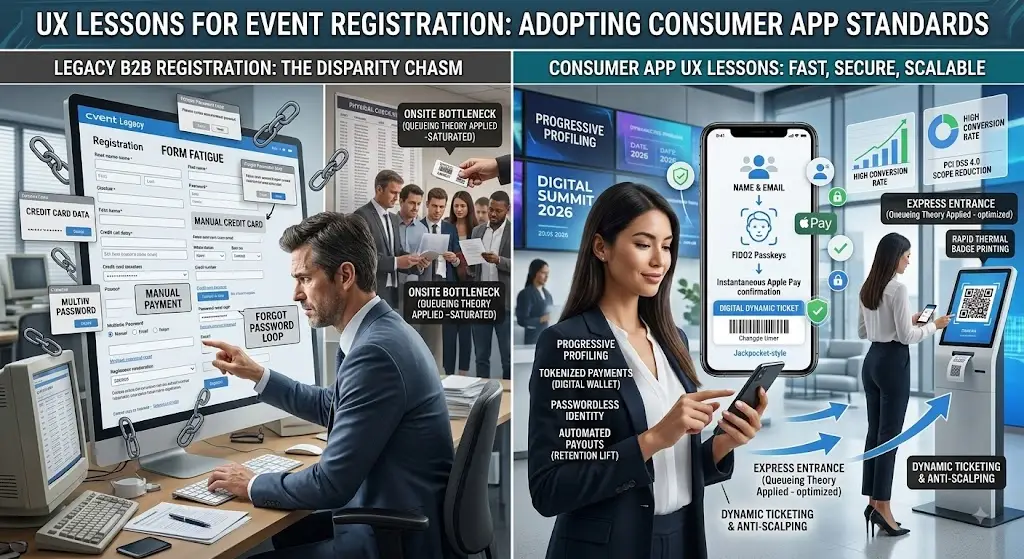
Registration is a prime candidate for large events. Automating event registration removes a huge manual burden and cuts errors on the day. Every automated step is time returned to actual event design.
Standards from the wider live events industry point the same direction, toward professional, tech-enabled operations. Automation is no longer a luxury for serious agencies. It is the baseline.
Running an Event Business That Scales
An event agency that wants to grow has to treat its own operations as seriously as its clients’ events. Productize the repeatable services, put ordering and approvals in a single client portal, and automate the administrative work that drains your best people. Do that, and you break the link between more clients and more chaos. The agency scales on systems instead of sheer effort, and the team gets back to the creative work that made the business worth building in the first place.
Frequently Asked Questions
What Does It Mean to Productize an Agency Service?
It means packaging a service with a defined scope, deliverables, and price, so clients order it like a product. Instead of custom-quoting every job, you offer clear tiers. This speeds sales, sets expectations, and makes delivery repeatable, which is the foundation for scaling an event agency without endless manual work.
Do Small Event Agencies Really Need a Client Portal?
Even small agencies benefit quickly. A portal removes the email chaos that consumes a lean team’s time and presents a polished, professional face to clients. Because it centralizes orders, files, and approvals, it often saves more hours than a small agency expects, freeing owners to focus on winning and delivering work.
How Does Automation Improve Client Experience?
Automation makes the agency feel responsive and organized. Clients onboard instantly, get timely updates, and never wait on a buried email. By removing delays and human error from routine steps, automation lets the team spend its attention on the creative, high-value parts of an event that clients actually remember.
Where Should an Agency Start With Systems?
Begin with the single most repetitive, time-draining task, often client onboarding or invoicing. Automate that one process, measure the hours saved, then move to the next. This incremental approach avoids overwhelming the team and delivers quick wins that build momentum toward a fully systemized operation.