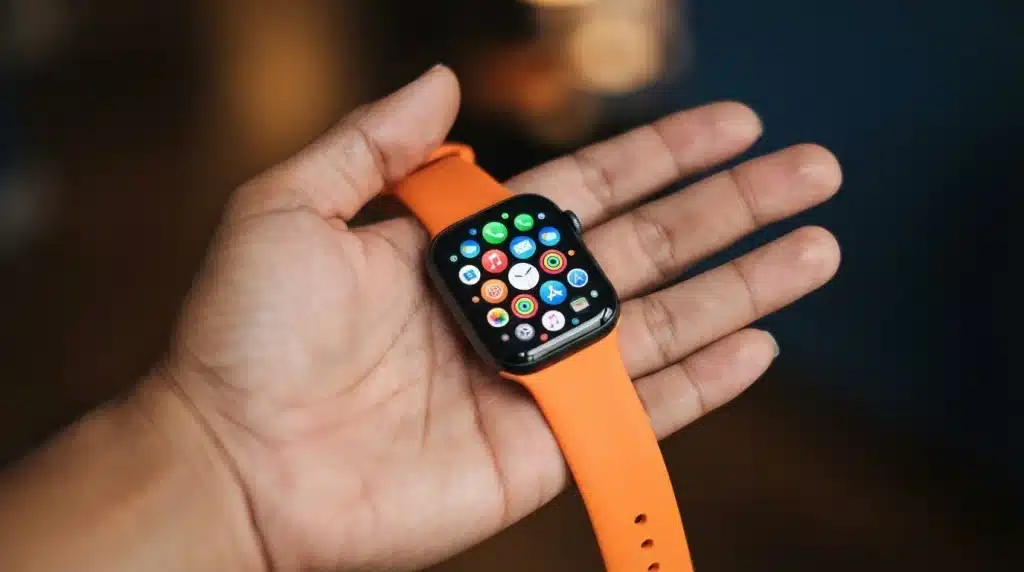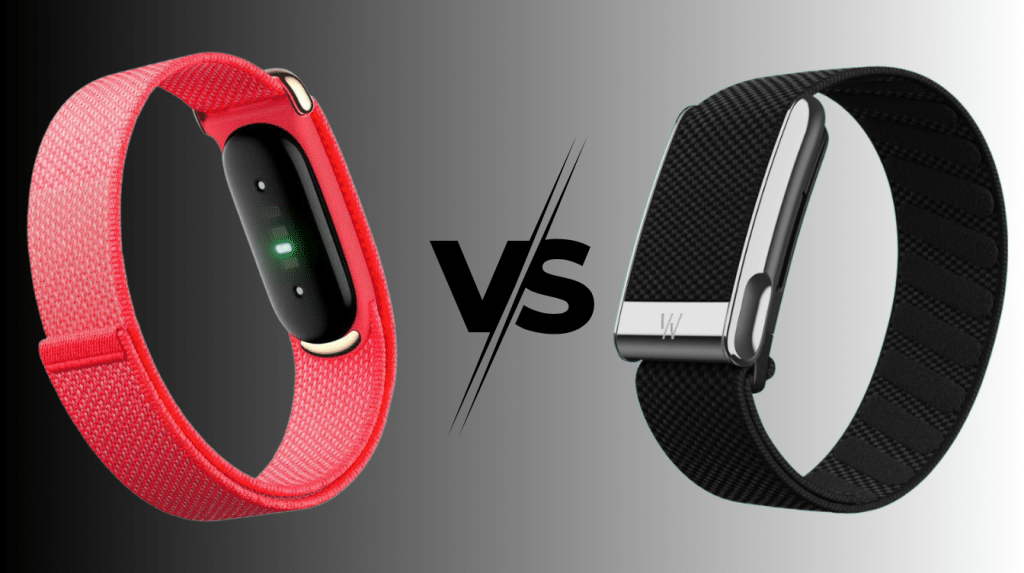
Choosing between WHOOP and Fitbit comes down to a single question: do you want a coach for recovery or a tracker for everyday health?
WHOOP is a screenless band built around one job: reading how your body responds to training, sleep, and stress.
Fitbit takes a wider view, pairing step counts and heart rate with a screen, phone alerts, and app features you can check at a glance.
This comparison looks at design, accuracy, sleep and recovery, smart features, battery, and real cost so you can decide with confidence.
By the end, you will know which device matches how you train, sleep, and spend your day.
WHOOP vs Fitbit: Quick Overview
WHOOP takes a focused approach by building everything around recovery and performance tracking. It is a screenless band that quietly runs in the background, tracking heart rate all day, measuring HRV, and monitoring sleep stages without interruptions.
All the data is pushed into the app, where it becomes clear metrics like Recovery and Strain scores. The idea is simple: help you understand how your body is handling stress and when to push or pull back.
Fitbit comes from a different angle. It is an everyday fitness tracker first, with a screen and built-in health features alongside step counts, notifications, payments, and, on some models, built-in GPS.
It handles workouts and daily activity well, but it is not built only for deep recovery analysis. The key difference comes down to intent.
WHOOP focuses on improving performance through deeper data, while Fitbit is designed to keep you active, informed, and consistent throughout the day.
WHOOP vs Fitbit: Specs Comparison Table
Two very different approaches to fitness tracking; here is how their core specs stack up.
| Feature | WHOOP | Fitbit |
|---|---|---|
| Display | None, fully screenless | AMOLED touchscreen |
| Sensors | HR, HRV, SpO2, skin temp, respiratory rate | HR, SpO2, skin temp; ECG and EDA on Charge 6 |
| GPS | Phone-based | Built-in on Charge 6, phone-based on Inspire 3 |
| Water Resistance | IP68, up to 10 meters | 5 ATM, up to 50 meters |
| Smart Features | None | Notifications, Google Wallet, Maps, music controls |
| Battery Life | About 14 days | 7 days (Charge 6), 10 days (Inspire 3) |
| Charging | Wireless, worn while charging | Removed from wrist to charge |
| Subscription | Required, $199 to $359 per year | Optional, $79.99 per year for Premium |
| Starting Price | $0 hardware, membership required | About $99.95 (Inspire 3) to $159.95 (Charge 6) |
This table covers the basics at a glance, yet the real differences between WHOOP and Fitbit become clearer once you look at how each one is actually used.
WHOOP vs Fitbit: Key Differences
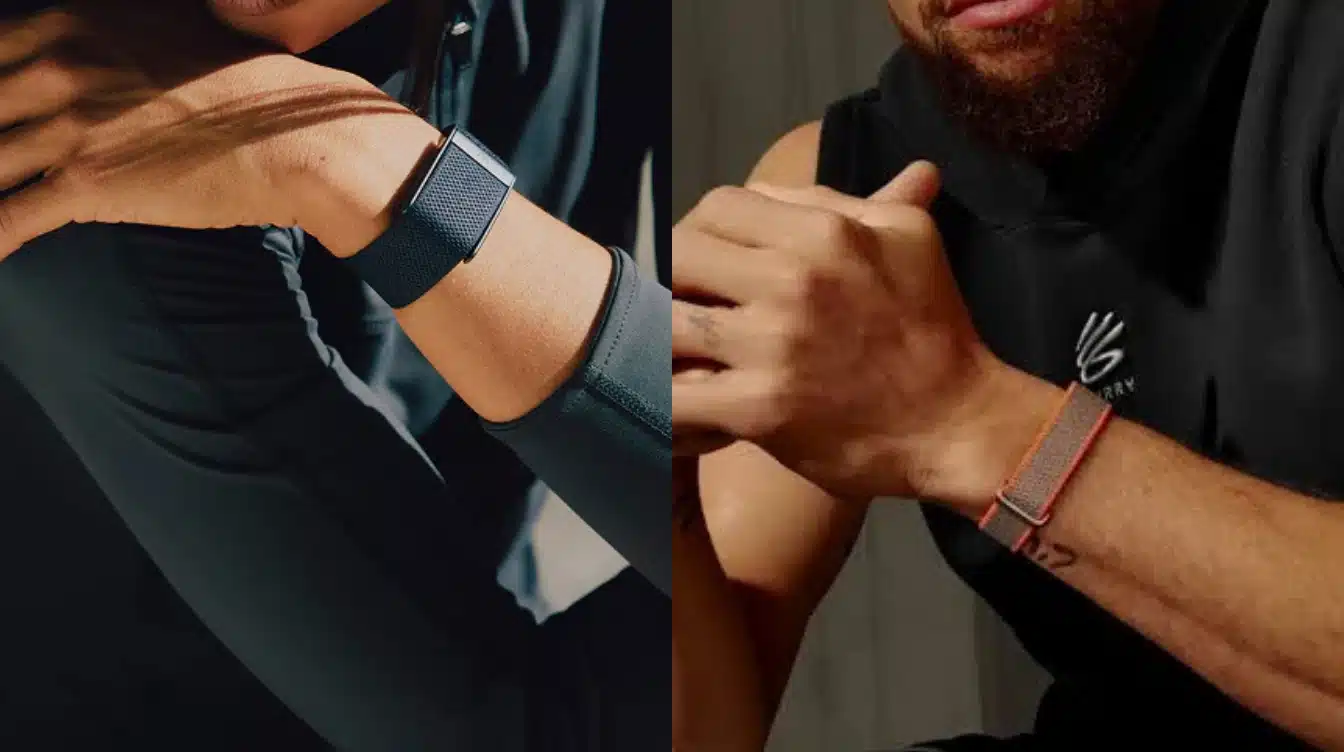
Beyond the spec sheet, here is how the two trackers actually compare across daily use.
1. Design and Comfort
WHOOP keeps things minimal with a soft knit strap and no screen, so it sits quietly on the wrist without pulling your attention, and you can even move it to the bicep for extra flexibility.
Fitbit takes a more familiar approach with a bright AMOLED touchscreen on the Charge 6 and Inspire 3, letting you glance at time, stats, and notifications without reaching for your phone.
WHOOP disappears into daily life, while Fitbit invites more frequent checking.
2. Health Tracking and Accuracy
WHOOP records data continuously, building a detailed picture through HRV, resting heart rate, respiratory rate, skin temperature, and blood oxygen measured against your personal baseline, which helps flag stress or fatigue early.
Fitbit focuses on practical, everyday accuracy, with the Charge 6 adding ECG and EDA sensors and the Inspire 3 covering the fundamentals well.
Both handle steps and workouts reliably, but Fitbit measures at intervals rather than continuously.
3. Sleep and Recovery Insights
WHOOP is built around recovery, giving a daily Recovery score based on your own baseline paired with a suggested Strain target to guide training intensity, plus detailed sleep-stage tracking.
Fitbit’s free Daily Readiness Score offers a simpler read on whether to push or rest, with sleep stages and a nightly Sleep Score, while deeper Sleep Profile trends require Fitbit Premium.
WHOOP prescribes daily direction, while Fitbit points you toward one without dictating training load.
Readers focused mainly on sleep quality and recovery often compare WHOOP and Oura, since both prioritize recovery metrics but take different approaches to daily health tracking.
4. Smart Features and Daily Use
Fitbit works as a light extension of your phone, offering notifications, Google Wallet payments, Maps directions, and YouTube Music controls, with the Charge 6 adding built-in GPS for outdoor workouts.
WHOOP removes all of this by design, with no notifications, apps, or payments, keeping the experience distraction-free and changing how often you check your wrist.
Choose WHOOP if you want a device that disappears into the background, or Fitbit for daily convenience.
5. Battery Life and Charging
WHOOP lasts close to two weeks per charge, with a wireless PowerPack that charges the device while you wear it, so tracking never stops for workouts, sleep, or daily wear.
Fitbit runs on a shorter cycle, with the Inspire 3 reaching up to 10 days and the Charge 6 around 7, but both require removing the device to charge, which can create small gaps in sleep or daytime data.
6. Real Cost Over Time
WHOOP bundles hardware into a recurring membership priced from $199 to $359 per year, so you never buy the device outright but keep paying, and your data access depends on staying subscribed.
Fitbit asks for a one-time purchase, from about $100 for the Inspire 3 to $160 for the Charge 6, with Fitbit Premium as an optional $79.99-a-year add-on.
Over three years, WHOOP can cost several times more than Fitbit, even with Premium included.
7. Subscription Requirements
WHOOP cannot be used without an active membership since the device and data live behind the plan, so canceling stops tracking and limits access to your history.
Fitbit is the reverse: every core feature, including heart rate, sleep stages, the Daily Readiness Score, and activity logging, works with no subscription at all.
Premium simply unlocks deeper insights, which is why this difference alone often settles the decision for many buyers.
WHOOP vs Fitbit: What Reddit Users Say
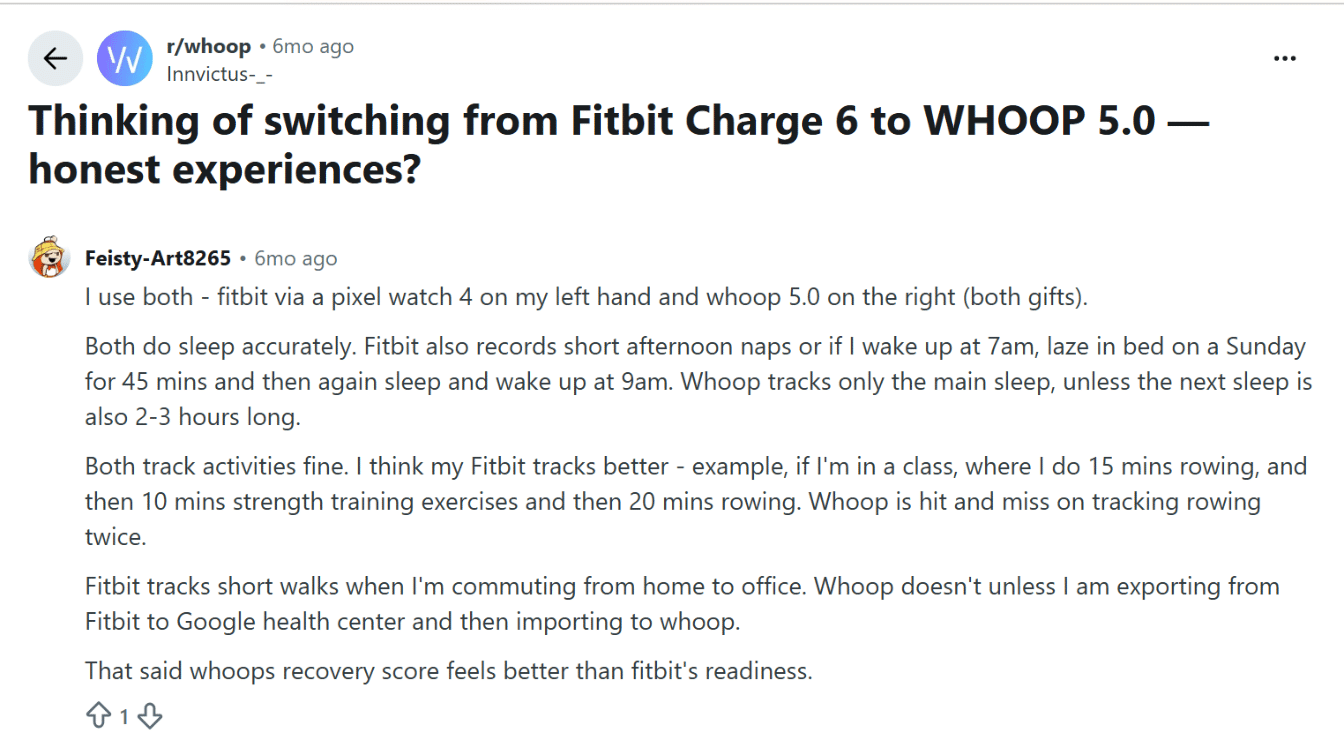
Reddit user feedback in the WHOOP vs Fitbit discussion often comes down to daily habits rather than specs.
Some users who wore both side by side found Fitbit better at catching naps and automatic walk tracking, while WHOOP misses these unless data is exported first.
At the same time, WHOOP users often say its recovery score feels clearer than Fitbit’s readiness score, and long-term switchers report sleep and stress insights that Fitbit never matched for them.
Cost comes up often too, with some feeling the membership is hard to justify long-term, while others say the daily guidance keeps them renewing. The split usually comes down to convenience versus depth.
WHOOP vs Fitbit: Which One Should You Choose?
The better choice depends on your fitness goals, daily habits, and budget.
Choose WHOOP if you:
- Want detailed recovery, strain, and sleep insights.
- Train regularly and adjust workouts based on recovery data.
- Prefer a screen-free wearable with fewer distractions.
- Don’t mind paying an ongoing membership for advanced analytics.
Choose Fitbit if you:
- Want a balance of fitness tracking and smartwatch features.
- Like seeing stats on a built-in display.
- Prefer a one-time hardware purchase with an optional subscription.
- Need features like notifications, Google Wallet, Maps, or built-in GPS (Charge 6).
- Are new to fitness tracking and want an easy-to-use experience.
Bottom line: WHOOP is the stronger choice for performance-focused users who want advanced recovery tracking. Fitbit is a better fit for most people who want reliable health tracking, smart features, and lower long-term costs. Choose the one that best matches how you plan to use it every day.
If you’re also considering a multisport fitness watch, comparing Garmin and WHOOP can help clarify which approach better matches your training style.
Final Thoughts
WHOOP and Fitbit serve different purposes, so the right choice depends on how you plan to use your wearable every day.
WHOOP stands out for recovery tracking, training insights, and continuous health monitoring, while Fitbit offers a balanced mix of fitness features, smart tools, and lower long-term costs.
Looking beyond specifications and considering comfort, subscription fees, and daily habits will help you make a better decision. A tracker is most useful when it fits naturally into your routine and supports your goals consistently.
Compare your priorities carefully, then choose the device that best matches your lifestyle and budget.
Frequently Asked Questions
Can You Cancel a WHOOP Membership Anytime, or Is There a Lock-In Period?
Monthly plans cancel before the next billing date. Prepaid 12- or 24-month plans run to term’s end past the 30-day return window, with no refund for remaining months.
Do WHOOP and Fitbit Work with both iPhone and Android?
Yes, both have full iOS and Android apps. WHOOP syncs workouts from Apple Health on iOS; Fitbit connects with Google’s health ecosystem on Android.
Does Long-Term Wear Cause Skin Irritation with Either Device?
Rarely, with normal care. WHOOP’s knit band is breathable and washable. Fitbit’s silicone bands can trap moisture, so drying the band after workouts helps.
Is WHOOP or Fitbit Better for Weightlifting and Strength Training?
Fitbit’s Charge 6 offers on-device workout modes for logging sets. WHOOP doesn’t auto-detect exercises, but its Strain score reflects session load for recovery guidance.