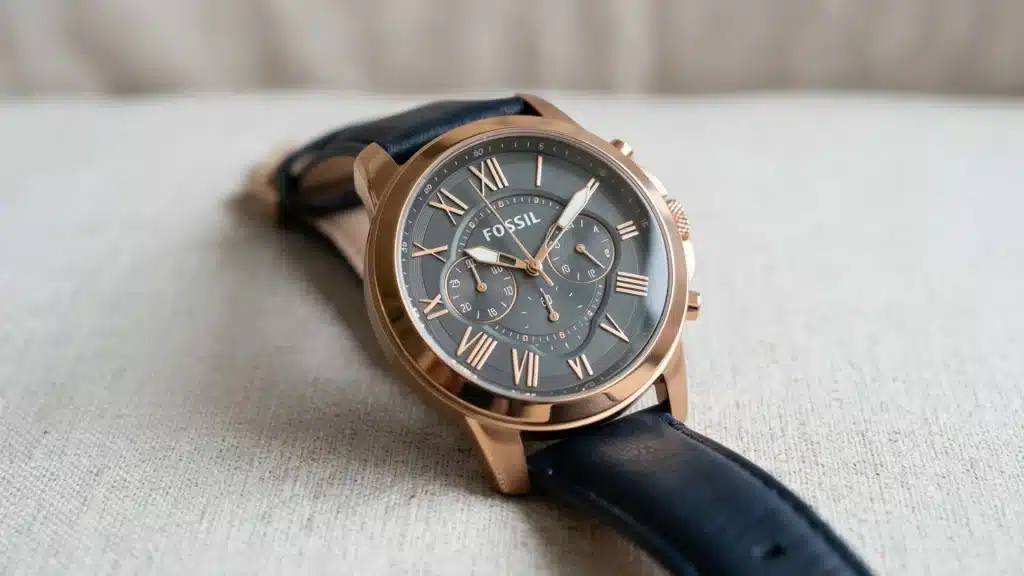
You’re standing in front of a Fossil display, or scrolling through one online, and the price looks fair until you remember hearing that fashion watch brands cut corners.
A friend’s chronograph button fell off. A forum post called the steel “basically plastic.” None of that tells you whether the watch on your wrist will hold up.
Fossil watches are good for most everyday buyers. You get stainless steel cases, mineral crystal glass, and dependable Japanese quartz or Miyota automatic movements at a price well below Seiko or Citizen.
They are not built for collectors chasing sapphire crystal and in-house calibers, but for daily wear, gifting, and first watches, they hold up.
This breakdown walks through what actually makes a watch good, how Fossil measures up on each point, and who ends up happiest wearing one.
What Makes a Watch Good?
Before judging any brand, it helps to know what you’re actually grading. A watch earns the label “good” based on a handful of measurable things, not just looks.
- Build Quality: Case material, component fit, and overall finishing all hold up well under daily use.\
- Movement: The mechanism that keeps time, whether quartz, automatic, or hybrid smart.
- Durability: How the watch performs after months or years of regular wear.
- Water Resistance: The ATM rating, which determines what activities are actually safe.
- Comfort: Weight, case size, and how the strap or bracelet sits on the wrist.
- Warranty: What the manufacturer covers if something fails.
- Value for Money: Whether the price matches what you’re actually getting compared to similar options.
Fossil is weighed against each of the standards below.
Fossil Watch Build Quality and Materials
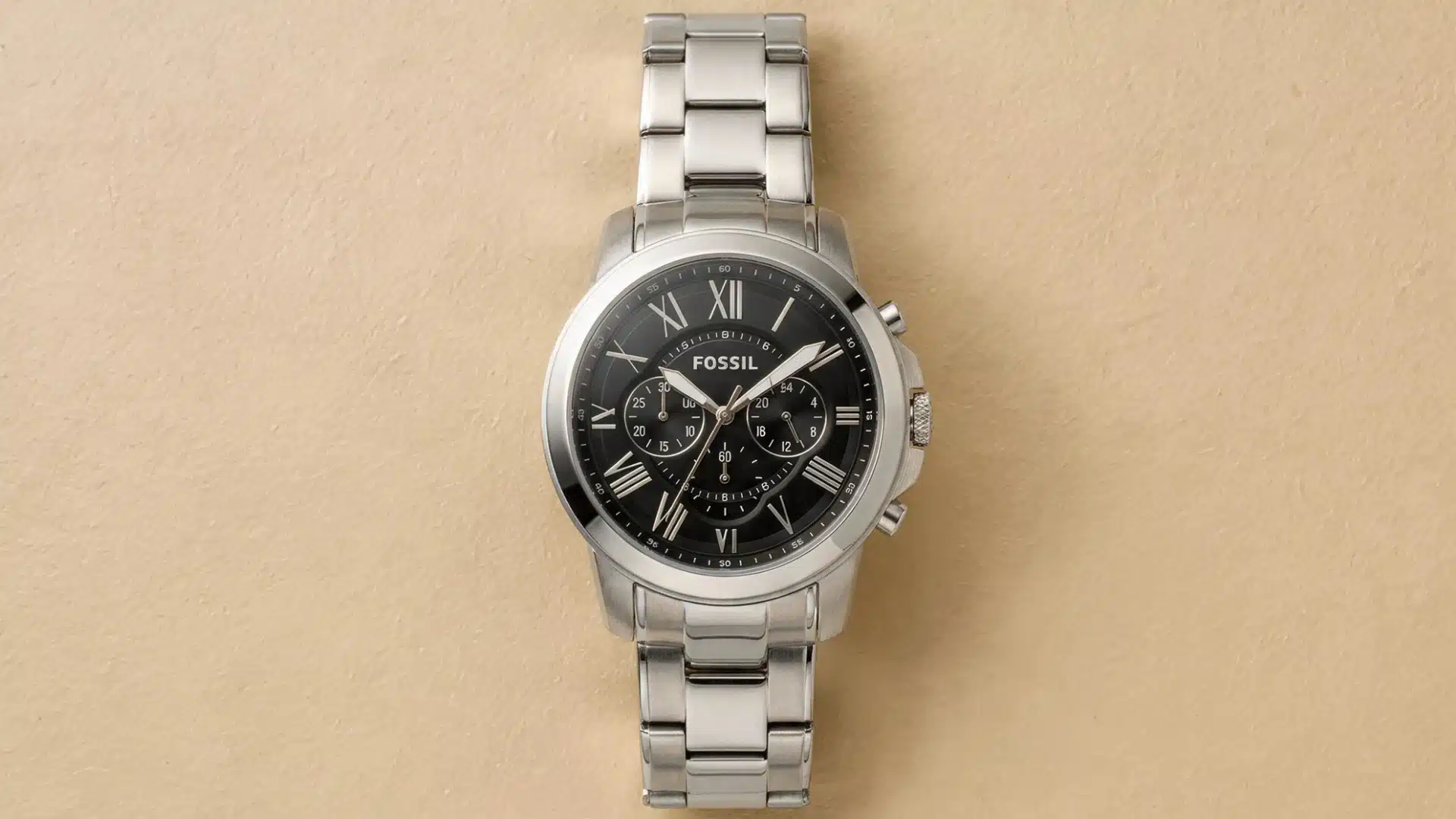
Fossil uses decent everyday materials like stainless steel cases and mineral crystal, but it prioritizes style over premium durability, so build quality is solid for daily use but not luxury-grade.
1. Case Materials
Most Fossil cases are made of stainless steel, which holds up well against everyday scratches and corrosion.
Some lower-tier and fashion-forward lines swap in aluminum or alloy blends to keep weight and cost down.
The finish on mid-range and Heritage models tends to be smooth and well polished, though a few entry models feel lighter and less substantial in hand than their steel counterparts suggest.
2. Crystal Protection
Nearly every Fossil watch uses mineral crystal glass over the dial. Mineral crystal resists shattering but scratches more easily than the sapphire crystal found on premium watches.
A short list of Heritage and limited-edition automatic models does include sapphire, so it’s worth checking the spec sheet before buying if scratch resistance matters to you.
3. Strap Quality
Fossil offers leather, silicone, and stainless steel bracelet options across its catalog.
Leather straps feel soft out of the box but wear faster than metal, especially with daily exposure to sweat or water.
Bracelets typically use push-pin links rather than the screw-style links found on higher-end watches, which makes strap swaps easy but can feel less secure over time.
How Long Do Fossil Watches Last?
With normal care, a quartz Fossil typically lasts 5-10 years before parts start to wear out, and Heritage automatics can run for decades with periodic servicing.
Expect a battery change every 2-3 years on quartz models and an automatic movement overhaul roughly every 5-7 years.
Common wear points appear at the strap pins, the chronograph pushers on multi-dial models, and the crown seal on watches that experience regular water exposure.
None of these are unusual for the price tier, but they’re worth knowing before you buy.
The Movement Matters More Than the Logo
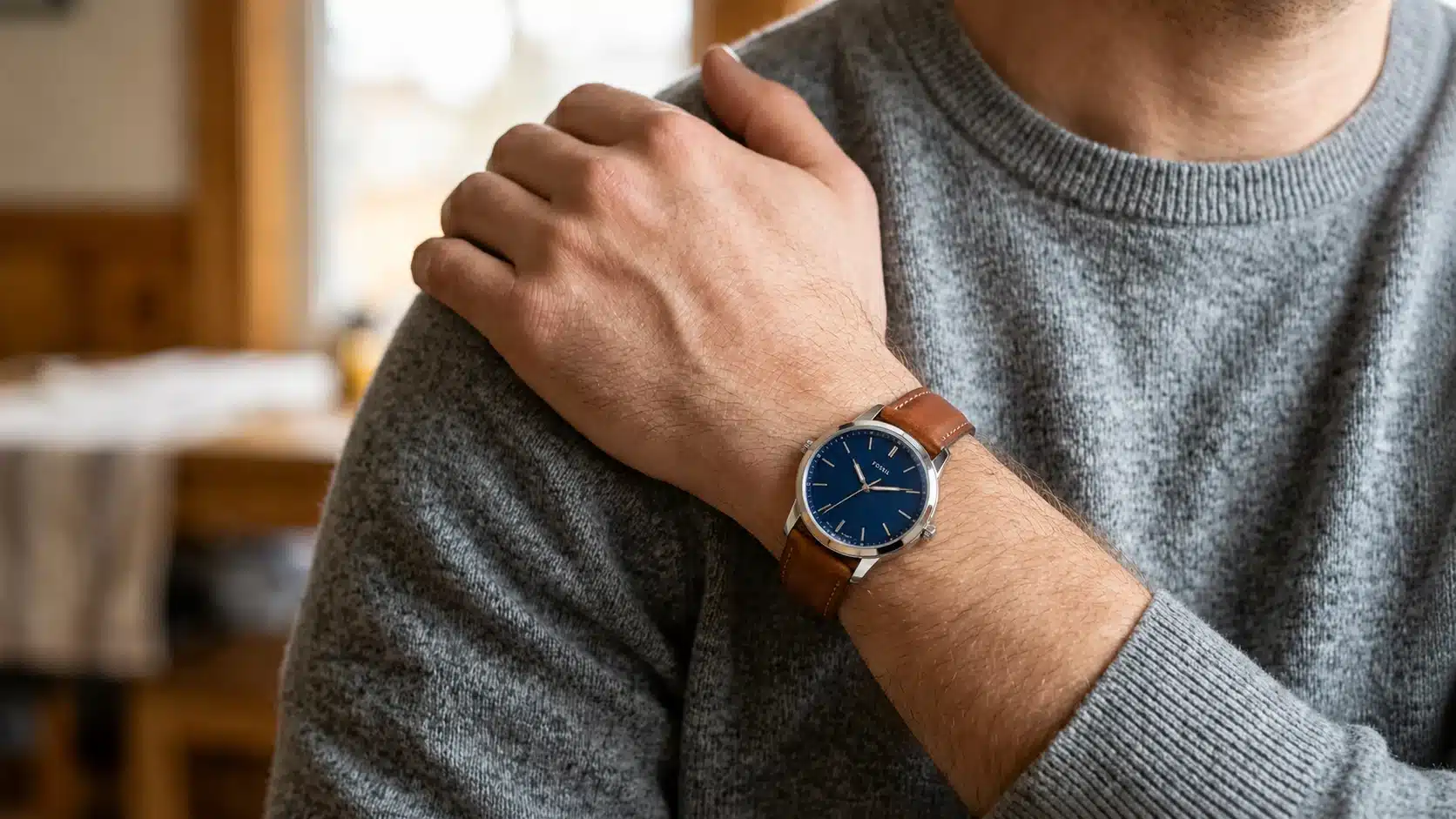
The movement is the heart of a watch, determining its accuracy, reliability, and long-term performance.
While two watches may look similar on the outside, the quality of the movement is what truly sets them apart.
Most Fossil watches use Japanese quartz movements, known for their reliable accuracy and low maintenance, offering consistent timekeeping with minimal servicing needs, making them highly dependable for everyday wear.
They typically stay accurate to within a few seconds per month and require a battery replacement only every two to three years, making them ideal for everyday wear.
Fossil’s Heritage collection features automatic movements from Miyota and Seiko, two well-known names in mechanical watchmaking.
Are Fossil Smartwatches Still Worth Buying?
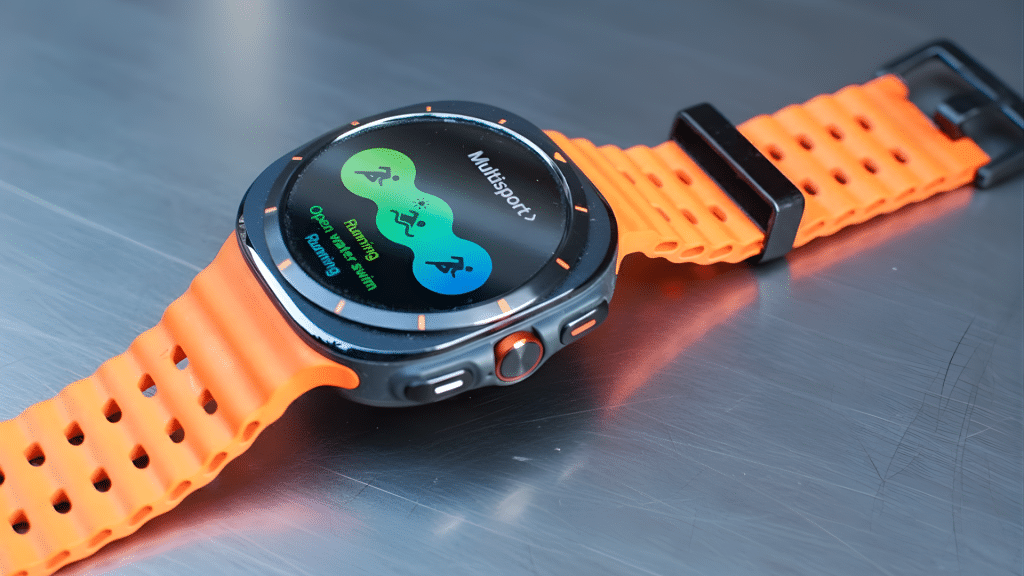
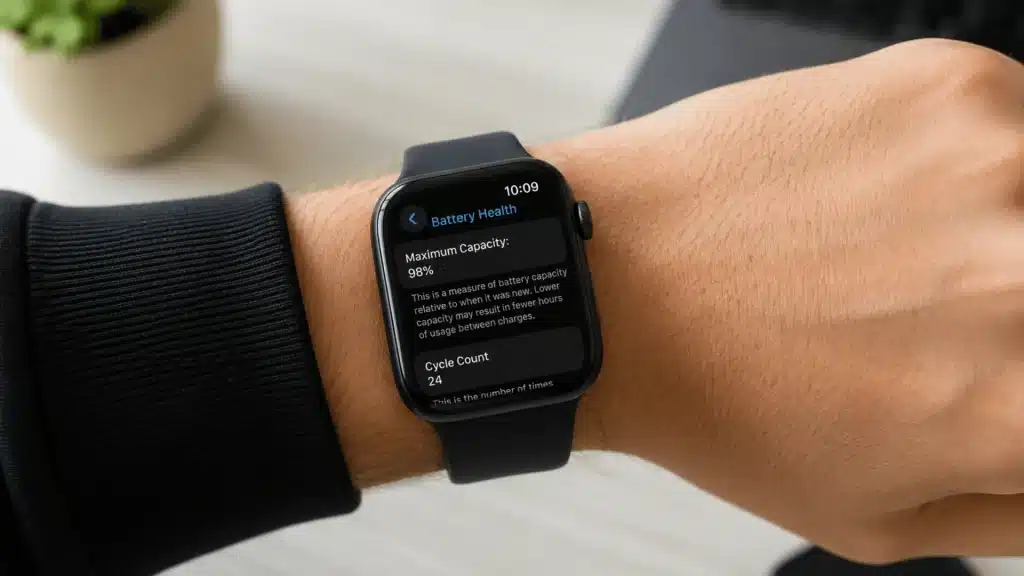
Fossil confirmed in January 2024 that its Gen 6 line would be the last Wear OS smartwatch it makes.
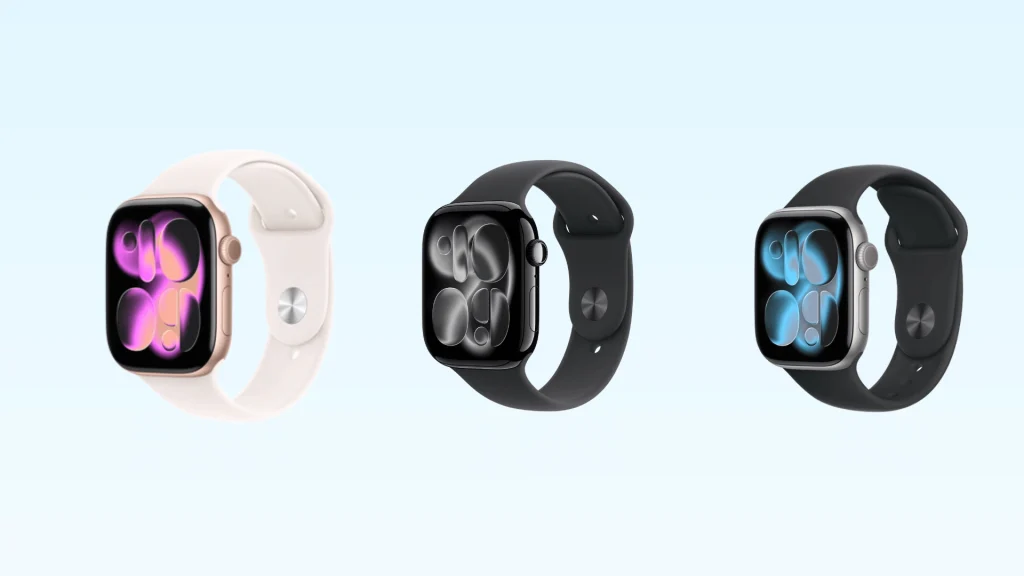
No, Gen 7 is coming, and the company has shifted its wearable efforts toward hybrid smartwatches and licensed fashion tech rather than competing head-on with the Apple Watch or Samsung Galaxy Watch.
That does not make an existing Gen 6 useless. It still runs Wear OS 3.5 on a Snapdragon 4100+ chipset, supports Google Pay, and continues to get occasional firmware patches.
If you already own one, there is no urgent reason to replace it.
But if you are shopping today specifically for a smartwatch to track workouts, heart rate, or sleep, I would not buy into a discontinued platform.
Fossil’s hybrid smartwatches, like the Hybrid HR line, are a different story.
For someone who wants a watch that looks traditional but still counts steps, that trade-off is worth considering.
Common Complaints About Fossil Watches
While Fossil watches are generally reliable for everyday use, some owners report recurring issues related to durability, maintenance, and after-sales support.
- Strap durability: Leather straps and bracelet links can show signs of wear sooner with regular daily use over long periods.
- Mineral crystal scratches: The crystal is more prone to light scratches than the premium sapphire crystal used by competitors.
- Battery replacement: Quartz models require battery replacement every few years, adding periodic maintenance costs for owners.
- Customer support: Some buyers report slow response times and longer-than-expected repair or warranty processing periods.
- Repair costs: Out-of-warranty repairs can be expensive, sometimes approaching the cost of buying a new watch.
Reports filed with the Better Business Bureau (BBB) describe dial hands detaching, smartwatches needing repeated service visits, and slow refund processing on canceled orders.
Pros and Cons of Fossil Watches
A side-by-side comparison table is much easier to scan than long descriptions.
| Feature | Pros | Cons |
|---|---|---|
| Design | A wide variety of modern, classic, and vintage styles. | Fashion-focused rather than collector-oriented. |
| Price | Affordable and offers good value for everyday wear. | Limited resale value compared to Seiko or Citizen. |
| Movement | Reliable Japanese quartz movements with low maintenance. | Automatic models are less refined than premium brands. |
| Build Quality | Durable stainless steel cases for daily use. | Mineral crystal scratches more easily than sapphire. |
| Availability | Easy to buy online, in stores, and through authorized retailers. | Repair and warranty service can sometimes be slow. |
Fossil Warranty Coverage
Fossil covers analog watches under a two-year international warranty against material and workmanship defects, while smartwatches carry a one-year limited warranty.
The warranty excludes batteries, straps, and damage from normal wear, accidents, or water exposure beyond the watch’s rated resistance.
U.S. buyers also have baseline protections under federal warranty law, which requires that written warranty terms be clearly disclosed before purchase and that defects reported during the coverage period be properly corrected.
Real-Life Reviews of Fossil Watch
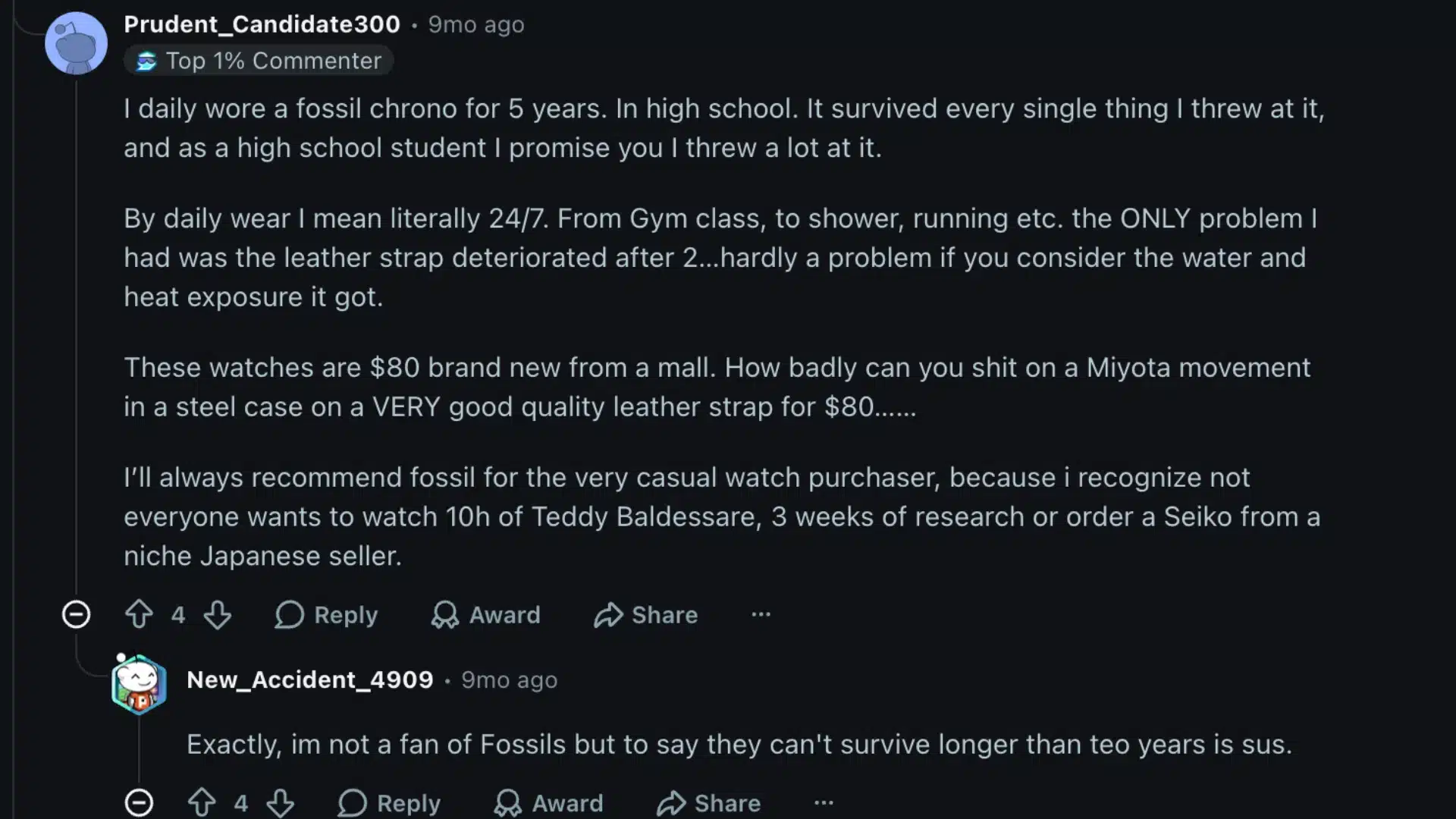
One Reddit user shared that they wore theirs daily for around five years through gym sessions, showers, and regular rough use, and it held up impressively well.
The only noticeable wear was the leather strap, which naturally degraded over time due to heavy exposure.
For the price point, often around $80, Fossil delivers strong value with stainless steel cases and Miyota quartz movements.
It’s seen as a solid, no-fuss option for casual wear, especially for people who want a stylish watch without worrying about damaging an expensive timepiece.
Overall, while it may not compete with high-end watch brands, Fossil earns praise for durability, practicality, and affordability, making it a trusted everyday choice for many users.
Fossil vs Seiko vs Citizen vs Casio
Each brand caters to a different type of buyer. The table below compares Fossil with three popular competitors across the factors that matter most when choosing a watch.
| Feature | Fossil | Seiko | Citizen | Casio |
|---|---|---|---|---|
| Price range | $50–$300 | $100–$500 | $100–$600 | $20–$300 |
| Movement source | Japanese quartz, Miyota/Seiko automatic | In-house quartz and automatic | Eco-Drive solar quartz | In-house quartz |
| Water resistance | Mostly 3–5 ATM | 5–20 ATM on dive models | 10–20 ATM common | 10–20 ATM on G-Shock |
| Crystal type | Mineral (sapphire on select Heritage) | Hardlex or sapphire | Mineral or sapphire | Mineral, hardened on G-Shock |
| Best for | Style-first daily wear | Mechanical hobbyists | Low-maintenance solar power | Rugged, tool-watch use |
Who Should Buy a Fossil Watch?
Fossil watches are best suited for buyers who value style, affordability, and everyday reliability. However, they may not be the right choice if you’re looking for premium craftsmanship or long-term collectability.
Ideal For
- First-Time Watch Buyers: Affordable pricing and versatile designs make Fossil an excellent entry-level watch brand.
- Everyday Wearers: Reliable quartz movements and comfortable designs are well suited for daily use with minimal maintenance.
- Fashion-Conscious Buyers: Frequent new collections offer a wide variety of modern, classic, and trend-driven styles.
- Gift Buyers: Recognizable branding and attractive designs make Fossil a dependable choice for gifting on most occasions.
Not Ideal For
- Watch Collectors: Limited resale value and standard finishes may not appeal to serious collectors.
- Luxury Watch Buyers: Fossil does not offer the premium materials, exclusivity, or craftsmanship found in luxury brands.
- Watch Enthusiasts: Buyers seeking in-house movements, sapphire crystal, or advanced horology features will find better alternatives.
Are Fossil Watches Good Overall?
Yes, Fossil watches are generally good for most buyers, though there are some limitations.
They focus on style, affordability, and everyday reliability rather than on premium watchmaking or long-term collectability.
Their biggest strength is value for money, offering fashionable designs, frequent new collections, and accurate quartz movements at accessible prices.
Widely available with standard warranty support, making them a good choice for first-time buyers or gifts.
Some Heritage models use Miyota or Seiko automatic movements, offering a basic entry into mechanical watches.
Fossil does not match brands like Seiko or Citizen in terms of materials or finishing, and most models use a mineral crystal rather than sapphire, which scratches more easily. Automatic models are functional but not highly refined.
Overall, Fossil is best for stylish, budget-friendly everyday watches. If you want fashion and convenience, it’s a good choice.
If you want durability, craftsmanship, or long-term value, other brands may be better.
Tips Before Buying a Watch
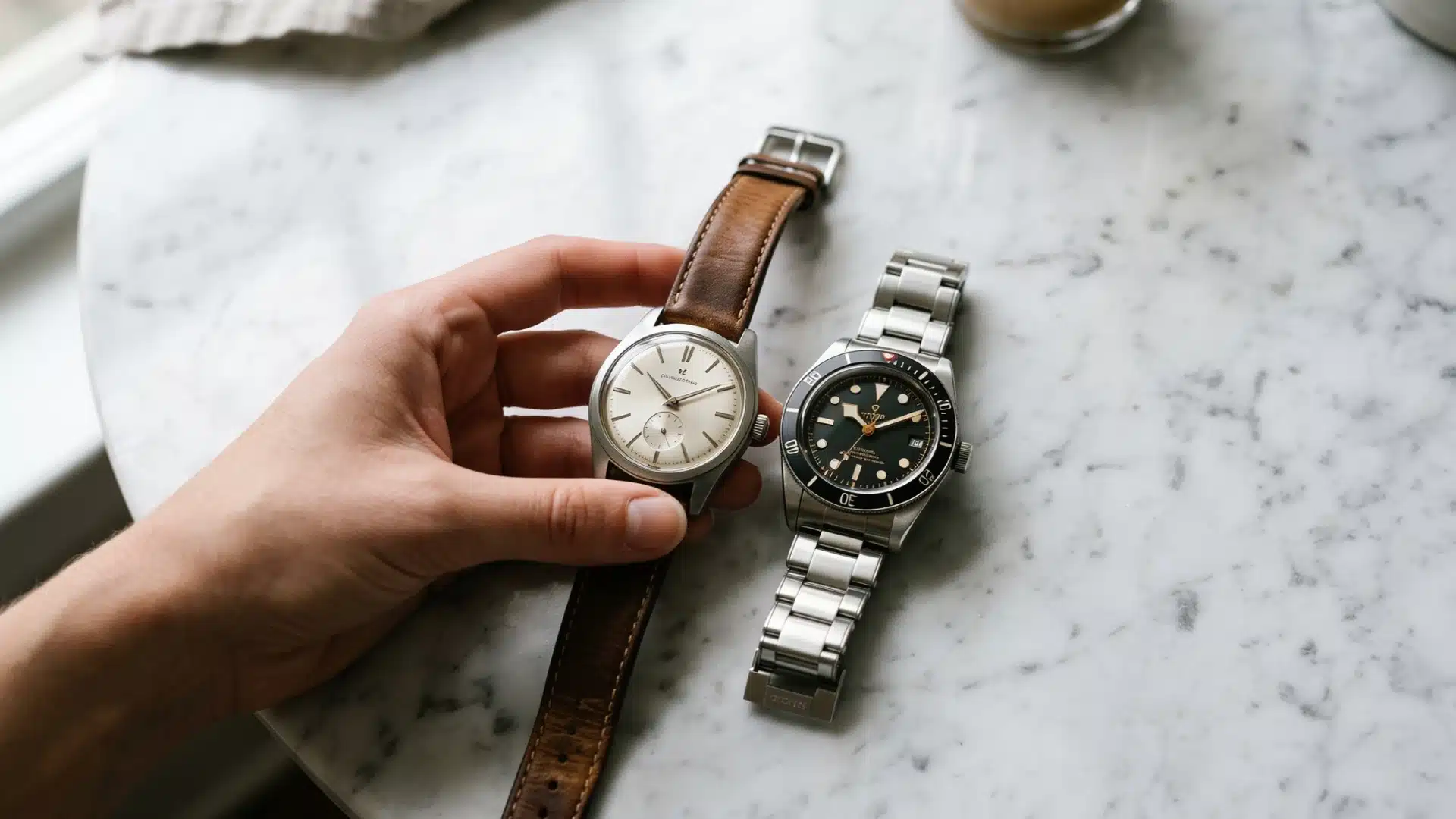
A little research before checkout avoids most of the regret buyers report after the fact.
- Choose quartz vs automatic deliberately: Quartz suits low-maintenance daily wear, while automatics appeal if you want a mechanical hobby piece.
- Check the water resistance rating: Most Fossils handle splashes fine, but only select models are rated for swimming or diving.
- Compare crystal type before buying: Confirm whether the model uses mineral or sapphire crystal if scratch resistance matters to you.
- Buy from authorized sellers: Purchases from unauthorized retailers can void warranty coverage.
- Understand the warranty terms: Know what’s covered before you need to use it, since batteries and straps are typically excluded.
How to Extend the Lifespan of Your Fossil Watch
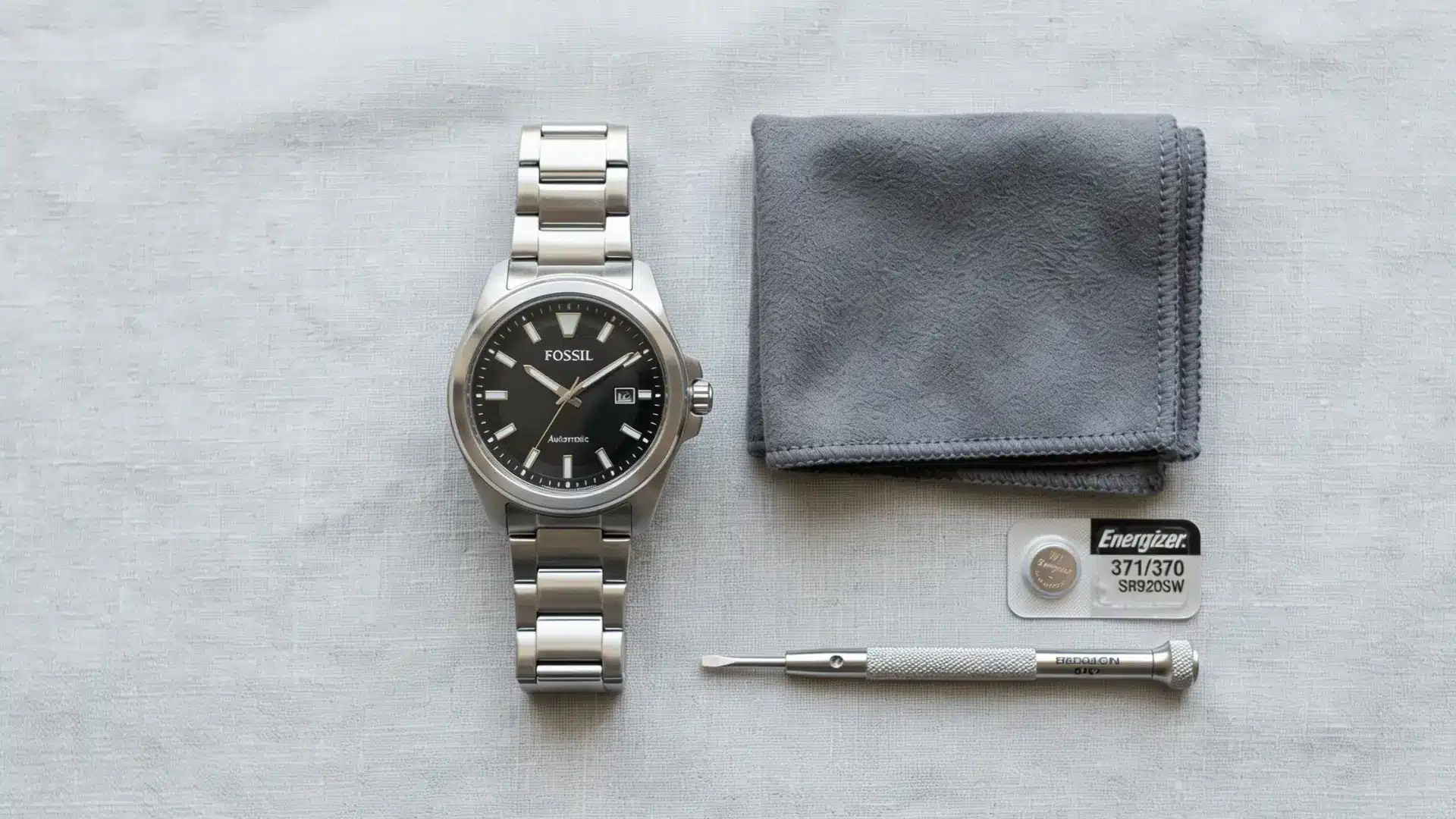
With a few simple care habits, you can keep your Fossil watch accurate, comfortable, and looking its best for years.
- Avoid magnets and impacts: Keep your watch away from strong magnets and hard impacts to protect the movement and maintain accurate timekeeping.
- Clean leather straps regularly: Wipe leather straps after exposure to sweat or moisture to prevent cracking, fading, and unpleasant odors over time.
- Service automatic watches: Have automatic models serviced at recommended intervals to maintain smooth performance and extend the movement’s lifespan.
- Store it properly: Keep your watch in a cool, dry place away from direct sunlight to protect the dial, strap, and internal components.
- Keep it clean regularly: Gently clean the case and bracelet with a soft cloth to remove dirt, oils, and everyday buildup.
- Follow water resistance limits: Avoid exposing your watch to water beyond its rated resistance, especially during swimming or showering.
- Replace batteries promptly: Change the battery as soon as it runs out to prevent possible leakage and damage to the movement.
- Secure the crown properly: Ensure the crown is fully pushed in or screwed down to help keep dust and moisture out of the watch.
If durability across categories interests you, the same wear-and-tear logic applies to choosing a running watch, where battery habits and case protection matter just as much as the brand name on the dial.
Conclusion
At the end of the day, Fossil watches sit in a very clear space; they are not trying to be luxury heirlooms or high-end mechanical masterpieces.
They are designed to look good, feel modern on the wrist, and stay reliable enough for everyday life without demanding too much from your wallet or your attention.
If you came here wondering whether Fossil watches are good, the answer depends on what you value most.
For style, convenience, and easy everyday wear, they deliver exactly what they promise. For deeper craftsmanship or long-term horological investment, they naturally fall behind more specialized brands.
What has your experience with Fossil watches been like? Share your thoughts in the comments below.
Frequently Asked Questions
Are Fossil Watches Waterproof?
Most Fossil watches carry a 3- to 5-ATM rating, which handles splashes, rain, and handwashing but not swimming or submersion.
Only select Diver and Heritage models reach 100 to 200 meters of water resistance. Check the specific model’s rating before exposing it to water.
Where Are Fossil Watches Made?
Fossil designs its watches in Texas, with engineering input from a design studio in Biel, Switzerland.
Most assembly takes place in China, using a mix of Japanese and Swiss components depending on the model.
Do Fossil Watches Hold Their Value for Resale?
No, Fossil watches generally depreciate quickly and do not hold their resale value as well as those from brands like Seiko or Citizen.
They are better viewed as everyday wear rather than investment pieces.
How Long Does a Fossil Watch Battery Last?
A standard quartz Fossil battery typically lasts two to three years before needing replacement, depending on usage.
Hybrid smartwatch models can last several weeks on a single charge, while full smartwatch lines require daily or near-daily charging.