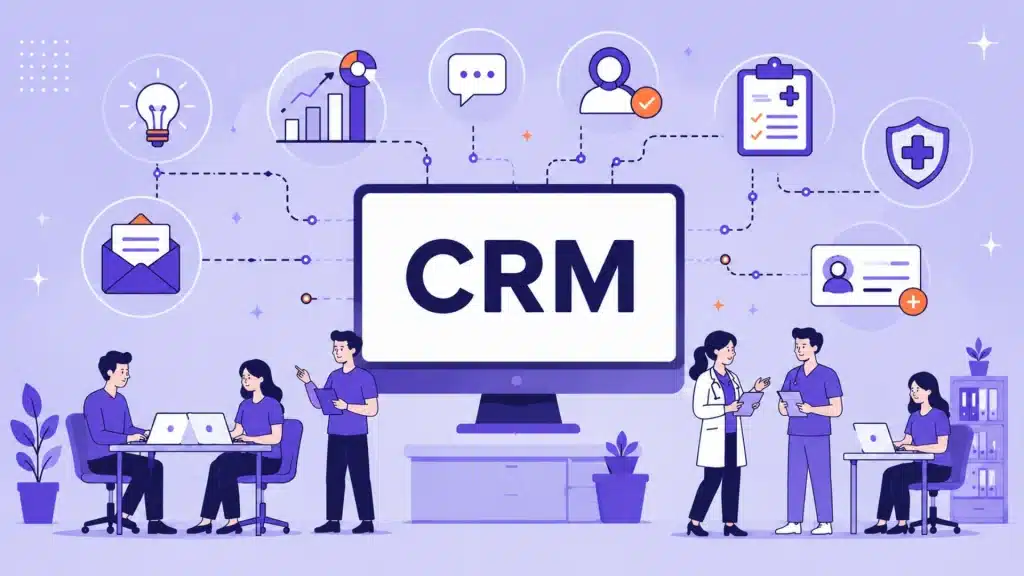
A two-day conference wraps up. Your exhibitors collected 400 badge scans. By Wednesday, half those leads have no follow-up, no context, and no next step.
That’s not a sales problem; it’s a relationship management problem. That’s exactly what the CRM was built to solve.
I’ve been at trade shows where leads pile up from badge scans, business cards, and scattered notes on spreadsheets or phones.
By Monday, half of those leads have gone cold. Generic follow-ups don’t work, and it’s easy to forget who said what.
That’s when I realized why understanding the CRM acronym and how it can change the way you manage contacts and build relationships really matters.
Breaking Down the CRM Acronym

CRM is three words working together, and each one earns its place.
- Customer: The people and organizations you want to keep a strong connection with. In events, this can include attendees, exhibitors, sponsors, speakers, and vendors.
- Relationship: The history behind each connection. This includes past conversations, missed replies, follow-ups, repeat bookings, and sponsor activity.
- Management: The system that keeps everything organized. It turns scattered notes and inbox threads into one clear view your team can act on.
Put all three together, and CRM becomes a disciplined approach to treating every contact as an ongoing conversation rather than a one-time transaction.
What Does a CRM System Actually Do?
A CRM is a central place to store contact information, communication history, and relationship status. Modern tools go well beyond that.
Every touchpoint gets tracked: emails, calls, forms, and meetings. When a sponsor contacts you six months after your last event, your team can see the full history before talking. That context makes every conversation more effective.
CRMs also automate routine communication: follow-up sequences, confirmation emails, and check-in messages can all run without manual effort.
A quick note on the CRM medical abbreviation: in clinical and academic settings, CRM can mean Circumferential Resection Margin, a surgical measure in cancer pathology as well. It can also mean Certified Reference Material in laboratory science. These are separate from business use.
Why the CRM Acronym Comes up so Often in Event Planning
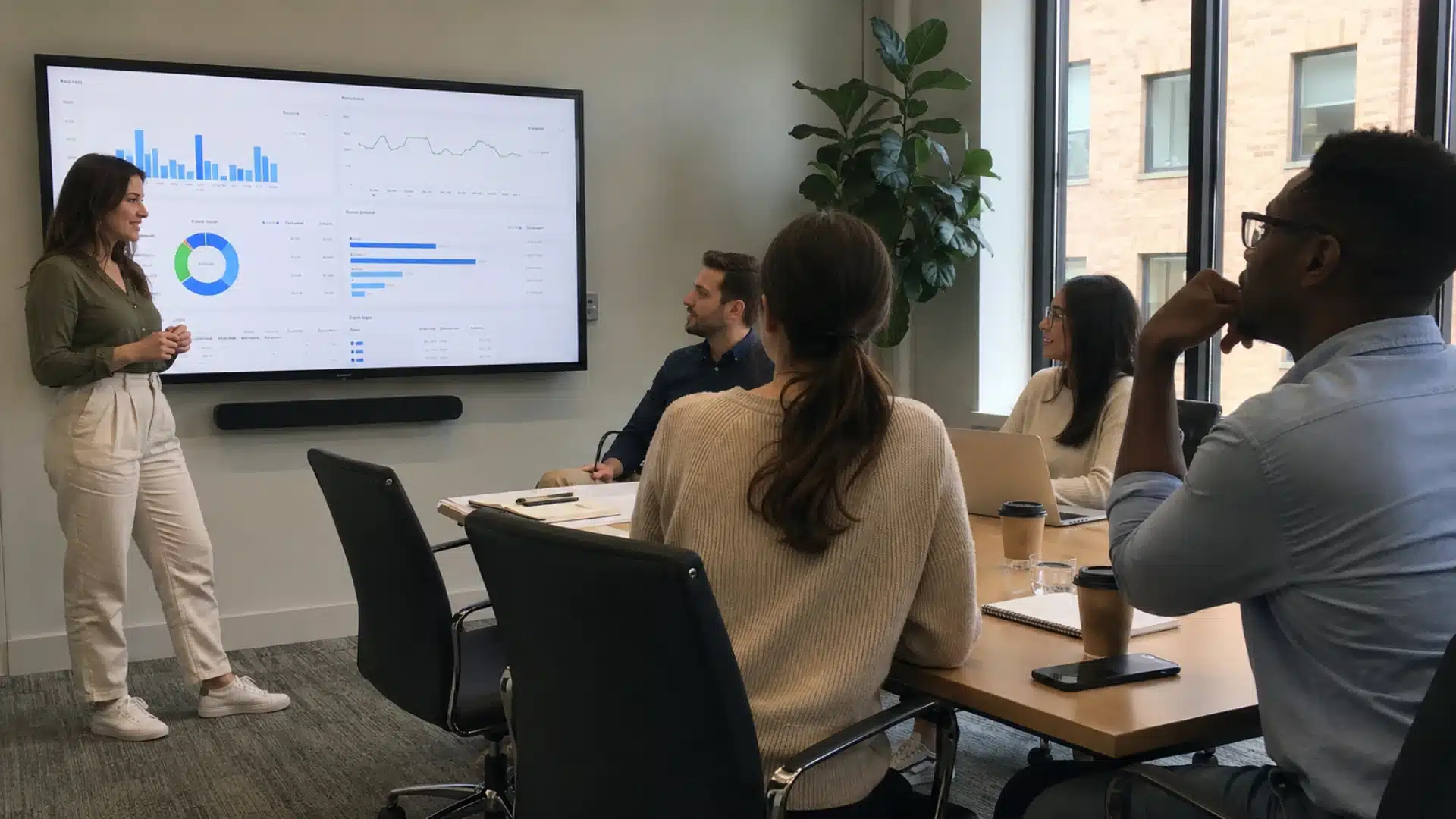
Event planning is built on relationships. A single conference involves multiple contact types that each need structured communication:
- Attendee registrations that require follow-up
- Sponsors with strict communication timelines
- Exhibitors seeking lead data after the show
- Speakers who require months of coordination
When an exhibitor scans a badge, that data needs to go somewhere useful. When an attendee registers but doesn’t show, you need that on record before planning next year’s capacity. When a sponsor asks about ROI, the answer lives in your data.
This is why CRM thinking belongs on the event floor, not just in the office.
CRM Strategy vs. CRM Software: What’s the Difference?
Many event teams get tripped up here. They buy a CRM, import contacts, and keep working exactly the same way. The tool sits half-used, and relationships still fall through.
CRM is a strategy first. CRM Software is what makes that strategy scalable. The strategy treats relationships as assets to track, nurture, and grow. Without it, even the best platform becomes an expensive contact list.
Before choosing a platform, ask: what happens to attendee relationships after the event? If the answer is “send a survey and hope they return,” that’s a strategy gap, not a software gap.
| Area | CRM strategy | CRM software |
|---|---|---|
| What it is | A plan for how your team tracks, nurtures, and grows relationships over time | The platform that stores data and automates that plan at scale |
| Who sets it | Your team: based on event goals and contact types | Configured by your team or a vendor after the strategy is defined |
| Without the other | Strategy without software = manual, slow, prone to gaps | Software without a strategy = expensive contact list, underused features |
| First question | What happens to each contact type after the event? | Which tool fits the workflow we’ve already defined? |
| Event example | Deciding that every exhibitor lead gets a follow-up within 48 hours | Setting up an automated sequence in HubSpot or Salesforce to send it |
Once your strategy is clear, define what the software must do. It helps to first streamline your registration process before adding a CRM layer on top. When evaluating tools, understanding how a platform like HubSpot fits into your event workflow is also worth the time.
How CRM Connects to Attendee Data and Event Tech
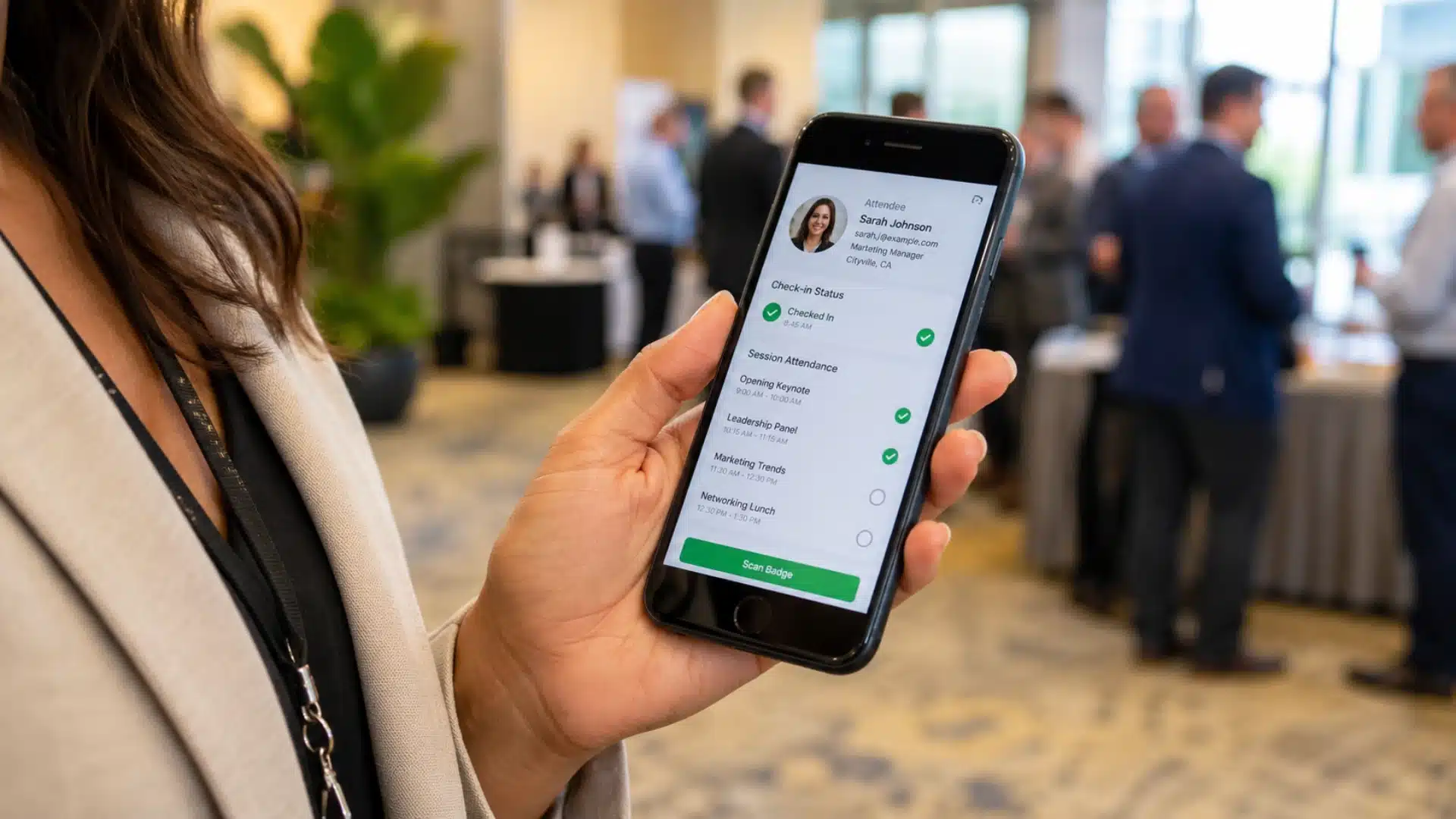
The CRM landscape has evolved, and event tech has evolved with it. The biggest shift to notice is how on-site data capture now connects directly to post-event relationship management.
In older workflows, these were separate problems. Attendee data would be collected at check-in and then manually exported into a follow-up system. That gap between capture and action often meant lost value.
Modern event check-in and data tools shrink that gap. When an attendee checks in, their profile updates in real time. Session attendance, badge scans, and lead retrieval activity all feed into a picture of who engaged and how. That picture is exactly what a CRM strategy is designed to use.
Event technology trends now point to AI-assisted relationship management. CRM platforms like HubSpot can flag leads that are going cold, suggest follow-up timing, and reveal patterns in attendee history.
For planners handling repeat events, this is where the investment starts to compound. The CRM acronym has always meant the same thing: manage relationships deliberately, not reactively. The tools available now just make it that much easier.
Common CRM Mistakes to Avoid
Most CRM failures aren’t software problems. They’re process problems that show up after the tool is already in place. These are the ones that come up most often.
- Importing contacts with no follow-up plan. Badge scans and registration exports land in the CRM, and then nothing happens. Before the event, decide who owns each contact type and what action triggers within 48 hours of the show closing.
- Treating all contacts the same. A first-time attendee, a returning sponsor, and a badge-scanned exhibitor lead are not the same relationship. Segment by contact type and tailor follow-ups accordingly.
- Letting data go stale between events. CRM value compounds across events, but only if the data stays clean. A quarterly review, removing duplicates, updating roles, flagging cold leads, keeps the system useful rather than cluttered.
- Choosing software before defining the workflow. Teams pick a platform based on features, then try to reverse-engineer a process around it. The workflow should always come first. Once you know what your team needs to track and when, the right tool becomes obvious.
- Skipping the integration between event tech and CRM. If your check-in tool, lead retrieval system, and CRM don’t connect, someone is doing manual data entry after every event. Prioritize integrations that push attendee and lead data into your CRM in real time.
Conclusion
CRM stands for Customer Relationship Management, but I see it as more than an acronym. It is a way to make every interaction among attendees, exhibitors, and sponsors feel connected.
In planning, this shows up clearly. Exhibitors should leave with qualified leads, not forgotten badge scans. Repeat sponsors should feel recognized, not like they are starting over every year.
If your tech stack does not keep that relationship data connected, start by auditing what you capture and where it goes after the event ends.
Drop a comment below if you’re working through the same questions. What’s working for you, and what isn’t?
Frequently Asked Questions
Is CRM a Type of Software or a Business Strategy?
CRM is both, but in a specific order. It starts as a business strategy: a commitment to managing customer relationships in a structured, data-driven way. Software is the tool that makes the strategy scalable. Buying CRM software without a strategy usually just creates an expensive contact list.
What Does the CRM Abbreviation Mean in a Medical Context?
In clinical settings, CRM usually stands for Circumferential Resection Margin , a measure used in cancer surgery to see if all tumor tissue was removed. It can also mean Certified Reference Material in laboratory science. Neither meaning relates to business or event management.
How is CRM Different from an Event Management Platform?
An event management platform handles operational tasks such as registration, check-in, badge printing, and session tracking. A CRM manages ongoing relationships over time, before and after the event. The two tools complement each other. Event data is most valuable when it flows into a CRM layer that tracks relationships across multiple events.