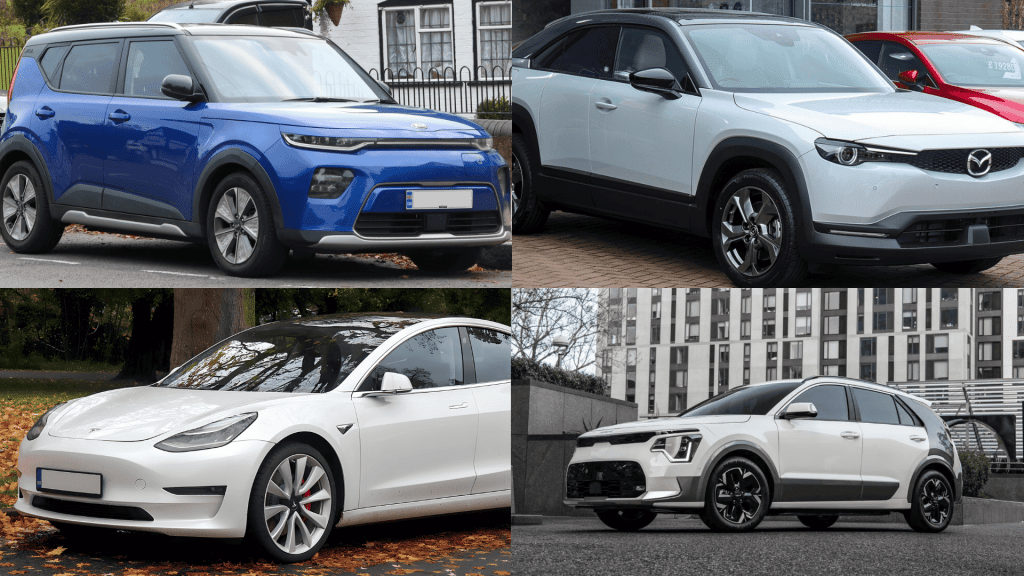
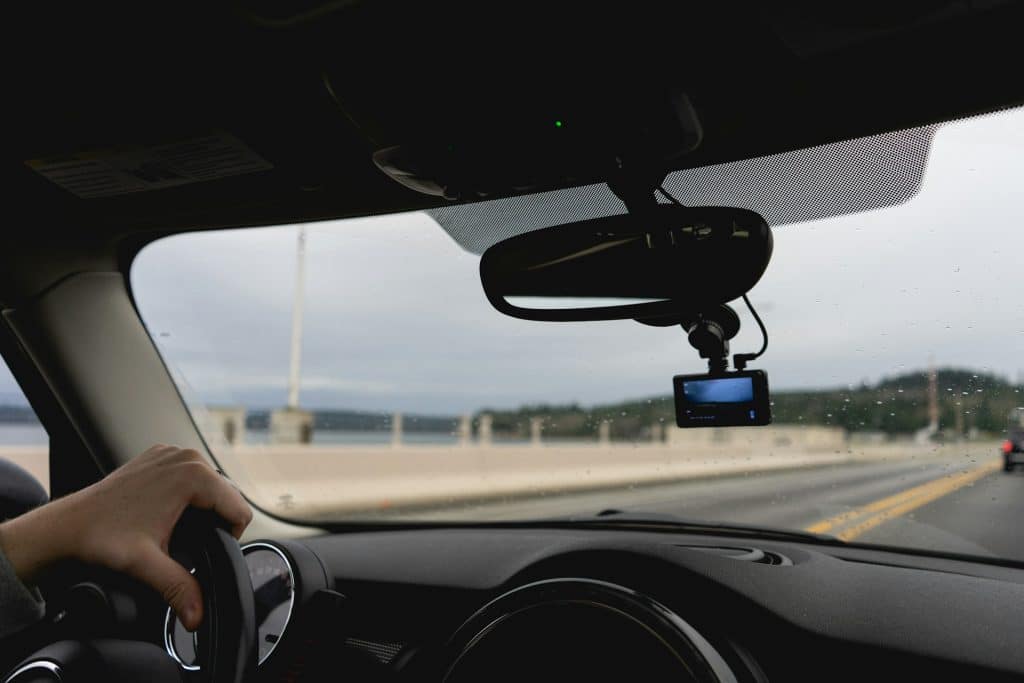
Car theft has evolved beyond broken windows and hotwiring, with criminals now exploiting electronic vulnerabilities and keyless entry systems.
Vehicle owners face increasing risk without layered protection designed to block unauthorized access and movement.
Visible deterrents, electronic immobilizers, and GPS tracking systems work together to reduce theft attempts and improve recovery rates. Proper anti-theft devices strengthen vehicle security and create a practical defense against modern theft methods.
What Are Car Anti-Theft Devices?
Car anti-theft devices are mechanical or electronic systems designed to prevent unauthorized access, engine ignition, or vehicle movement. Ultra Armor Faraday Privacy & Security Key Fob Bag helps protect against key-fob signal interception and relay attacks.
Protection mechanisms either deter criminals visibly or block critical vehicle functions internally.
Vehicle theft now includes relay attacks, signal amplification, key cloning, and electronic bypass techniques. Strong anti-theft protection reduces vulnerability by adding barriers that increase effort, time, and risk for criminals.
Layered security plays a critical role because no single device eliminates every threat. Combining physical locks, electronic immobilization, and tracking systems significantly lowers overall theft probability.
What Are the 8 Best Car Anti-Theft Devices to Protect Your Vehicle?
Car anti-theft devices fall into three primary categories: physical deterrents, electronic immobilization systems, and tracking technologies. Each category addresses a different stage of vehicle theft, from prevention to recovery.
Strong vehicle security depends on combining devices that increase visibility, restrict operation, and enable location monitoring. Below are eight of the most effective car anti-theft devices that strengthen overall protection.
1. Steering Wheel Lock
Steering wheel locks are heavy-duty metal bars that prevent the steering wheel from turning. Visible placement alone discourages many opportunistic thieves from targeting the vehicle.
Locked steering systems cannot function properly even if entry is gained. Street-parked vehicles and older models benefit significantly from this physical barrier.
2. Car Alarm System
Car alarm systems detect unauthorized entry through motion, shock, or tilt sensors. Loud sirens and flashing lights draw attention and interrupt theft attempts.
Advanced systems may include smartphone alerts and remote notifications. Increased exposure and noise raise risk levels for criminals.
3. GPS Tracker
GPS trackers provide real-time vehicle location through cellular or satellite networks. Primary value lies in rapid recovery if theft occurs.
Devices such as the Family1st Portable GPS Tracker deliver live tracking, geofencing alerts, and tamper notifications. Immediate access to location data improves response time and recovery outcomes.
4. Engine Immobilizer
Engine immobilizers prevent the vehicle from starting without proper key authentication. Fuel injection or ignition systems remain disabled if verification fails.
Modern vehicles commonly include factory-installed immobilizers. Passive operation ensures continuous protection without driver intervention.
5. Kill Switch
Kill switches interrupt ignition or fuel supply through a concealed mechanism. Hidden placement makes detection difficult for unauthorized users.
Manual or remote activation adds another unpredictable layer of defense. High-risk areas benefit from this added operational barrier.
6. Tire Lock (Wheel Clamp)
Tire locks secure a wheel in place to prevent vehicle movement. Bright and bulky design signals strong protection.
Even if access is gained, the vehicle cannot be driven without removing the clamp. Long-term parking situations often require this level of immobilization.
7. Brake Lock
Brake locks secure the brake or clutch pedal to prevent normal driving operation. Mechanical design avoids reliance on electronic systems.
Simple structure provides dependable protection without signal interference risks. Secondary security layers increase effectiveness when combined with other devices.
8. Faraday Pouch
Ultra Armor Faraday Privacy & Security Key Fob Bag uses signal-blocking technology to block radio frequency signals emitted by key fobs. This signal isolation helps prevent relay attacks used to unlock or start vehicles remotely.
Push-start and smart-key vehicles face higher relay attack risks. Signal-blocking storage adds necessary protection against electronic theft techniques.
How Does Layered Vehicle Security Improve Theft Prevention?
Layered vehicle security reduces theft risk by addressing multiple vulnerabilities instead of relying on a single device.
Visible Deterrence
Visible devices such as steering wheel locks and tire clamps discourage criminals before entry is attempted. High-visibility protection increases perceived effort and lowers the chance of opportunistic theft.
Electronic Immobilization
Engine immobilizers and kill switches prevent the vehicle from starting even if access is gained. Ignition and fuel systems remain disabled without proper authorization or activation.
Tracking and Recovery Support
GPS tracking systems provide real-time location data if a vehicle is moved without permission. Faster location access improves recovery rates and limits long-term loss.
Risk Distribution
Multiple protection layers force thieves to overcome several barriers in sequence. Increased complexity raises time investment and exposure risk, reducing overall theft success.
What Should You Consider Before Choosing a Car Anti-Theft Device?
Right anti-theft protection depends on risk exposure, vehicle type, and required security depth.
Parking Environment
Street parking increases exposure to opportunistic and organized theft. Garage-kept vehicles still face relay attack risks if keyless entry systems are used.
Vehicle Technology Level
Push-start vehicles require signal-blocking protection against relay attacks. Older vehicles without factory immobilizers benefit from aftermarket security upgrades.
Installation Requirements
Mechanical locks typically require no professional setup. Hardwired immobilizers or kill switches may need expert installation for reliability and safety.
Ongoing Costs
Physical deterrents involve a one-time purchase cost. GPS tracking systems may require monthly subscription fees for cellular connectivity and live monitoring.
Prevention vs Recovery Focus
Mechanical and electronic devices focus on preventing vehicle movement. GPS trackers prioritize recovery support if theft occurs.
Final Thoughts
Vehicle theft continues to evolve with both mechanical and electronic methods targeting modern cars. Strong protection depends on combining visible deterrents, electronic immobilization, and real-time tracking support.
Physical locks reduce immediate risk, immobilizers block unauthorized ignition, and GPS tracking improves recovery outcomes. Layered security provides practical defense that significantly lowers theft probability and financial loss.
Frequently Asked Questions
Does a Steering Wheel Lock Really Stop Car Theft?
Steering wheel locks prevent the wheel from turning, making the vehicle undrivable even after forced entry. Visible placement also discourages many opportunistic theft attempts.
Is a GPS Tracker Better Than a Car Alarm?
GPS trackers focus on recovery by providing real-time location data after theft occurs. Alarm systems focus on deterrence by drawing attention during unauthorized access.
Can a Car With an Engine Immobilizer Still Be Stolen?
Advanced theft methods such as relay attacks can bypass some factory systems. Additional layers like kill switches, tracking devices, and signal-blocking storage strengthen protection.
Do Tire Locks Work for Everyday Vehicle Security?
Tire locks physically immobilize a vehicle and prevent wheel rotation. High visibility and mechanical restriction make them effective for extended parking situations.
Is Layered Security Necessary for Vehicle Protection?
Single-device protection leaves security gaps that experienced criminals may exploit. Combining physical, electronic, and tracking systems significantly reduces overall theft risk.
Can a GPS Tracker Help If a Vehicle Is Stolen?
GPS tracking provides real-time location data that helps recover a stolen vehicle quickly. Family1st Portable GPS Tracker supports anti-theft protection by sending live tracking updates, movement alerts, and geofencing notifications.