Smartphones change fast, and every year, users want something that feels new, useful, and comfortable during long daily use on modern devices.
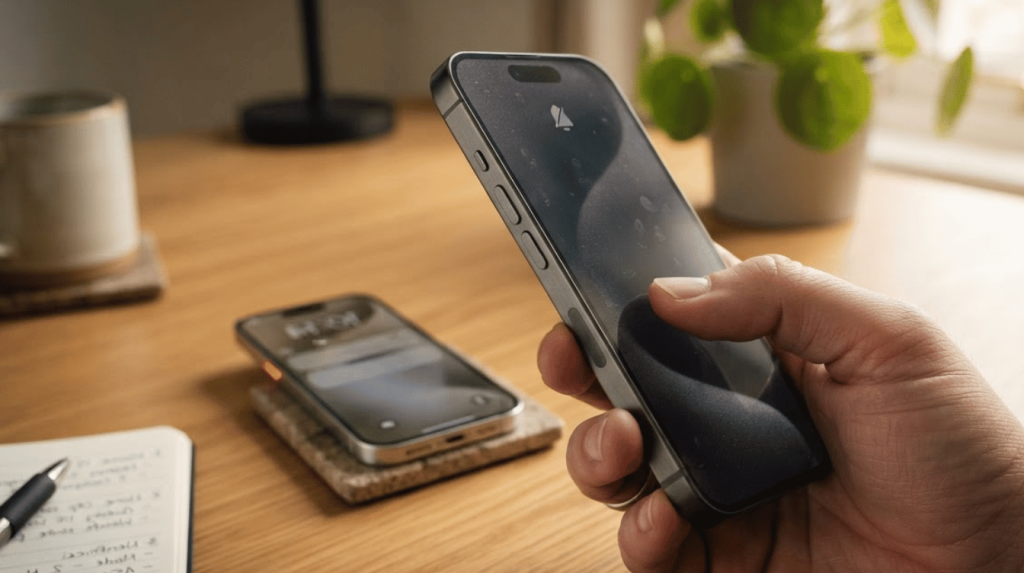
Apple introduced the iPhone Air alongside the iPhone 17 series as a separate model with a clear focus on balance for everyday users.
People often search for iPhone Air reviews to understand where this phone fits and who it suits best today overall.
I will be telling you about its purpose, key specifications, pricing, comparisons, and whether it makes sense for your daily usage needs today.
If you are looking for a new phone, this could be a good choice.
But, before we move into detailed sections, let’s see why iPhone Air is special & why it is not a part of the iPhone 17 Series.
iPhone Air Overview
The iPhone Air was released alongside the iPhone 17 series in September 2025, at the Apple Event, but Apple did not include it in the regular numbered iPhone lineup.
Instead, it launched as a separate model, with the main goal of becoming the thinnest iPhone Apple has ever made.
This phone was designed for users who care more about slim size, while maintaining comfort. It was rumored that the prototype was the thinnest smartphone, but due to EU restrictions, it was changed.
Apple shifted focus away from extra hardware and placed attention on form, feel, and easy handling in real life.
The iPhone Air sits between the standard iPhone 17 and Pro models in purpose, not as a replacement for either option.
It exists for people who want a modern iPhone that feels different in hand without chasing every high-end feature.
Key Specifications of iPhone Air
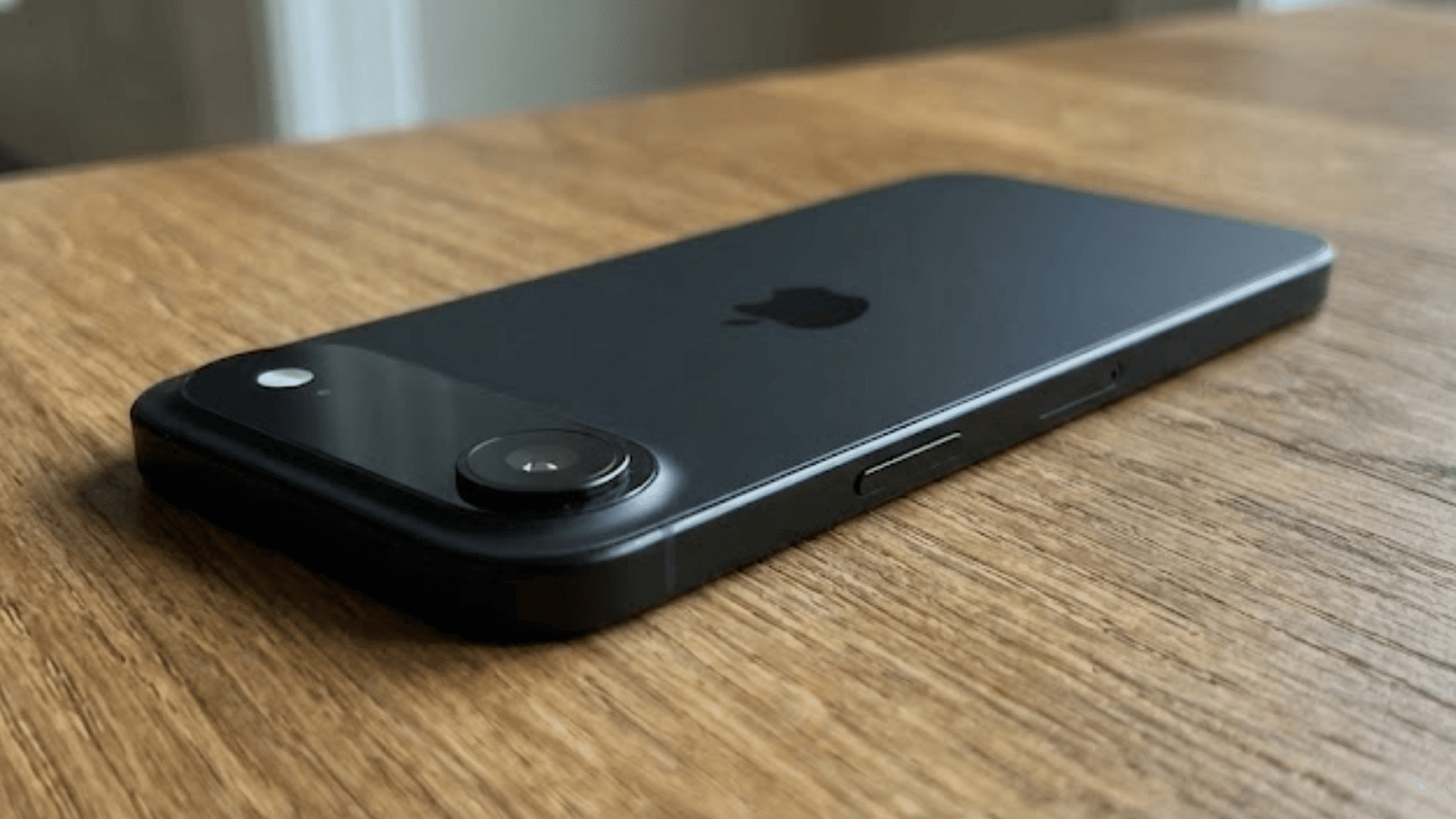
Let’s talk about the key specifications of the latest iPhone Air and see how Apple progressed with design choices, performance balance, and everyday usability.
1. Design, Size, Weight, and Build Material
The iPhone Air measures around 5.6mm in thickness and weighs about 165 grams, making it one of the slimmest and lightest iPhones released.
Apple used a titanium frame paired with a flat edge design, which helps in maintaining strength while keeping the phone comfortable during long daily usage.
This size and weight difference becomes noticeable in pockets and hands, especially when compared directly with other iPhone series.
2. Display Quality, Refresh Rate, and Brightness
The iPhone Air features a 6.5-inch Super Retina XDR OLED display with a resolution of 2736 x 1260, offering sharp text and clear visuals.
It supports a 120Hz adaptive refresh rate, which makes scrolling, gaming, and animations feel smoother during everyday use.
With peak brightness reaching up to 3000 nits outdoors, the screen remains readable in direct sunlight and works well for video and social media viewing.
3. Performance
The iPhone Air runs on the A19 Pro chip, the one used in iPhone 17 Pro & Pro Max, which brings fast app loading, smooth scrolling, and stable performance during everyday tasks and casual gaming.
This processor uses a 6-core CPU and 6-core GPU, helping the phone handle multitasking, video editing, and system animations without noticeable slowdowns.
The phone does not include advanced cooling hardware, so extended gaming sessions may cause slight warmth during long periods of heavy use.
For normal daily activities, performance stays consistent and clearly feels faster than the standard iPhone 17 in side-by-side usage.
4. RAM & Storage Options
The iPhone Air starts with a 256GB base storage option, with higher variants going up to 512GB and 1TB for heavier storage needs.
Apple avoided offering a 128GB base model this time, unlike the iPhone 16 series released in 2024, which started at lower storage.
This change makes the iPhone Air better suited for long term use, especially for users storing photos, videos, and apps over time.
5. Camera Setup
The iPhone Air uses a single 48MP rear camera built for everyday photos, focusing on clear details, natural colors, and dependable low-light results.
It supports 4K video recording at 60fpswith stabilization, which works well for casual videos, short clips, and regular social media use.
On the front side, the phone includes an 18MP camera that handles selfies and video calls with steady quality for daily communication needs.
6. Battery Life & Charging Support
The iPhone Air offers a 3148mAh battery, up to 27 hours of video playback, which is enough for a full day of calls, browsing, and media use.
It supports 20W wired charging and reaches about 50 percent charge in around 30 minutes using a compatible fast charger.
Wireless charging includes 15W MagSafe support and 7.5W Qi charging, giving flexible options for users who prefer cable-free charging setups.
7. Connectivity Options
The iPhone Air supports 5G connectivity with improved modem efficiency, helping deliver stable speeds for streaming, browsing, and online calls.
It includes Wi Fi 7 and Bluetooth 5.4, which improve wireless range, connection stability, and accessory performance during daily usage.
Apple also includes USB-C for charging and data transfer, along with MagSafe support for wireless accessories and charging solutions.
Note that it is the only iPhone that doesn’t have a physical sim variant worldwide, as it was designed to be the thinnest iPhone ever.
8. Software Version & Updates
The iPhone Air ships with iOS 19 out of the box, offering a familiar layout with small improvements focused on speed and system stability.
Apple is known for long-term software support for its devices, and this model is expected to receive major iOS updates for several years.
System features run smoothly with the A19 Pro chip, and regular updates help keep security, app compatibility, and performance consistent over time.
9. iPhone Air Pricing and Available Options
The iPhone Air is priced starting at $999 for the 256GB base variant, placing it above the standard iPhone 17 but below Pro models.
Apple skipped lower storage tiers this year, making the starting option more practical for users planning long-term usage.
Storage options go up to 1TB, with higher prices depending on the selected variant, while color choices remain the same across all options.
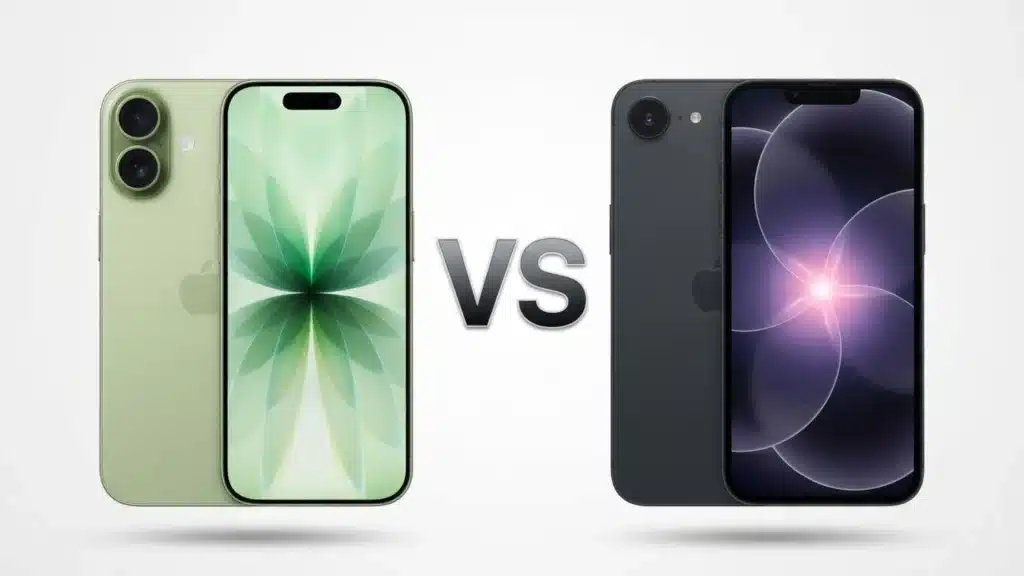
iPhone Air vs iPhone 17 vs Top Other Brand Phones
This section compares the iPhone Air with the iPhone 17, iPhone 17 Pro, and similar phones to show where it stands in real use.
| Feature | iPhone Air | iPhone 17 | iPhone 17 Pro/Pro Max | Samsung Galaxy S25 Ultra |
|---|---|---|---|---|
| Price | $999 (256GB) | $799 (256GB) | $1,099 (256GB) | $1,299 (256GB) |
| Thickness | Around 5.6mm | Around 7.8mm | Around 8.2mm | Around 8.2mm |
| Weight | About 165 grams | About 177 grams | About 199 grams | About 218 grams |
| Build Material | Titanium frame | Aluminum frame | Aluminium frame | Titanium frame |
| Processor | A19 Pro | A19 | A19 Pro | Snapdragon 8 Elite |
| Camera Setup | 48MP back, 18MP front | 48MP + 48MP back, 18MP front | 48MP + 48MP + 48MP back, 18MP front | 200MP + 50MP + 50MP + 10MP back, 12MP front |
| Battery Capacity | 3149 mAh | 3692 mAh | 4252 mAh | 5000 mAh |
By looking at size, performance, camera setup, and price together, it becomes easier to understand which phone fits different user needs.
Should You Buy the iPhone Air?
The iPhone Air makes sense if you want a slim phone that feels light in hand and stays comfortable during long daily use.
It works well for users who care about smooth performance, clean design, and a modern display without needing extra camera lenses.
But if you are more focused on camera flexibility, longer battery life, or lower pricing, the standard iPhone 17 may suit you better.
Users who record videos often or rely on Zoom features may also find the Pro models more practical for their needs. Consider factors like overall budget, specifications, and how you use your phone daily.
Choosing based on real usage habits will help avoid paying extra for features that may not matter to you.
Conclusion
Now you know about the iPhone Air, from its camera setup to pricing, design choices, and how it fits within the iPhone Air 17 lineup.
You can judge whether lighter weight and comfort matter more to you than extra camera lenses or longer battery life.
This iPhone Air review stands as an option for users who want a modern phone experience without going toward heavier or more complex models.
Take a moment to think about your routine, upgrade cycle, and spending comfort before making a final choice.
Those factors often matter more than comparing phones only by numbers or feature lists.
What feature matters most to you when choosing between the iPhone Air and other iPhone models? Tell us, share with us in the comments below.