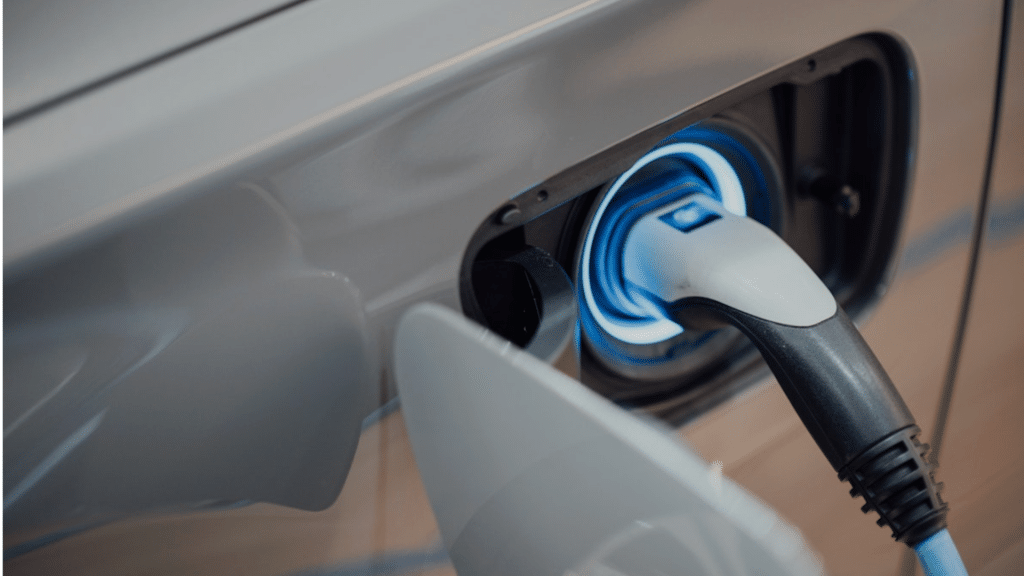
Electric vehicles feel like a clean break from the past. They do not have engines, alternators, or exhaust systems, so it is reasonable to assume they also moved on from traditional car batteries.
In reality, most EVs and hybrids in 2026 still rely on a 12V battery system. While it is smaller and less visible than the high-voltage traction battery, it plays a critical role in keeping the vehicle functional, safe, and responsive.
Understanding why this system still exists helps owners troubleshoot issues, plan replacements, and avoid inconvenient breakdowns that have nothing to do with the driving range.
The Role of the 12V System in Modern EVs
The high-voltage battery in an EV is designed to power the drivetrain, but it does not run everything. The 12V battery acts as the backbone for low-voltage electronics that must remain reliable and isolated from the main pack.
This includes systems such as:
- Electronic control units that manage everything from braking to climate control
- Door locks, windows, lights, and infotainment screens
- Safety features like airbags and hazard lighting
- Telematics, alarms, and keyless entry that stay active when the car is parked
When explaining maintenance basics, many guides point drivers toward resources that cover testing, jump starts, replacement options, and recycling in one place. A compact overview of performance-focused car battery choices is a helpful example of how general battery knowledge still applies, even in an EV context.
In short, if the 12V battery fails, the vehicle may not wake up at all, even if the main battery is fully charged.
How the 12V Battery Is Charged in an EV
Since EVs do not have alternators, the 12V battery is charged through a DC-DC converter. This component steps down power from the high voltage battery to maintain the 12V system. When the vehicle is on or in certain standby modes, the converter keeps the auxiliary battery topped up.
However, this setup also explains why failures can feel sudden. If the DC-DC converter does not activate due to software logic, a fault, or extended inactivity, the 12V battery can drain just like in a conventional car left unused.
Common Symptoms of 12V Battery Failure
Low-voltage issues in EVs often look strange to first-time owners. Instead of a slow crank, drivers may see a cascade of electronic warnings or complete unresponsiveness.
Typical symptoms include:
- Screens that flicker or fail to power on
- Error messages unrelated to driving systems
- Doors that will not unlock electronically
- The vehicle refuses to shift into drive
Because these signs mimic software glitches, the 12V battery is sometimes overlooked during diagnosis.
Lead Acid vs LiFePO4 Options
Most EVs still ship with traditional lead acid or AGM 12V batteries, largely due to cost and cold-weather reliability. Some manufacturers and aftermarket suppliers are moving toward lithium iron phosphate, or LiFePO4, for the auxiliary battery.
Each option has tradeoffs:
- Lead-acid batteries are familiar, widely available, and easier to recycle
- LiFePO4 batteries are lighter and can last longer, but may cost more upfront
- Cold temperature performance and compatibility vary by vehicle model
Owners should always confirm what their specific EV supports before switching technologies.
Replacement and Upkeep Basics
Replacing a 12V battery in an EV is usually straightforward, but there are added considerations. Some vehicles require specific shutdown or reset procedures to avoid triggering faults. Others need software recalibration after replacement.
Practical upkeep tips include:
- Paying attention to low voltage alerts in the vehicle or mobile app
- Avoiding extended parking without periodic wake-ups or charging
- Learning the manufacturer recommended jump start points and procedures
Jump-starting an EV uses the same principles as a conventional car, but incorrect connections can damage sensitive electronics.
Why the 12V Battery Still Matters
Despite rapid advances in EV technology, the 12V system remains a proven, standardized way to power critical electronics. It allows manufacturers to reuse reliable components, maintain safety redundancies, and isolate high-voltage systems from everyday controls.
For owners, this means one familiar maintenance item has not disappeared. Knowing how the 12V battery fits into the bigger picture can prevent frustration and help keep an EV dependable long after the novelty wears off.