Running high-volume, high-complexity events is less about creativity and more about systems that hold under pressure.
Once you move beyond small or mid-sized events into conferences, expos, or multi-day experiences with thousands of attendees, the challenges shift. You are no longer managing individual tasks. You are managing dependencies between registration systems, on-site logistics, attendee movement, data flows, and real-time decision-making.
At that scale, small inefficiencies compound quickly. A delay in check-in becomes a queue. A data mismatch becomes a badge issue. A missed update becomes a room full of people in the wrong session.
What separates successful large-scale events from problematic ones is not effort, but structure. The way logistics, technology, identity, and communication are designed together determines whether the event scales smoothly or breaks under volume.
Building Operational Systems That Scale Under Pressure
At a high level, large events fail when they rely too heavily on manual coordination.
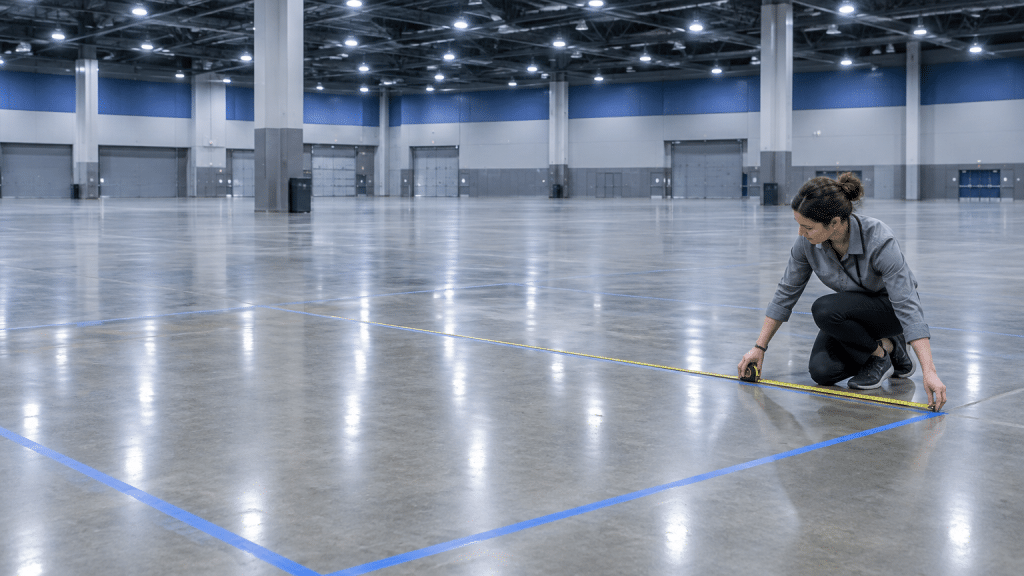
Event logistics alone already involve venue management, transportation, staffing, equipment, and scheduling, all of which must work together in real time.
Designing Around Flow, Not Tasks
Instead of thinking in terms of individual tasks like registration or session management, large-scale events need to be designed around flow.
This includes attendee flow through entrances, movement between sessions, and interaction with exhibitors or sponsors. Each of these flows has to be predictable and supported by systems that can handle spikes in demand.
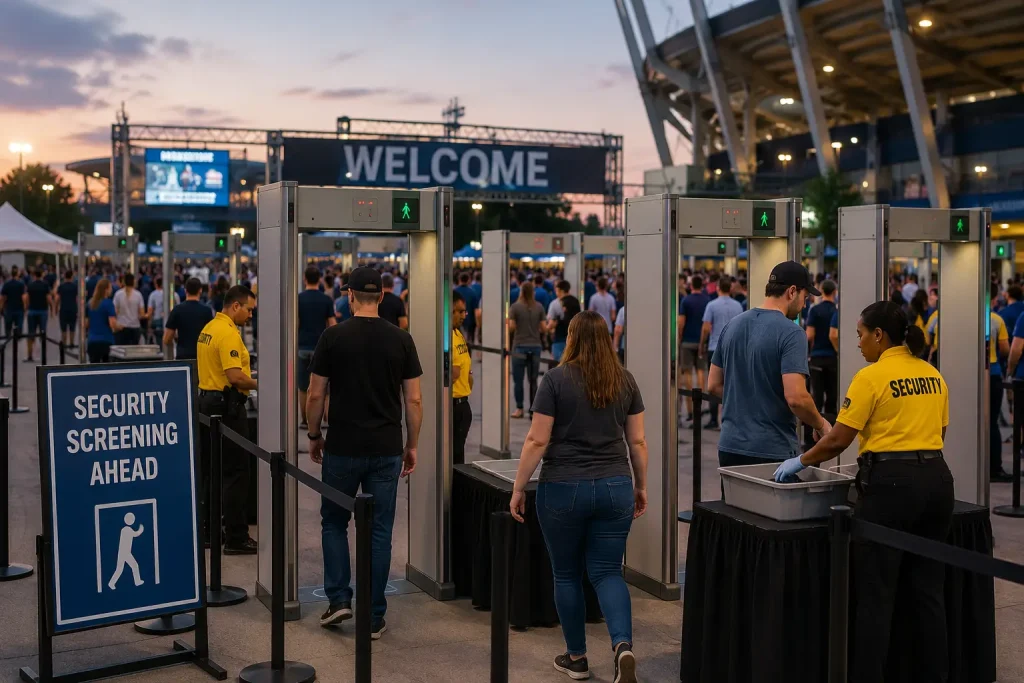
For example, check-in is not just a registration function. It is a throughput problem. Systems must be able to process large volumes of attendees quickly without creating bottlenecks.
Reducing Single Points of Failure
At scale, any single point of failure becomes critical.
If badge printing relies on one system and that system fails, the entire check-in process stops. If session updates rely on manual announcements, delays are inevitable.
Successful events build redundancy into key operations. This includes backup systems for check-in, offline capabilities for mobile apps, and clear escalation processes for on-site teams.
Coordinating Teams Through Shared Data
High-complexity events involve multiple teams working simultaneously.
Operations, marketing, sponsors, and technical teams all depend on the same data, but often access it through different systems. Without alignment, inconsistencies appear.
Centralised data systems reduce this risk. When attendee information, schedules, and updates are managed in one place, teams can operate from the same baseline, reducing errors and delays.
Managing Identity, Access, and Security at Scale
As events grow in size and complexity, identity and access management becomes a core operational requirement rather than a secondary concern.
This is particularly relevant in events with restricted areas, VIP access, multi-tier ticketing, or integrations with digital platforms.
Controlling Who Can Access What
Not every attendee should have the same level of access.
Speakers, sponsors, VIP guests, and general attendees often require different permissions. This applies not only to physical access, such as restricted areas or sessions, but also to digital access within event platforms.
Managing this manually becomes impractical at scale. Systems need to define and enforce access rules automatically, ensuring that attendees can only access what they are supposed to.
This is where a structured workforce identity system comes into play, allowing organisers to assign roles and permissions dynamically based on registration data or behaviour.
For a deeper look at how identity and access management frameworks support this kind of control, see Ory Workforce Identity and Access Management.
Integrating Identity Across Systems
In complex events, identity is not limited to one system.
Attendee data flows across registration platforms, mobile apps, check-in systems, and sometimes external tools like networking platforms or CRM systems.
If identity is not synchronised across these systems, issues appear quickly. Attendees may have incorrect access, duplicate profiles, or missing credentials.
A unified identity layer ensures that changes made in one system are reflected everywhere. This is especially important for real-time updates, such as last-minute ticket upgrades or session access changes.
Handling Security and Compliance
Large events also introduce security and compliance considerations.
This includes protecting attendee data, ensuring secure access to systems, and managing permissions for internal teams.
As events become more digital, particularly with hybrid or virtual components, these requirements extend beyond physical security into data protection and system integrity.
Leveraging Event Technology to Reduce Complexity
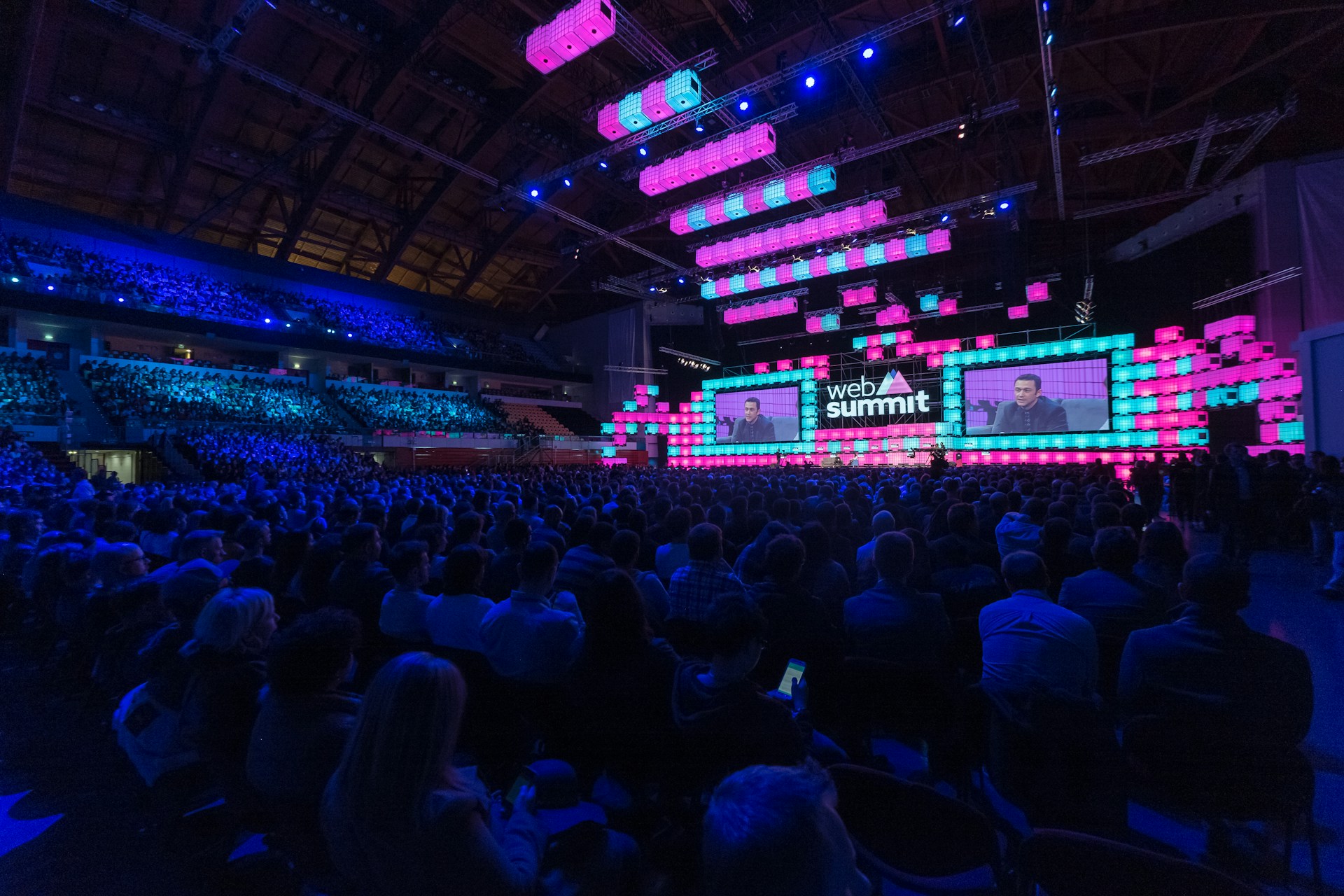
Technology is not just a support function in large events. It is what enables scale.
Modern event management platforms combine multiple functions, including registration, attendee tracking, communication, and analytics, into a single system.
Using All-in-One Event Platforms
All-in-one platforms reduce the need to manage multiple tools.
Instead of using separate systems for registration, communication, and engagement, these platforms centralise everything. This reduces data fragmentation and simplifies workflows.
Platforms like those used across the industry handle everything from ticketing to attendee engagement, which helps eliminate redundancies and improve efficiency.
Automating Repetitive Processes
Automation plays a key role in managing complexity.
Tasks such as registration confirmations, attendee segmentation, and session reminders can be handled automatically. This reduces manual workload and minimises errors.
Automation also allows systems to respond in real time. For example, when an attendee registers, their data can be automatically updated across all relevant systems without manual input.
This level of automation becomes essential as attendee numbers increase.
Enabling Real-Time Visibility
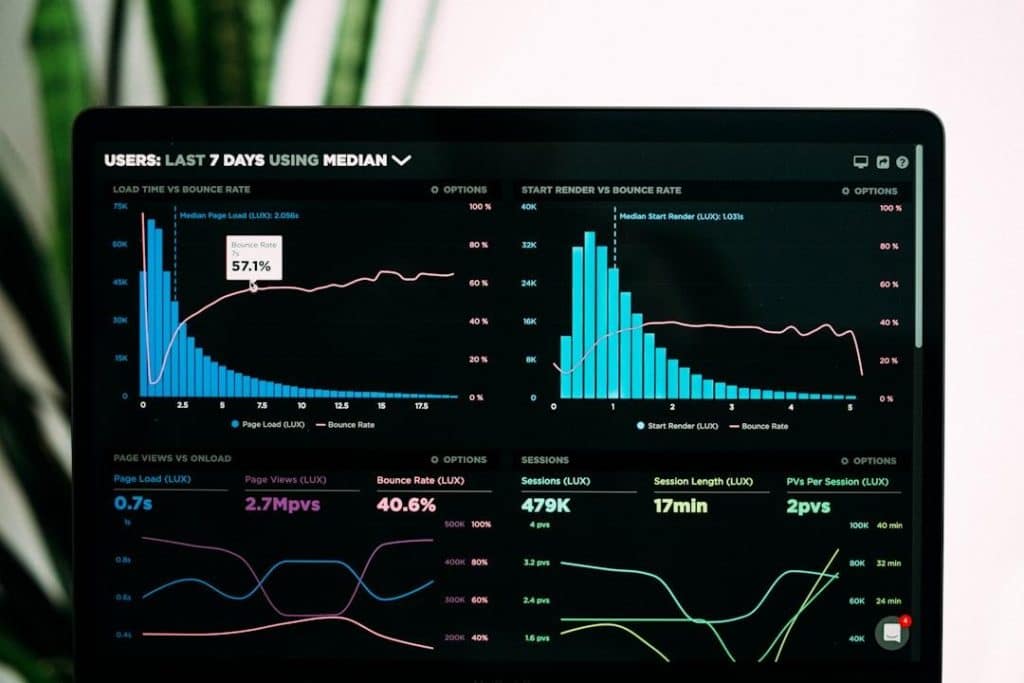
One of the main advantages of modern event technology is real-time data.
Organisers can track attendance, session engagement, and movement throughout the event. This allows for immediate adjustments, such as reallocating resources or managing crowd flow.
Without this visibility, decision-making becomes reactive and less effective.
Designing for Attendee Movement and Experience at Scale
At high volume, attendee experience is directly tied to how well movement and interaction are managed.
This is less about adding features and more about reducing friction.
Managing High-Density Environments
Large events often involve periods of high density, such as session transitions or networking breaks.
These moments require careful planning to avoid congestion. Layout design, signage, and scheduling all play a role in managing flow.
Even small adjustments, such as staggered session start times, can reduce pressure on specific areas.
Supporting Navigation and Information Access
Attendees need quick access to accurate information.
Mobile event apps have become a standard solution, allowing organisers to send updates, provide schedules, and communicate changes in real time.
These apps also reduce reliance on physical materials and on-site staff, which becomes increasingly important as event size grows.
Balancing Engagement With Practicality
While engagement tools are often highlighted, their effectiveness depends on how well they integrate with the overall event structure.
At scale, overly complex engagement features can create confusion rather than value.
The focus should be on tools that support the attendee journey without adding unnecessary steps.
Planning for Scale From the Start
One of the most common mistakes in large events is trying to scale a system that was not designed for it.
What works for a 200-person event often breaks at 2,000 attendees.
Choosing Scalable Systems Early
Event management software should be selected based on its ability to scale.
This includes handling larger attendee volumes, integrating with other systems, and supporting real-time updates.
Many platforms are designed specifically for this, offering features that support both small and large events without requiring a complete system change.
Testing Under Real Conditions
Testing is critical for high-complexity events.
Systems should be tested under conditions that simulate real attendee volumes. This includes load testing for registration platforms, check-in systems, and mobile apps.
Without this, issues often only appear during the event itself, when they are much harder to resolve.
Preparing for Edge Cases
High-volume events introduce scenarios that are easy to overlook.
These include duplicate registrations, last-minute changes, or unexpected spikes in attendance. Planning for these edge cases reduces the impact when they occur.
Turning Complexity Into a Controlled System
High-volume, high-complexity events are not inherently chaotic.
They become manageable when systems are designed to handle scale, data is centralised, and processes are automated.
The combination of structured operations, identity management, and integrated technology allows organisers to move from reactive problem-solving to controlled execution.
At that point, complexity stops being a risk and becomes something that can be planned, measured, and improved over time.