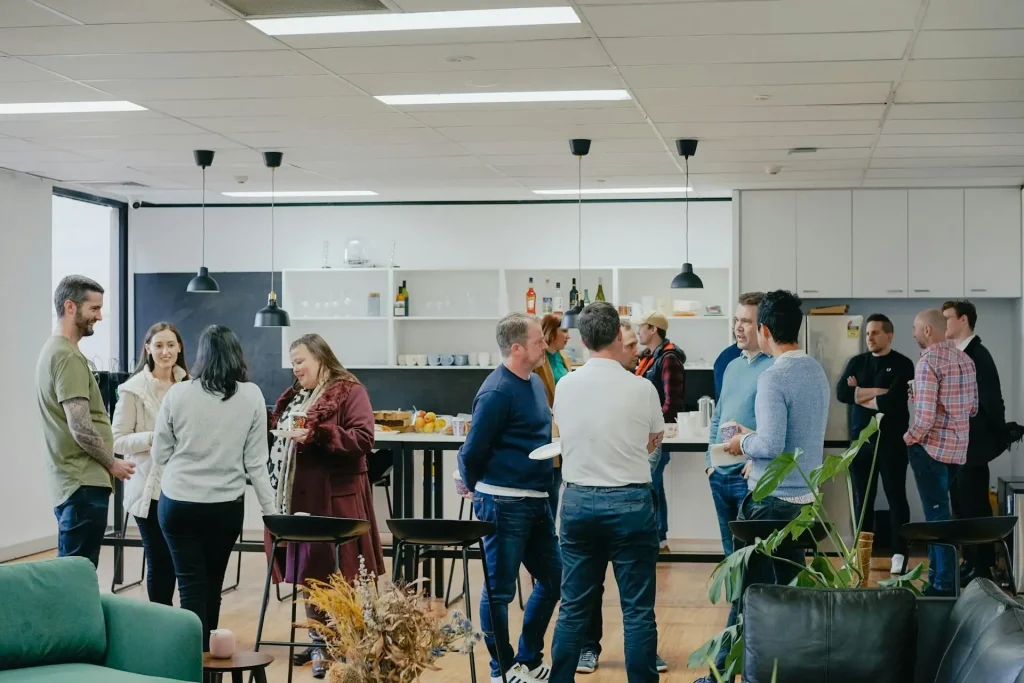
At first glance, finding the right roommate and planning a successful event might seem like entirely different challenges. One focuses on shared living, while the other centers on creating memorable experiences. However, both rely on a surprisingly similar foundation: compatibility, thoughtful organization, and an understanding of how people interact in shared spaces.
Event planners are increasingly borrowing ideas from other industries to refine their strategies, and the concept of “smart matching” is one of the most valuable. Just as individuals seek roommates who align with their habits, schedules, and personalities, event organizers aim to create environments where attendees naturally connect and engage.
Understanding how these principles overlap can lead to more efficient planning, better attendee experiences, and ultimately, more successful events.
Why Compatibility Matters In Event Design
Compatibility is the cornerstone of both roommate matching and event planning. In shared living, mismatched lifestyles can lead to conflict. In events, poorly aligned audiences, layouts, or programming can result in disengagement.
When planning an event, it is essential to think beyond demographics and consider behavioral patterns. Are attendees coming to network, learn, or simply be entertained? Do they prefer structured sessions or open, social environments? These insights help shape everything from the event schedule to the physical layout of the space.
Just as a compatible roommate can make a home feel harmonious, a well-matched event environment ensures attendees feel comfortable and engaged from the moment they arrive.
Data-Driven Decisions Improve Outcomes
Modern roommate platforms use data to match individuals based on preferences, habits, and priorities. Event planners can adopt a similar approach by leveraging data to guide decisions.
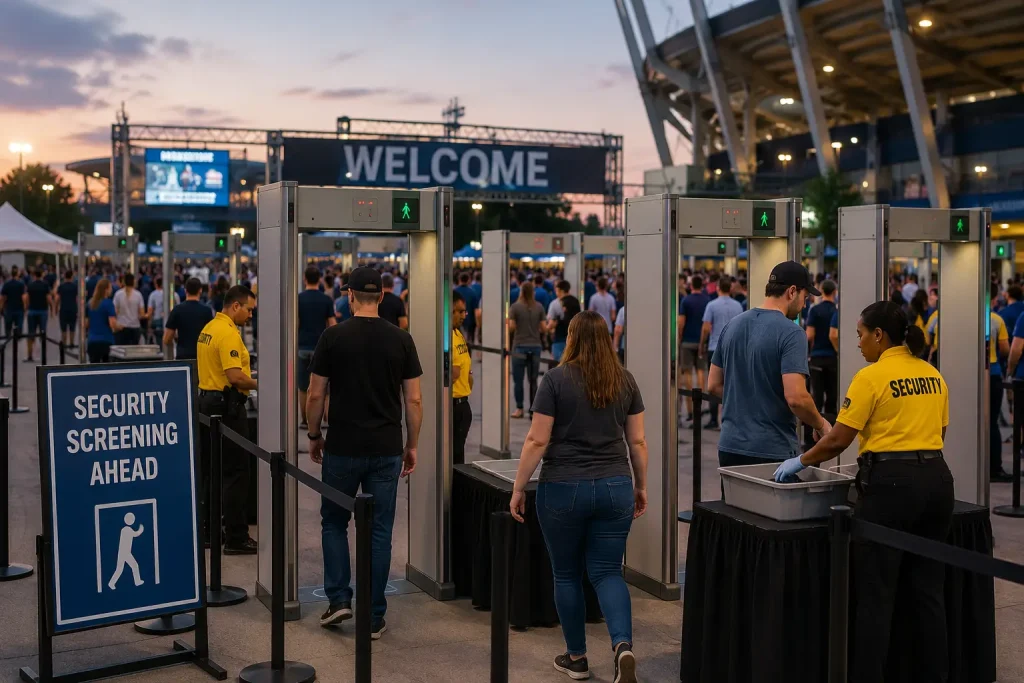
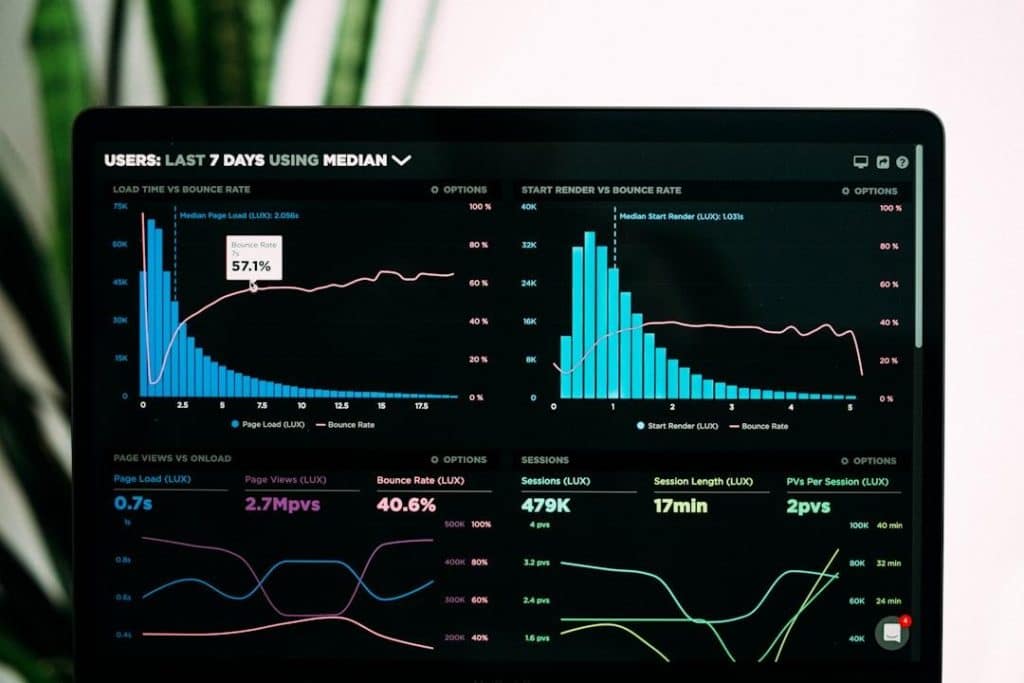
Registration data, past event feedback, and engagement metrics all provide valuable insights. For example, analyzing attendee interests can help determine which sessions to prioritize or how to group participants for workshops. Data can also inform seating arrangements, networking opportunities, and even traffic flow within a venue.
Technology has made it easier than ever to collect and interpret this information. Event tech platforms now offer tools that track attendee behavior in real time, allowing planners to make adjustments on the fly. This mirrors the way roommate-matching platforms refine recommendations to improve compatibility over time.
Personalization Creates Better Experiences
One of the biggest trends in both shared living and event planning is personalization. People no longer want one-size-fits-all solutions. They expect experiences tailored to their preferences.
In the context of roommate matching, this means connecting individuals with similar lifestyles or complementary routines. In event planning, it involves creating customized experiences for attendees.
This could include personalized agendas, targeted networking opportunities, or curated content tracks. For example, an event app might recommend sessions based on an attendee’s interests, much like a roommate platform suggests potential matches.
Even small touches, such as personalized welcome messages or tailored recommendations, can significantly enhance the attendee experience. When people feel understood and valued, they are more likely to engage and participate.
The Role Of Space In Shaping Interaction
Physical space plays a crucial role in both living arrangements and events. A well-designed home layout encourages comfort and functionality, while a thoughtfully planned event space promotes interaction and flow.
In roommate situations, shared areas like kitchens and living rooms are designed to balance privacy and connection. Similarly, event spaces should offer a mix of open areas for networking and quieter zones for focused activities.
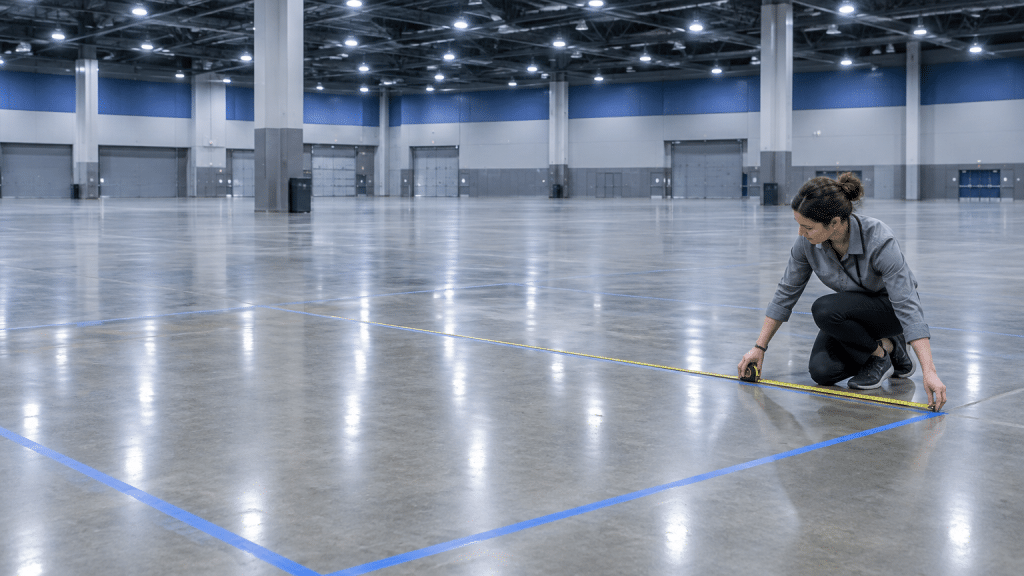
Strategic room layouts can influence how people move, interact, and engage. For instance, placing networking areas near entrances encourages early interaction, while breakout rooms provide opportunities for deeper conversations.
Event planners can also experiment with flexible layouts that adapt to different activities throughout the day. This approach mirrors the adaptability often required in shared living environments, where spaces must serve multiple purposes.
To achieve this level of versatility seamlessly, hospitality and home design experts frequently turn to space-saving innovations like Koala Sleeper Sofas, which allow a room to instantly shift its function from an elegant social lounge to a comfortable resting area without compromising on style.
Technology As A Matching Tool
Technology has transformed both roommate matching and event planning. Advanced algorithms, user profiles, and real-time data have made it easier to create meaningful connections.
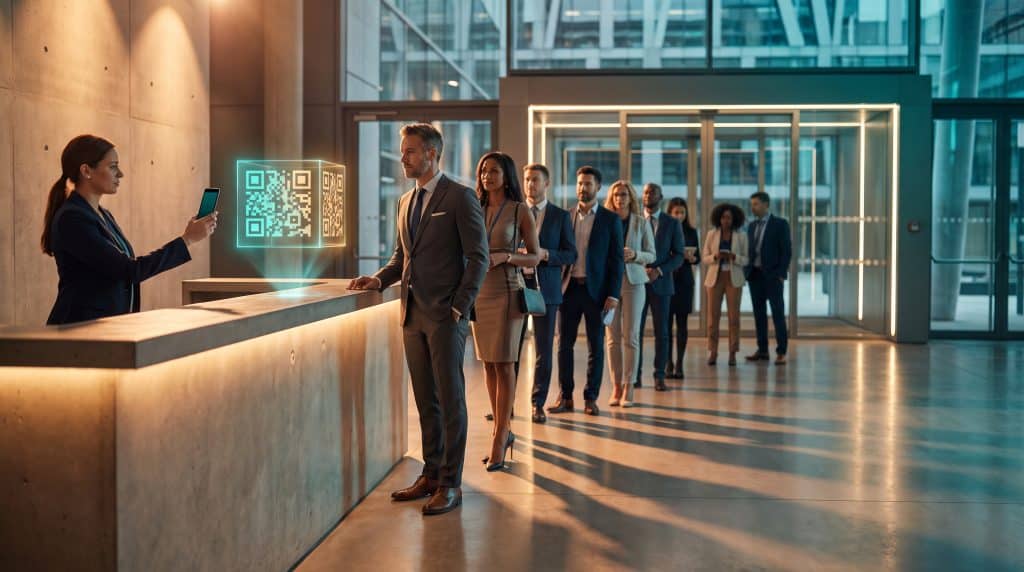
In the event space, technology can be used to match attendees with similar interests, recommend networking opportunities, and even facilitate introductions. AI-powered tools can analyze attendee profiles and suggest connections, much like roommate platforms pair individuals based on compatibility.
For those exploring shared living options, platforms like spareroom.com demonstrate how technology can simplify the process of finding the right match. Event planners can take inspiration from this approach by using tech to streamline attendee experiences and foster connections.
The key is to use technology as an enabler, not a replacement for human interaction. When implemented effectively, it enhances the overall experience without overshadowing the personal element.
Flexibility Leads To Better Results
Flexibility is essential in both shared living and event planning. Even the best matches and plans can encounter unexpected challenges, so adaptability is key.
In roommate situations, flexibility might involve adjusting schedules or sharing responsibilities. In events, it could mean modifying session formats, adjusting layouts, or responding to attendee feedback in real time.
Event planners who build flexibility into their strategies are better equipped to handle changes and improve outcomes. This might include having contingency plans, offering hybrid options, or using modular setups that can be easily reconfigured.
By embracing flexibility, planners can create events that feel dynamic and responsive rather than rigid and predictable.
Building Communities, Not Just Events
At their core, both roommate matching and event planning are about building communities. A good roommate relationship fosters a sense of belonging, while a successful event creates connections that extend beyond the venue.
Event planners can focus on creating environments that encourage meaningful interactions. This goes beyond simple networking and involves designing experiences that bring people together in authentic ways.
Community-building can be supported through interactive sessions, collaborative activities, and shared experiences. When attendees feel part of a community, they are more likely to engage, return for future events, and recommend the experience to others.
Lessons For The Future Of Event Planning
As event technology continues to evolve, the principles of smart matching will become even more relevant. Personalization, data-driven decision-making, and thoughtful design will play increasingly important roles in shaping the future of events.
By looking beyond traditional planning methods and drawing inspiration from areas like roommate matching, event professionals can create more engaging and effective experiences. The goal is not just to organize events, but to design environments where people naturally connect and thrive.
Ultimately, whether it’s pairing individuals in a shared home or bringing attendees together in a dynamic event space, the same principle applies: the right match makes all the difference.