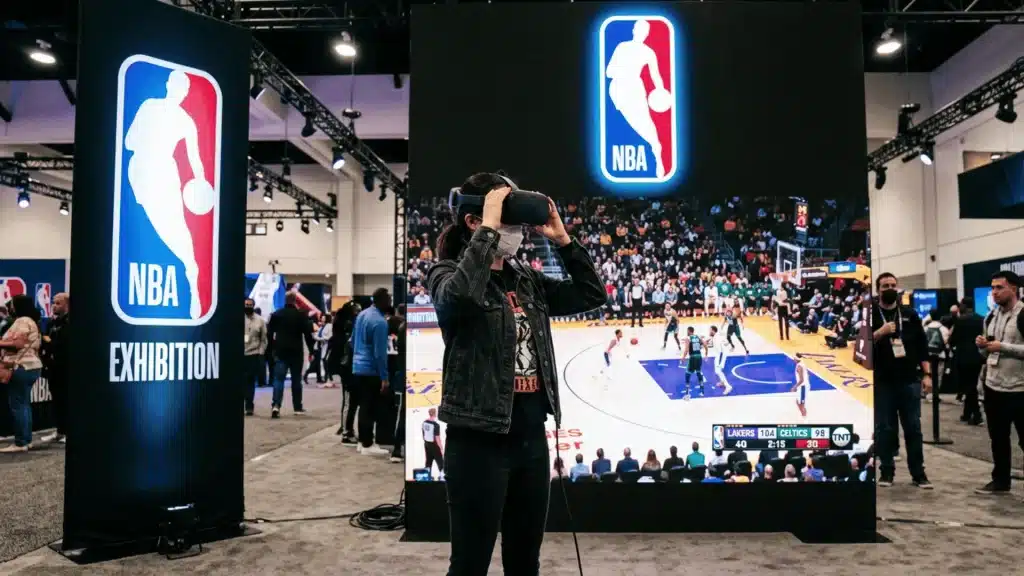
Technology may have initially been adopted because facial recognition check-in is fast but now, speed at the door and trust in the room are two different problems.
While most event organizers focus on setting up the technology, checking it out from time to time, and having their staff and speakers learn how to use it, others make sure that the technology is trusted while it is being used. In essence, there is a huge difference between setting up technology and having a good PR plan for the same technology.
The Trust Gap Isn’t About the Technology
Attendees are rarely distrustful of the use of facial recognition at events because they have come to associate the technology with things that take time or are less than 100% accurate (even though this is not typically the case with event check-in). But the technology does two things: it takes a photo of the attendee’s face, and then it does something with that photo after it has checked the person in. It is the latter that typically causes most concern.
Attendees usually don’t distrust facial recognition because it’s not accurate or because it takes too long. No, facial recognition at an event is usually distrusted because, after the scan is taken, attendees don’t have any idea what happens to their face. As already mentioned above, many attendees are already scared of facial recognition in general because of all the publications in newspapers and online about misuse in retail, police work, or online advertising.
They don’t know if their data is being deleted after the event or not. All they know is that their face has been scanned. That’s why the term “transactional” is so important. A badge or a QR code is something that’s clearly being used for the event.
A face is something that attendees wear with them all the time and that they can’t leave behind at the registration desk. That’s why the rules of data collection for facial recognition are different from all the other data that’s being collected during an event.
This is not a problem of the event organizer, who has probably done enough to make use of facial recognition at check-in, but a societal problem that the event organizer is then faced with. People have already read about many instances of misuse of facial recognition in retail, police forces, and for advertising purposes.
This has created suspicion towards the use of facial recognition, and most people are not yet willing to trust technology companies to use it responsibly.
A Pew Research Center survey found that 56% of Americans trust the police to use facial recognition responsibly, but only 36% are willing to give technology companies the benefit of the doubt, and 18% say that advertisers should not use facial recognition (Pew 2016).
The Opt-In Problem: Why “It’s Optional” Doesn’t Solve the Trust Gap
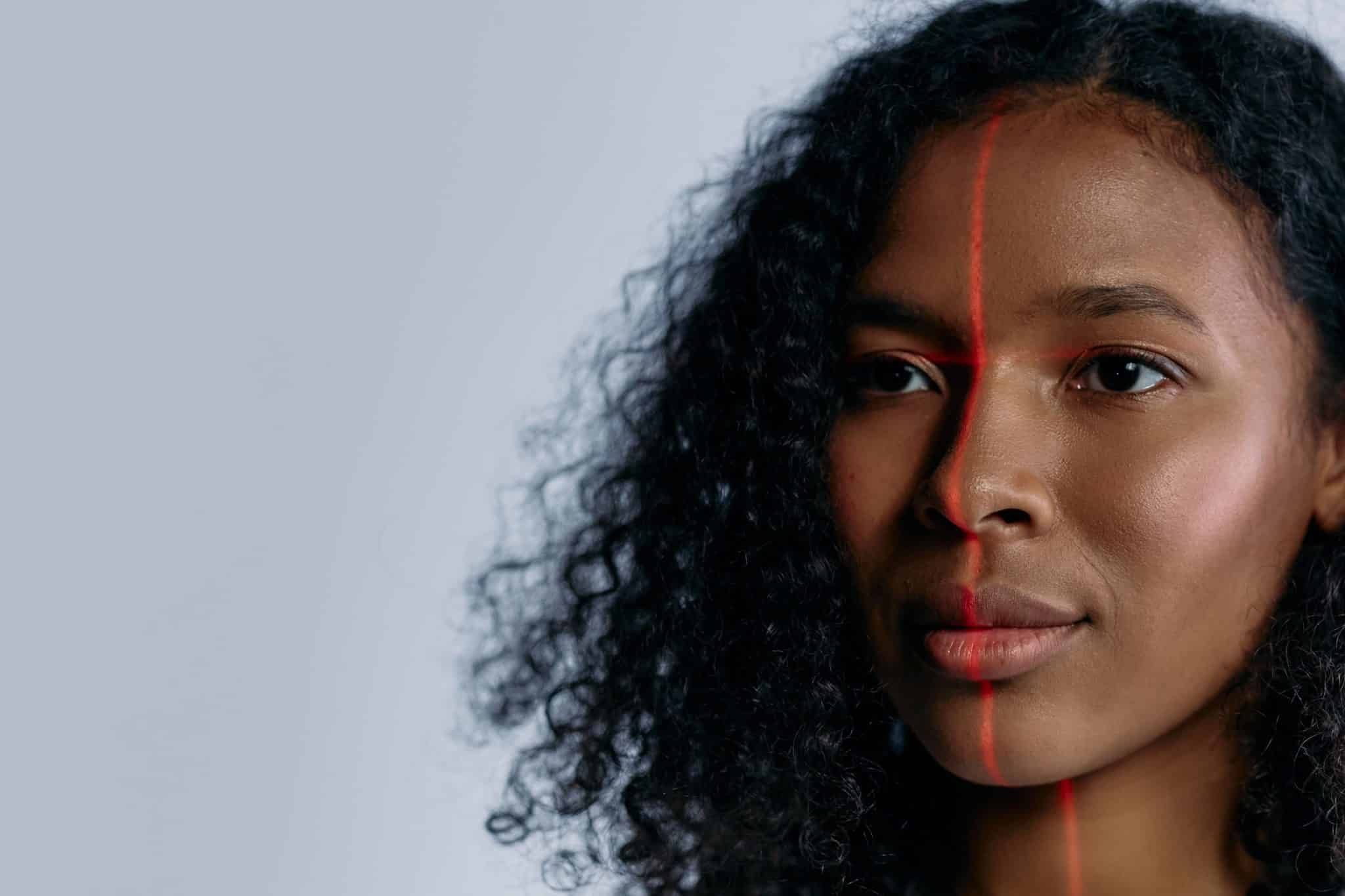
While it may appear as though offering a manual check-in option is the way to gain attendees’ trust in facial recognition, this too can have negative effects and doesn’t actually solve the problem of the trust gap.
Primarily, manually checking in creates the option of attendees’ choice in terms of privacy to be publicly ‘outed’ in front of their peers. No one wants to be the focus of attention when there is a simple alternative available. And this choice to manually check in, should be an informed decision and one that is made with due consideration, rather than under time pressure while standing in line with others also waiting to check in.
Second, the process of checking in is inherently stressful, and having to choose whether or not to provide a face print to check in while waiting in line for a badge is generally not the best setting in which to make an informed decision. And once you’ve made the decision in front of a line of people waiting to check in behind you, having to then explain to staff at the check-in desk why you’ve chosen not to provide a face print can be a very uncomfortable experience.
The option to check in using facial recognition and the option to manually check in with a badge are two completely different things. While both options are provided to attendees, the decision to choose one over the other usually occurs very quickly while attendees are waiting in line behind others. No one wants to be “that person” in line while everyone else is checking in behind them.
They are also likely to be distracted by the busyness of the registration area with a badge printer, tables, computers, etc. in the area.
So while attendees may have thought they wanted to provide a face for check-in prior to the event, when the time comes to actually check in, it is unlikely that they will be able to provide the same level of consideration and make the same decision as they would have done prior to the event.
A fourth problem that event staff face is how to handle attendees at check-in who want to know what is going to happen to their face data.
Most event staff are not briefed by the event company as to what the company’s policy is on this and so are not able to give any sort of answer as to how long data will be stored for, who will have access to the data, and what will happen to it after the event. This is usually the exact kind of briefing gap a public relations agency is hired to close before an event ever opens its doors.
Simply having an option to opt out of a biometric scan does not address the perception problems event organizers face, because merely offering an option does not in itself provide attendees with sufficient information to understand what is in their best interests to do. In effect, offering an option can only serve to decrease event organizers’ liability for subsequent misuse of an attendee’s information, while not addressing or even acknowledging attendees’ concerns regarding trust.
The problem that event organizers believe they are solving by enabling attendees to opt out of a biometric scan in fact is not solved by that option, because providing an option does not solve the problem that attendees are unable to make informed decisions regarding their own best interests when the option to opt out of a biometric scan is presented to them while standing in line to check in for an event.
What an Actual PR Plan for Biometric Check-In Covers
For many events, the following three elements are the sum of their facial recognition-based check-in program’s PR.
- Pre-event communication. This needs to be clearly outlined before the event. This should be explained in the confirmation email, on the FAQ page, in the event terms and conditions, etc. This should give attendees a good idea of what to expect before arriving at the event.
- On-site messaging. Signage at the check-in location should clearly explain how the check-in process works. Also make sure that the staff has a short script that they can refer to in case there are any questions that are outside of their ability to answer.
- Post-event follow-up. Provide proof to attendees that the data collected from them via facial recognition at the event was, in fact, deleted and handled as promised. Most event organizers fail to include this step in their event planning, which is unfortunate as it is proof positive that the promises made in the pre-event communications, on-site at the check-in area, and elsewhere were in fact real and kept.
This kind of transparency is not just good practice it is required in many places around the country, particularly in the States. In Illinois, for example, the Illinois Biometric Information Privacy Act (BIPA) requires written consent prior to the collection of a person’s or customer’s biometric information, including a face scan, and a clear statement of the purpose and duration for which such biometric information is collected and stored.
It is also the only state with a law regarding biometric data that allows for individuals to sue for damages as a result of a company’s violations.
Events from around the country have realized that over-explaining an event’s use of data handling and related issues for attendees makes them appear more trustworthy than an event that doesn’t make a big deal out of these matters and therefore seems to be doing nothing about them.
The Decision to Adopt and the Decision to Be Trusted Aren’t the Same Project
The decision to use facial recognition at an event and the project to gain trust in using facial recognition at an event are two separate projects. Most event managers only have the resources to properly manage one of these projects. That project would be the technology project to use facial recognition for check-in.
However, the technology project and the public relations project are two very different projects. The technology project would simply adopt facial recognition for check-in. The public relations project would be to gain the trust of attendees to use facial recognition for check-in.