Magnetic cables have become a popular choice for everyday charging, and it’s easy to see why. They offer quick plug-in convenience, reduce port wear, and work across multiple device types with the right connectors.
But, not every magnetic cable on the market delivers the same performance or value.
Some feel cheaply made, charge slowly, or fail within months. For buyers who want dependable performance without a high price tag, knowing what separates a great option from a poor one makes all the difference. These five tips break it down clearly.
1. Check the Connector Quality and Magnetic Strength
The connector is the heart of any magnetic cable. It sits inside the device’s port, and the cable tip attaches to it through magnetic force. If that connection is weak or poorly engineered, the cable may detach frequently, charge inconsistently, or fail to transfer data reliably.
A well-made connector is typically machined from solid metal rather than lightweight plastic. Buyers often look for aluminum alloy or stainless-steel tips because these materials resist oxidation and tolerate repeated attachment and removal better over time.
When comparing options such as Statik’s magnetic cables with lower-cost generic magnetic cable models, differences often come down to connector construction quality and how securely the tip maintains alignment inside the port during everyday use.
Magnetic pull strength also plays an important role. A cable that snaps into place with a noticeable click but releases smoothly with a gentle tug usually offers the best balance.
Too little force leads to accidental detachment, while too much can shift the device when disconnecting. Most reliable connectors operate within the 1,000 to 3,000 gauss range, and listings that don’t mention magnetic strength at all often indicate that this detail wasn’t a priority in the design.
2. Prioritize Charging Speed, Data Transfer Ratings, and Safety Certifications
A magnetic cable’s charging speed is only as fast as its internal wiring allows. Buyers should check for cables that support at least 18W fast charging, with premium options reaching 60W, 100W, or higher for laptop-grade power delivery. For daily smartphone use, 27W to 65W covers most fast-charging scenarios well.
Data transfer speed is equally worth checking. Some magnetic cables support only charging and carry no data at all. Others hit USB 2.0 speeds, which top out at 480 Mbps. For users who transfer large files, a cable rated for USB 3.0 at 5 Gbps or higher is a much better investment, even if the price is slightly higher.
Key Certifications and Specs to Look For
Safety certifications protect both devices and users. The most trusted marks to look for include:
- CE marking (required for electronics sold in Europe)
- FCC certification (required for electronics sold in the United States)
- RoHS compliance (confirms the product is free from harmful substances)
- MFi certification (required for any cable that connects to Apple devices)
Beyond certifications, buyers should check for built-in protections such as over-voltage protection, over-current protection, and short-circuit protection. These features guard against power surges and battery damage. A cable that lists no certifications and no protection features should raise a red flag, regardless of how appealing the price looks.
3. Evaluate Build Durability and Cable Materials
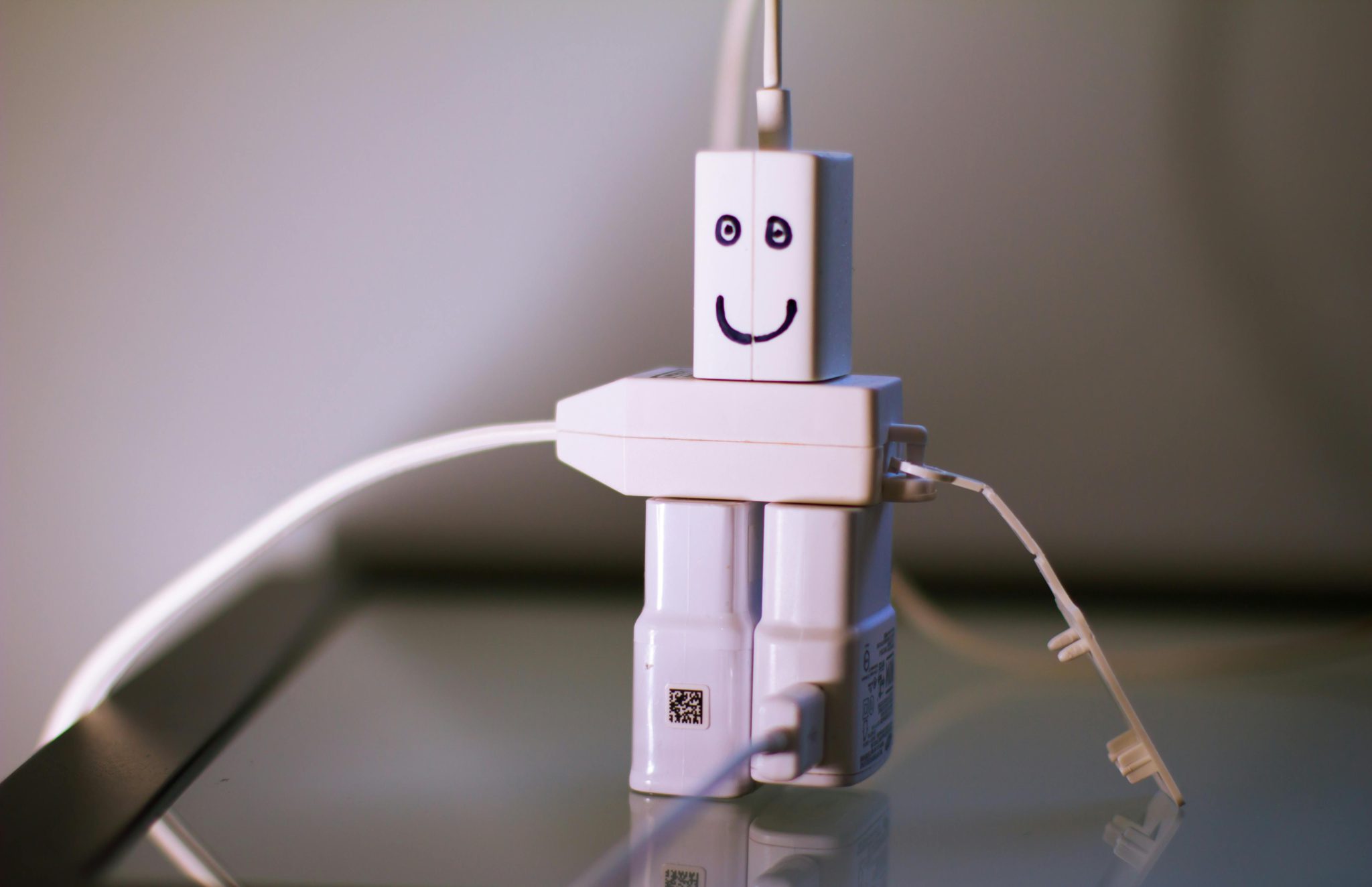
Charging cables fail at predictable points: near the connector ends, where the cable bends most often. A well-built cable addresses this directly through reinforced stress relief points and high-quality jacket materials.
Nylon braiding is one of the best outer materials available. It resists tangling, withstands repeated bending, and holds its shape far longer than standard rubber or PVC coatings. Some cables also feature double-braided nylon for added resistance to fraying. The internal wires matter just as much.
Pure copper conductors carry current more efficiently than aluminum wiring, which directly affects both charging speed and long-term reliability.
Bend tests are a practical benchmark. Quality cables typically survive between 10,000 and 30,000 bend cycles before showing any sign of wear.
If a product listing mentions bend-cycle testing, that’s a positive indicator of durability confidence from the manufacturer. If no such data appears anywhere in the product details, buyers should consider that a gap in transparency. Cables that feel noticeably stiff or too thin to the touch often fall apart faster than their price suggests they should.
4. Confirm Device Compatibility and Connector Type Support
One of the biggest advantages of magnetic cables is their ability to work across multiple device types through interchangeable connector tips. But, compatibility isn’t automatic. Buyers need to confirm that the cable and its connectors actually support the devices they own.
The three most common connector types today are USB-C, Lightning (for older Apple devices), and Micro-USB.
A quality magnetic cable system should come with tips for at least USB-C and Micro-USB, since these cover the widest range of modern Android phones, tablets, earbuds, and accessories. Lightning tips are also worth having for those who still use older iPhones or iPads.
It’s also important to confirm that fast-charging features carry through the magnetic connector. Some low-quality connectors act as a bottleneck, reducing a 65W cable to basic 5W charging simply because the connector pins can’t handle higher current.
Buyers should look for magnetic connectors with multiple contact pins rather than a single center pin. More pins generally mean better current distribution and faster, more stable power delivery across supported devices.
5. Compare Prices Smartly — Brand Value vs. Budget Alternatives
Price comparison for magnetic cables requires a bit more thought than a simple low-to-high sort. The goal is to find the point where build quality, feature set, and cost actually align, rather than pay a premium for a name or settle for something that breaks in a month.
As a general reference, a single magnetic cable with one or two connector tips should fall between $10 and $25 for solid everyday performance.
Multi-tip kits or cables with higher wattage ratings reasonably cost between $20 and $45. Anything priced below $8 with no listed certifications deserves extra scrutiny. Anything above $50 for a standard USB-C cable should come with a clear reason, such as USB4 speeds or 240W power delivery.
Reading verified reviews is one of the most practical steps a buyer can take. Reviews from people who have used the cable for three to six months give a much more accurate picture than launch-day ratings.
Buyers should also check the brand’s customer service policy. A manufacturer confident in its product will typically back it with at least a 12-month warranty. Short or nonexistent warranties are often a sign that the product’s lifespan matches the low price, not the promise on the packaging.
Conclusion
A great magnetic cable doesn’t have to come with a high price tag. By focusing on connector quality, charging and data specs, material durability, device compatibility, and smart price comparison, any buyer can find a product that delivers real value.
These five tips cut through the noise and point toward options worth the investment, regardless of budget.