A phone upgrade used to be as simple as replacing your old device with the newer version and moving on.
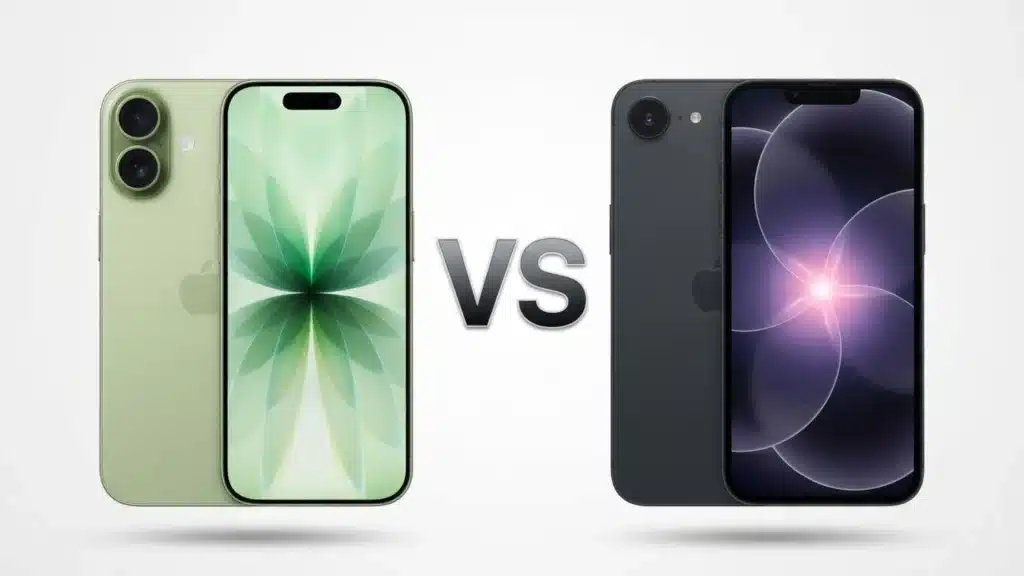
Now, the decision feels heavier, and with constant online debates and ongoing comparisons, many people are wondering: are people leaving Apple for Android?
The question does not come from statistics alone. It comes from conversations at work, group chats, and social feeds that make switching seem more common than ever.
Choosing a smartphone today is tied to habits, identity, and everyday convenience.
When familiar patterns start to shift, even slightly, it sparks curiosity to see if this is just curiosity at play, or if real preferences are beginning to change.
The iPhone Loyalty Era: Is it Fading?
Apple’s strong customer loyalty began after the 2007 iPhone launch, driven by tight hardware and software integration, a premium ecosystem, and brand status.
Retention climbed steadily, as users stayed for exclusivity and the Apple App Store’s reliability.
As per Forbes, a BankMyCell survey of more than 38,000 iPhone trade-ins found that Apple’s customer retention dropped from 92% in 2018 to 73% in 2019.
About 26.2% of iPhone X users switched to another brand when upgrading.
In contrast, only 7.7% of Samsung Galaxy S9 users moved to iPhone. Meanwhile, iOS accounted for 36% of U.S. phone sales, reflecting changing upgrade behavior.
Are People Leaving Apple for Android?
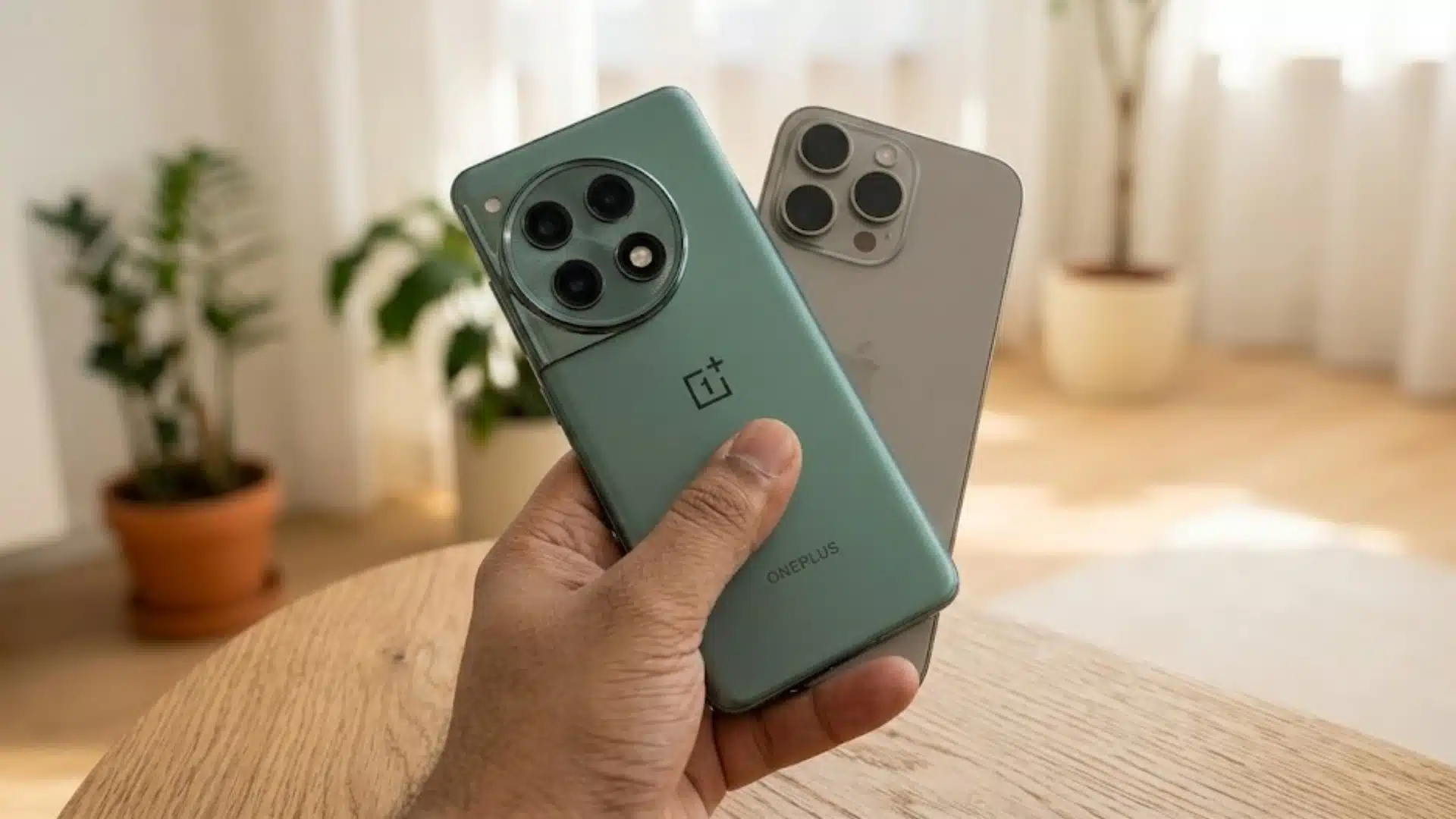
No, people are not leaving Apple for Android in large numbers.
While some users do switch platforms each year, the data does not show a mass migration away from the iPhone.
Apple continues to maintain strong customer loyalty, as evidenced by retention rates in recent years.
Android brands also maintain strong loyalty, with major manufacturers like Samsung seeing steady growth in retention. Platform movement happens, but it is gradual rather than dramatic.
Most users stay within their chosen ecosystem, and those who switch typically do so based on personal preferences and evolving needs.
The shift reflects individual priorities, not a collapse of either brand’s position in the market, and balancing the equation of Android being better than iPhone or vice versa.
Why Some Leave Apple & Others Stay Loyal?
Platform decisions often reflect shifting expectations rather than dissatisfaction. Some users feel drawn toward alternatives as their preferences evolve, while others remain committed.
| Why Some Users Transition | Why Others Remain with Apple |
|---|---|
| Prefer deeper control over home screens, widgets, and system customization | Value a consistent interface that feels familiar year after year |
| Want a wider range of device choices across different price segments | Appreciate tight integration between iPhone, Apple Watch, iPad, and Mac |
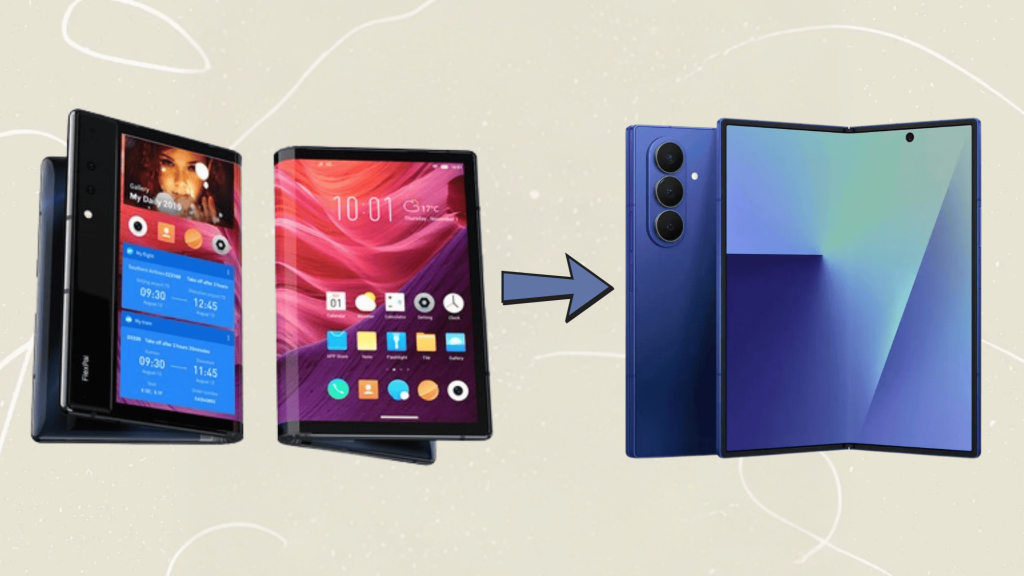
| Seek specific hardware formats, such as foldable or stylus-focused devices | Rely heavily on services like iMessage, FaceTime, and AirDrop |
| Prioritize competitive pricing or more frequent hardware experimentation | Trust Apple’s long-term software updates and resale strength |
| Look for maximum hardware value per dollar | Prefer a refined ecosystem |
Is Social Media Exaggerating the Apple-to-Android Shift?
Online platforms often amplify individual switching stories, making isolated decisions appear like sweeping trends.
A single viral post about leaving iPhone for Android can generate thousands of reactions, reinforcing the idea of a larger movement.
Tech influencers, comparison videos, and debate threads further intensify this perception by framing routine upgrade choices as dramatic shifts.
In reality, social media highlights strong opinions more than steady behavior. Most users quietly stay within their preferred ecosystem.
While digital conversations shape awareness and spark curiosity, they do not always reflect broader market data, where platform changes tend to happen gradually over time.
Real Users’ Experiences on Switching from iPhone to Android
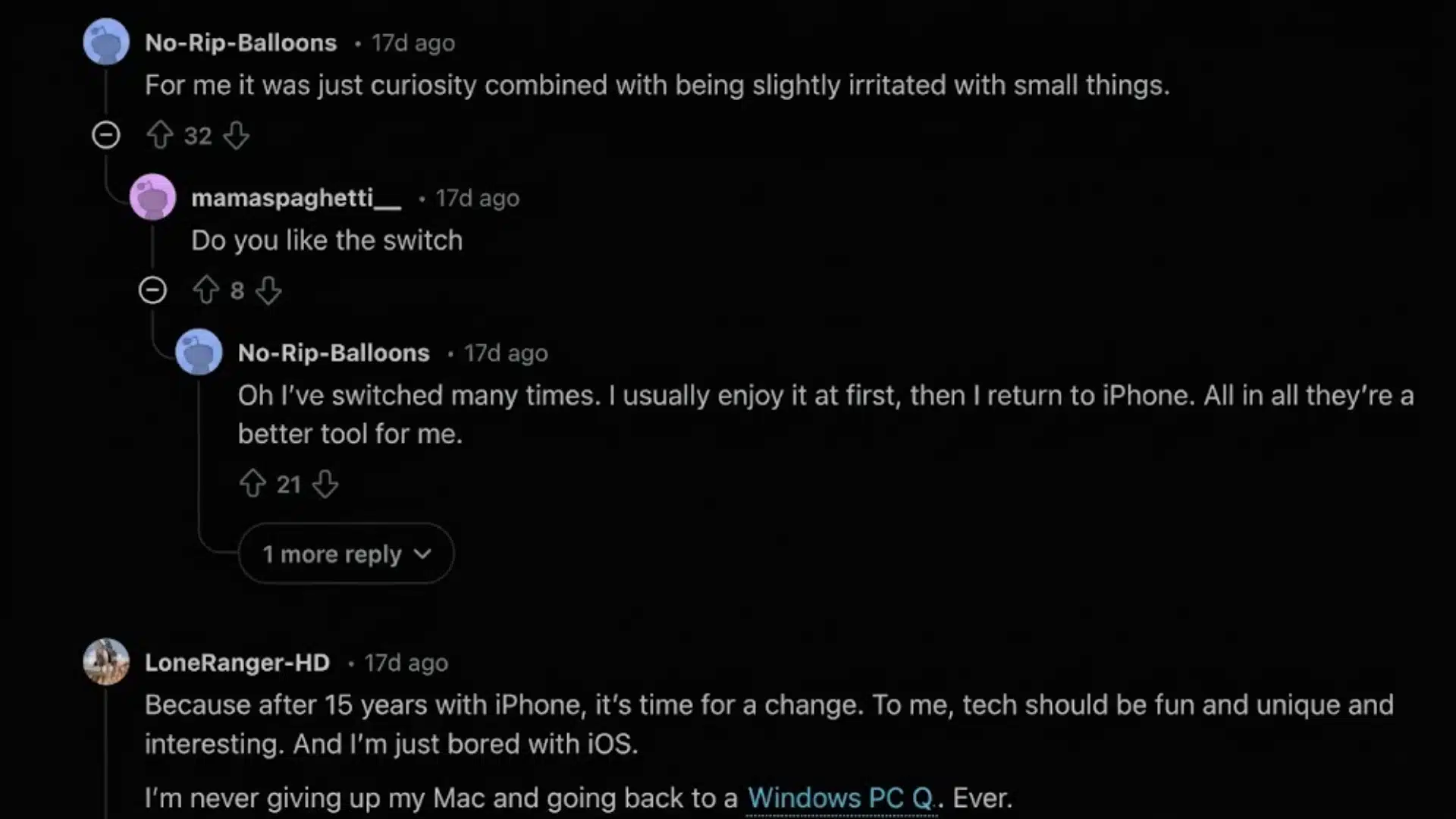
Reddit users share mixed but passionate reasons for moving from iPhone to Android.
A common theme is boredom with iOS and a desire for something different after years in Apple’s ecosystem.
Many mention feeling restricted by Apple’s rules, limited customization, and paywalled apps.
Android is often praised for offering greater control, flexible settings, better multitasking, and practical features like easier file transfers and universal back gestures.
Several users highlight frustration with recent iOS updates, alarm issues, battery life concerns, and notification handling.
Pixel and Samsung devices receive strong praise for clean software, smooth performance, and value for money. Still, some admit they miss Apple’s build quality and long software support.
Apple or Android: What Fits Your Lifestyle?
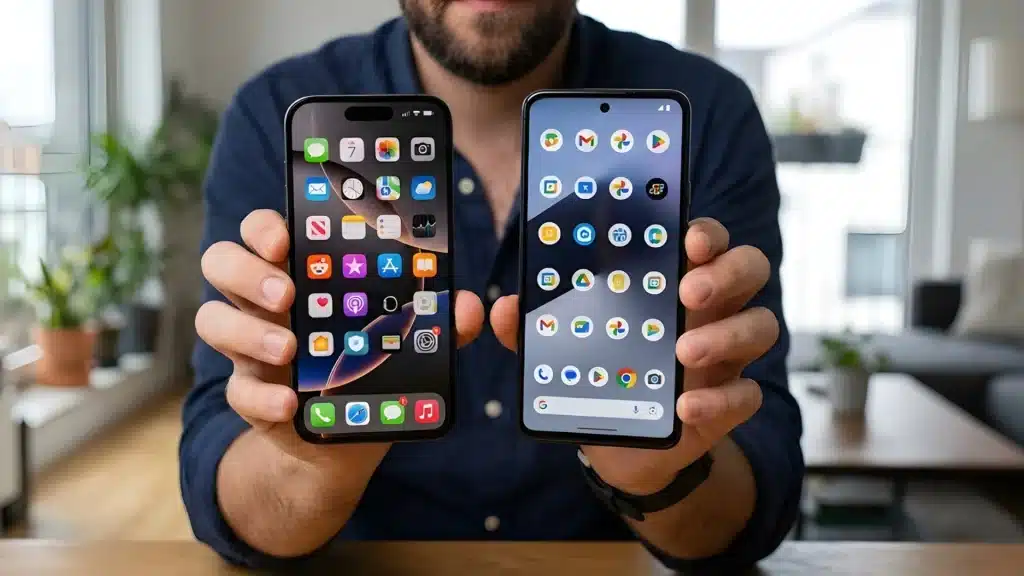
Choosing between Apple and Android depends on phone brand choice by age and gender, daily habits, budget cycles, and long-term device plans.
Apple devices typically offer 5 to 6 years of software support, while many premium Android phones now provide similar extended update timelines.
iPhones currently range from $599 to $1,999, and Android phones offer a wider spread, starting at around $200 for budget options and reaching $2,899 for premium tri-fold devices.
Moving from iPhone to Android is relatively straightforward, thanks to built-in data transfer tools that migrate contacts, photos, and messages.
Challenges may include app purchases and differences in subscriptions.
With RCS improving cross-platform messaging, communication barriers are gradually becoming less restrictive.
Conclusion
The idea behind the question are people leaving Apple for Android sounds dramatic, but the reality is far more balanced.
Most users remain with the platform that fits their habits, while a smaller group switches when their needs change.
Loyalty on both sides remains strong, and shifts occur gradually rather than in sudden waves.
The real takeaway is simple: the best choice depends on how you use your phone, how long you keep it, and what matters most in daily life.
If an upgrade is on the horizon, focus on what supports daily life rather than online noise.
Have you switched between Apple and Android, or are you planning to? Share your experience in the comments below.