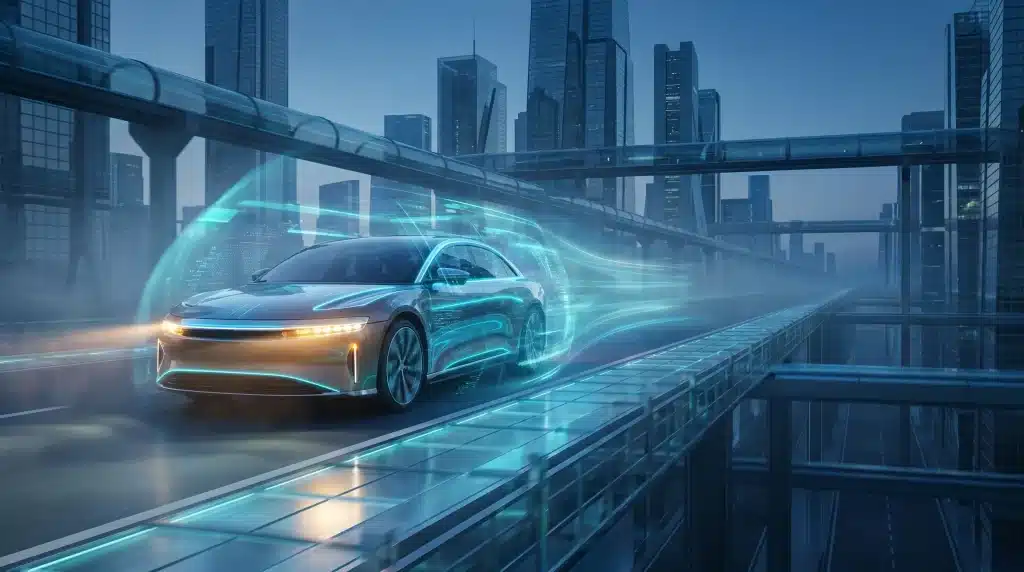
Your car already knows more about how you drive than you probably realise. Every time you brake hard or pull onto a motorway, modern vehicles log that information, and insurers are paying close attention.
The way providers work out your car insurance premium is changing, with connected vehicles feeding real-time data to underwriters and AI helping them price risk on the fly. You could end up paying less if you drive well, but rising repair costs on newer models are pushing claims in the other direction.
Connected Cars and Real-Time Data Pricing
If you bought your car after 2018, there’s a strong chance it already sends data to the manufacturer through built-in sensors and a mobile connection. Insurers are starting to use that information to offer usage-based policies.
Telematics-based cover has already proved popular with younger UK drivers, and take-up is growing across other age groups. Instead of paying a flat annual premium based on what insurers assume about you, your price could adjust according to how smoothly you brake and how many miles you cover each month.
ADAS Technology and the Rising Cost of Repairs
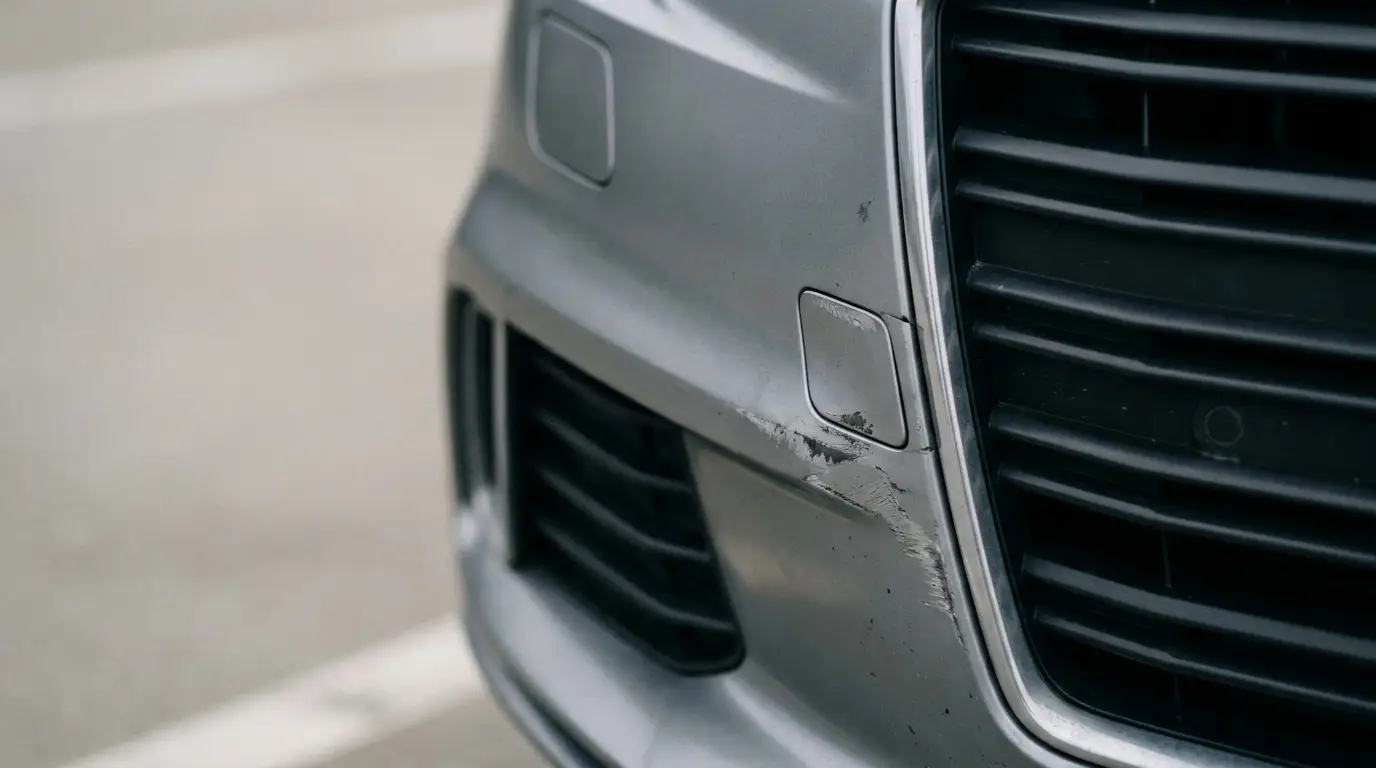
Advanced Driver Assistance Systems like automatic emergency braking and lane-keeping assist are helping prevent accidents on UK roads. But they also make even minor bumps far more expensive to fix. A cracked front bumper on an older car might cost a couple of hundred pounds to sort out. On a vehicle with radar sensors and cameras behind that same panel, the bill can run into thousands once a technician replaces the parts and recalibrates the sensors.
The ABI reported that the average accidental damage claim in Q1 2026 reached £3,699, up 8% on the previous quarter. That extra cost feeds directly into premiums, so drivers of newer, tech-heavy models may find themselves paying more even without ever having made a claim.
Artificial Intelligence and Dynamic Insurance Pricing
AI models can now process hundreds of data points, from your braking patterns to local weather conditions, and adjust pricing far more frequently than a human underwriter ever could.
For you as a driver, this creates a real opportunity. If you consistently drive carefully, an AI-powered policy can reward that behaviour with a lower premium at renewal or even mid-term. Opt into telematics or app-based tracking so the insurer has enough data to work with, without it, they’ll still price you on estimates.
Autonomous Vehicles, Liability Shifts and Future Insurance Models
Fully self-driving cars aren’t on UK roads just yet, but semi-autonomous features already come as standard on many new models. The Automated Vehicles Act 2024 laid out a legal framework for when Level 4 vehicles arrive and one of its biggest consequences centres on fault. When a car drives itself and something goes wrong, liability moves from you to the manufacturer or software provider.
For now, check that your policy accurately reflects the autonomous features your car already has – it could affect both your cover and what you pay.