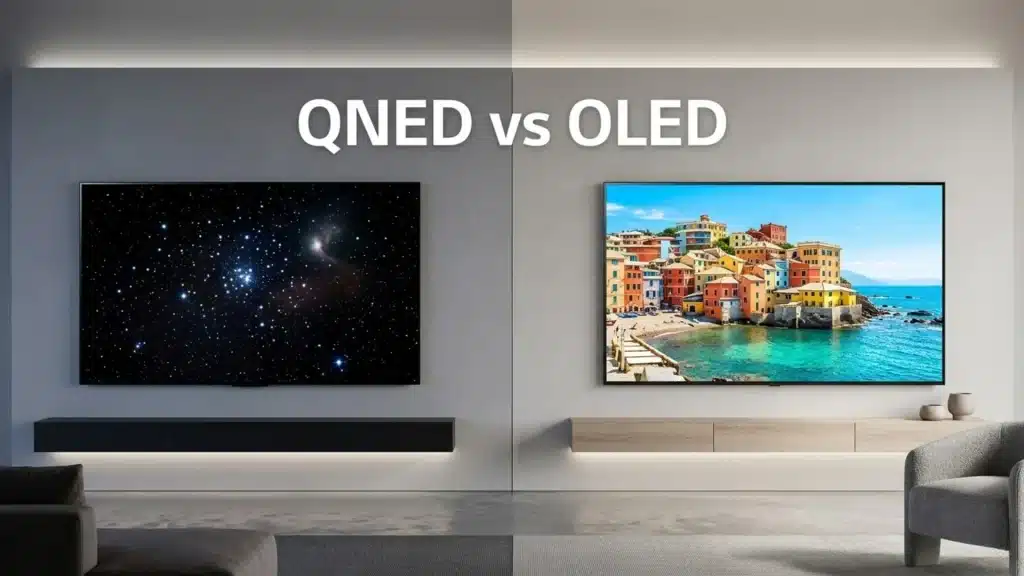
Buying a new TV should feel exciting, but it often turns confusing the moment you look at the specs.
Terms like Mini LED, Quantum Dot, and self-lit pixels start popping up, and it becomes hard to tell what any of it really means for your living room.
I have spent years helping people set up their home entertainment, and one question comes up almost every time someone is about to buy a TV.
Do you really need to spend more on OLED, or is QNED good enough? That is exactly what I am breaking down in this guide.
When it comes to QLED vs OLED, both are designed to solve different problems: one focuses more on brightness and price, while the other is built for a more cinema-like viewing experience.
By the end, you will have a clear idea of how each technology works, where each one stands out, where they fall short, and which one actually makes sense for your setup.
Quick Overview of QNED and OLED
QNED stands for Quantum Nano-Emitting Diode, and I see it as LG’s way of improving traditional LED TVs by combining several technologies into a single setup.
It uses Mini LED for backlighting, along with Quantum Dot and NanoCell layers, which together help boost brightness and improve color output compared to a standard LED panel.
OLED, or Organic Light-Emitting Diode, works in a completely different way, and I find this is where most of the confusion starts.
Instead of using a backlight, each pixel lights up on its own, which removes the need for any extra lighting layer behind the screen.
One thing I always point out is brand availability. QNED is limited to LG, while OLED is available from LG, Sony, and Samsung, so you get more options when choosing a model.
This comparison matters more than ever because both sit in the premium TV space, and I often see buyers comparing them when upgrading from older TVs.
If you want to spend your money wisely, it helps to clearly understand what each technology is actually offering.
How QNED and OLED Actually Work?
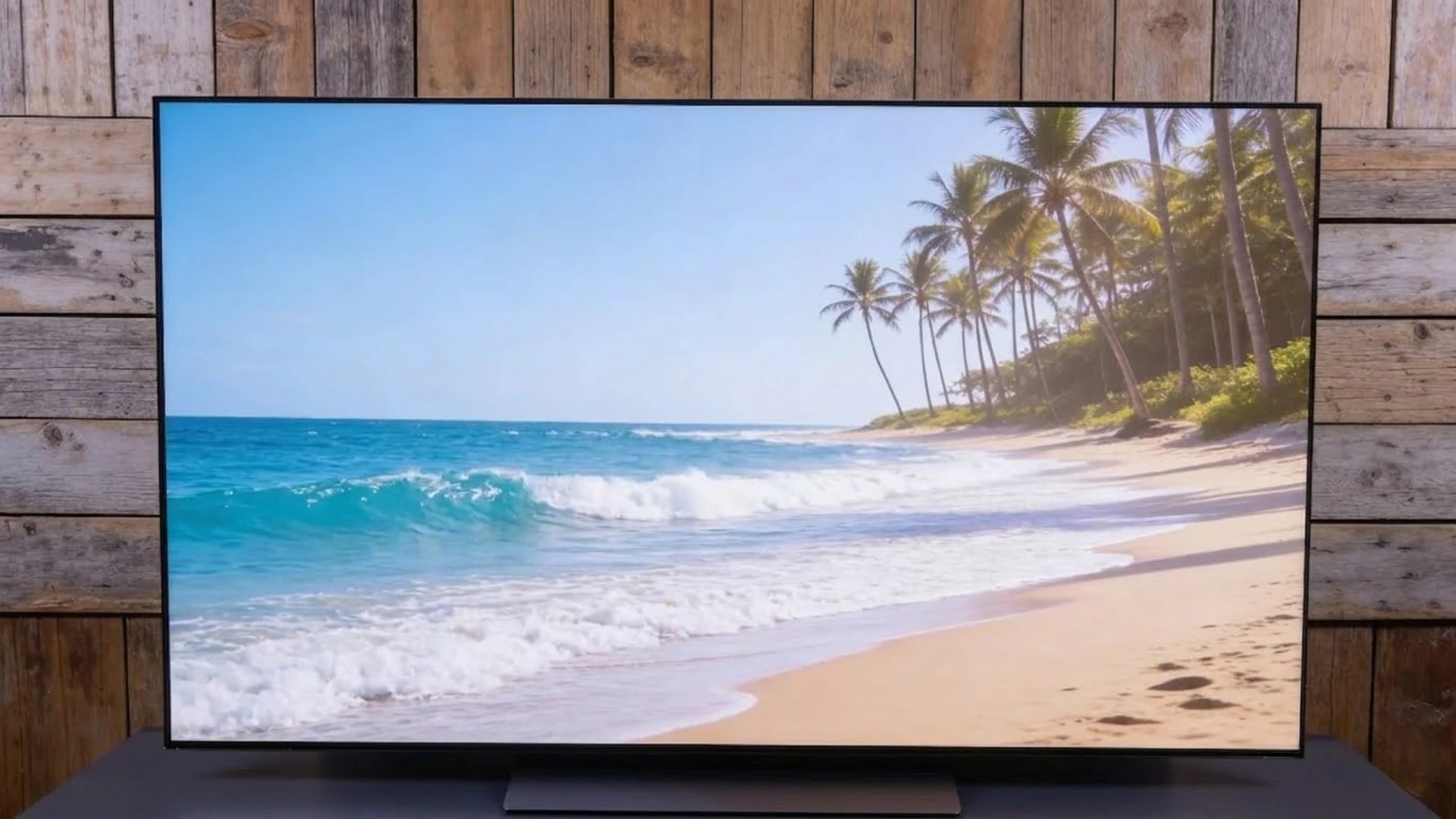
The biggest difference between these two comes down to where the light is generated, and that one detail affects almost everything you see on screen.
In a QNED display, thousands of Mini LEDs sit behind an LCD layer. These lights are grouped into local dimming zones, and in some cases, up to 2,500 zones can work together.
They turn on and off in clusters to control brightness across different parts of the screen. OLED works much more simply. Each pixel creates its own light, so there is no need for a backlight at all.
Every pixel can be completely turned off when needed. This pixel-level control gives OLED a clear edge in certain situations.
It is most noticeable in dark scenes, like night shots or space visuals, where bright elements sit right next to deep shadows.
A backlit panel like QNED can get close, but it cannot match that level of precision in the same frame.
QNED vs OLED Picture Quality: Contrast and Color Compared
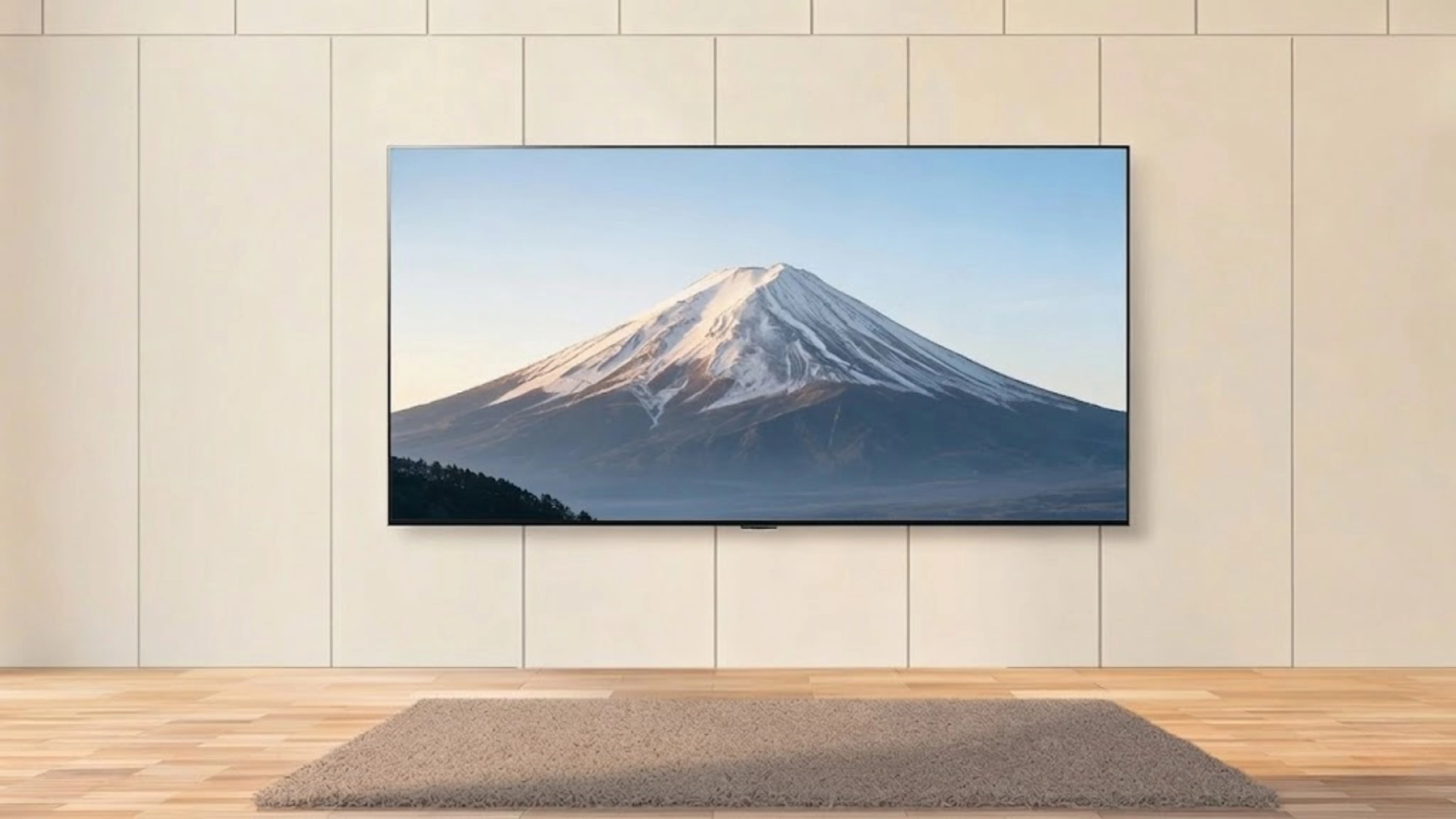
Picture quality is where the difference between these two becomes easy to notice. Across contrast, brightness, color, and viewing angles, each one has its own strengths.
Knowing which of these matters more in your setup makes the decision much simpler.
1. Contrast and Blacks
OLED handles contrast in a way that still feels unmatched. Since each pixel can be fully turned off, black areas look truly black, not gray or washed out.
In dark scenes, the screen blends into the background, which makes movies feel more immersive.
QNED does a solid job with local dimming, and high-end models can support up to 2,500 zones, a big step up from older LED TVs.
Still, those zones control groups of LEDs, not individual pixels, so some light bleed can show around bright objects. This is why blooming can appear in darker scenes, even on premium QNED panels.
2. Brightness Levels
Brightness is where QNED clearly stands out in most real-world setups.
With a dedicated backlight, it can push well beyond 1,000 nits and even exceed 2,000 nits on higher-end models, making it much easier to watch in bright rooms.
Sunlight, windows, and overhead lights do not wash out the image as much. OLED has improved a lot, and newer flagship models can reach very high brightness levels, but those are usually expensive options.
In the mid-range, OLED still feels dimmer compared to QNED. For rooms with a lot of light during the day, this difference becomes very noticeable and can affect everyday viewing.
3. Color Accuracy and Range
OLED delivers colors that feel natural and balanced, especially in darker scenes where subtle tones matter more. Because each pixel controls its own light, color transitions look smooth and accurate.
QNED, with its Quantum Dot and NanoCell layers, delivers bright, punchy colors that look great in HDR content.
At times, these colors can feel slightly boosted compared to a calibrated OLED. That said, newer QNED models have improved significantly and now support full-color volume, which helps close the gap.
Both technologies support formats like HDR10, HLG, and Dolby Vision, so streaming content looks good on either option.
4. Viewing Angles
OLED has a clear advantage in viewing angles. Since light comes directly from each pixel, the picture stays consistent even when viewed from the side.
Colors remain accurate, and contrast does not drop much.
QNED uses IPS-based panels, which are better than older LCD types for side viewing, but some contrast loss and slight color shift can still be noticed at wider angles.
This becomes important in larger rooms where people sit in different positions.
If the seating is spread out or not directly in front of the screen, OLED tends to maintain a more consistent viewing experience for everyone.
QNED vs OLED for Gaming: Performance and Features Compared
Gaming performance is one area where the difference between these two becomes easy to notice, especially if fast response and smooth motion matter in your setup.
OLED stands out with its extremely fast response time, going as low as 0.1ms, which is much quicker than the 1ms range seen on top QNED panels.
This makes a difference in competitive gaming, where even small delays can affect how responsive the game feels. Motion also looks cleaner, with less blur and fewer trails behind fast-moving objects.
Both QNED and OLED support HDMI 2.1 on most mid and high-end models, which means features like 4K at 120Hz, VRR, and ALLM are available for consoles and gaming PCs.
QNED still performs well for most gamers and handles modern titles without issues.
It also avoids concerns around static elements like HUDs or menus staying on screen for long sessions, which can be a factor for some users.
OLED vs QNED Design: Which TV Looks Better on Your Wall?
Design is one area where the difference is easy to notice the moment the TV is on a wall. OLED panels are extremely thin, with some models measuring just a few millimeters at the display section.
Since there is no backlight behind the screen, the overall structure stays slim and clean. This makes OLED a strong choice for wall-mounted setups, especially when a flush look is important.
From an installation perspective, OLED tends to sit closer to the wall, giving it a more premium, minimal appearance.
It works well in setups where the TV is meant to blend into the space or look like part of the decor.
QNED TVs are thicker because they feature a Mini LED backlight. Newer models have become slimmer, but they still do not match the thin profile of OLED.
This means they stick out a bit more when wall-mounted, which may matter for buyers focused on design.
OLED Burn-in vs QNED Lifespan: Which TV Lasts Longer?
Burn-in is often the biggest concern people raise about OLED, and it is worth understanding properly rather than assuming the worst.
Burn-in can occur when static elements like news tickers, game HUDs, or logos remain on-screen for thousands of hours in the same spot, leading to uneven pixel wear over time.
Modern OLED TVs have improved a lot in this area. Brands like LG, Sony, and Samsung now include features like pixel shifting, logo dimming, and automatic refresh cycles to reduce the risk.
In most homes, where content keeps changing and screens are not left paused for long periods, burn-in is not an issue in regular use.
The risk becomes more relevant in specific cases, such as watching the same news channel all day or playing one game for long hours every day with static elements on-screen.
QNED does not have this issue at all since it uses LCD technology, so there is no burn-in risk. For setups with heavy, repetitive use, especially with static visuals, QNED is the safer long-term option.
Smart TV OS Comparison: WebOS vs Google TV vs Tizen
Smart features play a big role in daily use, and this is one area where the experience often depends more on the brand than the display type.
LG uses WebOS across both QNED and OLED models, so the interface stays the same no matter which one you pick. It is known for being clean, easy to navigate, and quick when opening apps.
WebOS supports all major streaming platforms like Netflix, Disney+, Apple TV+, and Amazon Prime Video, so there are no gaps in content access.
The way we consume content on these platforms has shifted dramatically over the years, and understanding how streaming changed the way we watch TV helps explain why smart OS compatibility matters so much in a modern TV purchase.
Sony’s OLED TVs run on Google TV, which offers deeper integration with Google services and includes built-in Chromecast.
Samsung uses Tizen on its OLED models, which integrates well with SmartThings but feels more limited when paired with Apple devices.
Across all three platforms, app support is strong, and regular updates help improve features over time.
QNED vs OLED Real User Opinions: What Buyers Are Saying
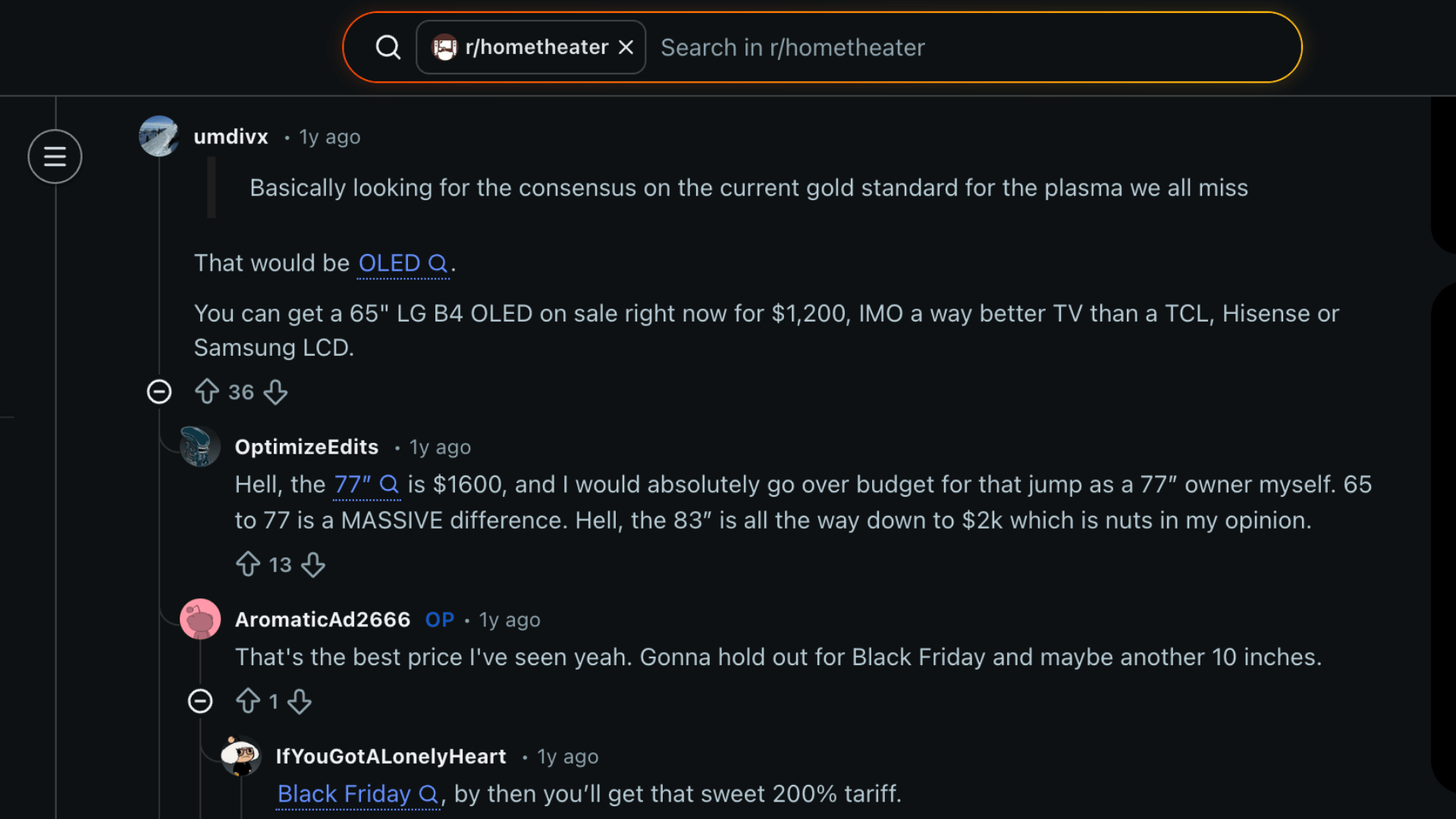
Reddit user feedback often clarifies the QNED vs OLED decision, especially when people share long-term experiences.
Some OLED users say the picture quality still feels worth it even years later, with deep blacks and rich colors standing out the most despite the higher price at the time.
On the other hand, buyers who picked Mini LED or QNED-style TVs highlight how much brightness matters in daily use.
In bright rooms, higher brightness makes a visible difference, where OLED can struggle during the day.
Users also point out that higher-end QNED models with strong dimming zones deliver impressive contrast and solid overall performance.
In the end, these opinions show a clear pattern. OLED wins for pure picture quality, while QNED makes more sense for bright spaces and practical everyday viewing.
QNED vs OLED Price Comparison: Which Offers Better Value?
Price is where the difference between these two becomes very clear, especially as screen sizes increase. OLED sits in the premium range, and the cost rises quickly with size.
A 65-inch OLED from brands like LG or Sony usually starts around $1,200 to $1,500 for mid-range models, while flagship versions can go well beyond $2,500. Larger sizes like 77 inches push the price even higher.
QNED is more accessible and offers better value for bigger screens.
A 65-inch QNED typically falls between $700 and $1,100, and even larger sizes like 75 or 86 inches stay within a range that feels more practical for most buyers.
For budgets of $800 to $1,000, QNED delivers a strong viewing experience, and the gap between it and entry-level OLEDs has narrowed over time.
If size matters more for the price, QNED makes more sense. If picture quality is the main focus and budget is not a concern, OLED justifies the higher cost.
QNED vs OLED: Which One is Better for You?
Choosing between these two depends on how the TV will be used, since each one is built to perform better in different everyday viewing situations.
- Best for cinema: OLED offers true blacks, better contrast, and more natural colors, which makes it the better choice for movies, especially in darker environments
- Best for brightness: QNED handles bright rooms better with higher peak brightness, making it easier to watch during the day without the image looking washed out
- Best for gamers: OLED is better for fast-paced gaming due to quicker response time, while QNED suits long sessions without concerns around static elements
- Best value option: QNED provides larger screen sizes at lower prices, making it the more practical choice for buyers looking to maximize value within a set budget
- Best all-rounder: QNED offers a mix of good brightness, solid performance, and no burn-in concerns, making it a safer choice for varied daily usage
Conclusion
At the end of the day, the QLED vs OLED debate does not really have one clear winner. It comes down to what works best for your space, your budget, and how you actually use your TV.
OLED is the one that grabs attention instantly, especially when you see it in a showroom, but QNED often makes more practical sense once it is set up in a real living room.
I have seen this decision play out many times, and the biggest mistake is choosing based only on specs.
It helps to think about your room lighting, how people sit while watching, and what you use the TV for most of the time.
Whether it is movies, gaming, or regular daily use, those answers matter more than any number on a spec sheet.
If you are still unsure, share your setup details and budget, and it becomes much easier to narrow it down.
What matters more to you when buying a TV, picture quality, price, or long-term reliability? Leave a comment below and let us know.