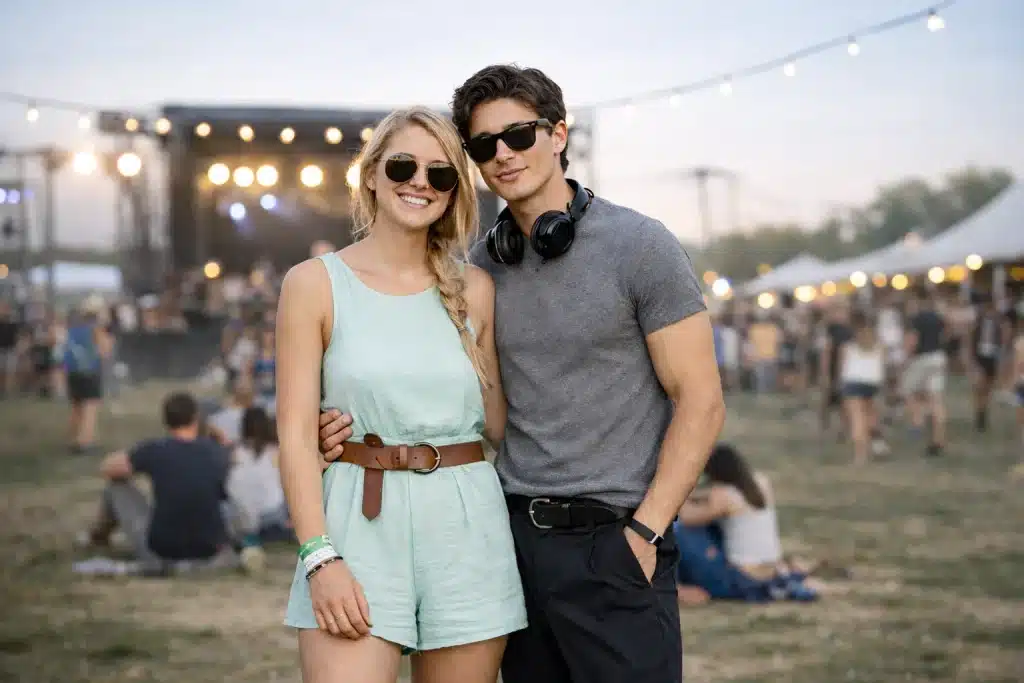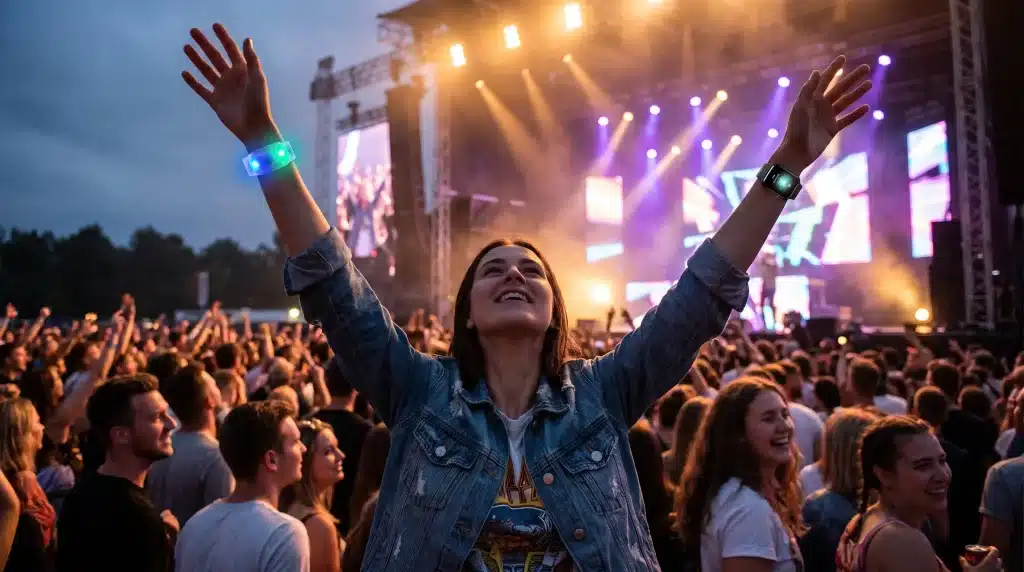
Live events have always been about presence: the sound of the crowd, the movement of people, the energy of the room, and the feeling that something is happening in real time. But the way people experience those moments is changing. Wearable technology is making live events more connected, more personal, and more interactive without always requiring attendees to hold a phone in their hands.
Live Events Are Becoming More Connected
Modern events are no longer limited to what happens on stage. Attendees now expect smoother entry, real-time updates, easy communication, digital tickets, interactive content, and personalized experiences. Technology supports all of that, but wearable devices are making the experience feel more natural.
Instead of asking attendees to constantly check a screen, wearables can help them move through an event with less friction. A wristband may support access control. A smartwatch may deliver alerts. Smart eyewear may help capture content hands-free. These tools can make the event feel more fluid because they stay with the attendee throughout the experience.
This connects with the wider shift toward on-site technology shaping hybrid event experiences. When technology supports the full attendee journey, from arrival to participation to follow-up, live events become easier to manage and more engaging to attend.
Wearables Can Make Entry and Movement Easier
One of the most practical uses of wearable technology is access. At large events, the check-in process can shape the first impression. Long lines, paper tickets, slow badge printing, and unclear entry points can affect the mood before the event even begins.
Wearable devices such as RFID wristbands and smart badges can help attendees move through spaces more efficiently. They may support faster check-in, session access, cashless payments, attendee tracking, or sponsor engagement, depending on the event setup.
This kind of technology can be especially useful at:
- Conferences
- Music festivals
- Trade shows
- Sports events
- Brand activations
- Corporate events
- Multi-session industry gatherings
For organizers, wearable tools can also provide useful data about attendee movement, session attendance, and engagement patterns. Boomset’s RFID management tools show how wearable technology can help events manage access, track attendance, and collect more useful onsite data without making the experience feel overly complicated.
Smart Eyewear Is Changing Event Content Capture

Live events are naturally visual. People want to capture the stage, the crowd, the atmosphere, the reactions, and the moments that make the event memorable. Traditionally, that means pulling out a phone, opening the camera, and recording from behind a screen.
Smart eyewear changes that experience. With meta sunglasses, attendees can see how eyewear is evolving into a hands-free way to support content capture, audio, and connected features while still looking like familiar sunglasses.
For events, this matters because some of the best moments happen quickly. A speaker says something powerful. A performer enters the stage. A friend reacts to a surprise. A crowd erupts. Smart eyewear can make it easier to capture short first-person clips without stepping out of the moment completely.
This does not mean every attendee should record everything. The best use is selective: short clips, meaningful moments, and respectful recording.
Hands-Free Technology Helps Attendees Stay Present
One reason wearable technology is appealing at live events is that it can reduce phone dependence. Phones are useful, but they can also pull people out of the experience. Attendees may spend more time looking down at a screen than paying attention to the people, speakers, performers, or activities around them.
Wearables can make small interactions easier. A smartwatch can show a schedule reminder. A wristband can handle entry. Smart glasses can capture a quick clip. Earbuds can support translation, navigation, or audio updates.
The value is not that wearables replace the event experience. It is that they can support it quietly in the background.
Wearable Tech Can Make Events More Personal
Personalization is becoming a bigger part of live events. Attendees do not all come for the same reason. Some want networking. Some want learning. Some want entertainment. Some want sponsor interactions. Others want content they can share later.
Wearable technology can help create more personalized experiences by connecting attendee behavior with event systems. For example, an attendee’s badge or wristband may help organizers understand which sessions are popular, where crowds gather, or which areas need better flow.
That information can help improve:
- Session planning
- Crowd management
- Sponsor reporting
- Follow-up communication
- Personalized event recommendations
- Attendee experience design
The broader event industry has been moving toward more data-informed experiences, with many organizers using digital tools to understand attendee behavior and improve engagement. Guidance on event technology and attendee engagement shows how digital tools are becoming central to planning, managing, and improving live experiences.
Privacy and Consent Still Matter
Wearable technology also brings real concerns. Devices that collect data, track movement, record video, or connect to apps should be used with clear expectations. Attendees need to understand what information is being collected and how it may be used.
This matters for organizers and attendees. Event teams should be transparent about RFID tracking, badge scanning, photography rules, and data collection. Attendees using recording devices should also respect privacy, especially in private conversations, restricted areas, children’s spaces, VIP sections, or professional settings where recording may not be appropriate.
Smart eyewear creates an added responsibility because the camera can feel less obvious than a phone. A simple rule works well: if recording with a phone would feel intrusive, recording with glasses probably is too.
Connected devices also require basic security habits. The FTC’s guidance on securing internet-connected devices is useful because wearables may involve apps, accounts, stored media, permissions, and wireless connections.
What Organizers Should Consider Before Using Wearables
Wearable technology should solve a clear event problem. It should not be added only because it feels modern.
Before using wearable tools, organizers should ask:
- Will this improve entry, movement, or engagement?
- Is the technology easy for attendees to understand?
- What data will be collected?
- How will privacy be explained?
- Does it integrate with the event platform?
- Will it make the attendee experience smoother?
- Is there a backup process if something fails?
The strongest event technology feels almost invisible. It helps attendees move, connect, learn, and participate without making the event feel mechanical.
The Future of Live Events Is More Wearable
Wearable technology is likely to become a larger part of live events because it fits the way people already behave. Attendees want convenience, personalization, and memorable content. Organizers want smoother operations, better data, stronger engagement, and more useful follow-up.
The future may include smarter badges, more personalized wristbands, wearable payment tools, AI-supported eyewear, real-time translation devices, and connected accessories that help attendees navigate events with less friction.
But the best future will not be about adding technology everywhere. It will be about using the right tools in the right moments.
Final Thoughts
Wearable technology is changing live events by making them more connected, convenient, and interactive. RFID wristbands can improve access and attendee flow. Smartwatches can support reminders and alerts. Smart eyewear can help people capture moments from their own point of view.
The real value is not the device itself. It is the way wearable technology can support the event experience without pulling people away from it.
For organizers and attendees, the goal should be balance: use technology to make live events smoother, more memorable, and more personal, while still protecting privacy and preserving the human energy that makes live events worth attending.