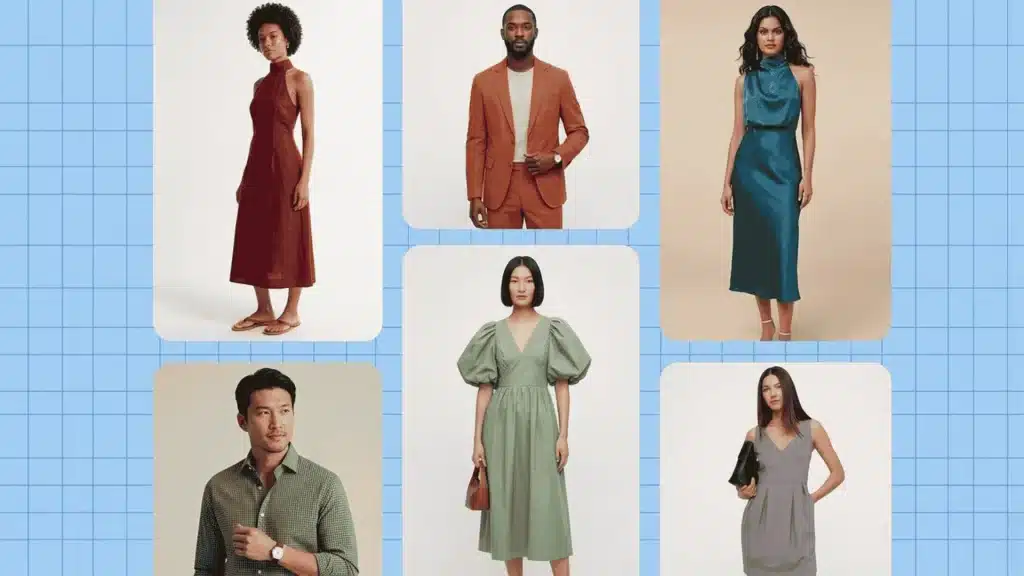
The invite arrives, and everything looks great until you hit those two words: dress code. Suddenly, the fun stops, and the overthinking begins.
You are absolutely not alone in that moment. Most event guests Google the dress code immediately after receiving an invitation.
I have spent years in hospitality watching even the most confident attendees freeze when they are unsure what to wear.
The truth is that dress code types are not designed to stress you out. They are designed to help you show up feeling prepared, comfortable, and right at home in the room.
This guide breaks down every major dress code so you never have to guess again.
Why Understanding Dress Code Types Matters for Attendees
Dressing appropriately for an event is about far more than fashion. It signals respect for the host, consideration for fellow attendees, and an understanding of the occasion itself.
When your outfit matches the energy of the room, you feel more at ease, more confident, and genuinely more present.
Dressing correctly for an occasion is one of the most fundamental ways guests demonstrate respect and social awareness.
A mismatched outfit, on the other hand, creates a subtle discomfort that can follow you through an entire event. Getting it right from the start simply makes for a better experience all around.
A Complete Breakdown of the Most Common Dress Code Types
Not all dress codes are created equal, and each one sends a very different signal about the event’s tone. Here is a clear, no-fluff breakdown of every dress code type you are likely to encounter on an invitation.
1. White Tie and Black Tie: The Formal End of the Spectrum
White tie is the pinnacle of formality, rarely seen today but still worth knowing. Black tie sits just below it and is the most common formal dress code for galas, weddings, and award ceremonies.
White tie is as formal as it gets. Men wear a black tailcoat, white bow tie, white waistcoat, and patent leather shoes.
Women are expected to wear full-length evening gowns, often with long gloves and fine jewelry. Black tie is slightly more accessible.
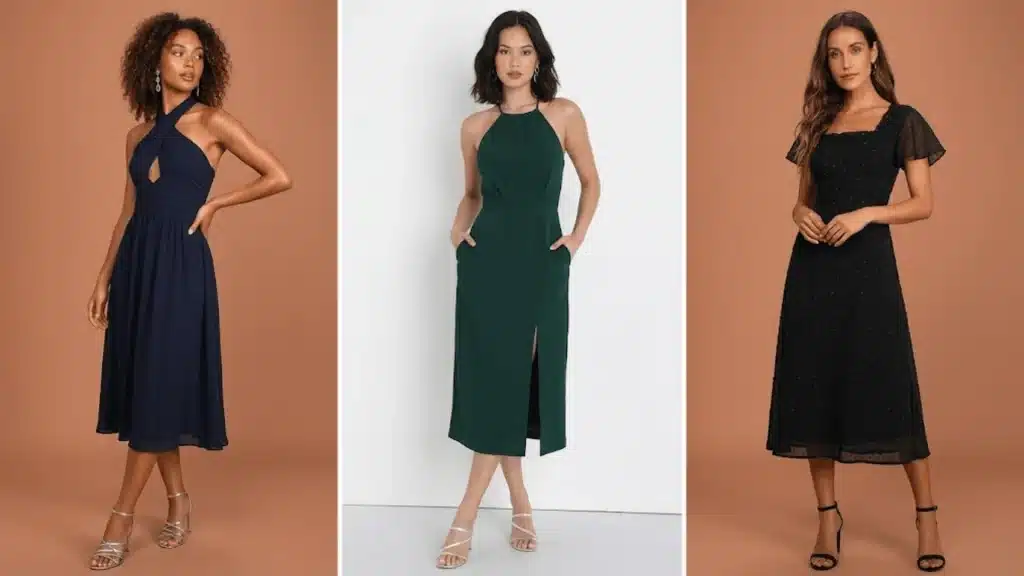
Men wear a classic tuxedo with a black bow tie and polished oxfords, while women choose floor-length gowns or elegant midi dresses in luxe fabrics like silk, velvet, or chiffon.
One important rule: black tie events almost always begin after 6 PM, so plan your outfit with evening elegance in mind.
2. Cocktail Attire and Semi-Formal: The Middle Ground
These two are the most commonly confused dress codes among attendees, yet they carry distinct tones that shape your entire look. Getting this right means walking in polished and perfectly calibrated for the room.
Cocktail attire brings a bolder, more festive energy. Women reach for shorter dresses with statement accessories, while men wear dark suits with a tie.
Semi-formal is a touch more subdued. Think midi lengths, classic colors, and a more refined silhouette overall. Both are common at weddings, evening receptions, and corporate parties.
If your event leans professional, understanding the full picture of appropriate attire is key. Our guide on networking event attire walks you through how to carry a polished look seamlessly from one setting to the next.
3. Business Formal and Business Casual: The Professional Codes
These dress codes show up most often at corporate events, conferences, and professional gatherings. Knowing the difference helps you walk in looking sharp without being overdressed or underdressed.
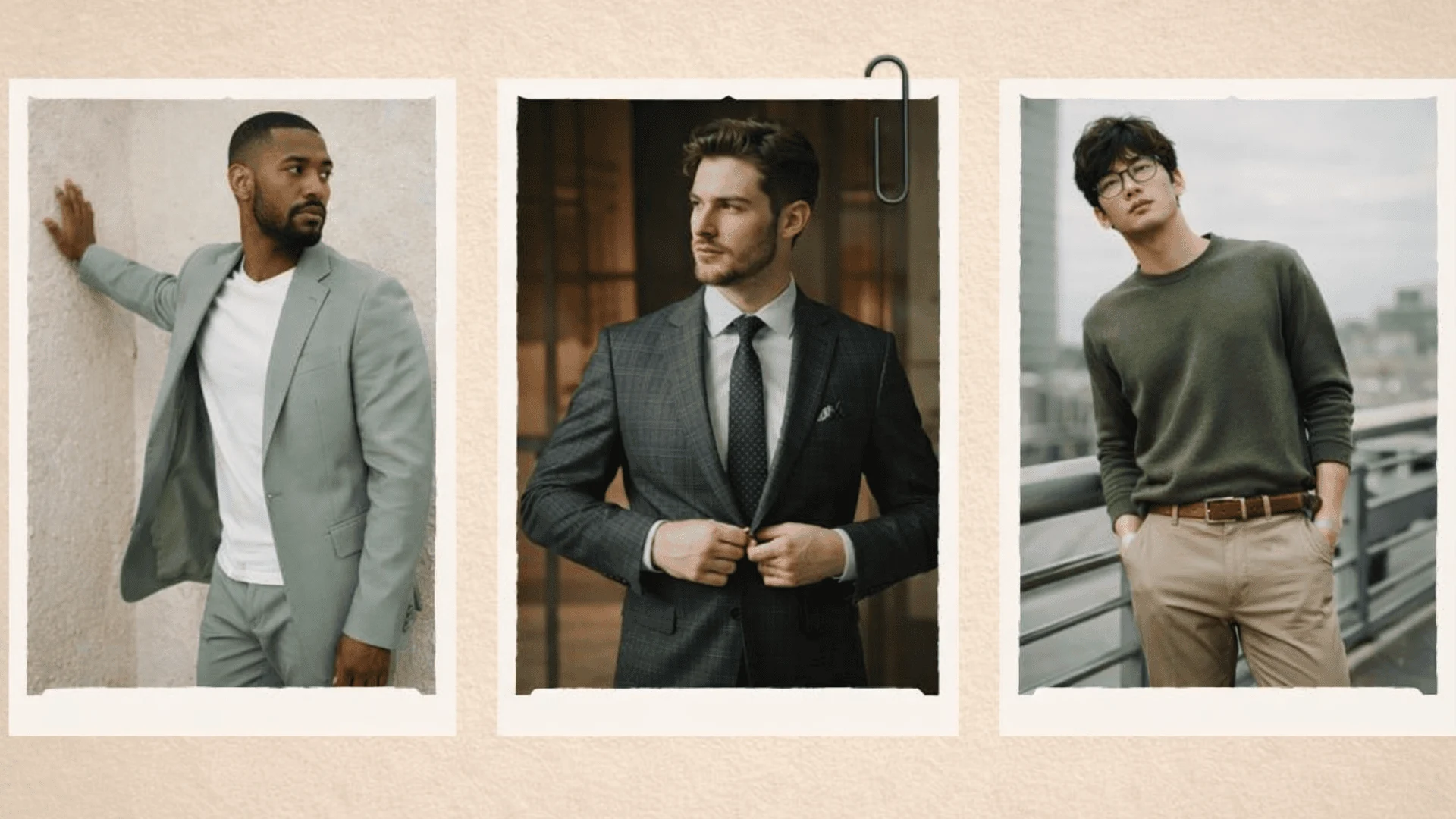
Business formal is the highest standard in professional settings. Men wear a dark suit, crisp dress shirt, and tie, paired with polished oxfords.
Women opt for a tailored dress or a skirt and blazer combination. Business casual is noticeably more relaxed. Men swap the tie for a collared shirt with dress pants or chinos.
Women choose knee-length skirts, blouses, or modest dresses. The key distinction is that business casual still requires a polished, intentional look. Jeans and sneakers are still off the table.
4. Smart Casual and Casual: The Relaxed Codes
These are the most deceptively tricky codes because relaxed does not mean anything goes. There is still a clear standard for how put-together you should look.
Smart casual sits comfortably between polished and laid-back. Think a blazer over a nice shirt with dark jeans or chinos, loafers, and minimal accessories.
For women, a midi dress, tailored trousers, or a blouse with smart pants all work beautifully.
Weddings that list “dressy casual” on the invite fall right into this space.
Casual is the most flexible of all dress code types.
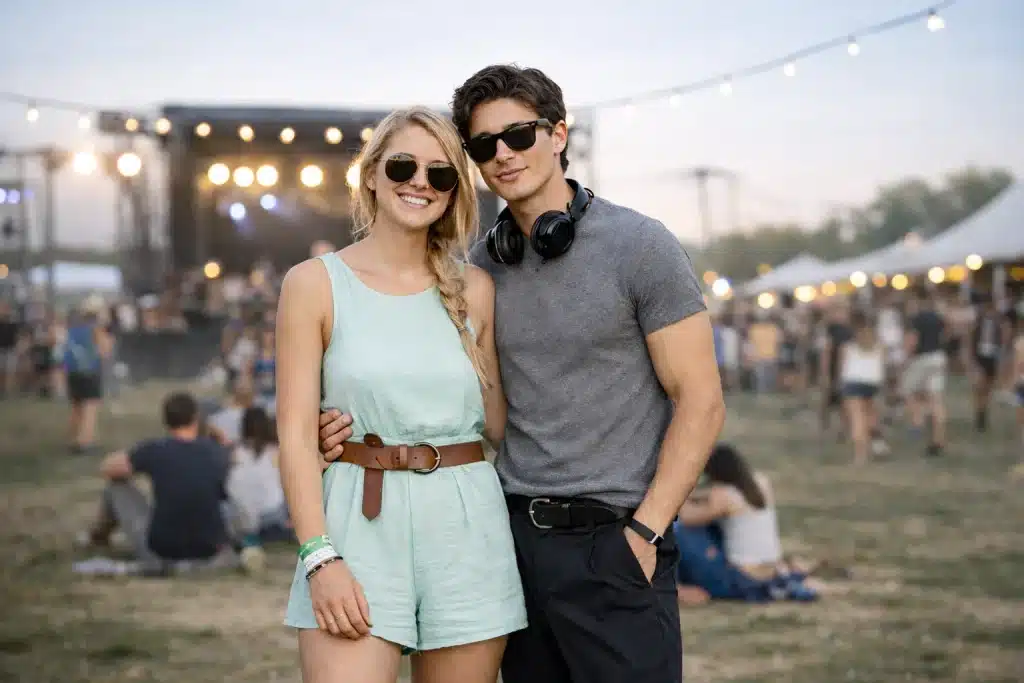
Clean jeans, solid-color tops, and sundresses are all fair game.
What stays off the table regardless: graphic tees, ripped clothing, flip-flops, and anything that looks like it came straight from the gym.
If you are navigating that specific scenario, this guide on dressy casual wedding attire gives you a clear, practical breakdown of what works.
Tips for Decoding Any Dress Code Type at an Event
Mastering dress codes becomes easier with a few smart checks, from reading the venue and timing to refining details, ensuring every outfit feels appropriate, polished, and confidently put together.
- Read the venue: A rooftop bar and a ballroom signal very different expectations, even under the same dress code label.
- Consider the time of day: Evening events always call for a slightly dressier version of whatever code is listed.
- Ask when in doubt: A quick message to the host is never awkward; it shows you care enough to get it right.
- Always err slightly overdressed: Within the code, leaning dressier is always safer and more impressive than showing up underprepared.
- Do not forget the details: Wrinkled clothes, scuffed shoes, or an oversized casual bag can quietly undercut an otherwise great outfit.
- Dress for the season: Lighter fabrics and softer tones for spring and summer; richer textures and deeper colors for fall and winter.
- Match your accessories to the formality level: A small clutch fits a black tie; a crossbody works for smart casual. Accessories often signal effort, or the lack of it, more than the clothing itself.
Conclusion
Understanding dress code types is one of the simplest ways to set yourself up for a great event experience.
When you arrive dressed appropriately, you walk in with confidence, connect more easily with others, and spend the evening actually enjoying yourself rather than tugging at your hem wondering if you got it wrong.
From my years in hospitality, I can tell you that the guests who take a moment to read the dress code types and dress with intention always leave events with the best memories.
So next time an invite lands in your inbox, take a breath, check the code, and use this guide to get it exactly right.
Frequently Asked Questions
What is the Most Common Dress Code Type for Weddings?
Semi-formal and cocktail attire are the most frequently used wedding dress codes in the US. They offer guests flexibility while keeping the event looking polished and celebratory.
Can I Wear the Same Outfit to a Business-Casual and a Smart-Casual Event?
Often yes, with small adjustments. A blazer and tailored trousers can work for both. Smart casual allows slightly more personal expression, so you can swap a formal dress shirt for a stylish blouse or knitwear.
What Should I Do if The Dress Code on the Invite is Unclear?
Always reach out to the host or event organizer. It is a completely normal and appreciated question. If that is not possible, default to slightly overdressing within what feels appropriate for the venue and time of day.