Delays, unexpected costs, and miscommunication are common challenges in construction projects. While these issues often arise in traditional project delivery methods, mechanical design-build solutions offer a practical way to address them.
This approach integrates design and construction under a single contract, creating clear communication channels, shared accountability, and improved project efficiency.
Simplifying Project Communication
With mechanical design build solutions, design and construction teams work together from the start. Direct communication reduces misunderstandings and encourages collaboration throughout the project lifecycle.
Eliminating unnecessary intermediaries prevents critical information from being lost, resulting in fewer errors and a smoother workflow for everyone involved.
Faster Project Delivery
Combining design and construction responsibilities can significantly shorten project timelines. In traditional models, construction often cannot begin until the design phase is fully approved.
Mechanical design build allows both phases to overlap, enabling teams to address issues in real time. As a result, projects are often completed ahead of schedule.
Cost Control and Predictability
Cost control is a top priority in any construction project. Mechanical design build solutions provide a single point of financial responsibility, helping teams identify and address budget concerns early.
This proactive approach minimizes unexpected expenses and gives clients clearer cost expectations, leading to more effective financial planning.
Improved Quality Assurance
Quality remains a critical focus throughout the construction process. In a mechanical design-build, one integrated team is responsible for both planning and execution.
This unified accountability enhances precision and consistency. Ongoing oversight ensures that systems are installed correctly and meet all project specifications and performance standards.
Minimizing Construction Delays
Construction delays can disrupt schedules and inflate costs. Mechanical design and build solutions reduce these risks by promoting proactive problem-solving.
Because design and construction teams work closely together, issues can be identified and resolved quickly. This collaboration minimizes disruptions and keeps projects moving forward.
Enhanced Flexibility During Construction
Changes are often unavoidable once construction begins. Mechanical design build solutions offer greater flexibility when addressing design modifications or unforeseen challenges.
An integrated team can respond quickly to new requirements without lengthy approval processes. This adaptability helps ensure the project stays on track, even when plans evolve.
Single Point of Accountability
Having one team responsible for both design and construction simplifies accountability. Clients know exactly who to contact with questions or concerns, eliminating confusion and delays.
This clear structure builds trust and strengthens relationships throughout the project.
Better Resource Management
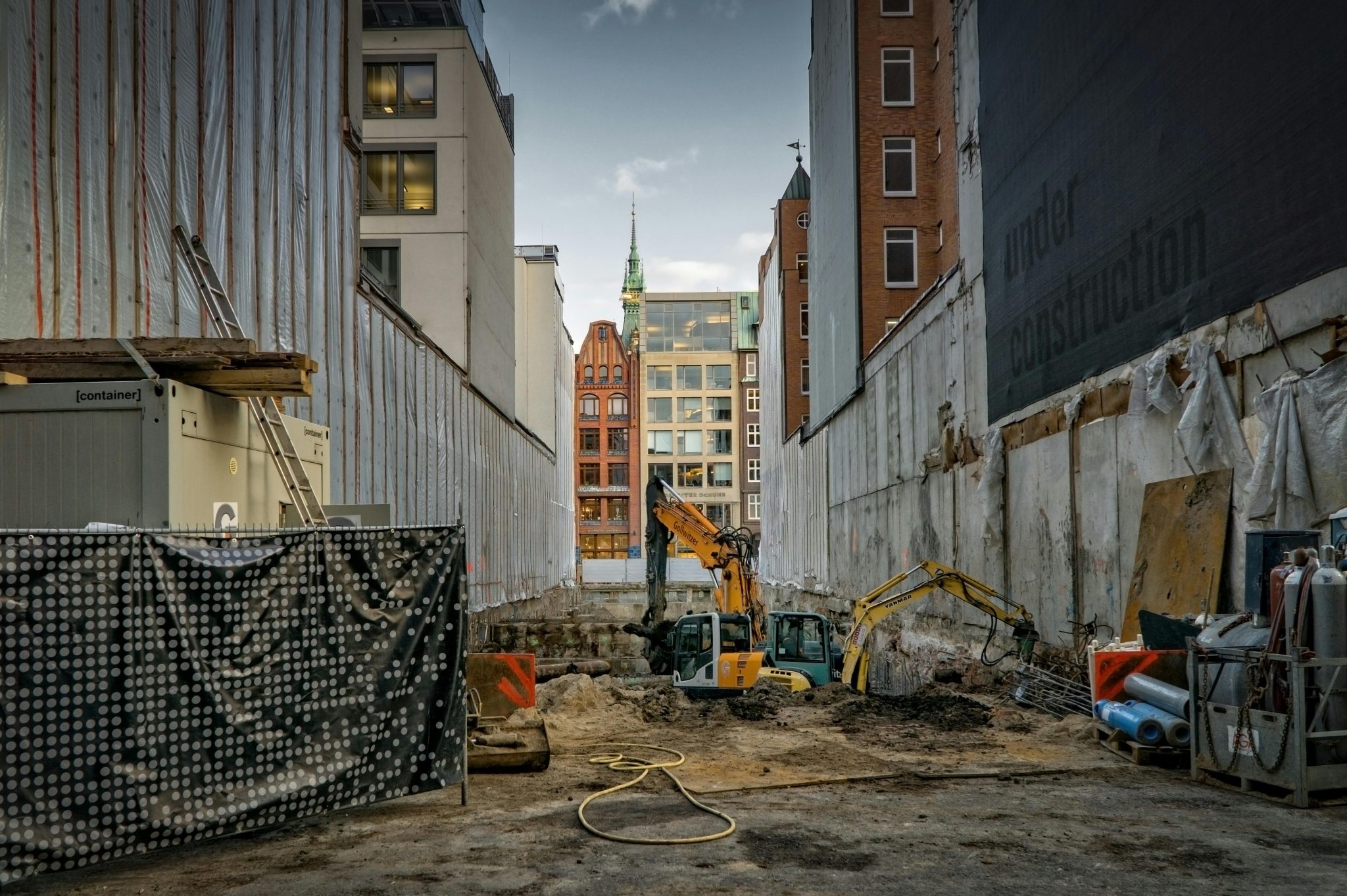
Mechanical design builds solutions to improve coordination of labor, materials, and equipment.
Integrated planning allows for more efficient scheduling, reducing downtime and resource waste. This optimized use of resources helps control costs and supports timely project completion.
Streamlined Documentation and Compliance
Construction projects must meet numerous codes, regulations, and safety standards. Mechanical design build centralizes documentation, making compliance easier to manage.
Consolidated records improve coordination, simplify regulatory approvals, and reduce administrative challenges for clients.
Encouraging Innovation and Creativity
Collaboration between design and construction professionals fosters innovation. With a shared understanding of both disciplines, teams can propose creative solutions to complex challenges.
This collaborative environment often leads to improved designs, more efficient systems, and better construction methods.
Supporting Long-Term Outcomes
Mechanical design-build solutions focus on long-term performance, not just on immediate project completion. Systems are designed with efficiency, durability, and maintainability in mind.
Over time, building owners benefit from lower operating costs, reduced maintenance needs, and improved system reliability.
Conclusion
Construction projects often face unnecessary hurdles when design and construction are disconnected. Mechanical design build solutions address these challenges by integrating both phases into a unified process.
Improved communication, faster delivery, cost control, and higher quality outcomes make this approach a practical and effective choice. When implemented correctly, mechanical design build solutions help projects run more smoothly, efficiently, and successfully from start to finish.