The wrong gaming headset can ruin a match before you even miss a shot. Footsteps blur together, dialogue feels flat, and comfort disappears right when the session gets serious.
That is why the best Sennheiser headphones for gaming still stand out.
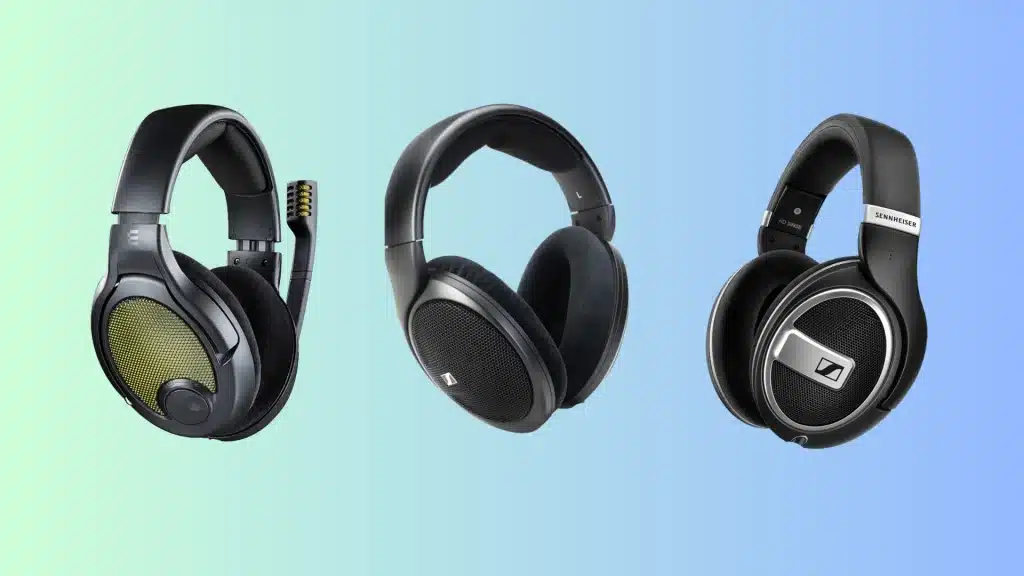
The Sennheiser Models focus on the things that matter most: clear positioning, balanced sound, solid comfort, and reliable build quality.
Each one fits a different setup. Some are better for competitive shooters, while others suit story games, wireless play, or budget-friendly gaming.
Your best pick depends on your room, platform, mic needs, and whether you prefer open-back or closed-back sound.
The guide below breaks all of that down in ranked order so you can match the right model to your actual situation.
Why Sennheiser Stands Out for Gaming Audio?
Sennheiser has always leaned more toward sound quality than flashy gaming design.
That matters in games because clean separation can help you hear distance, direction, and small details without turning every explosion into a wall of bass.
For competitive players, imaging matters more than volume. If footsteps, reloads, and ability sounds sit in the right place, you react faster.
In single-player games, a wider soundstage can make open areas, weather, and background effects feel less confined.
One thing I noticed during extended sessions is how rarely Sennheiser headsets cause ear fatigue compared to gaming-branded alternatives in the same price range.
The other reason Sennheiser gaming headsets still hold up is comfort. Models like the PC38X and GSP series were made for long desk sessions, not quick music breaks.
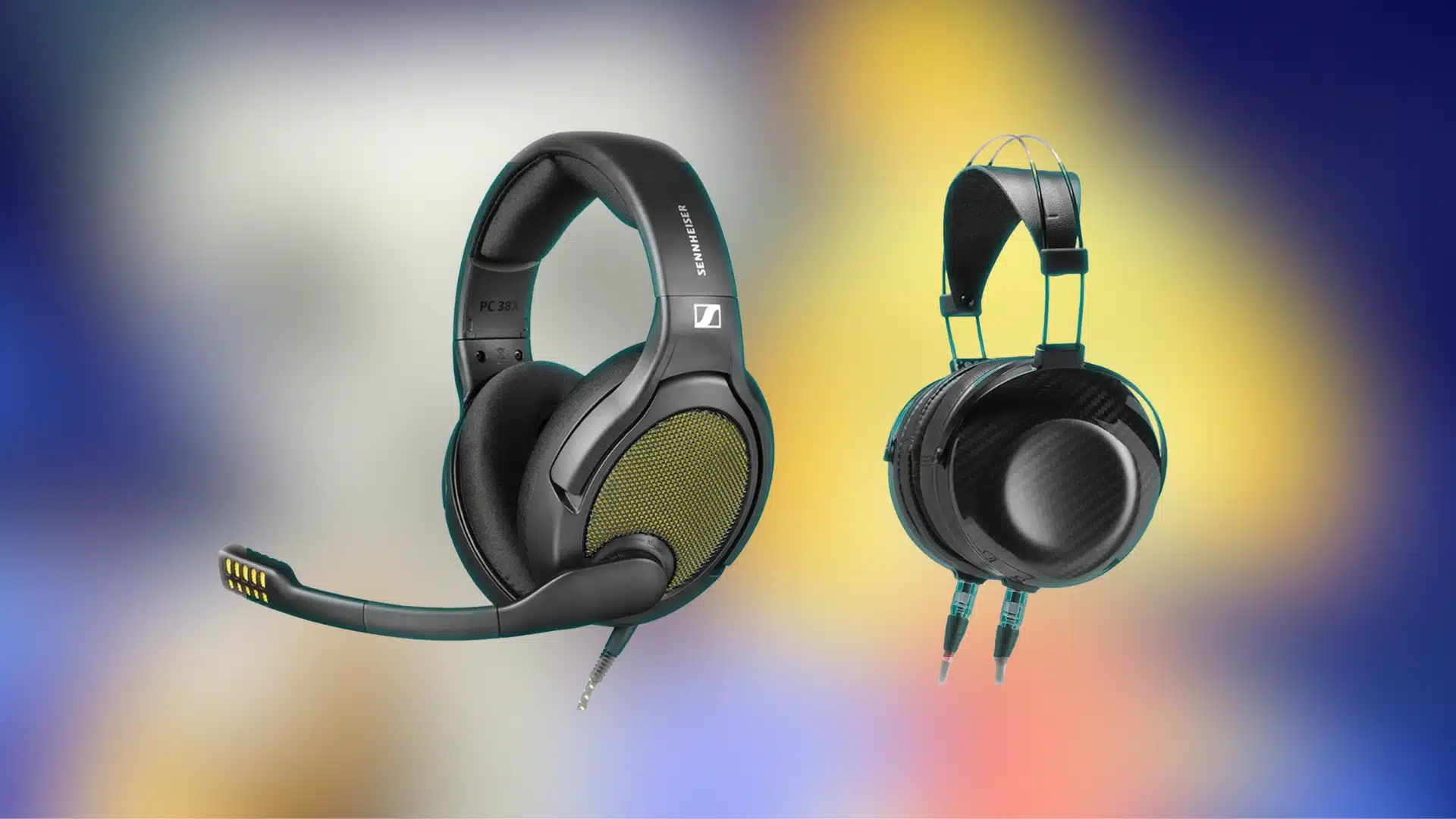
The PC38X, for example, uses an open, dynamic design, weighs about 253g without the cable, and includes both PC and console cables, making it easy to use in mixed setups.
Best Sennheiser Headphones for Gaming: Full Ranked List
This list is ranked for real gaming use, not just spec sheets. I looked at sound direction, comfort, mic quality, setup needs, and whether the headset still makes sense for buyers now.
If you want a wider comparison before deciding, this guide to good gaming headsets for every budget covers options across brands and price points.
1. Drop + Sennheiser PC38X
Price: $84.99
The Sennheiser PC38X, collaborated with DROP, is an open-back, over-ear wired headset with dynamic drivers, 28 ohm impedance, and a frequency range of 10 Hz to 30,000 Hz.
The package includes a 2.5 m PC cable with dual 3.5 mm connectors and a 1.5 m console cable with a 3.5 mm TRRS connector.
The boom mic uses a noise-canceling electret condenser design with a 50 Hz to 16,000 Hz response.
In my experience, the mic on the PC38X picks up voice clearly without sounding thin or overly processed. It flips up cleanly to mute, and the hinge mechanism feels solid even after regular daily use.
At 28 ohms impedance, the PC38X drives well directly from a PC headphone jack or controller without needing an external DAC or amplifier, which keeps the setup simple.
Best for: Most PC and console gamers who want one wired headset that sounds better than typical gaming gear.
2. Sennheiser GSP 600
Price: $249.95
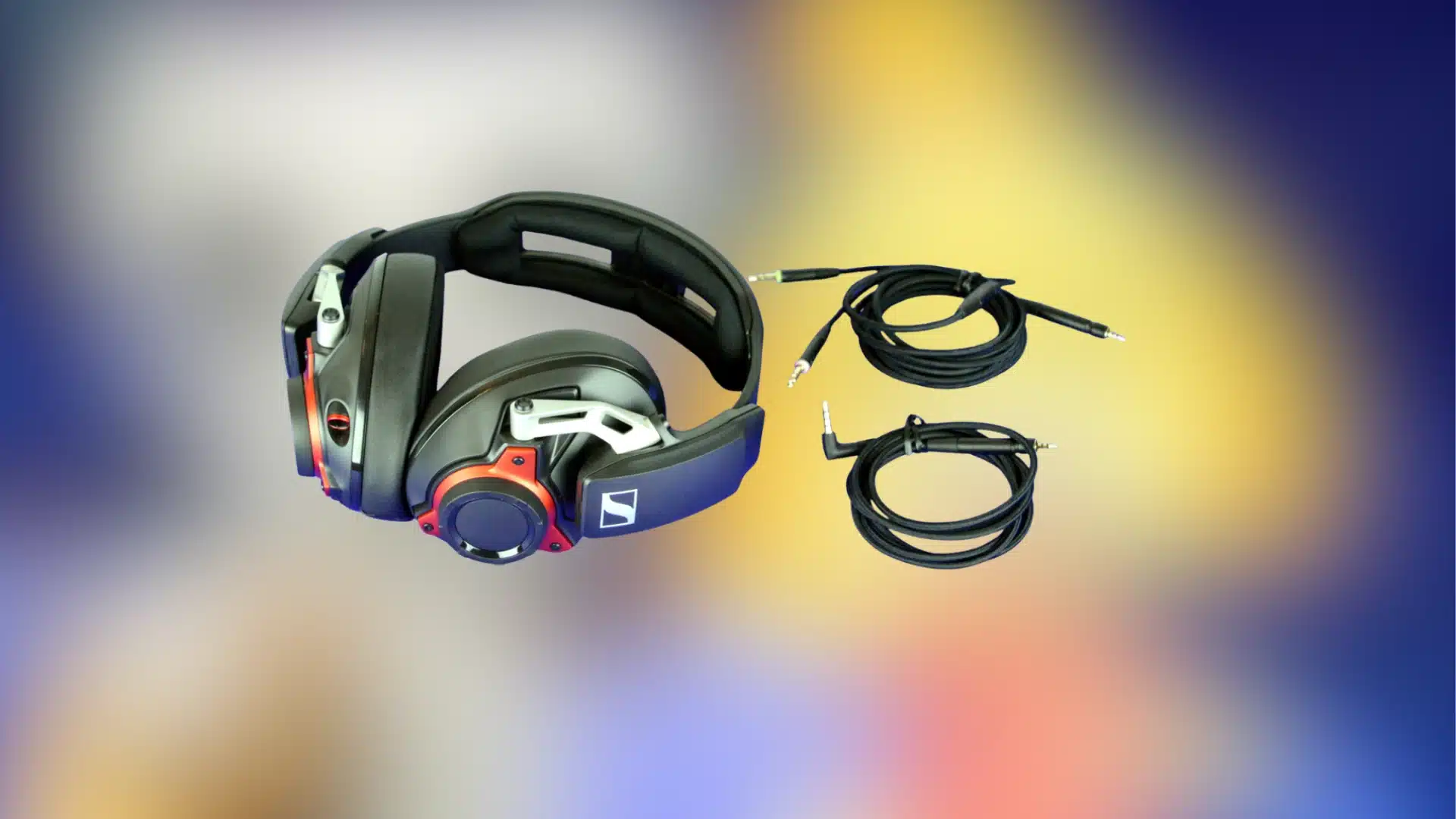
The Sennheiser GSP 600 is a closed-back wired headset with 50 mm neodymium drivers, 28 ohm impedance, and a frequency range of 10 Hz to 30,000 Hz.
It uses 3.5 mm wired connectivity and comes with a 2.5 m PC cable plus a 1.5 m console cable. The microphone uses a unidirectional noise-canceling design.
For competitive FPS players in shared spaces or noisy rooms, that passive isolation gives a meaningful advantage in detecting quiet audio cues that would otherwise blur with background sound.
Best for: Competitive FPS players who want isolation, clear comms, and a wired setup.
3. Sennheiser HD 560S
Price: $159.99
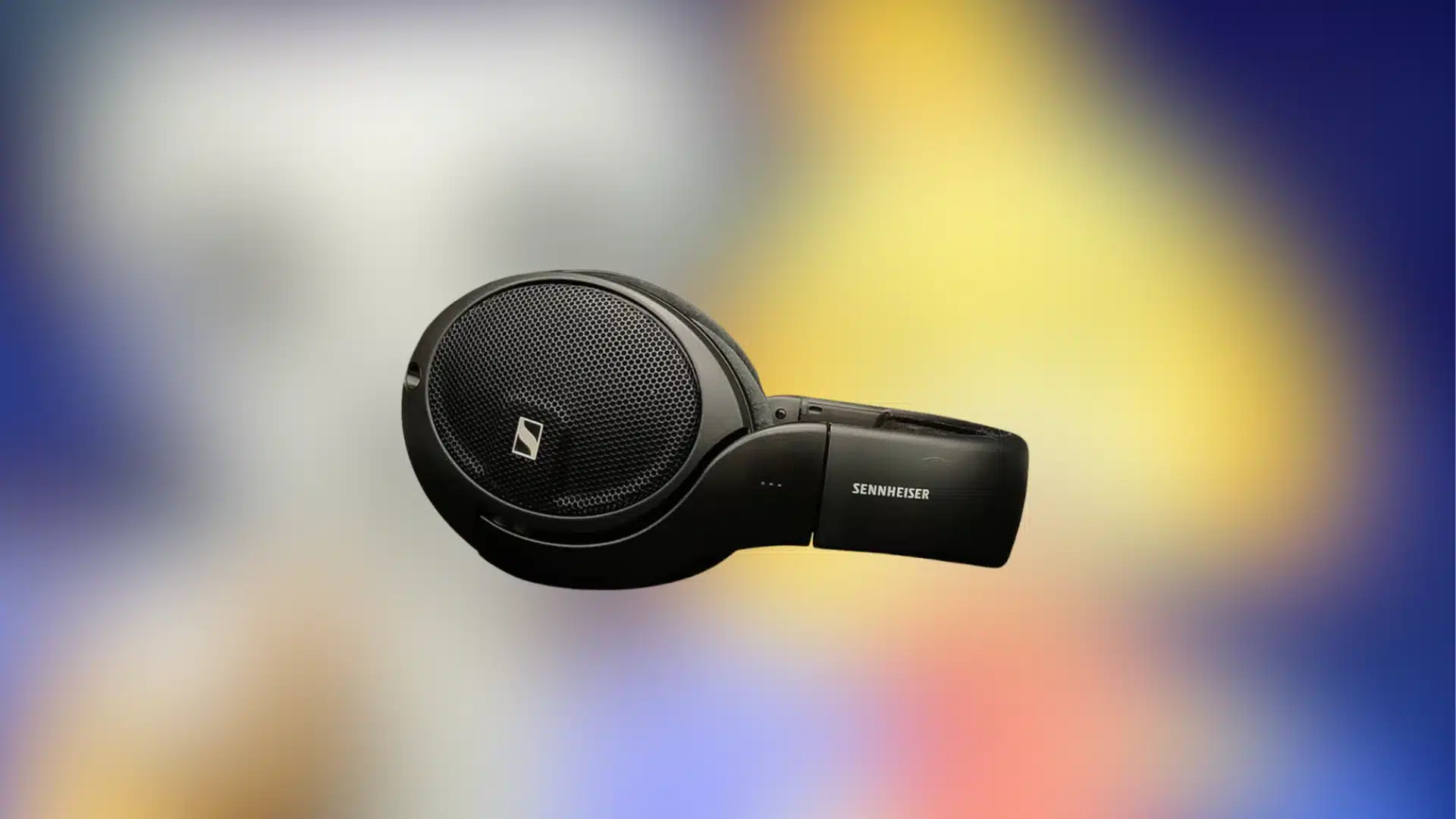
The Sennheiser HD 560S is an open-back, over-ear wired headphone with dynamic drivers, 120 ohm impedance, and a frequency range of 6 Hz to 38,000 Hz.
The sensitivity is rated at 110 dB SPL, while total harmonic distortion is listed below 0.05 percent.
Players who want this level of detail in a dedicated gaming headset will find more options in this roundup of audiophile headphones worth buying
The HD 560S includes a detachable 1.8 m cable with a 3.5 mm plug and 6.3 mm adapter, but it does not include a microphone.
At 120 ohm impedance, the HD 560S benefits from a modest DAC or headphone amplifier to reach its full potential, though it will still function from a standard PC audio jack at slightly lower volume headroom.
Best for: Players who care more about soundstage and detail than headset convenience.
4. Sennheiser GSP 300
Price: $219
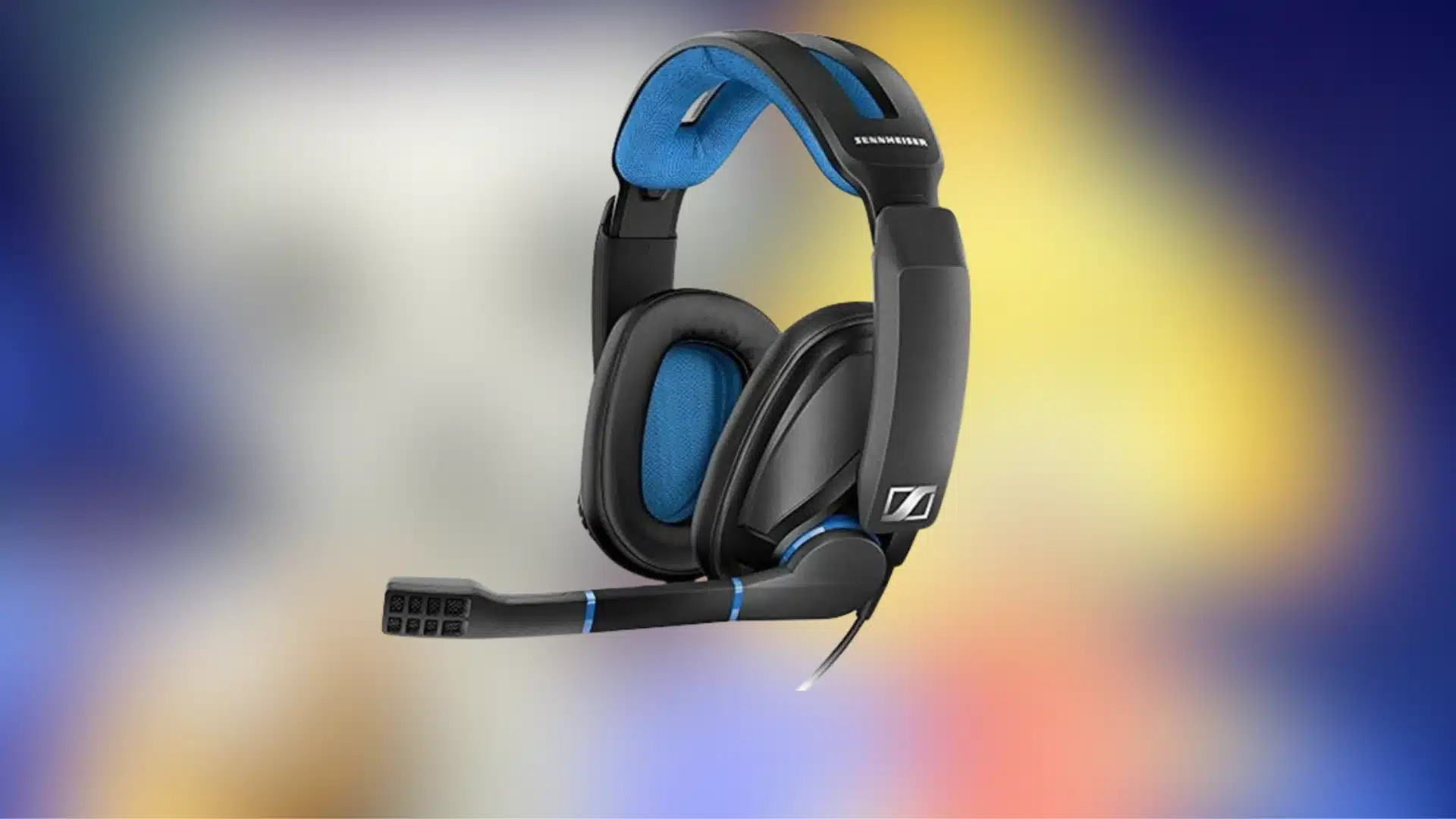
The Sennheiser GSP 300 is a closed-back wired gaming headset with dynamic drivers, 19 ohm impedance, and a frequency range of 15 Hz to 26,000 Hz.
The headset reaches 113 dB SPL and uses a 2 m cable. It comes with dual 3.5 mm connectors and a single 3.5 mm combo adapter for wider device support.
The 19 ohm impedance makes the GSP 300 one of the easiest Sennheiser models to drive from any source, including smartphone headphone adapters and older consoles with limited output power.
Best for: Budget buyers who want a wired closed-back headset with a usable mic.
5. EPOS|Sennheiser GSP 670
Price: $249.99
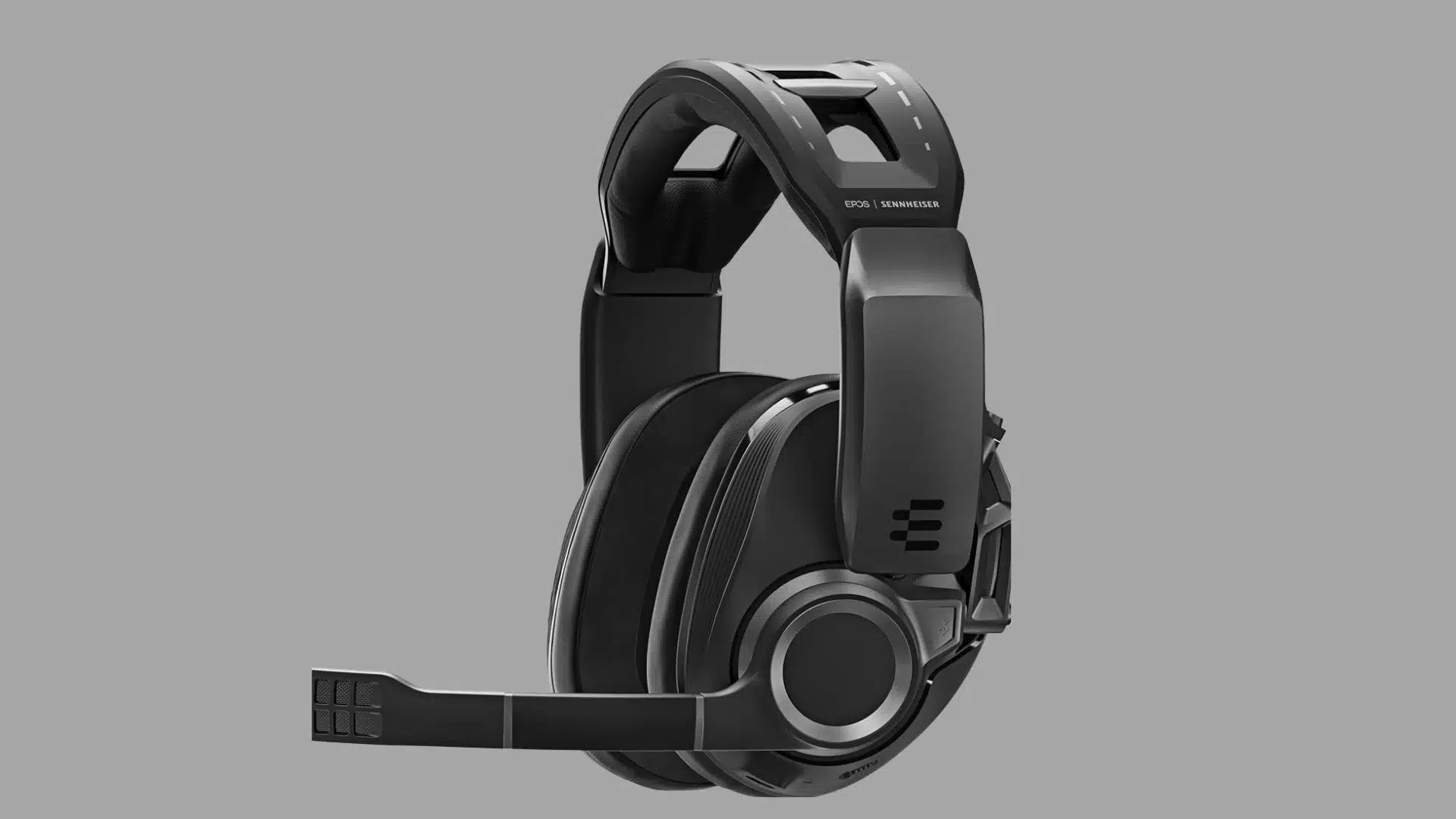
The GSP 670 is the best wireless option, but it is also the hardest to recommend at full price. It has strong audio, low-latency wireless, Bluetooth support, and a sturdy build.
The downside is weight, limited availability, and the fact that it launched at a much higher price.
If you find the GSP 670 at a significant discount from a reputable seller, it is worth serious consideration.
The low-latency wireless connection is reliable enough for competitive play, which is something most wireless gaming headsets still struggle to deliver consistently.
Best for: Wireless gaming, desk setups, cable-free play.
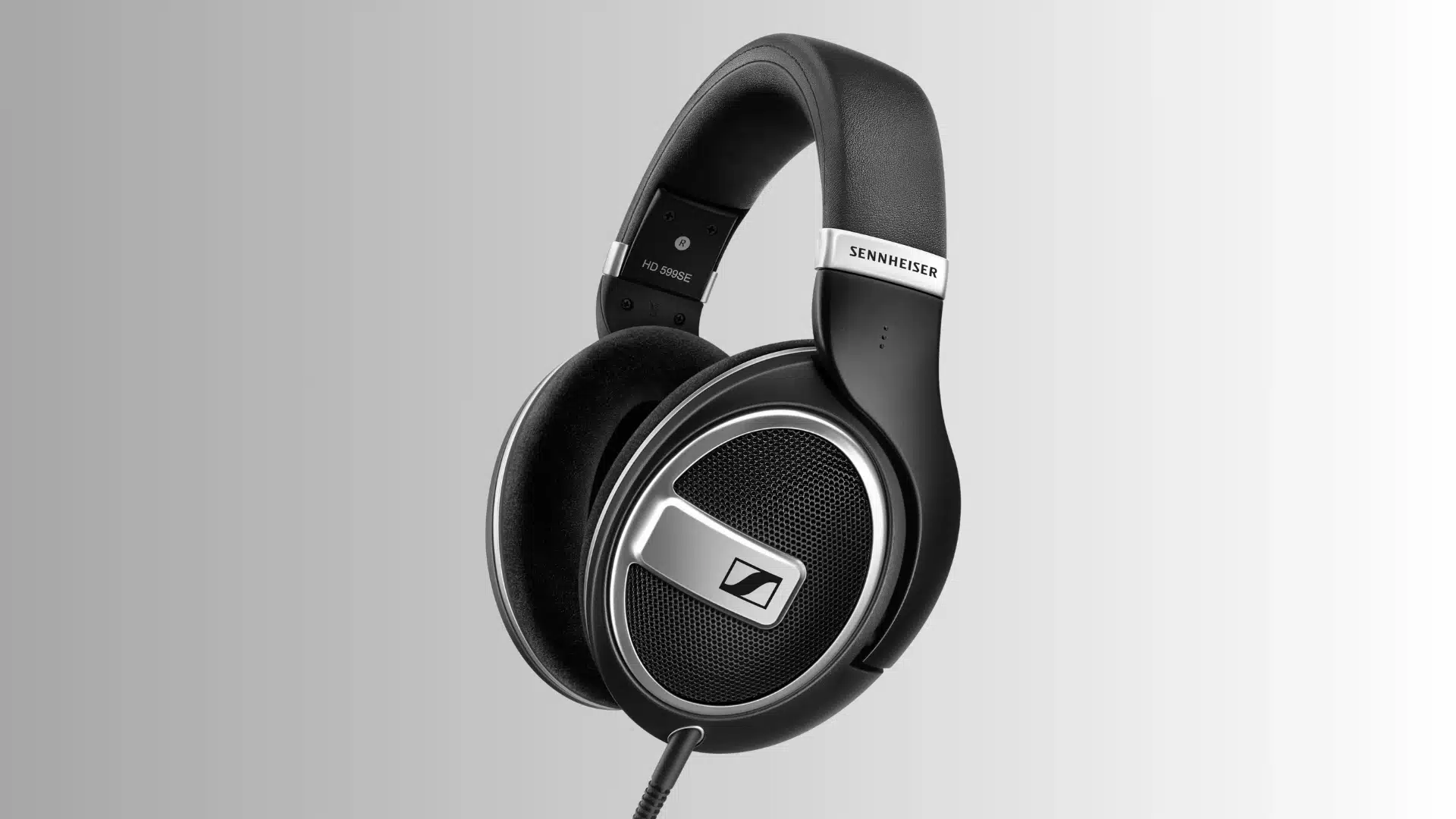
6. Sennheiser HD 599
Price: $239.95
The Sennheiser HD 599 is an open-back, over-ear wired headphone with 38 mm drivers, 50 ohm impedance, and a frequency range of 12 Hz to 38,500 Hz.
It weighs about 250 g and includes multiple cable options. It does not include a microphone, so it works best with a separate mic.
The HD 599 has a warmer, more relaxed presentation compared to the HD 560S. For long story-game sessions, that warmth reduces fatigue in a way that more analytical headphones do not.
Best for: story-game players who want comfort and spacious sound.
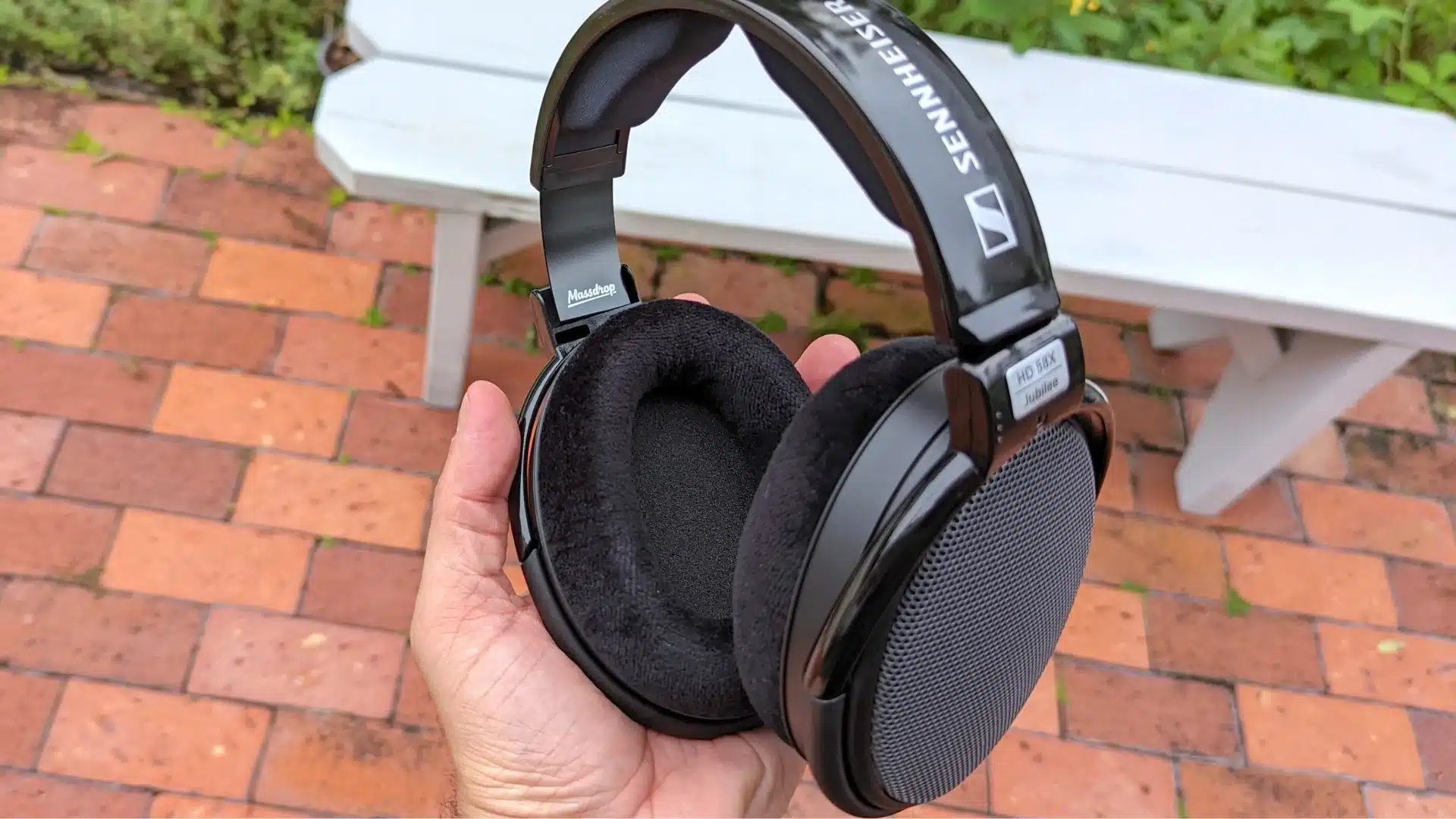
7. Massdrop Sennheiser HD 58x Jubilee
Price: $89.99
The Sennheiser HD 58X Jubilee is an open-back, over-ear wired headphone with 150 ohm impedance and a frequency range of 12 Hz to 38,500 Hz.
It uses a detachable 1.8 m cable and weighs about 260 g without the cable. It does not include a microphone.
At 150 ohms, the HD 58X benefits from a headphone amplifier for best results, though it produces usable volume from a standard PC output.
Pairing it with an entry-level DAC like the FiiO E10K keeps the total cost reasonable while unlocking the full frequency extension.
Best for: gamers who want audiophile-style sound at a lower price.
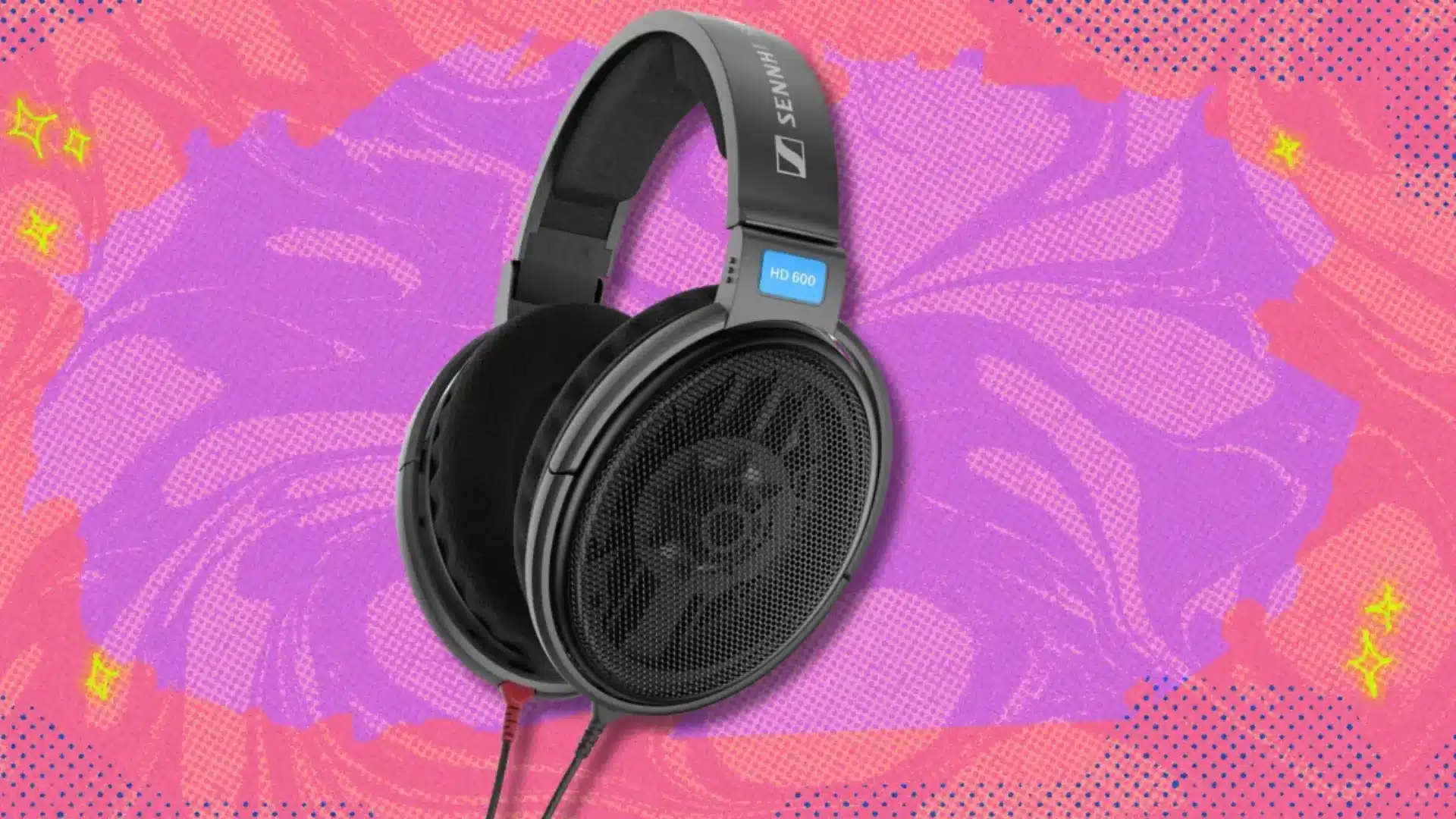
8. Sennheiser HD 600
Price: $270.00
The Sennheiser HD 600 is an open, over-ear wired headphone with 300 ohm impedance and a 12 Hz to 40,500 Hz frequency range.
It weighs about 260 g and includes a 3 m cable with a 6.3 mm adapter. It does not include a microphone.
The 300 ohm impedance means the HD 600 genuinely requires a dedicated headphone amplifier.
Running it from a motherboard output will produce noticeably lower volume and reduced dynamics. Factor that additional cost into your budget before buying.
Best for: players who want clean detail and natural sound.
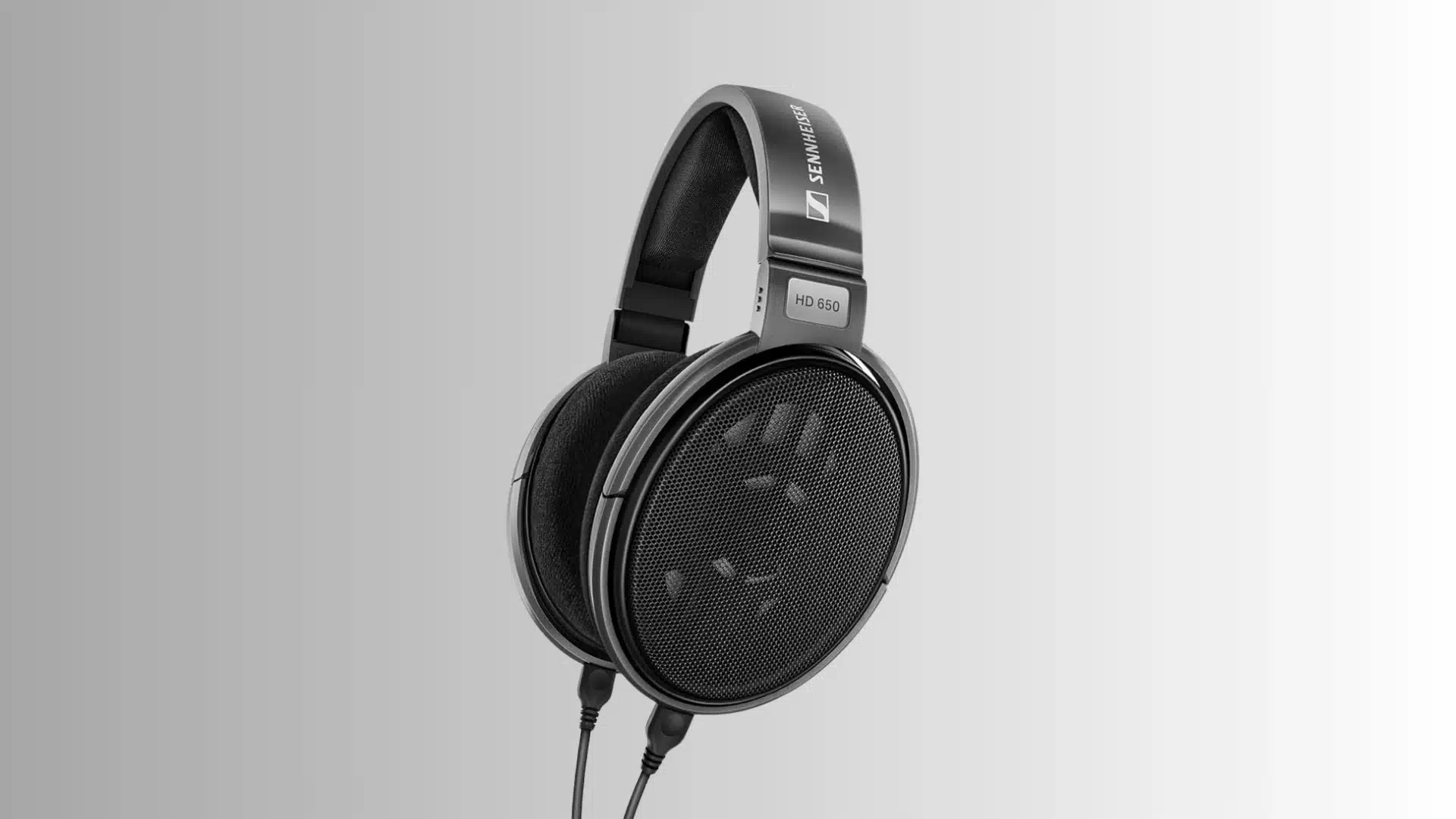
9. Sennheiser HD 650
Price: $358.00
The Sennheiser HD 650 is an open-back, over-ear wired headphone with 300 ohm impedance and a 10 Hz to 39,000 Hz frequency range.
It weighs about 260 g without cable and uses a detachable 3 m cable. It does not include a microphone. The HD 650 has a warmer low-end tilt compared to the HD 600.
In slower RPGs with orchestral scores and heavy atmospheric audio, that warmth adds presence to music and environment sounds without becoming muddy in dialogue-heavy scenes.
Best for: RPG players who want smoother and warmer sound.
10. Sennheiser HD 400 PRO
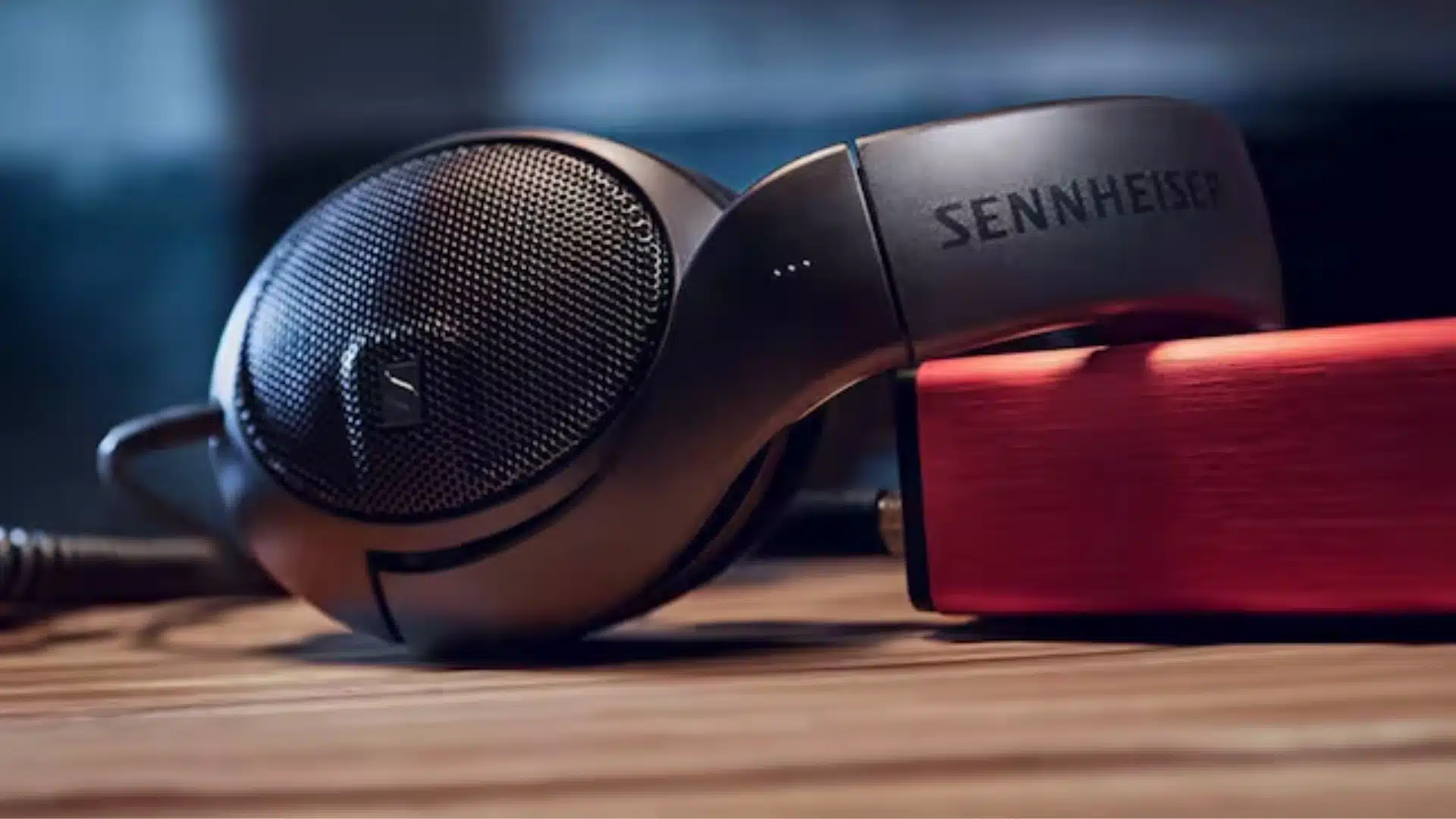
Price: $257.89
The Sennheiser HD 400 PRO is an open-back, over-ear wired studio headphone with a 120 ohm impedance and a frequency range of 6 Hz to 38,000 Hz.
It weighs about 240 g and includes straight and coiled cable options. It does not include a microphone.
The coiled cable option is a practical advantage for desk setups, as it stays out of the way during gaming sessions while still offering the reach needed to move between monitors or check a second screen.
Best for: streamers and creators who also edit audio or video.
11. Sennheiser HD 25
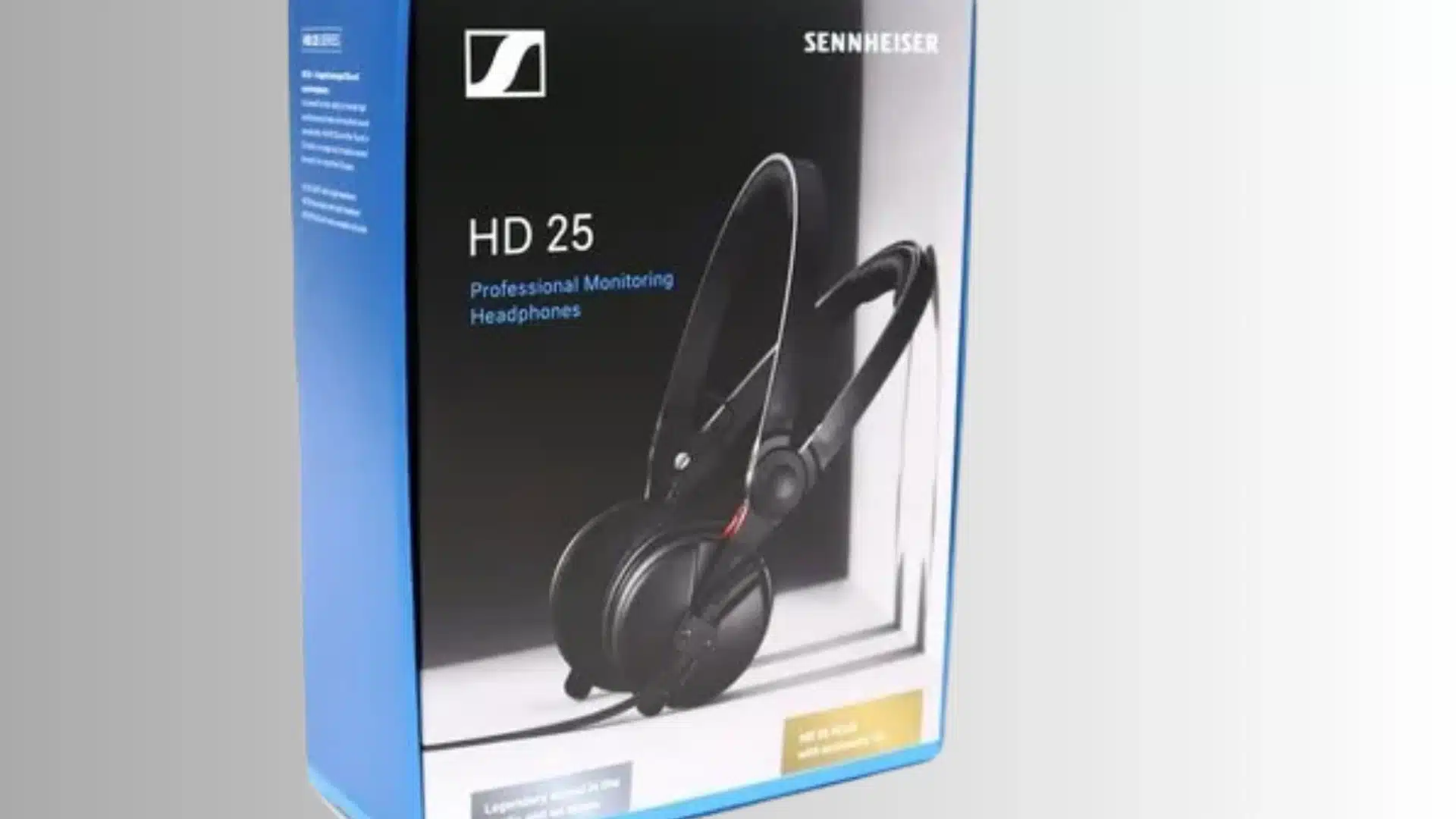
Price: $149.95
The Sennheiser HD 25 is a closed-back, on-ear wired headphone with 70 ohm impedance and a frequency range of 16 Hz to 22,000 Hz.
It weighs about 140 g and uses a detachable 1.5 m cable. It does not include a microphone.
The HD 25 is the only on-ear option on this list, giving it a portability advantage that the over-ear models cannot match.
The compact split-headband design makes it easy to pack without a dedicated case, and the 140 g weight is noticeably lighter than every other model here.
Best for: gamers who need a compact headphone for noisy rooms.
EPOS Gaming Headset vs Sennheiser: What You Need to Know
EPOS gaming headsets and Sennheiser headphones are closely connected because EPOS came from Sennheiser’s former gaming headset business.
That is why models like the GSP 300, GSP 600, and GSP 670 are often discussed alongside Sennheiser headphones.
The split happened in 2019 when Sennheiser sold its gaming and business communications division, which became the EPOS brand.
Production quality and driver technology carried over from the Sennheiser era, which is why older EPOS gaming headset models still hold up well.
The main difference is product focus. EPOS gaming headsets are built specifically for gaming, so they usually include boom mics, headset controls, and gaming-friendly wired or wireless connectivity.
Sennheiser headphones, such as the HD 560S, prioritize pure audio quality and often require a separate gaming mic.
For most buyers looking for a single-box solution with a mic included, EPOS gaming headset models offer greater convenience.
For buyers who already own a desk microphone or want the best possible audio quality first, Sennheiser’s HD-series headphones are the stronger long-term investment.
For buyers open to other brands, there are strong wireless alternatives worth evaluating before committing to either lineup.
Which Sennheiser Gaming Headphone Fits Your Setup?
Here is a quick breakdown to match each model to the most common gaming situations:
- Most players use a mixed PC and console setup: Sennheiser PC38X. It covers the widest range of setups at the lowest price, with no meaningful trade-offs.
- Competitive FPS, shared or noisy room: GSP 600. Closed-back isolation and focused audio give a real advantage in environments where background sound bleeds in.
- Story games already own a desk mic: HD 560S. The wider soundstage and detail retrieval make large open-world environments and atmospheric titles more immersive.
- Budget buyers, wired only: GSP 300. Simple, functional, and compatible with most platforms out of the box.
- Wireless priority: GSP 670, but only at a fair price from a verified seller.
- Streamers who also edit audio: HD 400 PRO. The dual cable options and studio-tuned sound handle both use cases without switching gear.
What to Check Before Buying?
Check the seller first, especially for older EPOS gaming headset models. A low price is not worth much if the warranty, return window, or product condition is unclear.
Next, check your platform. PC, PS5, Xbox, Switch, and handhelds handle mic support differently.
Also, think about your room. Open-back headsets leak sound and do not block noise well. Closed-back headsets are better when other people, fans, or TVs are nearby.
If you are still deciding between design types, this breakdown of open-back options across price ranges compares the trade-offs in more detail and includes models from several brands.
Also consider impedance before buying. Headphones above 80 ohms, like the HD 560S at 120 ohms or the HD 600 at 300 ohms, will not reach their potential from a standard PC headphone port or a console controller.
Conclusion
The best Sennheiser headphones for gaming depend on your setup, but the PC38X is the strongest overall pick for most players.
It offers clean sound, a strong mic, light comfort, and simple wired support across PC and console.
The GSP 600 is better for competitive FPS players who need isolation. The HD 560S is the best choice if sound quality matters more than having a built-in mic.
The GSP 300 works for budget buyers, while the GSP 670 is worth considering if you find a fair wireless deal. Before buying any older EPOS gaming headset, check the price, seller reputation, and warranty terms.
If you are choosing between multiple models and want a second opinion based on your specific platform or game type, drop your setup in the comments below.
Frequently Asked Questions
Are Sennheiser Gaming Headphones Compatible with PS5 and Xbox?
Most wired Sennheiser gaming headsets with a 3.5 mm cable work through PS5 and Xbox controllers.
The PC38X includes a dedicated 1.5 m console cable with a TRRS connector that handles both audio and mic in a single plug, making PS5 and Xbox compatibility straightforward.
Mic support depends on the cable type, so check that before buying used or open-box models.
Do Sennheiser Headsets Need a Sound Card or DAC?
Most Sennheiser gaming headsets do not need a sound card or DAC.
The PC38X, GSP 300, and GSP 600 all operate at low impedance (19 to 28 ohm) and drive cleanly from any standard headphone output.
The HD-series headphones are a different case: the HD 560S at 120 ohm and the HD 600 and HD 650 at 300 ohm benefit meaningfully from an external amplifier.
A DAC can also help if your PC’s audio output produces electrical hiss or interference.
Is an EPOS Gaming Headset Worth Buying Over a Sennheiser?
An EPOS gaming headset can still be worth buying if the price is fair and the seller offers clear returns.
The GSP 300, GSP 600, and GSP 670 were all manufactured under Sennheiser quality standards before the brand split, so audio and build quality on those specific models remain comparable to current Sennheiser products.
Since EPOS has phased out gaming headsets, availability and replacement parts may be limited over time.
How Long Do Sennheiser Gaming Headphones Usually Last?
A well-kept Sennheiser or EPOS headset can last several years.
In my experience, ear pads on closed-back models like the GSP 300 and GSP 600 tend to show wear after 18 to 24 months of daily use, but replacement pads are available and straightforward to fit.
Ear pads, cables, and mic hinges usually wear out before the audio drivers fail.