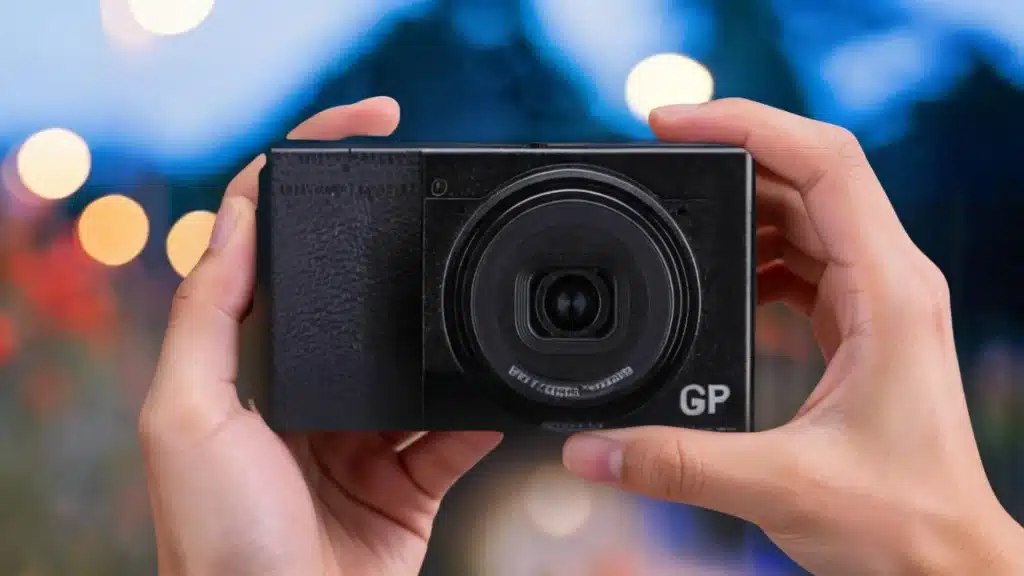
I have carried more compact cameras through more cities than I can count, and a camera priced above $1,500 has to earn that price every time it leaves a pocket, not just on a spec sheet.
The pattern always repeats: printed numbers rarely predict how a lens or an autofocus system behaves once the light turns difficult and a subject moves without warning.
That gap is exactly where questions about the Ricoh GR IV start, since the spec sheet tells only half the story once the camera leaves the box.
What follows blends verified specifications, first-hand testing notes, and honest owner opinions from Reddit, grounded in real use rather than a press release.
Key Specifications of the Ricoh GR IV
For readers who want the raw numbers before anything else, the table below lines up every core spec in one place.
|
Spec |
Ricoh GR IV |
|---|---|
|
Sensor |
25.7MP APS-C BSI CMOS |
|
Lens |
18.3mm f/2.8 (28mm equivalent), 7 elements in 5 groups |
|
Stabilization |
5-axis, rated up to 6EV at center, 4EV at the edges |
|
Storage |
53GB internal storage plus microSDXC card slot |
|
Battery life |
Approx. 250 shots (CIPA), 1,800mAh DB-120 battery |
|
Screen |
3.0-inch fixed, approx. 1.04M dots |
|
Video |
Full HD 1080p at 60fps |
|
Startup time |
Approx. 0.6 seconds, the fastest in GR history |
|
Weight |
262g with battery and card, 228g body only |
|
Price |
$1,499.95 MSRP, typically $1,499 to $1,600 with bundles |
These numbers only tell part of the story, and the sections ahead cover how they translate into real shooting situations. That $1,499.95 figure is also the kind of number federal pricing rules specifically define, since it is advertised as a manufacturer’s suggested price rather than a fixed one.
What’s New in the Ricoh GR IV
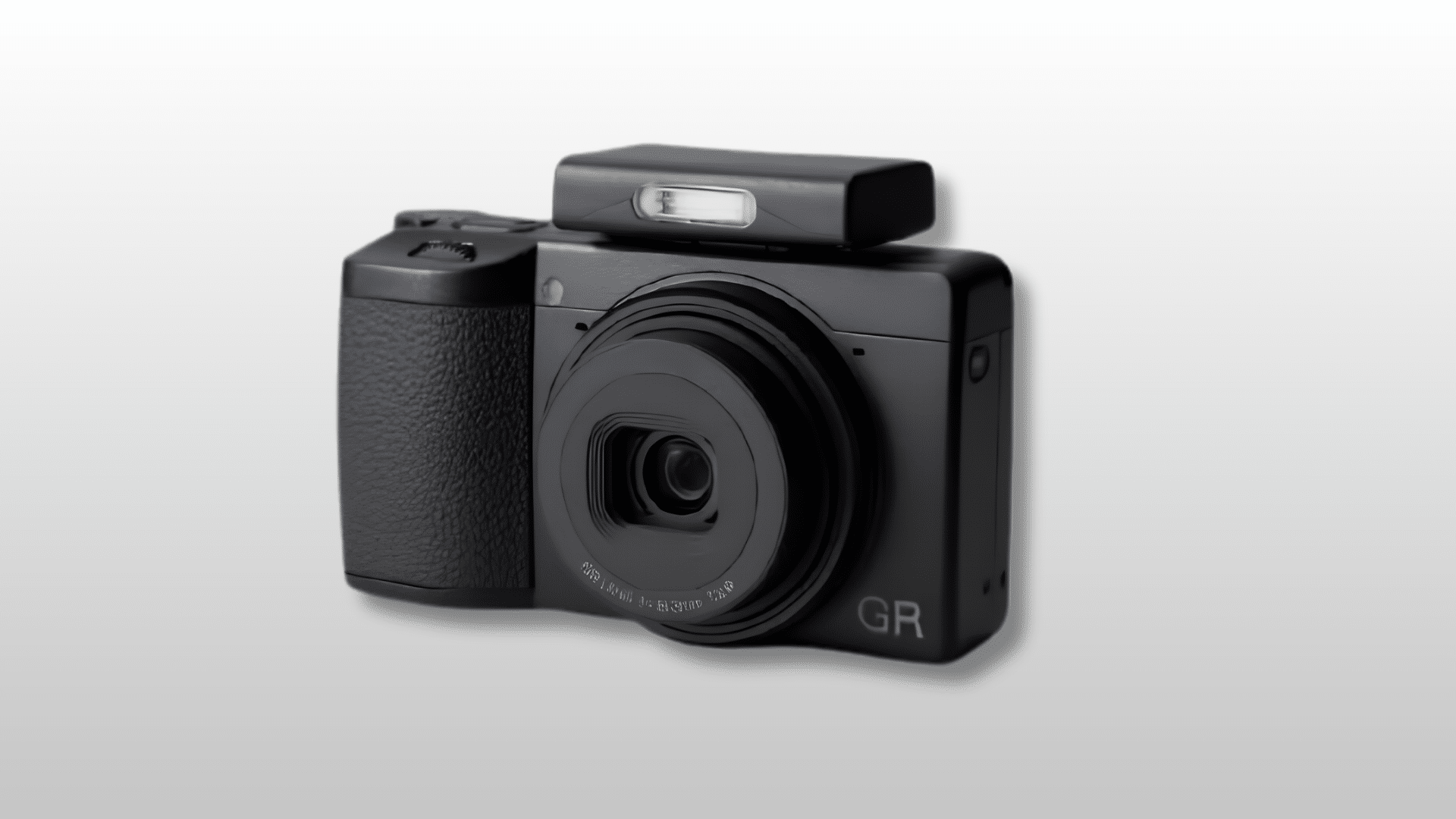
Ricoh kept the core formula intact and focused its updates on a handful of areas that longtime GR III shooters notice within the first few outings.
- Sensor: A new 25.7MP APS-C BSI sensor replaces the GR III’s 24MP front-illuminated sensor, paired with the new GR ENGINE 7 processor for cleaner files at high ISO.
- Lens: The redesigned 18.3mm f/2.8 lens adds an extra aspherical element aimed at sharper corners, while keeping the same 28mm equivalent field of view, a reminder that choosing the right lens shapes an image as much as the sensor behind it.
- Stabilization: Five-axis in-body stabilization replaces the previous three-axis system, moving the rating from 4EV to roughly 6EV of shake correction.
- Storage: Internal memory jumps from roughly 2GB to 53GB, big enough to function as a genuine backup if a card is forgotten or fills up, though the card slot itself shrinks to microSD.
- Startup and autofocus: A thinner lens barrel and a re-tuned autofocus algorithm shave real time off both power-on and focus lock.
None of these read as dramatic on paper, but the stabilization change is the one you notice within the first ten minutes of handheld shooting indoors.
Ricoh GR IV: Key Features
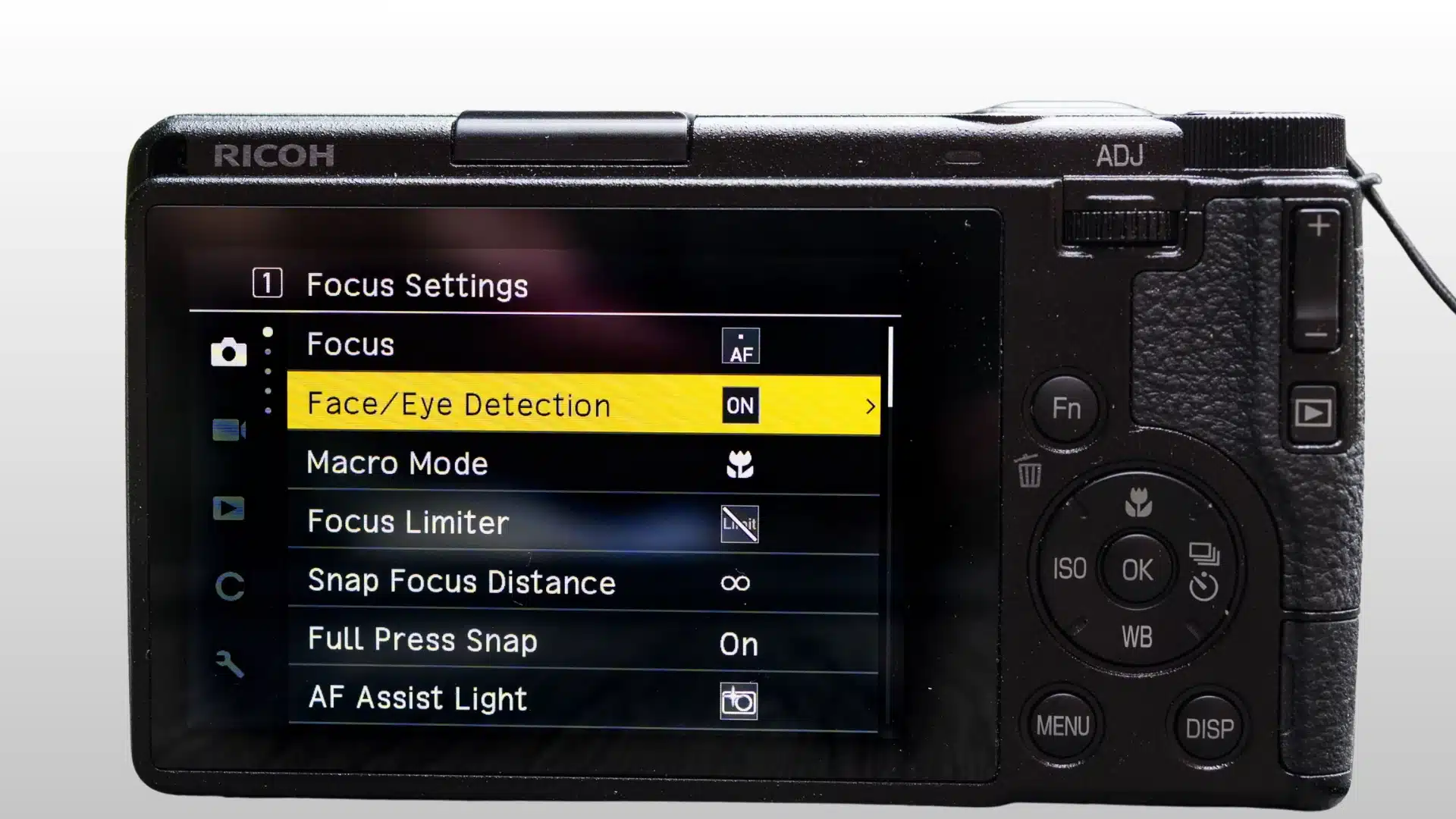
Beyond the sensor and lens upgrades, the GR IV carries several everyday features that shape daily shooting more than the spec sheet alone suggests.
1. Snap Focus and Snap Distance Priority
A preset hyperfocal distance mode now sits in its own spot on the mode dial, letting a photographer set focus distance and depth of field with a single turn instead of digging through a menu mid-shot.
This is the setting I reach for first on a busy corner, since it removes the half-second of hesitation autofocus can add when a moment will only happen once.
2. Customizable ADJ Menu
Up to five quick-access settings can be arranged in any order through the ADJ menu, keeping the most-used controls one press away without opening a full menu system.
One dial scrolls between categories such as color mode, drive mode, and ISO, while the other adjusts the chosen setting, so a photographer can reorder the layout around the controls they actually use during a typical shoot.
3. Built-In Image Control Modes
The camera ships with 14 film-inspired looks, including Positive Film, Hard Monochrome, and two new Cinema color tones, each with adjustable contrast, grain, and saturation for a distinct finished image.
Custom slots let a photographer save personal tweaks to any of these profiles, so a favored look travels from one shoot to the next without rebuilding the same settings by hand each time.
4. Dual-Band Wi-Fi and Bluetooth
Built-in dual-band connectivity pairs with the GR World app for remote shutter release, location tagging, and transferring images straight to a phone without a cable.
The dual-band setup also tends to hold a steadier connection than older single-band systems, which matters most when moving several RAW files at once rather than a handful of small JPEGs after a short outing.
5. Built-In 2EV ND Filter
A built-in neutral density filter cuts incoming light by two stops, letting you use slower shutter speeds in bright daylight without carrying a separate screw-on filter.
This matters most for anyone experimenting with intentional motion blur or shooting wide open in direct sun, since it removes the extra step of attaching and removing a filter mid-session while keeping the lens barrel compact and pocketable.
6. USB-C Port and Hot Shoe
A USB-C port supports charging and data transfer, making it easier to recharge and manage files while traveling, and the battery itself stays well under the limit for spare lithium-ion batteries permitted in carry-on bags. The hot shoe supports the optional GF-2 external flash unit for situations that require additional lighting.
These features explain why longtime GR shooters describe the camera as quick to operate once it is set up, often without opening a menu at all.
What Actually Changes When You Carry It for a Few Weeks
Specs are one thing, but the GR IV earns or loses trust in the small moments a review page cannot really capture. The first thing you notice is how little you think about the camera itself.
Snap Focus set to about two meters at f/5.6 turns most street scenes into a point-and-shoot exercise, and the improved stabilization means a dim cafe or a covered market no longer forces the usual trade-off that comes with shooting in low light: a blurry shot or a noisy one.
The 53GB of internal storage stopped being a marketing bullet point the day a microSD card slipped out of a jacket pocket, and the camera kept shooting anyway.
The trade-offs show up just as fast: the fixed screen makes low shots at a table or over a crowd a guessing game, and continuous autofocus on a kid running toward you is still a coin flip more than a guarantee.
None of that is a surprise if you have used a GR before. It is a camera built around one photographer’s timing, not around chasing a moving subject for you.
What to Expect from the Autofocus
Autofocus is the one area where nearly every hands-on account lands on the same conclusion, so it deserves a direct answer rather than marketing language.
Single-point and zone autofocus perform well, locking on quickly in good light and staying reliable for planned, composed shots.
Continuous and tracking autofocus tell a different story. Multiple testers describe the camera losing a moving subject or hunting briefly before locking on, a gap that widens compared to modern mirrorless bodies, and it’s worth understanding how mirrorless cameras differ before assuming any compact can match that speed.
In practice, this matched what I found: a kid on a bike or a dog cutting across a frame is the one scenario where the GR IV asks you to slow down and pre-focus rather than trust the camera to keep up.
Owners tend to rely on Snap Focus for anything spontaneous, treating tracking autofocus as a backup rather than a primary tool.
Where the GR IV Fits Into Nearly Three Decades of GR History
The GR name goes back further than most buyers realize. The original RICOH GR1 film camera arrived in 1996, built around the same idea the digital line still follows today: a fast wide lens, a small metal body, and controls fast enough to catch a moment before it closes.
The GR Digital launched in 2005, and the GR, GR II, GR III, and GR IIIx followed as the line moved to APS-C sensors while keeping that same footprint. The GR IV is the direct continuation of that approach rather than a reinvention of it.
Ricoh’s changes here- the sensor, the lens, the stabilization, the storage- read like refinements made by a company that has spent almost thirty years deciding what this specific kind of camera should and should not try to do.
Hands-On: Street Photography Performance

image source:ricoy-imaging.co.jp
Specs rarely capture how a camera behaves outside controlled testing, so this section focuses on independent hands-on impressions from photographers and reviewers who have used the GR IV for everyday shooting.
Reviewers who have carried the camera daily describe a body that stays out of the way: quick startup, one-handed controls, and enough discretion that people rarely notice it being raised for a shot.
The returned D-pad and exposure compensation rocker, borrowed from earlier GR models, make quick adjustments easier without pulling the camera from your eye.
MPB’s hands-on test echoes this, noting the improved stabilization opens up handheld shots in dim interiors that would have needed a tripod on the GR III. The tradeoff is a fixed screen that limits low-angle or overhead framing.
What the Ricoh GR IV Leaves Out
A camera at this price invites scrutiny over what it skips, and the Ricoh GR IV has a short but consistent list of omissions that shows up in nearly every review.
- No built-in flash: Ricoh sells a compact external unit, the GF-2, separately, and it mounts to the standard hot shoe rather than folding into the body.
- No viewfinder: electronic or optical, in any form, so every shot is composed on the rear screen.
- No official weather sealing: so you need extra care in rain, dust, or harsh conditions. There’s no adapter-based workaround here either, unlike some rivals.
- Fixed rear screen: which limits framing options in low or overhead angles and rules out flip-up selfie shooting.
None of these omissions are surprising for the GR line, which has always prioritized a small, pocketable body over added hardware. Buyers coming from other camera systems should expect these tradeoffs going in rather than discovering them after purchase.
Reddit Users Share Their Ricoh GR IV Experiences
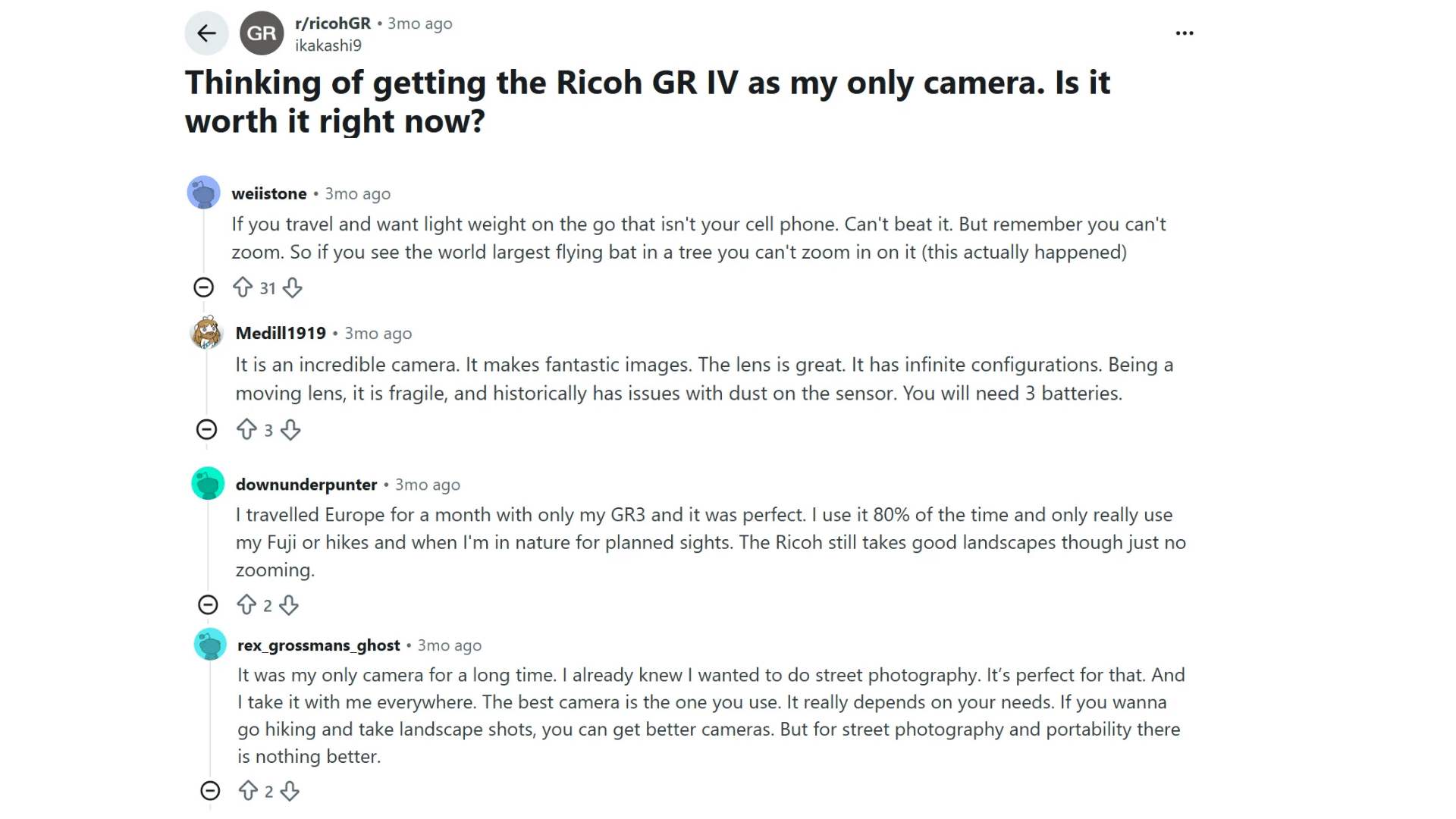
Photographers on Reddit often highlight the Ricoh GR series for its compact design, quick handling, and image quality.
In a discussion about using it as their only camera, users shared that it works especially well for travel and street photography because it is easy to carry everywhere.
Some mentioned that the fixed lens limits distant shots, while others praised its sharp images and everyday convenience. A few photographers also pointed out battery needs, lens durability, and previous dust concerns.
Overall, many agreed that the camera fits photographers who value portability, simple controls, and capturing daily moments without carrying heavier equipment.
Who the GR IV Actually Suits
- Street and travel photographers who want one small camera for an entire trip. This is the group I would point it toward first, since Snap Focus and the pocketable body solve more problems than any single spec does.
- Current GR III owners deciding whether to upgrade. The stabilization and storage jump are real, but if your GR III still meets your needs, the case for upgrading is about comfort, not necessity.
- Video shooters should look elsewhere. 1080p60 with no 4K is a hard ceiling for anyone planning to shoot much motion content.
- Beginners can use it, but the fixed 28mm lens and manual-leaning controls suit someone willing to learn the camera rather than expecting a point-and-shoot experience from day one.
Ricoh GR IV vs Ricoh GR III vs Fujifilm X100VI: Key Differences
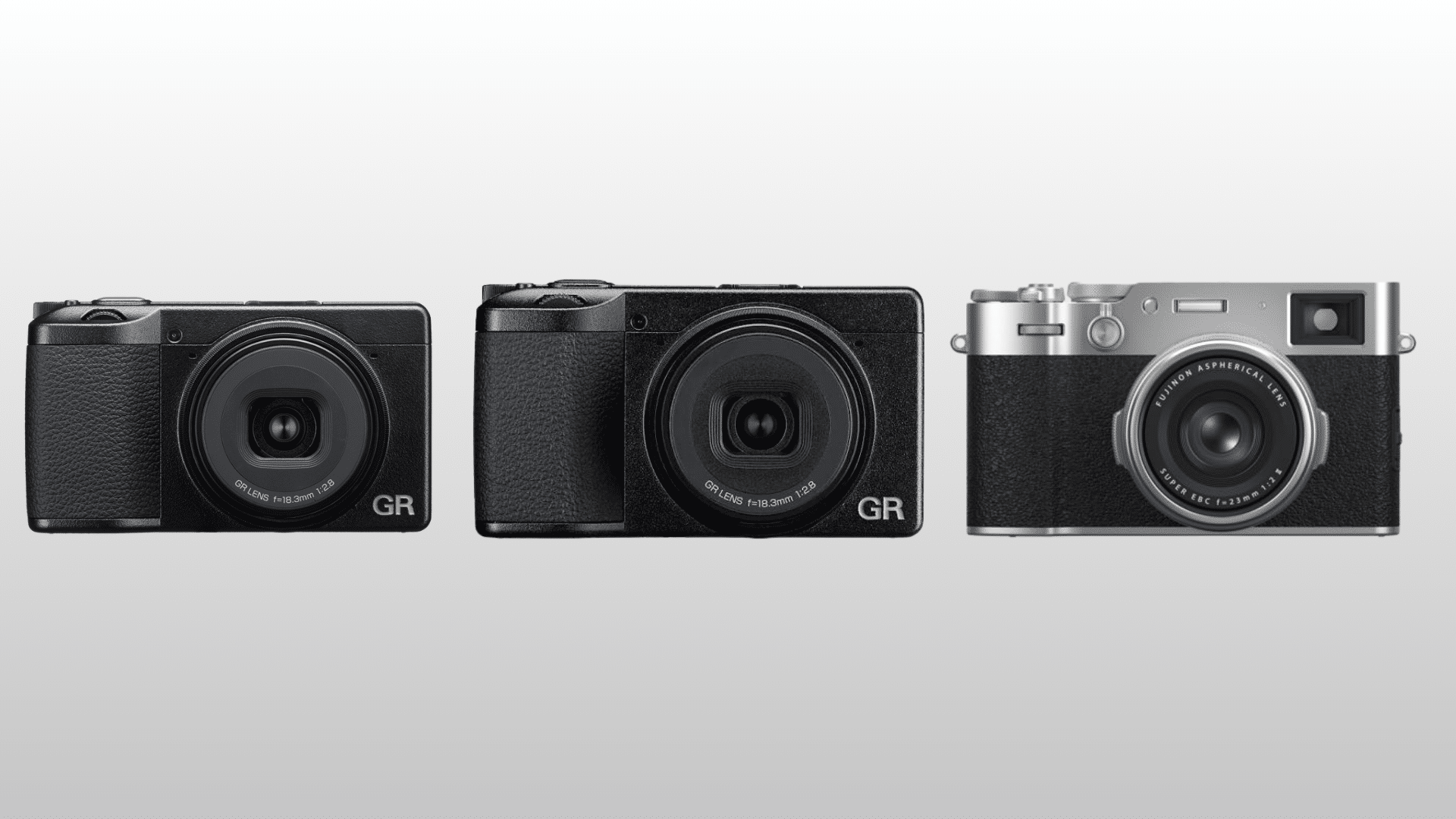
Buyers comparing the Ricoh GR IV against its closest rivals usually narrow the choice down to these two alternatives.
|
Factor |
Ricoh GR IV |
Ricoh GR III |
Fujifilm X100VI |
|---|---|---|---|
|
Price |
~$1,499 |
~$899 at launch |
~$1,799 |
|
Sensor |
25.7MP APS-C |
24MP APS-C |
40.2MP APS-C |
|
Lens |
28mm equiv. f/2.8 |
28mm equiv. f/2.8 |
35mm equiv. f/2 |
|
Viewfinder |
None |
None |
Hybrid optical/EVF |
|
Weight |
262g |
257g |
521g |
|
Weather sealing |
No |
No |
Yes, with adapter |
Choosing between these three usually comes down to pocketability against added features, since the GR IV wins decisively on size while the X100VI answers back with a viewfinder and weather resistance.
Price and Availability
Pricing on a camera this popular shifts with stock and seasonal promotions, so check current listings before buying.
The Ricoh GR IV launched at a manufacturer’s suggested price of $1,499.95 and became available to United States buyers in mid-September 2025. It has remained in regular stock at authorized retailers since launch, though specific colorways and bundle kits occasionally sell out during peak demand.
Retailers such as B&H Photo and Adorama typically price it between $1,499 and $1,600 depending on bundle inclusions. Our compact camera buying guide covers where to find current stock across major retailers. For current specs and availability, the official Ricoh Imaging GR IV product page is the most reliable source. Secondhand and open-box options through resale platforms often lower the entry cost.
Final Thoughts
The GR IV does not reinvent the GR line; it sharpens it. The new sensor, steadier stabilization, and 53GB of built-in storage genuinely change how forgiving the camera feels day to day, especially after a full card or a shaky low-light shot on a GR III.
Autofocus tracking still lags behind modern mirrorless bodies, and the price puts it beyond casual-buyer territory.
None of that changes who this camera is built for: photographers who want one small, dependable body for street and travel work, not a do-everything system camera.
If you already own a GR III, weigh the upgrade against what slows you down today, not the spec sheet. Have you tested the Ricoh GR IV? Share your thoughts.
Frequently Asked Questions
Can the Ricoh GR IV Process Raw Files In-Camera?
Yes, the camera can develop RAW files internally after a shot, letting you adjust parameters and output a JPEG without needing a computer nearby.
Does the Ricoh GR IV Have Any Weather Sealing?
No. Ricoh has not added official weather sealing to the GR IV, and no adapter-based solution like Fujifilm offers on the X100VI exists. Take extra care in rain, dust, or heavy humidity.
How Many Shots Does the Ricoh GR IV Get on a Single Charge?
Ricoh rates the DB-120 battery at approximately 250 shots per charge under CIPA testing standards, up from around 200 on the GR III. Real-world numbers usually run higher, since CIPA testing is intentionally conservative.
Does the Ricoh GR IV Work Well as a First Camera for Beginners?
It can work for a motivated beginner, though the fixed 28mm lens and manual-leaning controls suit someone willing to learn the camera rather than point-and-shoot from day one.
Is the Ricoh GR IV Better than a Smartphone Camera?
For low-light detail, background separation, and RAW editing flexibility, the larger APS-C sensor outperforms any current phone, though a phone remains faster and more convenient for casual snapshots.