Night-time hunting is often described as a test of patience, fieldcraft and nerve. In reality, it is also a demanding exercise in observation. Once daylight fades, familiar landmarks become harder to interpret, movement is easier to miss and judging distance becomes more difficult. Even experienced hunters can find that their usual approach needs to change after dark.
That is where thermal imaging can make a meaningful difference. Rather than amplifying visible light, a thermal device detects differences in heat and translates them into an image. This does not turn darkness into daylight, nor does it remove the need for good judgement. However, it can provide a clearer understanding of what is happening in the landscape—and that may change how you plan, scan and make decisions at night.
Seeing Heat Rather Than Relying on Available Light
Traditional night vision depends on ambient light, whether from the moon, stars or an infrared illuminator. Thermal imaging works differently. It identifies heat signatures, allowing warm animals to stand out against cooler backgrounds even in complete darkness.
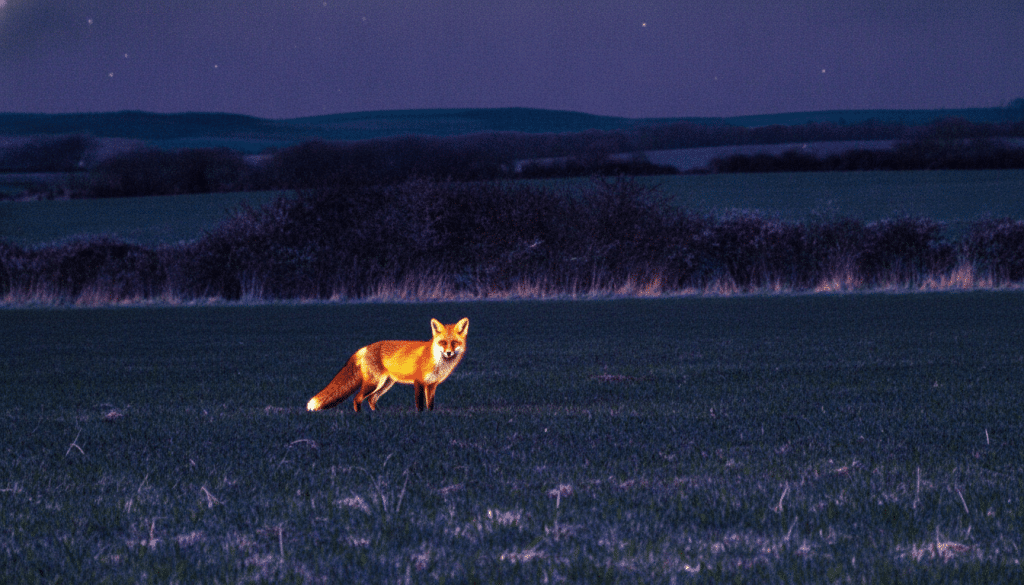
That distinction is particularly useful in challenging conditions. A fox crossing a field, a rabbit sitting in grass or a deer partially concealed behind vegetation may be difficult to identify with the naked eye. Thermal imaging can help reveal movement and presence before the animal reaches an open area.
It is important to understand the limits, however. A thermal image shows temperature contrast, not the same level of detail as a daytime optical image. Fur, foliage, weather and ground conditions can all affect the clarity of the picture. A hot object may be easy to detect but difficult to identify at a distance.
This is why thermal imaging should be viewed as an observation tool first. It helps answer questions such as: Is something moving along the hedge line? Is that shape an animal or a warm patch of vegetation? Has the field remained clear since the last scan?
Why Detection Can Change Your Tactics
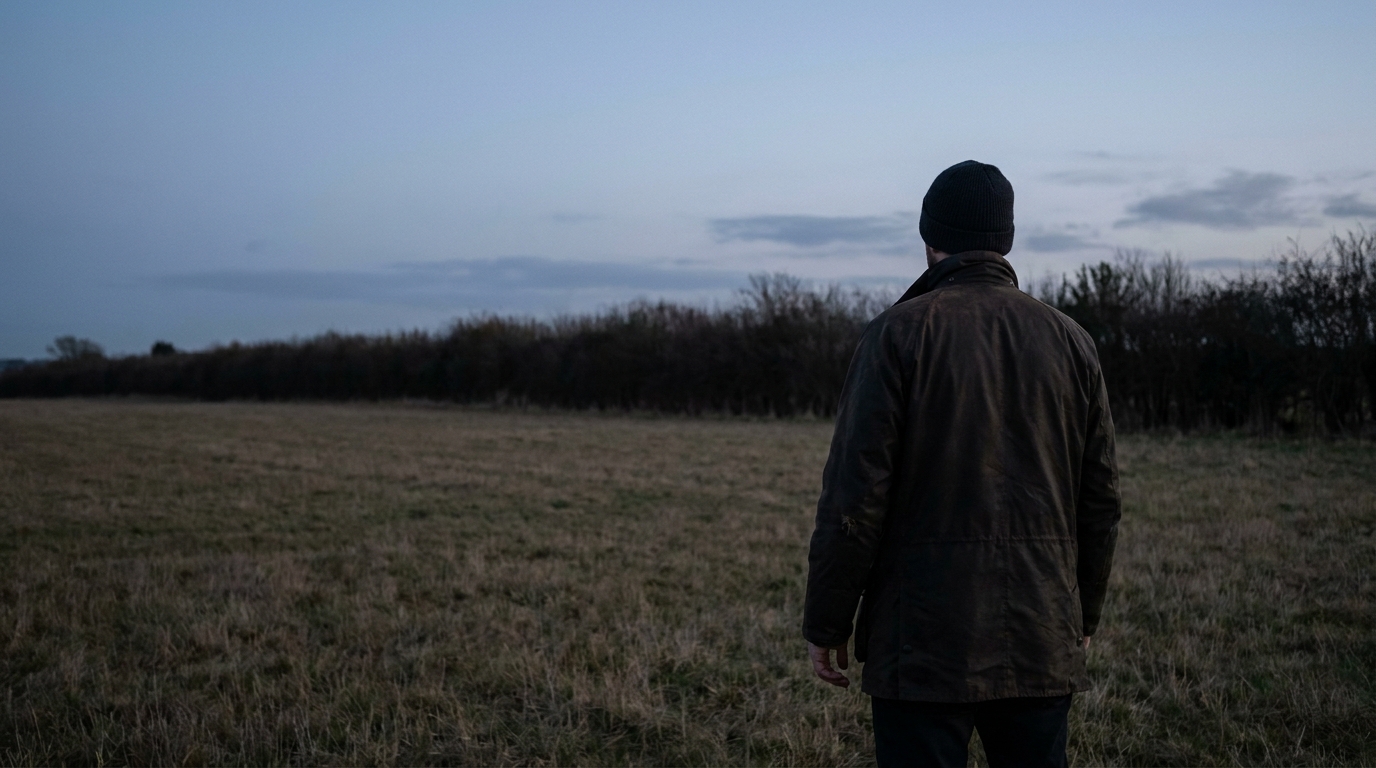
In daylight, a hunter may rely on visible cover, shadows and natural terrain features to position themselves. At night, those cues are reduced. Thermal imaging can support a more deliberate process by helping you scan an area before moving into it or settling into a firing position.
A productive routine might involve establishing a baseline first. Scan slowly across the field, woodland edge or valley, then pause and watch likely routes. Repeated movement is often more informative than a single glimpse. Animals may appear briefly between trees or disappear into dips in the terrain, so rushing from one heat signature to the next can lead to poor decisions.
Better detection can also encourage more selective hunting. Instead of assuming that every visible shape is a suitable target, you have more opportunity to observe behaviour and wait for a clear, safe position. That matters when working around livestock, public rights of way, buildings or complex backstops.
For those researching equipment, an overview of thermal optics for hunting can help explain the different formats available, from compact handheld monoculars to dedicated thermal scopes. The right choice depends less on maximum specification and more on how you intend to use the device.
Choosing Features That Matter in the Field
Thermal devices can include a long list of technical features, but not all of them will be equally valuable for every hunter. Practical performance should come first.
Detection Range Versus Identification Range
Manufacturers often quote detection ranges, but detecting a heat source is not the same as identifying it confidently. A device may detect a large animal at a considerable distance while offering much less certainty about species or behaviour. Think about the distances you actually hunt at, then assess whether the device provides useful detail within that range.
Sensor Resolution and Image Quality
Higher resolution generally produces a more detailed image, although lens quality, processing and display performance also matter. A clear, stable image can be more useful than an impressive headline specification that becomes difficult to interpret in poor weather.
Refresh Rate and Responsiveness
A responsive image is valuable when tracking an animal moving across uneven ground. Lower refresh rates can make fast movement appear less fluid, which may complicate observation. This is particularly relevant if you expect to scan actively rather than watch a fixed location.
Battery Life and Controls
Cold nights, extended waits and frequent scanning can drain batteries faster than expected. Look for a system with dependable runtime and controls that can be operated without taking your attention away from the surroundings. Familiarise yourself with menus and modes during daylight; learning them in the field is unnecessary frustration.
Thermal Imaging Does Not Replace Fieldcraft
The best equipment cannot compensate for weak preparation. Before heading out, establish the boundaries of the area, identify safe directions of fire and check local rules governing night shooting, species and land access. A thermal device may show an animal clearly, but it cannot tell you whether the wider situation is safe.
Distance estimation deserves particular attention. Thermal images can flatten the scene, making a nearby animal appear closer or farther away than it is. Rangefinders, known landmarks and pre-measured reference points can help, but they should support—not replace—careful judgement.
You should also practise recognition. Observe common wildlife in different conditions and learn how heat signatures change when an animal is standing, lying down or partially concealed. Understanding the difference between detection and positive identification is one of the most important skills in responsible night-time hunting.
A More Patient, Informed Approach
Perhaps the greatest change brought by thermal imaging is psychological. Darkness can create uncertainty, and uncertainty often leads people to scan too quickly or act too soon. A reliable thermal view can encourage patience by making it easier to monitor an area and wait for the right conditions.
That does not mean every outing will become more productive. Weather, animal movement and habitat still determine what happens in the field. Instead, thermal imaging can make the process more informed. You may spend less time searching blindly, identify patterns in animal movement and make better use of limited opportunities.
Used responsibly, it becomes part of a wider system: preparation, observation, safe shooting practice and respect for wildlife. The technology is valuable not because it removes the challenge of night-time hunting, but because it gives you better information with which to meet that challenge.
Ultimately, better thermal imaging may change your approach by shifting the emphasis from reacting to movement to understanding it. That is a subtle difference, but in the dark, it can make all the difference.