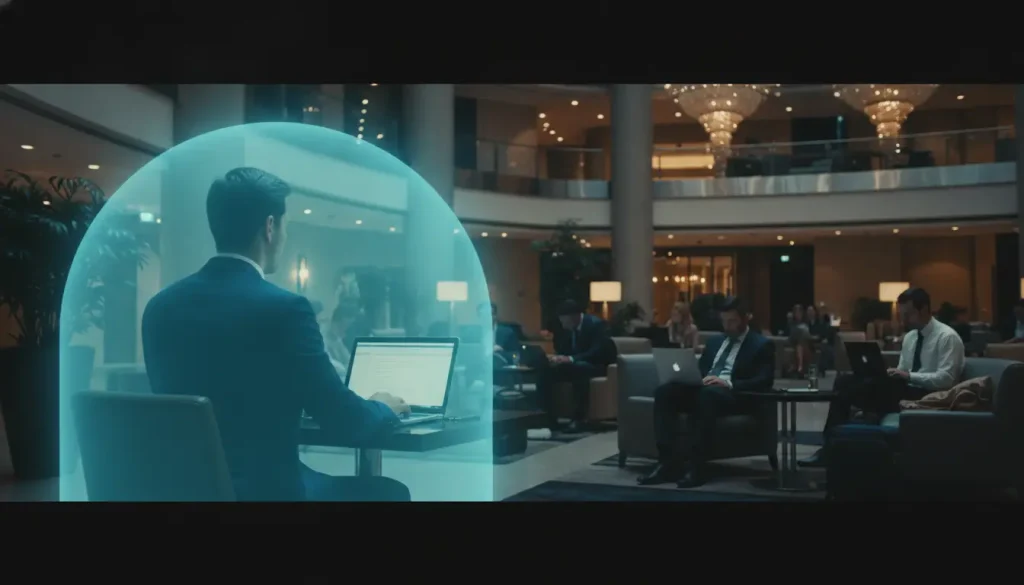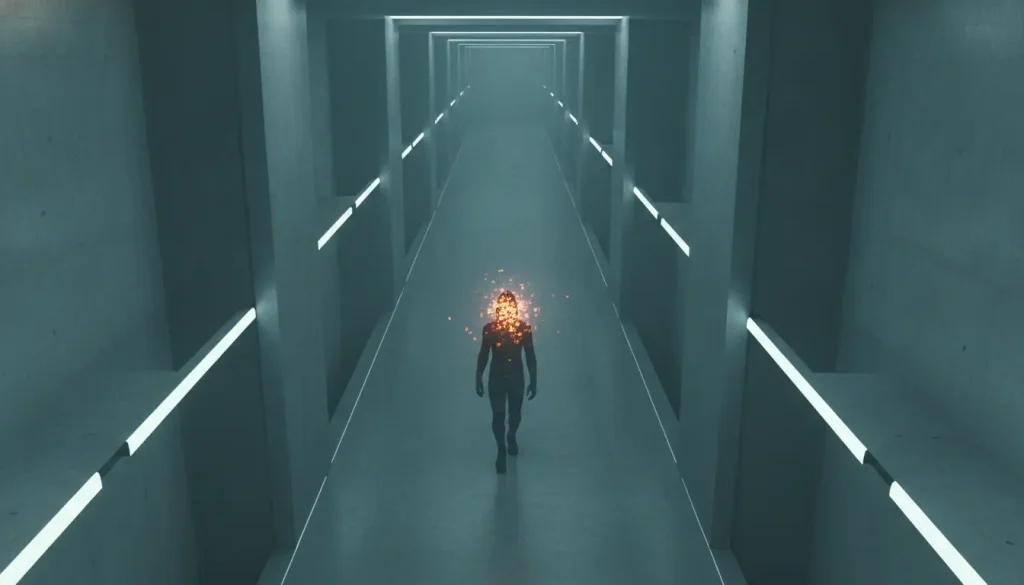
Recorded footage is everywhere now: body-worn cameras, dashcams, CCTV systems, interview recordings, workplace security feeds, and smartphone video captured in seconds and shared just as quickly. That growth has created obvious benefits. Video can document events accurately, improve accountability, and help organisations investigate incidents with far more precision than written notes alone.
But there’s a catch. The same footage that provides clarity can also expose people who were never meant to become part of the record.
A bystander walking through the edge of a frame. A child visible in school security footage. A patient name on a monitor in the background. A car registration plate, an employee ID badge, a street number, a reflection in a window. Identity exposure in video rarely happens in dramatic ways. More often, it happens through small details that are easy to miss and difficult to reverse once footage is released.
Why Identity Protection in Video Is Uniquely Difficult
Redacting a PDF or removing a line from a report is relatively straightforward. Video is different because identity is not limited to one field or one image. It can appear across time, across angles, and across multiple media layers at once.
It’s Not Just Faces
When people think of identity protection, they usually picture a blurred face. In reality, that’s only part of the problem. Individuals can often be identified through:
- distinctive clothing or tattoos
- vehicle number plates
- screens, paperwork, and badges in the background
- voices and spoken names
- location details tied to a time and event
That complexity is what makes video privacy so operationally challenging. You’re not simply hiding one element. You’re trying to reduce the risk of identification across visual and audio information that may change second by second.
Context Raises the Stakes
In some settings, the risk is especially high. Law enforcement footage may contain victims, witnesses, or minors. Healthcare recordings can expose sensitive personal data. Workplace footage may capture confidential operations or staff activity. Even in routine public-sector disclosures, a seemingly harmless clip can become problematic once it reaches a wider audience online.
And once that happens, there’s no real “undo” button. A document can be replaced. A viral video cannot.
Manual Review Alone Is No Longer Enough
Many organisations still rely on manual processes to review footage before release. That may have worked when video requests were infrequent and archives were small. It becomes far less practical when there are hundreds of hours to assess, tight disclosure deadlines, and growing public expectations around transparency.
Reviewing footage frame by frame is time-intensive and mentally exhausting. Human reviewers are good at spotting obvious identifiers, but fatigue introduces inconsistency. The twentieth minute of review is not the same as the third hour. Small misses become more likely, particularly when identifiers appear briefly or in cluttered scenes.
That pressure is one reason many teams are looking more closely at secure media redaction solutions that can help streamline the process while still keeping human oversight in place. The real value isn’t replacing judgment. It’s reducing the burden of repetitive detection work so reviewers can focus on accuracy, edge cases, and context.
The Technical Challenge Goes Beyond Blurring
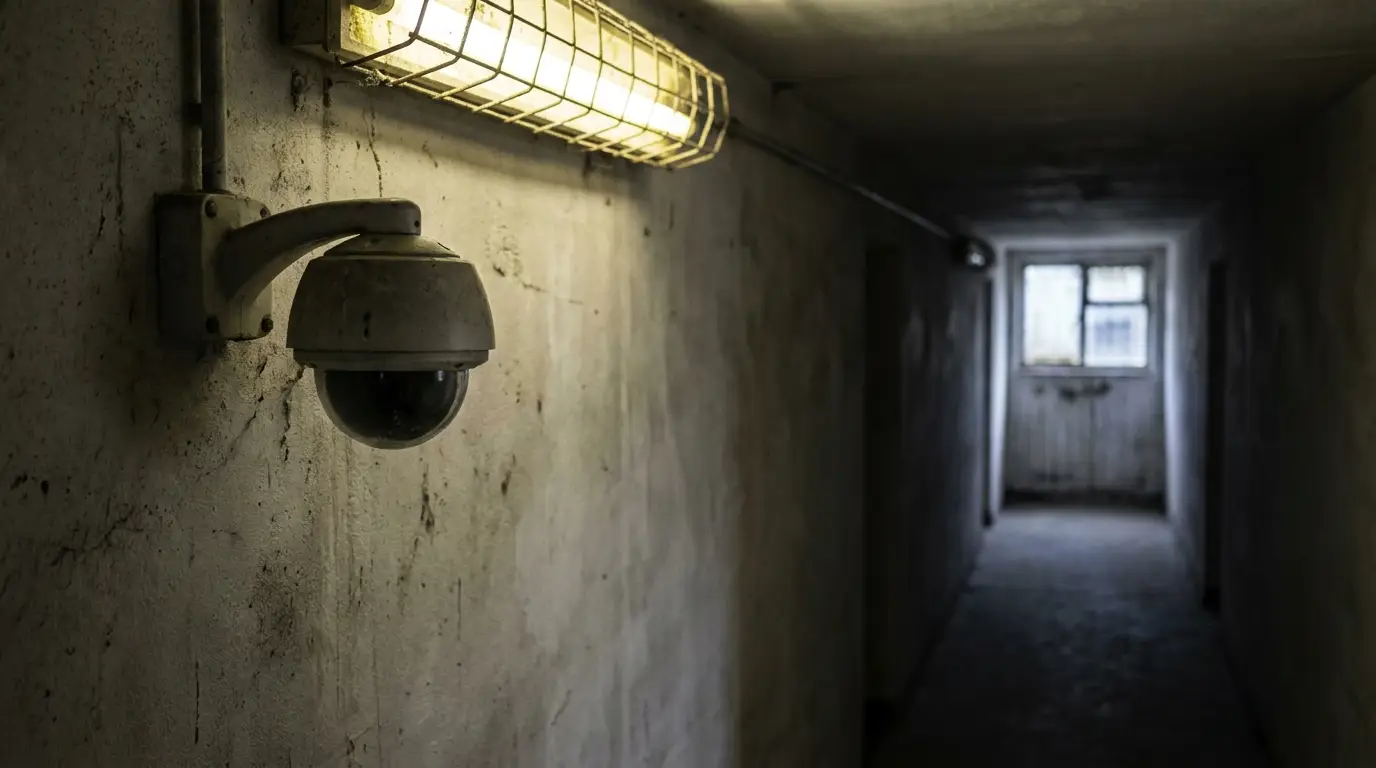
There’s a tendency to treat redaction as a simple visual effect. Apply a blur, place a black box, and move on. In practice, reliable identity protection requires much more.
Motion Changes Everything
A person rarely stays still in a frame. They turn, leave view, reappear, and overlap with other people or objects. A redaction method has to track movement consistently. If it loses the subject for even a second, the footage may expose exactly what it was meant to protect.
Audio Can Be Just as Revealing
A clip may conceal faces perfectly while still revealing names, addresses, or other sensitive information through speech. That’s why privacy review has to consider the whole record, not just the picture. Voice masking, transcript review, and audio redaction are often essential in cases involving vulnerable individuals or confidential settings.
Quality Problems Complicate the Work
Ironically, poor-quality footage can make privacy protection harder, not easier. Low light, shaky movement, unusual camera angles, and compression artefacts can all affect how reliably identifiers are detected. A blurred face in a grainy image may still be recognisable to someone familiar with the person, especially when paired with location or timing details.
Compliance Is Only One Part of the Picture
Data protection laws, freedom of information obligations, and industry-specific privacy rules all matter. But the challenge here is not purely legal. It’s reputational and ethical too.
If an organisation releases footage that exposes someone unintentionally, the consequences can travel far beyond a compliance issue. Trust erodes quickly when people believe they might be caught in a recording and later identified without consent. That’s particularly true in sectors where the public has little real choice about being recorded in the first place.
Protecting identity, then, is not just about avoiding penalties. It’s about preserving legitimacy. People are more likely to accept the widespread use of cameras when they believe safeguards are real, not theoretical.
What Good Practice Looks Like
The most effective approaches combine policy, process, and technology rather than leaning too heavily on any one element.
Start With Clear Release Criteria
Before footage is shared externally, teams should know what counts as sensitive, what must always be redacted, and when elevated review is required. Ambiguity is where errors thrive.
Build Review for the Real World
Policies often assume ideal conditions. Real footage is messy. Good workflows account for crowded scenes, poor lighting, overlapping conversations, and incomplete metadata. They also define who signs off on difficult cases and how decisions are documented.
Keep Humans in the Loop
Automation can accelerate detection, but final accountability still belongs with people. Human reviewers are the ones who understand nuance: whether a location detail could endanger a witness, whether a partial reflection matters, whether a seemingly generic scene becomes identifying when paired with external context.
The Balance That Matters
There’s a persistent tension in recorded media between transparency and privacy, as if improving one must weaken the other. In reality, the opposite is often true. When identity protection is handled well, organisations can share or disclose footage more confidently because the risks are better controlled.
That’s the balance worth aiming for. Not secrecy. Not blanket release. Thoughtful, defensible handling of media that respects both the public interest and the people caught on camera.
As recorded footage becomes more central to how institutions operate, this challenge will only grow. The question is no longer whether organisations need to protect identities in video. It’s whether their current methods are built for the scale, speed, and scrutiny of the world they’re now working in.