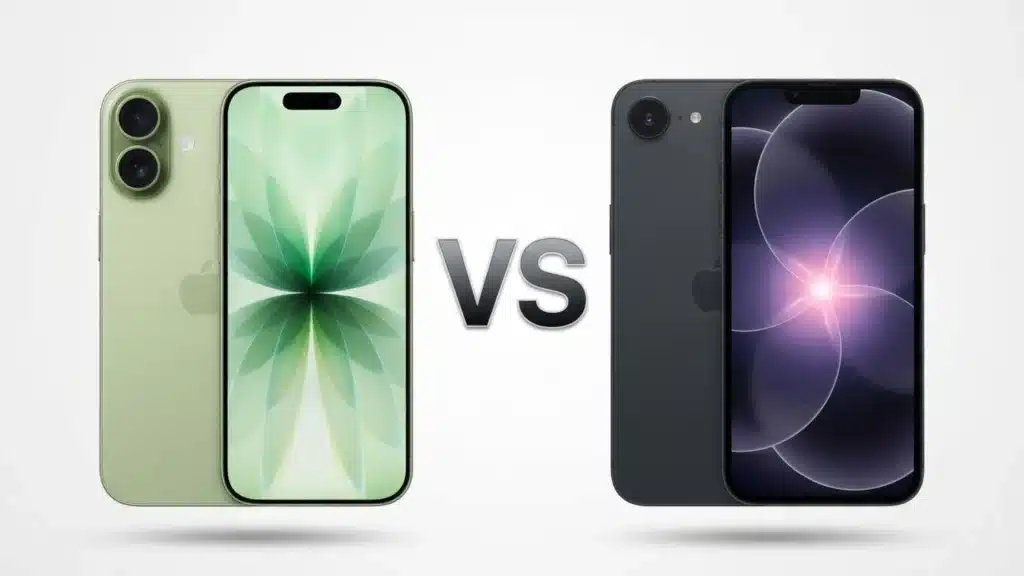
If you’re trying to figure out which iPhone has the best camera before spending real money on a new phone, you’re not alone; this is one of the most searched questions every time Apple releases a new lineup.
The short answer is the iPhone 17 Pro Max, but “best” depends on more than just a headline spec sheet; it depends on photo detail, low-light performance, zoom range, and how those features actually compare across recent generations.
Below, you’ll find a direct comparison of current and recent iPhone cameras, what genuinely makes the top model stand out, if megapixels matter as much as marketing suggests, and which iPhone fits your specific kind of photography.
By the end, you’ll know exactly which iPhone camera is worth your money.
Which iPhone Has the Best Camera Right Now?
As of Today, the iPhone 17 Pro Max has the best camera in Apple’s current lineup, and it’s not particularly close.
It’s the first iPhone to pair three 48MP sensors, covering the main, ultrawide, and telephoto lenses. Every lens captures the same high resolution, so the telephoto and ultrawide no longer trail behind in detail.
The telephoto lens uses a 4x optical zoom combined with sensor cropping to deliver what Apple calls 8x optical-quality zoom, according to official Apple specifications. That combination gives you real reach without the soft, digitally stretched look older zoom methods produced.
The iPhone 17 Pro shares the same camera system in a smaller, more pocketable body. If size matters more to you than screen real estate, you’re not sacrificing any camera quality to get it. The real gaps in the iPhone Air vs 17 lineup show up in battery life and thickness, not the camera.
How iPhone Cameras Compare Across Recent Generations
Seeing the recent lineup side by side makes it much easier to understand where each model actually stands.
| iPhone Model | Main Camera | Zoom | Standout Feature |
|---|---|---|---|
| iPhone 17 Pro Max | 48MP main, 48MP ultrawide, 48MP telephoto | 8x optical-quality | Largest main sensor, longest zoom Apple offers |
| iPhone 17 Pro | Same triple 48MP system | 8x optical-quality | Identical camera in a smaller body |
| iPhone 17 | Dual 48MP (main + ultrawide) | No telephoto | Strong mainstream pick without Pro pricing |
| iPhone 17 Air | 48MP main only | No telephoto | Thinnest design, camera trimmed to match |
| iPhone 16 Pro Max | Triple 48MP/12MP/12MP | Up to 5x optical | Still excellent, one generation behind |
| iPhone 15 Pro Max | Triple 48MP/12MP/12MP | Up to 5x optical | First iPhone with the tetraprism zoom lens |
Every step down the lineup trades away some combination of zoom range, sensor resolution, or low-light capability, so knowing what you’re giving up helps you pick intentionally rather than by price alone.
What Makes the iPhone 17 Pro Max Camera the Best
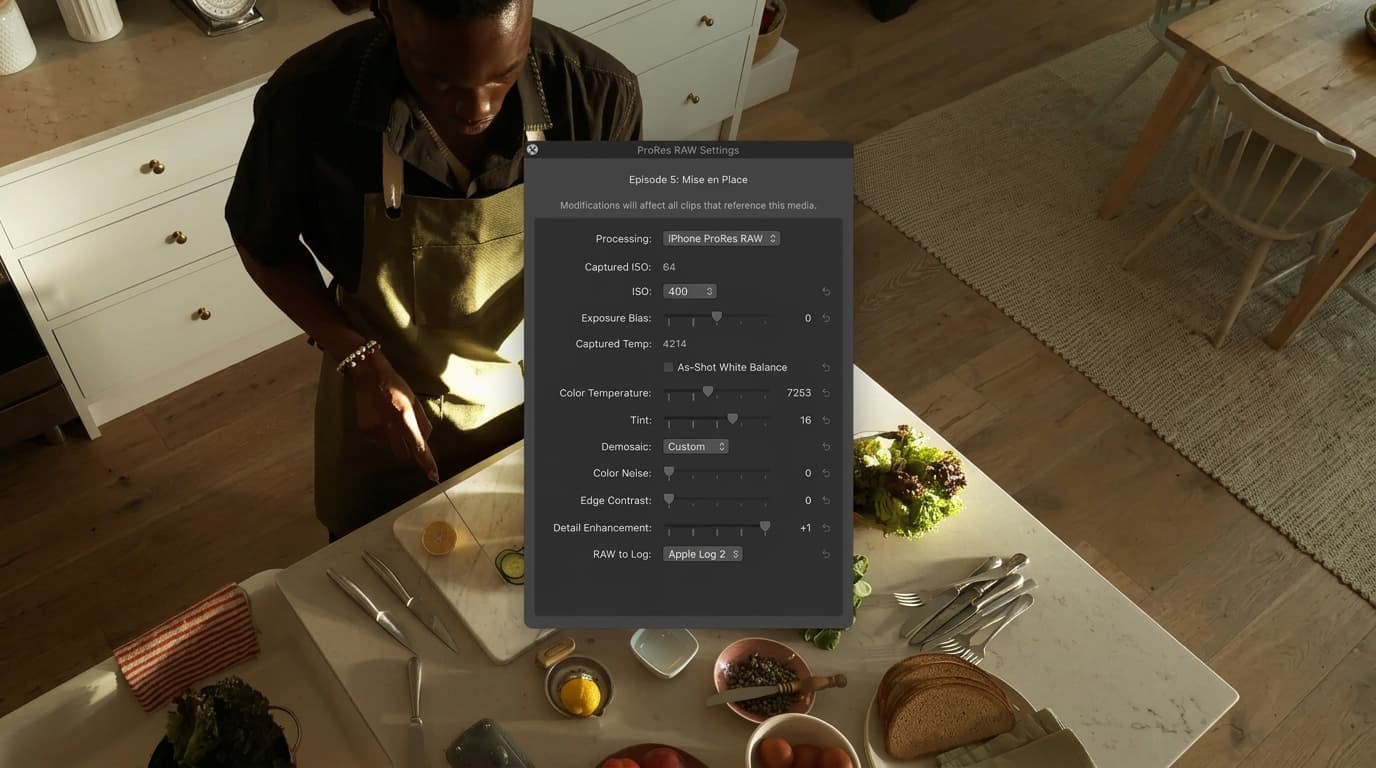
A few specific engineering choices are what separate this camera system from everything that came before it.
- Triple 48MP sensor system: for the first time, the main, ultrawide, and telephoto lenses all shoot at the same 48MP resolution, meaning you can crop hard into any shot, from any lens, without a noticeable drop in detail
- 8x optical-quality zoom: Apple’s 4x optical telephoto lens combines with sensor cropping to reach a 200mm equivalent focal length, giving truly usable zoomed shots rather than the mushy results older digital zoom produced
- Larger main sensor: the physically bigger sensor gathers more light than previous generations, which directly translates to cleaner, more detailed low-light and night photography
- Improved video and stabilization: support for spatial video recording and stronger stabilization make handheld footage noticeably steadier, especially useful for anyone shooting video regularly rather than just stills
Together, these upgrades, and a few practical smartphone photography tips, are why reviewers and photographers alike keep landing on the same answer when asked which iPhone has the best camera this year.
Best iPhone for Different Types of Photography
Different kinds of photography lean on different camera strengths, so the “best” iPhone can shift depending on what you actually shoot most.
1. Portrait Photography
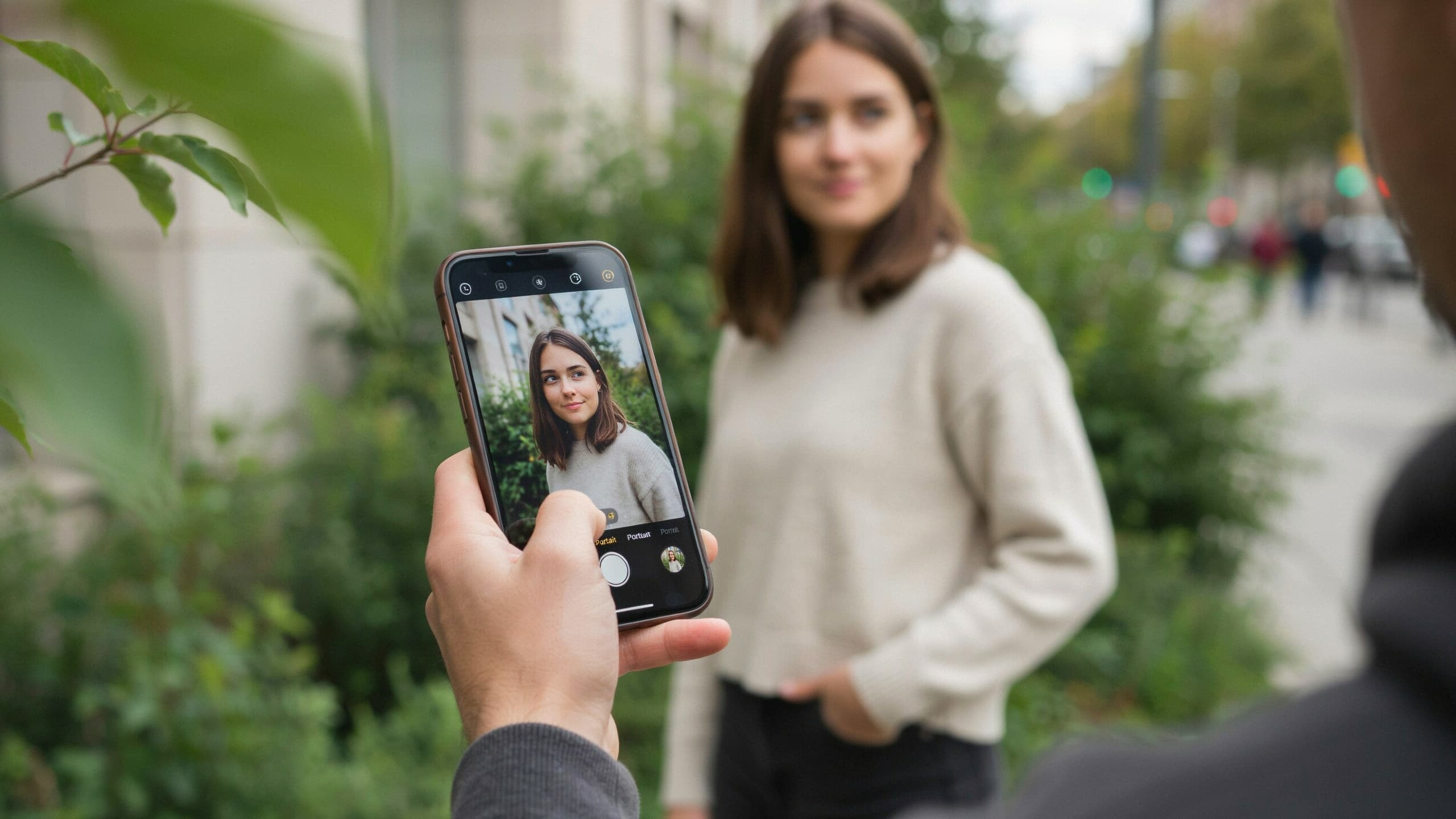
The iPhone 17 Pro Max and 17 Pro both produce the most natural-looking portraits in the current lineup. The dedicated telephoto lens creates real background blur rather than a purely software-simulated effect, and choosing the right lens still shapes how convincing that blur looks in practice.
Skin tones render accurately across lighting conditions, and edge detection around hair and glasses has improved noticeably over older models. Either Pro model delivers results hard to distinguish from a dedicated mirrorless camera in casual comparisons.
2. Landscape and Wide-Angle Photography

For landscapes, the 48MP ultrawide lens on the Pro models captures significantly more fine detail in skies, foliage, and distant textures than the 12MP ultrawide on older generations.
The wider brightness range also holds onto detail in both bright skies and shadowed foreground elements at once, something earlier iPhones often struggled with. Even the standard iPhone 17’s ultrawide, despite it lower resolution, still produces solid casual landscape shots.
3. Low-Light and Night Photography
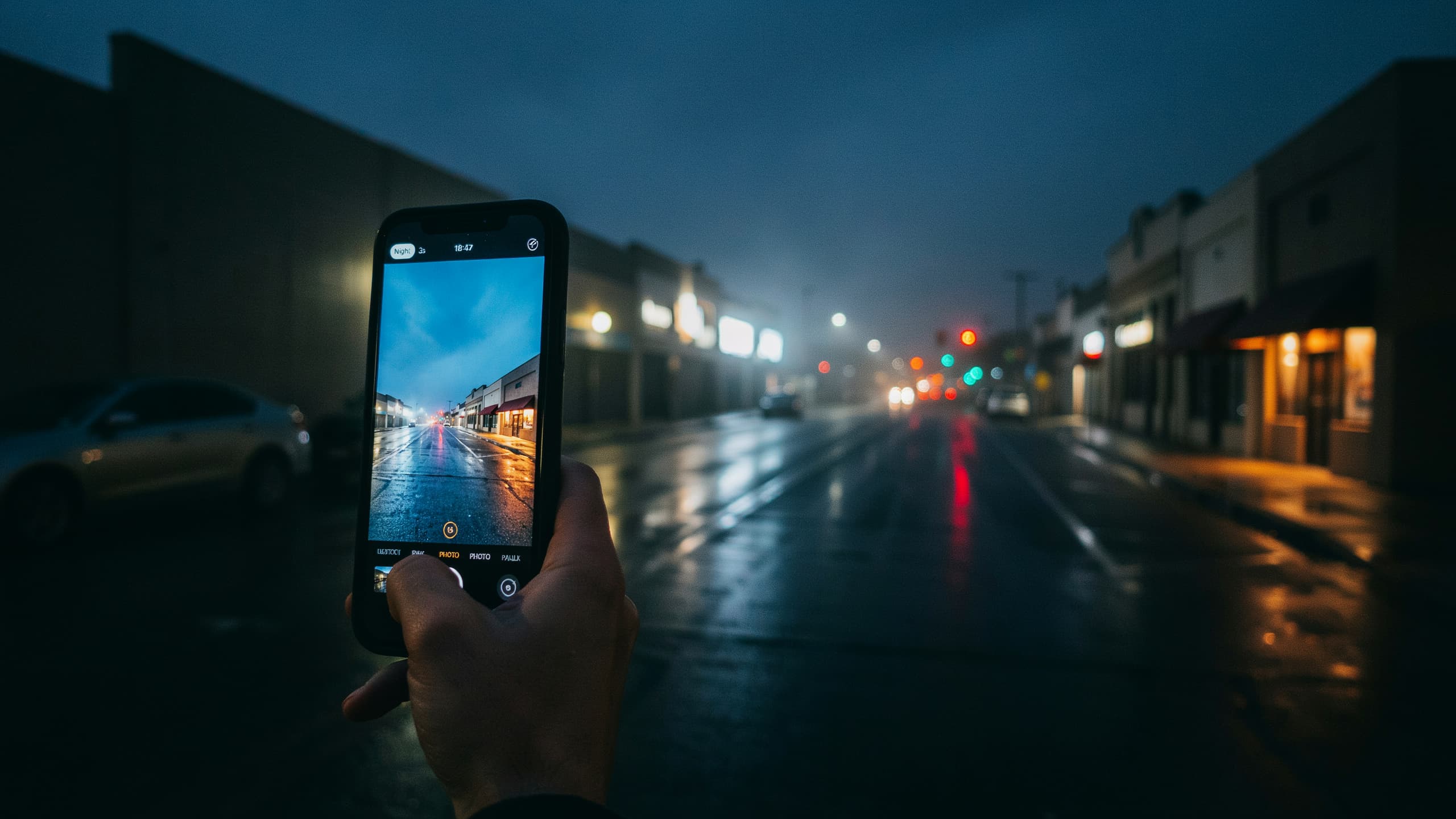
The iPhone 17 Pro Max’s larger main sensor is where night photography sees the clearest generational leap, gathering noticeably more light before Night mode processing kicks in.
This results in cleaner shadows, less visible noise, and more accurate color reproduction in dim environments compared to the 16 Pro Max or older models. Anyone shooting indoors, at concerts, or after sunset will notice the difference immediately.
4. Video and Vlogging
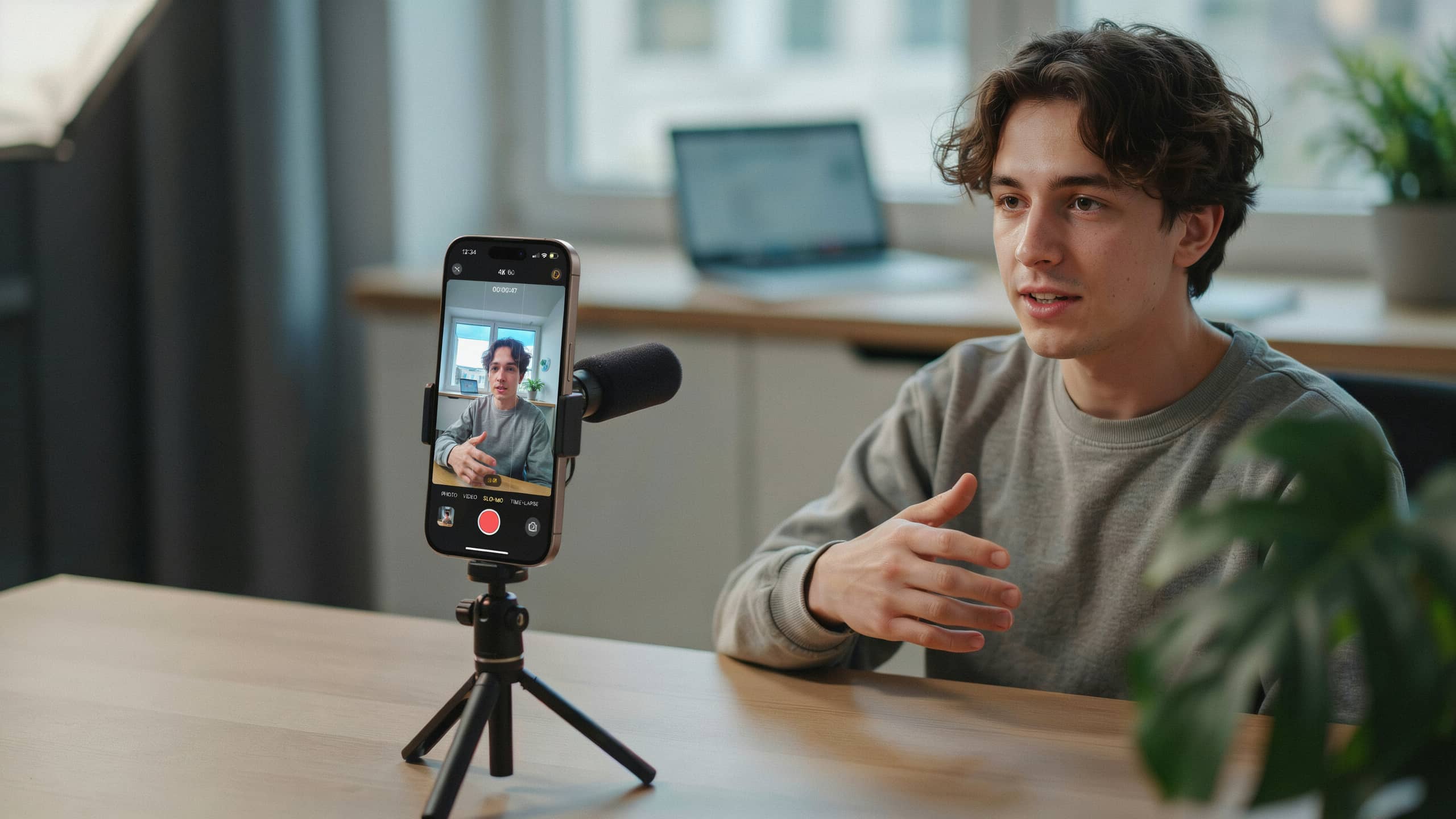
For video, the 17 Pro’s improved Center Stage front camera and stronger stabilization make it a strong pick for vloggers who need to stay framed while moving. A handful of amateur videographer accessories, like a gimbal or lav mic, close much of the gap between phone and dedicated video gear.
Spatial video and ProRes support on the Pro models give creators more editing flexibility than the standard iPhone 17 offers. If video matters more than photography, the smaller, lighter 17 Pro is often the more practical daily choice.
Best iPhone Camera for Different Needs
Beyond photography style, your budget and how you use your phone day to day also shape which model actually makes sense.
- Best overall, no budget constraints: the iPhone 17 Pro Max, if you want the outright best camera Apple currently makes and price isn’t the deciding factor
- Best compact option: the iPhone 17 Pro, delivering the identical camera system in a noticeably smaller, more pocketable body
- Best value for most people: the standard iPhone 17, since its dual 48MP setup handles the vast majority of everyday photography needs without Pro pricing
- Best budget pick: a refurbished iPhone 15 Pro Max or 16 Pro, both still delivering flagship-level photo quality for meaningfully less than a current-generation price tag
Matching your budget and daily habits against this list is usually a smarter approach than chasing whichever model has the highest spec sheet on paper.
Buying an Older or Refurbished iPhone for Its Camera
If budget matters more than having the absolute newest sensor, a refurbished older Pro model is a genuinely reasonable way to get strong camera performance for less.
A refurbished iPhone 15 Pro Max or 16 Pro Max still holds up well against most current Android flagships. The camera gap between a two-year-old Pro model and this year’s release is often smaller than people expect.
Before buying refurbished or used, confirm the device is a legitimate, properly authorized unit rather than a gray-market import. Checking a device’s FCC certification record is one straightforward way to verify that a phone was manufactured and sold through proper US channels.
What to Do with Your Old iPhone After Upgrading
Once you’ve decided on your next iPhone, it’s worth having a plan for the one you’re replacing rather than letting it sit in a drawer.
- Trade it in: most carriers and Apple itself offer trade-in credit that can meaningfully offset the cost of your new phone
- Sell it directly: older Pro models with strong cameras often hold resale value well, especially if the screen and battery are in good condition
- Recycle it responsibly: if the device isn’t worth selling, the EPA’s guidance on electronics recycling notes that recycled phones can recover meaningful amounts of copper, silver, gold, and other materials rather than ending up in a landfill
- Wipe your data first: regardless of which option you choose, fully erasing your personal information before handing off the device protects your privacy
Whichever route you pick, doing something intentional with your old phone beats letting it sit unused in a drawer for years.
Does More Megapixels Mean a Better iPhone Camera?
Not necessarily, and this is one of the more common misconceptions people run into while comparing phone cameras.
A 48MP sensor packed into a small physical space can still perform worse in low light than a lower-resolution sensor with larger individual pixels. Bigger pixels simply gather more light per shot.
That’s why the iPhone 17 Pro Max’s advantage isn’t just its 48MP count; several other phones on the market share that same number. It’s the combination of sensor size, Apple’s image processing, and lens quality working together.
When comparing iPhones specifically, resolution matters less than how Apple’s software and hardware handle that resolution once the shutter closes.
How to Choose the Right iPhone for Yourself
With so many models offering strong cameras, narrowing things down comes down to being honest about what you shoot.
- Identify what you photograph most: people and events call for a Pro model’s telephoto lens and natural background blur
- Be honest about your usage: casual photos and social content are well covered by the standard iPhone 17
- Factor in your real budget: a refurbished Pro model often matches the newest release closely enough to skip the price jump
- Think through your habits: zoom, low light, and video use matter more here than the overall spec sheet
None of these have a universally right answer; they just narrow the decision to what matters for how you use your phone.
Final Thoughts
So, which iPhone has the best camera? For 2026, it’s the iPhone 17 Pro Max, thanks to its triple 48MP sensor system, a truly usable 8x optical-quality zoom, and the clearest low-light improvement Apple has made in years.
That said, the 17 Pro delivers the identical camera in a smaller body, and the standard iPhone 17 covers most everyday needs well. Even a refurbished older Pro model still takes reliably great photos for considerably less money.
The right choice really comes down to what you shoot most and how much you’re willing to spend to get there.
Compare your actual photography habits against the picks above, and choose the model that matches what you’ll realistically use rather than just the one with the biggest spec sheet.
Frequently Asked Questions
Does the iPhone Camera Get Worse Over Time?
Not the hardware itself. iPhone camera sensors don’t wear out with normal use, though a worn lens coating, a cracked screen protector, or smudged glass can visibly affect image quality. Battery degradation can also occasionally limit features like Night mode, which need sustained power to process a shot properly.
Is the Standard iPhone Camera Good Enough for Most People?
Yes. The standard iPhone’s dual 48MP setup handles everyday photography, social media, and casual video well, and most people won’t miss the telephoto lens unless they often shoot distant subjects or lean heavily on zoom for concerts, wildlife, or sports.
Do iPhone Cameras Get Better With Software Updates?
Somewhat. Apple regularly refines its image-processing algorithms through iOS updates, which can slightly improve color accuracy and low-light performance, though hardware limitations still set the outer boundary of what’s possible.
How Often Does Apple Release a New Camera System?
Apple typically introduces meaningful camera hardware changes annually with each new iPhone generation, though the most significant jumps, like this year’s triple 48MP system, tend to arrive every two to three years.