A food truck runs out of cold products two hours into a festival. The venue cooler filled fast, restock trips take too long, and the frozen menu item never makes it to the window. Guests notice. Vendors scramble. The failure didn’t start in the kitchen. It started in the plan.
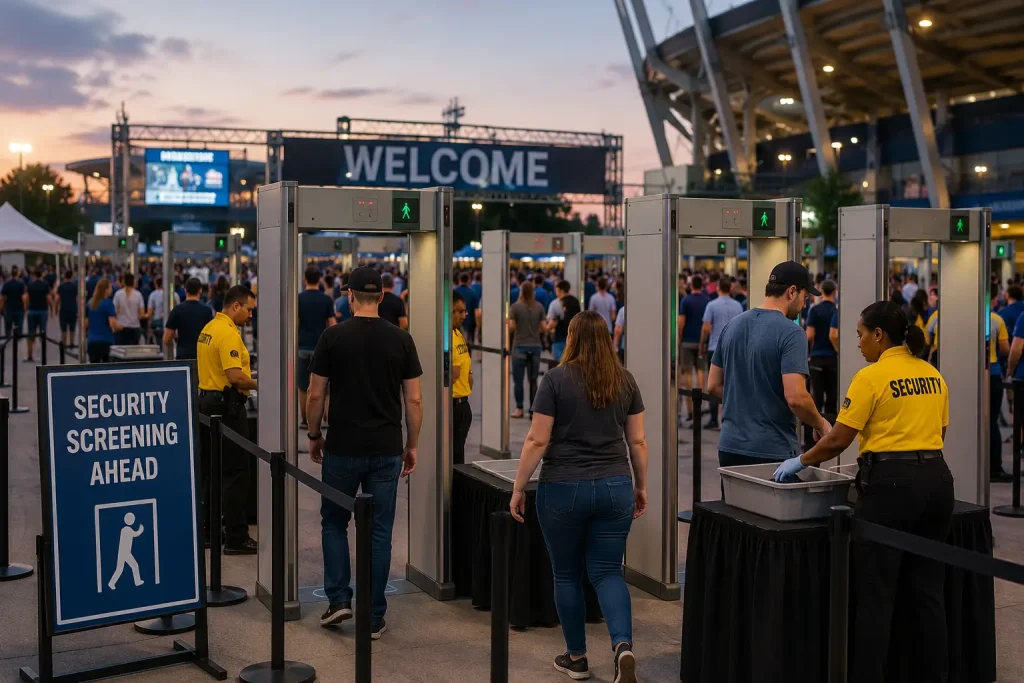
Cold storage works like staffing, power, and load-in scheduling. It needs the same coordination. At the FIFA World Cup 2026, organizers moved 4.6 million soft drinks and bottled waters and 5.5 million beers across 645 sites, according to FIFA. That scale shows how food and beverage logistics shape every event.
Start With the Event Profile, Not the Equipment
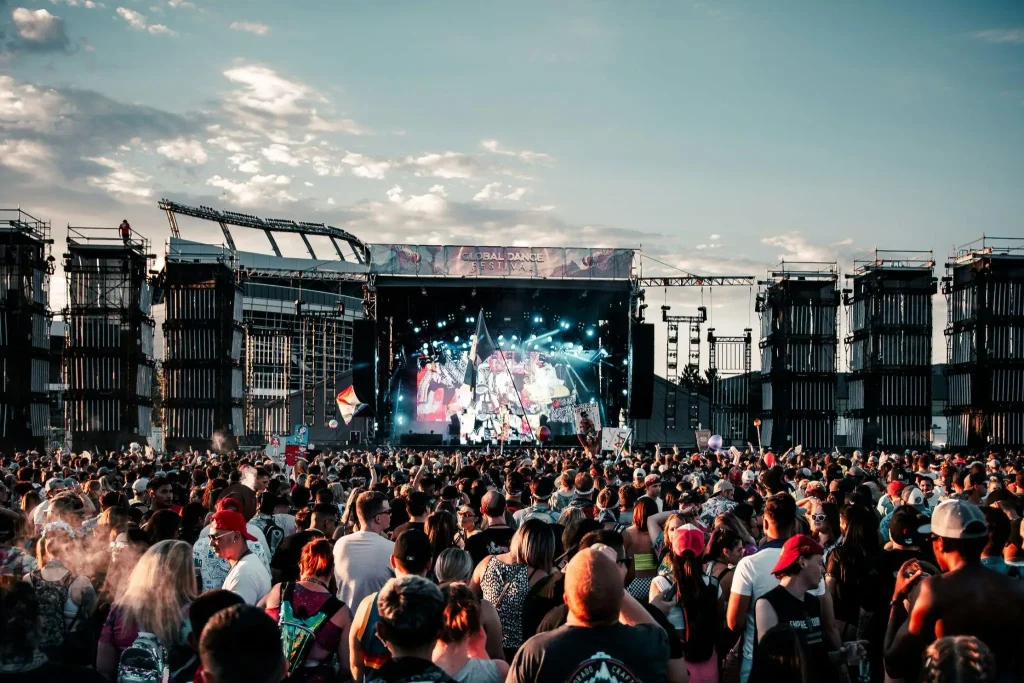
Every cold storage decision starts with a clear picture of the event itself, not a rental catalog. An organizer needs to know the guest count and how fast service moves, because a slow brunch crowd and a concert rush pull differently on a cooler. The menu matters too. A lineup heavy on frozen desserts behaves nothing like one built around cold salads and dairy, so that split shapes what you order.
From there, the picture gets sharper. How many vendors share the same storage? When can delivery trucks restock? How do service windows line up across the day? Multi-day festivals and multi-zone venues add another layer, since storage needs can shift from morning to night. Answer these questions first, and the equipment choice becomes obvious instead of guesswork.
Estimating How Much Storage You Actually Need
Most cold storage problems start at the sizing stage, before anyone loads a cooler. The pre-service peak, the moment when the most product sits on site before service begins, should drive your entire estimate.
What to Factor Into Your Estimate
Base your estimate on peak inventory, not average demand. The average day means little when the real test is the busiest hour before doors open. Packaging adds up fast too.
Cardboard cases and foam coolers take up more room than the product itself, so save space for packaging, not just food. Shelving and airflow clearance eat into usable space too, since air needs room to circulate around stacked product. Many planners use a buffer of 15 to 20% above the expected peak, though that figure works as a planning guideline, not a fixed rule.
What to Avoid When Sizing Storage
Skip the generic per-guest formulas floating around online, like one to one and a half cubic feet per guest. Those numbers sound precise, but they rarely trace back to an independent source, and they swing widely by menu and service format. Treat sizing as a calculation your team runs for this event, not a shortcut borrowed from someone else’s.
Choosing the Right Mix of Cold Storage
Most events need more than one type of cold storage, and not just one big unit. But the right mix comes down to the menu, how many vendors share the space, what the site allows, and whether frozen inventory is even part of the plan.
Venue Refrigeration and Portable Coolers
Venue walk-in coolers handle refrigerated produce, beverages, and ready-to-serve items well, especially at smaller or venue-based events. Ice-backed portable coolers step in when you need extra capacity for a short service window. But neither one holds a true frozen zone, so once a frozen product enters the picture, both options run out of runway fast.
Portable Freezers and Refrigerated Trailers
That’s where a dedicated freezer earns its place. Events storing ice cream, frozen proteins, ice, or backup stock often need a portable freezer rental from Response Logistics instead of stretching the same unit meant for refrigerated ingredients and drinks.
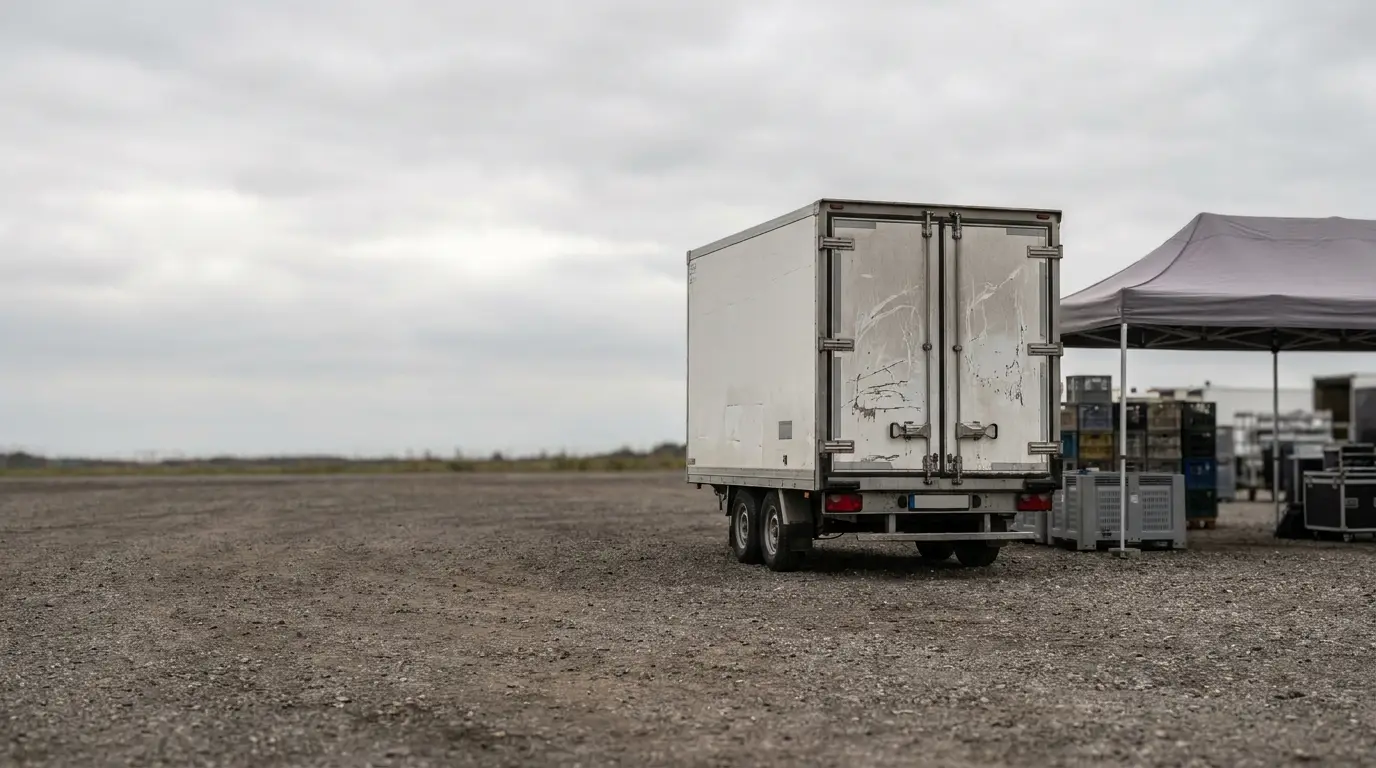
Larger festivals and multi-day events tend to outgrow single units altogether, and that’s when refrigerated trailers come in, built for higher volume across longer stretches. Specs vary by model and manufacturer, so confirm exact operating temperature and power needs directly with the provider before you commit to a unit.
Off-Site Staging for Multi-Day Events
Multi-day events often lean on off-site refrigerated staging and timed delivery windows to restock on-site units as needed. This keeps the site footprint smaller and means one equipment failure doesn’t wipe out the entire inventory at once.
Placing Equipment Around Staff Flow
Where you place a cold storage unit matters almost as much as what you rent. A few site details get missed again and again, and they end up costing time once service starts.
- Loading dock or vehicle access for deliveries and restocking runs
- Level, stable ground, since uneven surfaces break the door seal and rock the unit
- Clear door swing clearance so staff can move product without squeezing past a half-open door
- Distance from guest-facing areas, so equipment noise and traffic stay out of the way
- A short walk from vendor stations, so restocking doesn’t eat into service time
- Shade or cover, since direct sun raises the ambient temperature around the unit
- Secure overnight access for multi-day events
- Clear access for emergency vehicles at all times
Power, Monitoring, and What to Do When Something Fails
Cold storage only works if the power stays on and someone’s watching the numbers. Both need a plan before load-in, not a scramble once the doors open.
Verifying Power Before Load-In
Every unit has its own voltage and amperage needs, and those numbers vary by model, so confirm them with the rental provider rather than guessing. Decide early whether each cooler runs on a dedicated circuit or shares a generator with other equipment, since a shared load can trip under pressure.
Route cables away from foot traffic and vehicle lanes. Line up fuel or battery backup. Settle who takes action if power drops, whether that’s the venue, the caterer, or the rental company, before anyone needs to ask.
Temperature Standards and Monitoring
Pre-cool every unit before the product arrives. Use a calibrated thermometer, not the built-in dial, and keep a written temperature log throughout the event. Assign one person to check readings and act on alerts, so responsibility doesn’t get lost between vendors. Keep raw proteins separate from ready-to-eat items in shared storage.
The FDA Food Code, 2022 edition with the December 2024 supplement, sets 41°F or below as the cold-holding benchmark and requires frozen food to stay frozen. Many jurisdictions treat it as a model standard, not binding law, so confirm local rules with your health authority, and AFDO’s state-by-state directory helps. USDA FSIS guidance adds that perishables shouldn’t sit in the danger zone more than two hours, or one hour above 90°F.
Planning the Failure Response
Plan the failure response before the event opens. Line up backup power or a secondary unit, plus a transfer location if a cooler goes down. Keep the rental provider’s maintenance contact on hand, and set a clear temperature threshold that triggers action. Establish a notification chain so staff knows who to call, and document any food that exceeds safe holding time before disposing of it.
When the Plan Works, No One Notices
Good cold storage planning does three things at once. It keeps food safe, keeps vendors moving, and keeps guests happy, and none of that requires anyone in the crowd to notice a thing.
In fact, that’s the real sign it’s working, because guests never think about the cooler humming behind the booth, so vendors can restock without missing a beat, and service just keeps going.
That kind of outcome starts long before load-in day. So loop in the venue team, the cold-storage vendor, and the local health authority early, and let the event profile you built earlier guide every decision from there.