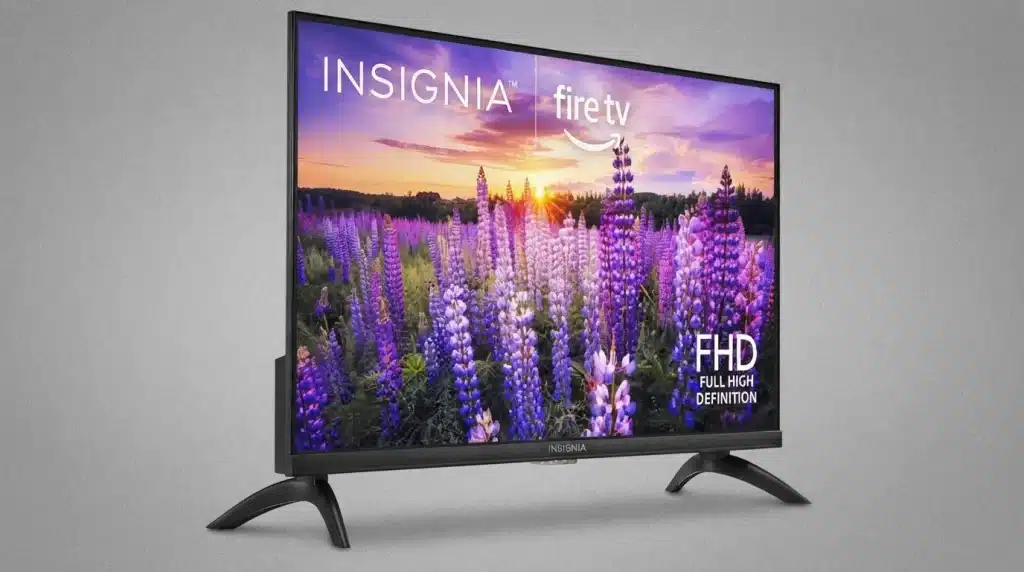
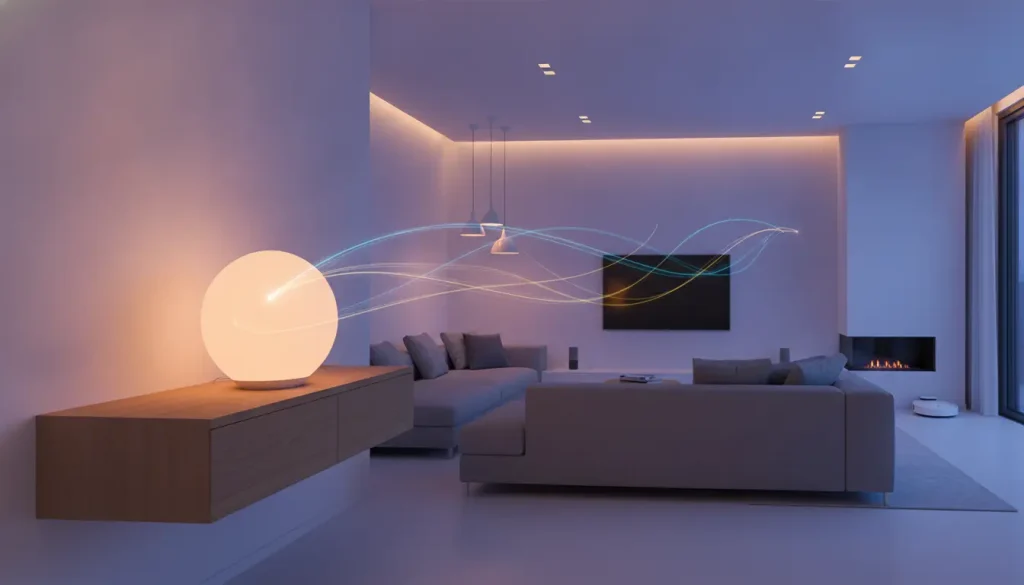
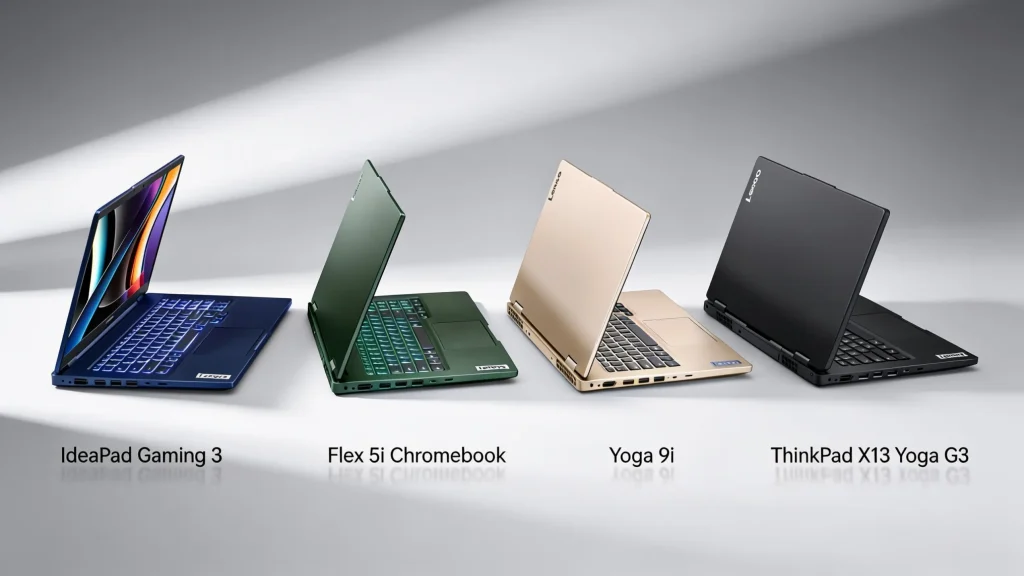
Smart homes are rapidly becoming the norm, rather than the exception. In fact, one report found that 93% of Americans have at least one smart home device, with speakers, doorbells, security cameras and thermostats topping the list of the most popular devices. And a growing number of people are making smart devices a fully integrated part of their home, covering everything from appliances to lighting.
But as Jeff Rodgers, CMO of Indra Energy notes, this excitement surrounding smart homes and their technology should also be matched by a commitment to making smarter energy choices. With smart energy choices as the foundation for the home, using smart home tech can become much more efficient and climate-friendly.
Big Tech, Big Bills
Recently, much of the conversation surrounding energy use and technology has been centered on high-use data centers. But for everyday households, Rodgers explains, smart technology can often be an energy saver, rather than an energy consumer.
“A lot of the smart technology we’re seeing developed for home use today often takes energy-efficiency into account right from the start,” he notes. “Even something as simple as a smart plug or a smart power strip that automatically shuts off during the night helps reduce energy use from vampire power drain. A big part of the appeal behind smart thermostats is their ability to adjust heating and cooling automatically based on household activities and preferences. These things really add up over time.”
Of course, not all smart home features are designed specifically with energy-saving features in mind. Smart home add-ons like a smart fridge or robot vacuum tend to focus on convenience, rather than energy savings, when advertising their appeal to everyday customers.
With these types of purchases, Rodgers advises that homeowners also consider the energy cost associated with their smart home upgrades. “A smart fridge can help you know when you need to buy groceries or give you recipe suggestions, but for smart energy use, they’re not all created equal. A smart fridge that is Energy Star certified or that can run energy-saving cycles is going to be way more impactful for your home energy use. It’s important that you carefully research things like estimated energy use, as well as what green features are — or aren’t — included so you can lower your energy usage.”
Proactively Going Green
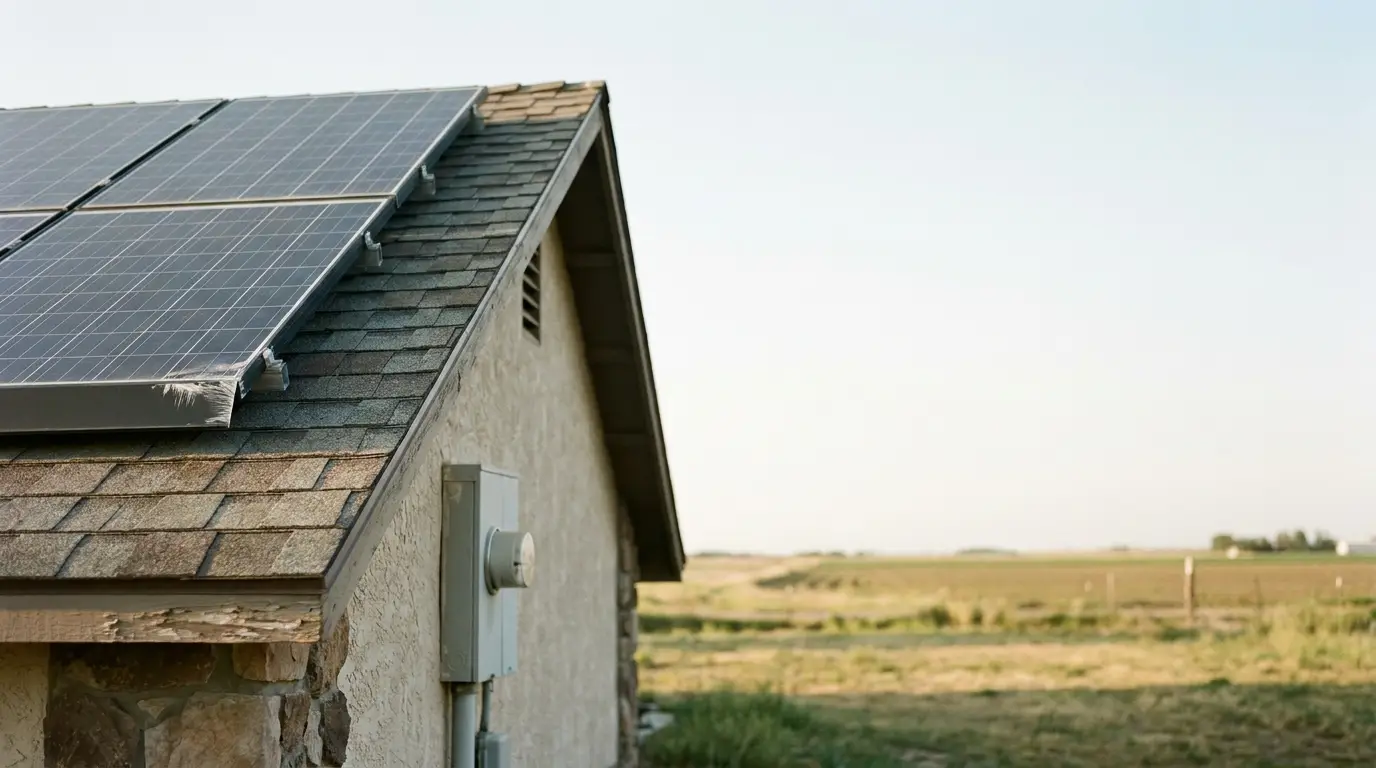
Of course, careful evaluation of smart home devices isn’t the only energy choice that homeowners need to consider. Rising electric and natural gas bills across the country are causing many to reassess where they get their energy from.
For environmentally-conscious households, Rodgers sees increased access to renewable energy as a key foundational decision. “Interest in solar and other renewables is continually growing, but not everyone can afford to put solar panels on their roof,” he notes. “But by letting customers use renewable energy credits (REC) to offset their electricity use, or carbon offsets for natural gas use, it ensures that they are reducing their environmental impact even when they don’t make any other changes to their property.”
The appeal of such energy plans, particularly in deregulated markets that allow consumers to use such options, is driving steady growth in the renewables space. Indra Energy reports that its REC-backed electricity plans grew 73% from 2023 to 2024, even as solar panel installations nationwide fell by 31%. The company also saw a 53% growth in REC purchases in four of its markets in 2024. Even when household budgets are tight, RECs and carbon offsets offer households an increasingly appealing way to minimize their environmental impact.
Foundational Energy Choices Matter
Energy use habits can be especially important in smart homes, both for lowering monthly utility bills and in reducing the household’s environmental impact. As noted earlier, many smart devices are specifically designed to lower energy use. But as Rodgers explains, adapting personal habits can be just as valuable in creating a foundation of wise energy use.
“Those little habits have a bigger impact than we realize. Things like running a ceiling fan so you can set the thermostat a bit higher during the summer really make a difference over time. Tracking your energy use can also be a great way to find areas where you can change your habits, or where a specific appliance is consuming more energy than you’d like. Proactively changing your habits or devices to be more energy smart can go a long way.”
Just consider these examples from the Alliance to Save Energy: Using air dry instead of heat dry on the dishwasher can lower its energy use by 15%. Changing air filters every three months can lower HVAC energy use by as much as 15%. Cold water washes and lowering water heater temperatures can also dramatically lower energy use. Whether with smart appliances or “regular” ones, these basic changes can help both your wallet and the environment.
Making Smarter Energy Choices
Smart technology is an exciting proposition for many homeowners — but it’s just as important to focus on what this means for your long-term energy use. As Rodgers’s insights reveal, starting with basic green energy principles for home energy use will ensure that no matter how technology changes, you’ll be able to be as energy-efficient as possible.