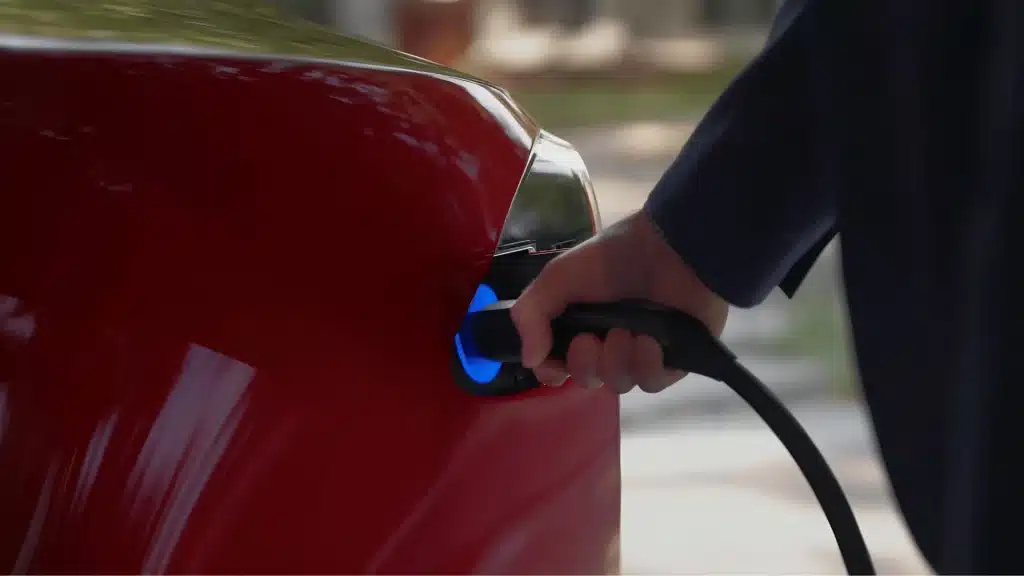
| Model | Battery | Level 1 (120V) Full Charge | Level 2 (Wall Connector) Full Charge | Supercharger (V3) 10-80% | Supercharger Full Charge |
|---|---|---|---|---|---|
| Model 3 | 75–82 kWh | 3–4 days | 8–10 hours | 15–20 minutes | 30–40 minutes |
| Model Y | 75–82 kWh | 3–4 days | 8–10 hours | 15–20 minutes | 30–40 minutes |
| Model S | ~100 kWh | 5–7 days | 12–20 hours | 30–40 minutes | 60–90 minutes |
| Model X | ~100 kWh | 5–7 days | 12–20 hours | 30–40 minutes | 60–90 minutes |
| Cybertruck | 123 kWh | 6–7 days | 11–12 hours | ~45 minutes | 70–90 minutes |
What Affects Tesla Charge Time?
Not every Tesla charges at the same speed, even on the same charger. Five variables drive most of the variation you will see in practice.
- Battery size and model: Larger Tesla batteries, like those in the Model S, hold more energy than smaller packs in the Model 3. Full charging takes longer, even with the same charger. How aggressively you use regenerative braking settings also affects how much range you recover between charges.
- Charger power output: Charger speed matters most. A 250 kW Supercharger delivers power dramatically faster than a standard wall outlet, cutting charging time and making long-distance travel far more convenient.
- State of charge (SOC): Tesla batteries charge fastest between 10% and 80%. Charging slows after 80% because the battery management system reduces power to protect the battery’s long-term health.
- Ambient temperature: Cold weather increases battery resistance, slowing charging. Extremely low temperatures can also reduce driving range, while excessive heat may slightly affect charging efficiency and battery performance.
- Battery preconditioning: Preconditioning warms the battery before charging begins. A properly heated battery accepts higher charging speeds immediately, improving efficiency and reducing waiting time at charging stations.
Tesla Charging Levels Explained
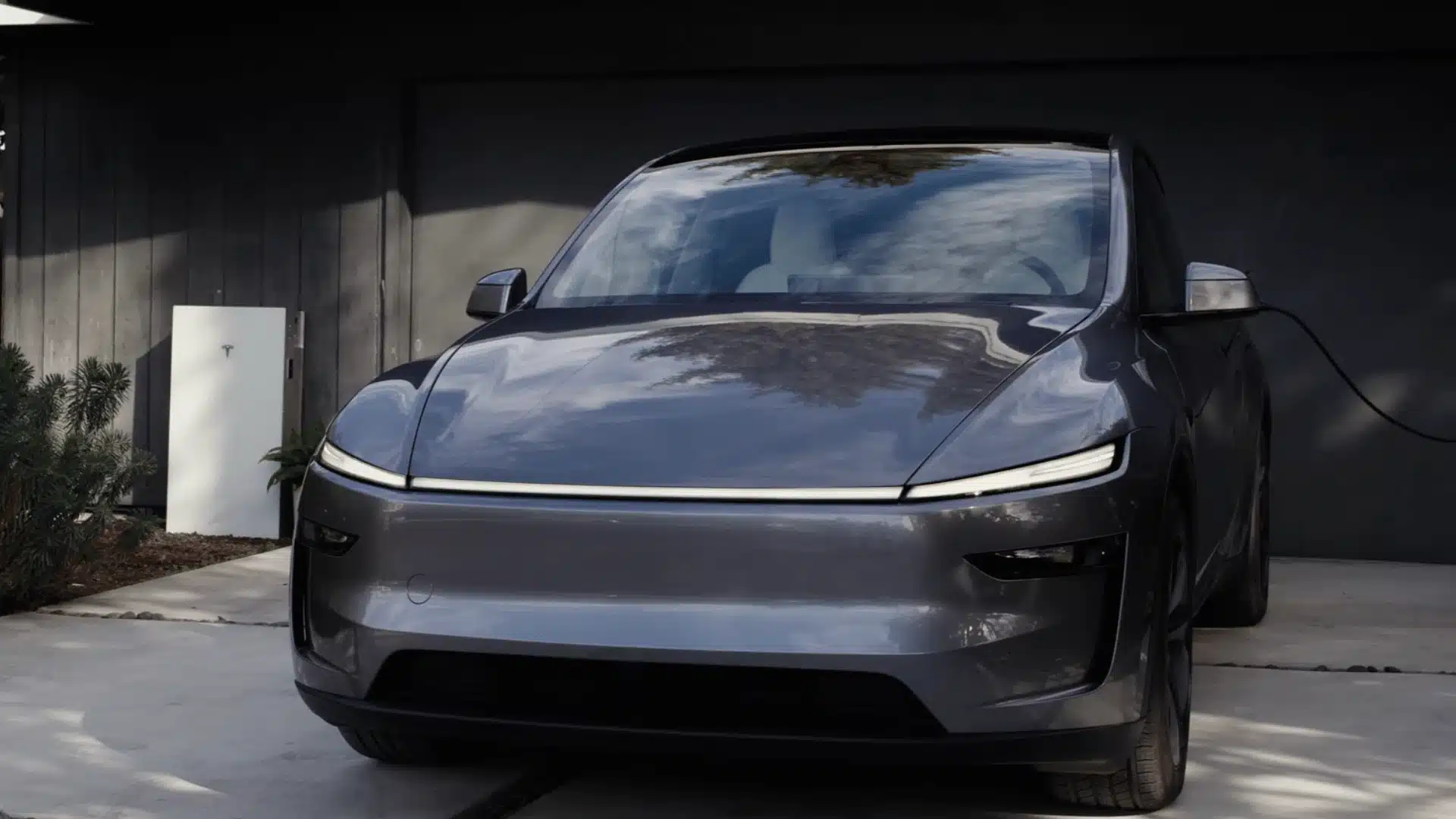
Every Tesla supports three charging levels. The right choice depends on how fast you need power and where you are parking.
1. Level 1 Charging (120V Standard Outlet)
Level 1 charging uses Tesla’s Mobile Connector plugged into a regular household outlet. It delivers around 2 to 3 miles of range per hour, making it the slowest charging option.
Charging a Tesla from nearly empty to full can take 2 to 4 days, depending on the battery size. Overnight charging may handle a short commute, but longer daily driving can leave the battery short by morning.
This option works best for emergencies or occasional charging.
2. Level 2 Charging (240V Home Charger)
Level 2 charging is the most common setup for Tesla owners. A Tesla Wall Connector on a 48-amp circuit adds up to 44 miles of range per hour, while a NEMA 14-50 outlet delivers around 30 miles per hour.
Charging a depleted Model 3 battery generally takes 8 to 12 hours, making overnight charging simple and convenient.
For most owners, Level 2 charging fully supports daily driving needs without regular trips to public charging stations.
3. Level 3 Charging (DC Fast Charging / Supercharger)
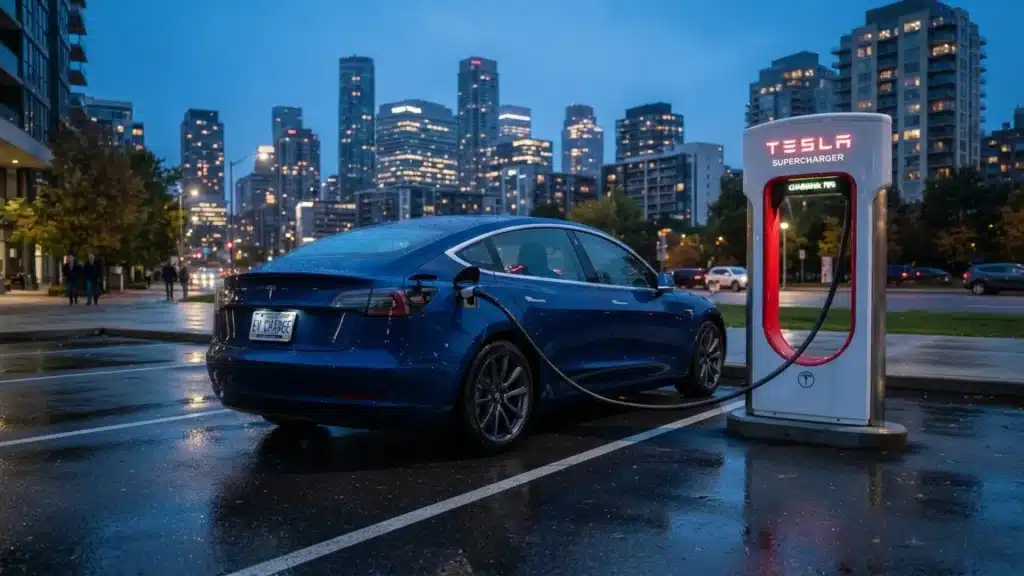
Level 3 charging includes Tesla Superchargers and other DC fast chargers built for rapid charging. Tesla V3 Superchargers can deliver up to 250 kW, adding nearly 200 miles of range in about 15 minutes.
A charge from 10% to 80% usually takes 20 to 40 minutes, depending on the model and battery condition. Newer V4 Superchargers support even faster charging for compatible vehicles.
These chargers are ideal for road trips and quick top-ups rather than daily home charging.
Tesla Charge Time by Model
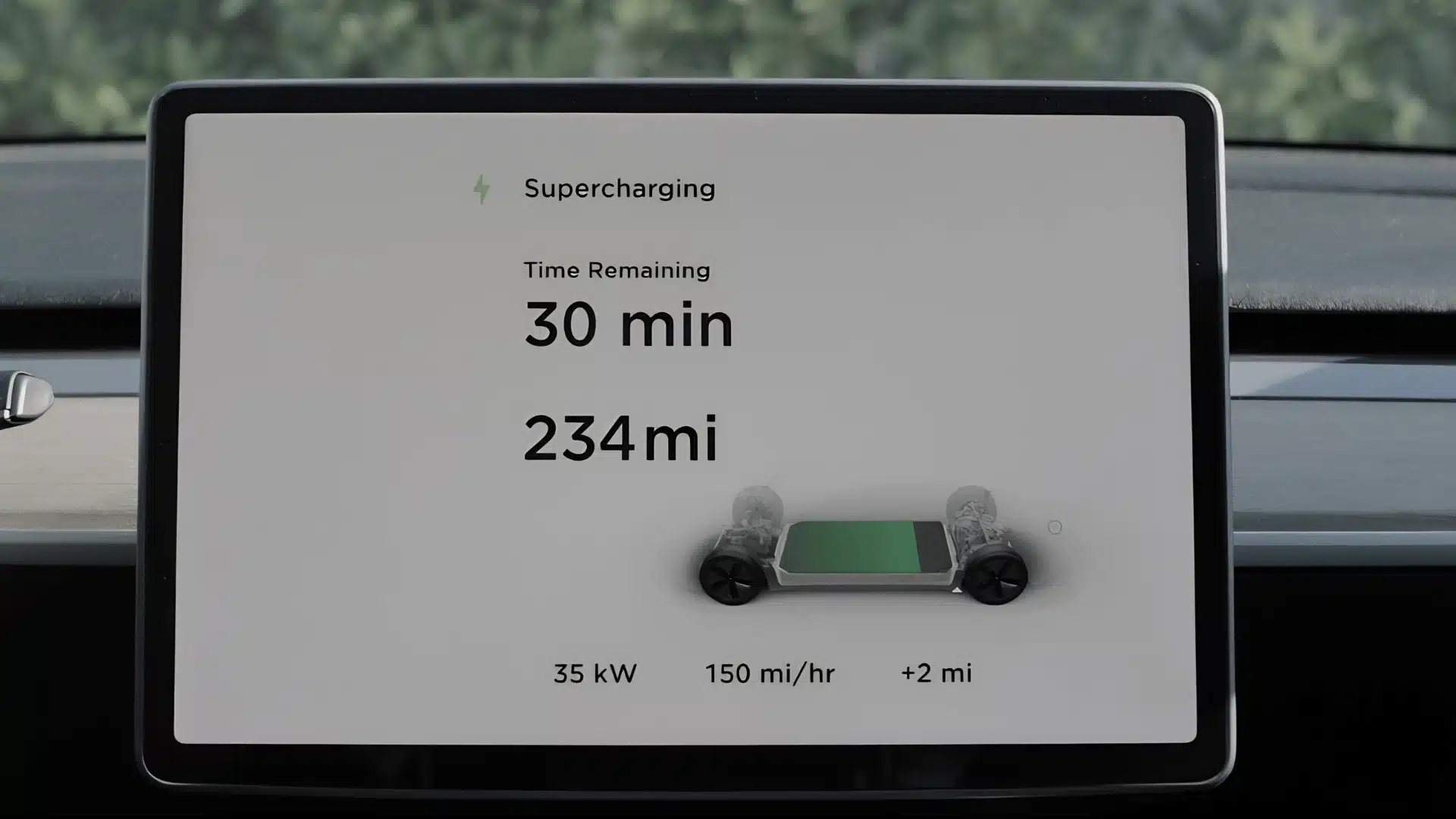
Charge times below assume a fully depleted battery and optimal temperature conditions. Real-world times vary based on the factors above.
1. Tesla Model 3 Charge Time
The Model 3 Long Range carries a 75–82 kWh battery depending on trim. It is one of the faster-charging Tesla models relative to its battery size.
| Charger type | Time to 80% | Full charge |
|---|---|---|
| Level 1 (120V outlet) | ~3 days | 3–4 days |
| Level 2 (Wall Connector) | 5–7 hours | 8–10 hours |
| V3 Supercharger (250 kW) | 15–20 minutes | 30–40 minutes |
I have heard from a number of Model 3 owners that the first Supercharger experience always surprises them. Twenty minutes for 80% feels almost too fast after years of gas-station habits.
If you are setting up home charging for a Model 3, pairing it with the right best home EV charger for your garage setup will make a real difference in daily convenience.
2. Tesla Model Y Charge Time
The Model Y shares a similar battery architecture to the Model 3. Long Range and Performance trims carry a 75–82 kWh pack.
| Charger type | Time to 80% | Full charge |
|---|---|---|
| Level 1 (120V outlet) | ~3 days | 3–4 days |
| Level 2 (Wall Connector) | 5–7 hours | 8–10 hours |
| V3 Supercharger (250 kW) | 15–20 minutes | 30–40 minutes |
The Model Y is currently the best-selling EV in the U.S., and its charge times are one reason why. The battery size hits a practical sweet spot: large enough for 330+ miles of range, small enough to charge fully overnight without planning.
3. Tesla Model S Charge Time
The Model S has the largest battery pack in the lineup, rated at up to 100 kWh. More capacity means longer full-charge times, but the trade-off is a range of up to 402 miles per charge.
| Charger type | Time to 80% | Full charge |
|---|---|---|
| Level 1 (120V outlet) | 4–5 days | 5–7 days |
| Level 2 (Wall Connector) | 8–10 hours | 12–20 hours |
| V3 Supercharger (250 kW) | 30–40 minutes | 60–90 minutes |
The Model S Plaid supports a maximum charge rate of 250 kW, which keeps Supercharger times reasonable despite the large pack.
4. Tesla Model X Charge Time
The Model X carries a similar 100 kWh battery to the Model S. Its slightly higher vehicle weight means the range tops out at 329 miles, and full-charge times are comparable to those of the S.
| Charger type | Time to 80% | Full charge |
|---|---|---|
| Level 1 (120V outlet) | 4–5 days | 5–7 days |
| Level 2 (Wall Connector) | 8–10 hours | 12–20 hours |
| V3 Supercharger (250 kW) | 30–40 minutes | 60–90 minutes |
5. Tesla Cybertruck Charge Time
The Cybertruck Foundation Series carries a 123 kWh battery. It is the largest pack Tesla currently ships in a consumer vehicle. That means longer charge windows at home, but its 250 kW Supercharger compatibility keeps road trip stops manageable.
| Charger type | Time to 80% | Full charge |
|---|---|---|
| Level 1 (120V outlet) | 5–6 days | 6–7 days |
| Level 2 (Wall Connector) | 11–12 hours | 11–12 hours |
| V3 Supercharger (250 kW) | ~45 minutes | 70–90 minutes |
The Cybertruck’s bi-directional charging capability is worth noting here. It can power external devices or even a home during an outage, which changes the way some owners think about their daily charge limits.
How Long Does It Take to Charge a Tesla at Home?
Most Tesla owners charge at home because it is simple, convenient, and cost-effective. Tesla reports that nearly 80% of EV charging in the U.S. happens at home, allowing drivers to plug in overnight and start each day with a full battery.
The Tesla Wall Connector is the fastest home charging option. Installed on a 60-amp circuit, it can add up to 44 miles of range per hour.
A 48-amp setup on a 240V outlet works well for most homes, while a NEMA 14-50 outlet offers around 30 miles per hour without major electrical upgrades.
The Mobile Connector on a standard 120V outlet adds only about 3 miles per hour and is practical mainly for short daily driving or emergencies.
Both options are fully safe outdoors. Tesla charging equipment is weather-sealed, so charging a Tesla in the rain is not a concern.
Tesla recommends setting the daily charge limit to 80% and using scheduled charging so the battery is fully charged close to departure time. Both habits improve battery longevity and range consistency over time.
Tesla Supercharger Speed and Charging Network
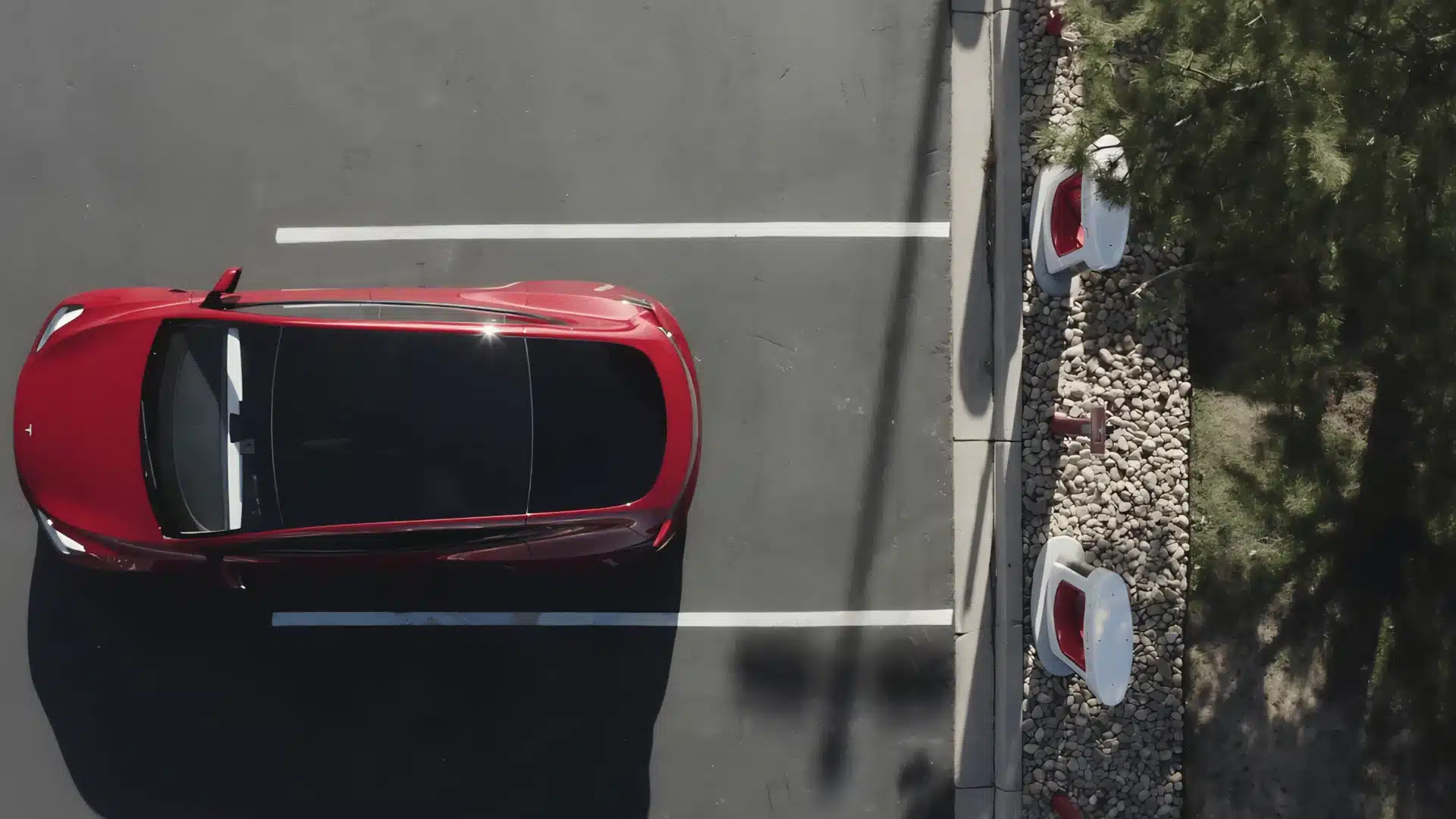
Tesla’s Supercharger network now includes more than 80,000 chargers worldwide, making long-distance travel far easier for EV owners. In the U.S., major highways are well covered, so most road trips require little planning.
Most new stations use V3 Superchargers, which deliver up to 250 kW and provide fast charging for current Tesla models. V4 chargers are gradually expanding and support even higher charging speeds for compatible vehicles.
Pricing varies by location and time of day, with off-peak charging often costing less. Drivers can check rates directly in the Tesla navigation system before stopping.
Tesla also applies congestion and idle fees at busy stations. Once a battery reaches 80%, drivers have only a few minutes before extra charges begin, encouraging faster turnover and improving charger availability.
Tesla has also enabled many Superchargers for non-Tesla EVs in the U.S. and Europe via the Tesla app and NACS adapters, expanding access for other electric vehicle brands.
How Does Battery Preconditioning Reduce Tesla Charge Time?
Preconditioning is one of the most useful yet overlooked Tesla features, especially in cold weather. Lithium-ion batteries charge slowly at cold temperatures because the electrolyte thickens, limiting ion movement.
To protect the battery, Tesla reduces charging speed until the cells warm up. A cold Tesla arriving at a Supercharger may initially charge at only 10–15 kW, while a preconditioned battery can begin charging at over 150 kW immediately.
The easiest way to activate preconditioning is by setting a Supercharger as your destination in the Tesla navigation system. The car automatically warms the battery at the correct time before arrival.
For home charging, the Scheduled Departure feature prepares the battery before you leave, keeping it at an ideal temperature.
Tesla’s software update also expanded automatic preconditioning support to more third-party DC fast chargers, not just Tesla Superchargers.
Conclusion
Most charging frustrations come down to habits, not hardware. Precondition before every Supercharger stop: keep your daily limit at 80%, and schedule home charging to finish close to when you leave.
Those three adjustments will do more for your day-to-day experience than any charger upgrade.
The data in this guide gives you a realistic baseline for your specific model. Real-world Tesla charge time will vary with temperature, battery age, and how you drive, but now you have the numbers to plan around.
If your experience differs from what the tables show, or you have a tip that has made a real difference to your sessions, drop it in the comments below.
Frequently Asked Questions
Does Charging a Tesla to 100% Damage the Battery?
Regularly charging to 100% accelerates battery degradation over time. Tesla recommends keeping the daily charge limit at 80% for routine use. Charging to 100% is fine occasionally, such as before a long road trip, but it should not be the default setting.
Does Frequent Supercharging Affect Long-Term Battery Health?
Occasional Supercharging has minimal impact on battery health for most owners. The bigger factor is regularly charging to 100% and leaving the battery at very high or very low states of charge for extended periods.
Can Non-Tesla EVs Use Tesla Superchargers?
Yes, Tesla has opened its Supercharger network to other EV brands in the U.S. and several other markets. Non-Tesla drivers need the Tesla app and an NACS adapter to connect. Pricing for non-Tesla vehicles is managed through the Tesla app or a Supercharging Membership.