Electricity costs can add up, and since refrigerators run 24/7, choosing an efficient model can help lower energy bills over time.
If you’re shopping for the most energy-efficient refrigerator, it helps to know which models offer the best balance of performance, storage, and energy savings.
In this guide, you’ll learn about some of the best energy-efficient refrigerators and the features that set them apart.
You’ll also understand how refrigerator energy ratings work, which features can help lower electricity use, and what to consider before making a purchase.
By the end, you’ll have a clearer idea of which refrigerator is the best fit for your home, budget, and daily needs.
What Makes a Refrigerator Energy Efficient?
A refrigerator is energy efficient when it keeps food at the right temperature while using less electricity. Key factors include efficient components, smart design, and lower annual energy consumption.
High-quality compressors adjust cooling as needed, helping reduce electricity use.
Strong insulation and tight seals keep cold air in, reducing energy use.
Many energy-efficient models also include smart temperature controls, LED lighting, and adaptive defrost systems that only run when needed. The refrigerator’s size and design matter as well.
Choosing a model that fits your household needs can prevent unnecessary energy use.
In general, refrigerators with lower annual energy consumption ratings and ENERGY STAR certification are designed to deliver reliable performance while helping homeowners save on electricity costs over time.
Why Does Energy Efficiency Matter in a Refrigerator?
Because refrigerators run continuously, their energy consumption can noticeably affect household electricity use and expenses.
- Lower Electricity Bills: Energy-efficient refrigerators use less power throughout the year, helping homeowners reduce monthly utility costs without sacrificing performance.
- Reduced Environmental Impact: Lower energy consumption decreases demand for electricity generation, helping reduce greenhouse gas emissions and environmental strain.
- Long-Term Cost Savings: Although some efficient models cost more initially, lower operating expenses can provide savings over their lifespan.
- Improved Temperature Consistency: Efficient cooling systems maintain stable temperatures more effectively, helping to keep food fresh for longer.
- Less Energy Waste: Features such as adaptive defrost systems and LED lighting reduce unnecessary electricity use during daily operation.
- Supports Sustainable Living: Choosing efficient appliances helps households reduce overall energy consumption and adopt more environmentally responsible habits.
- Reliable Performance Over Time: Modern energy-efficient models are designed to deliver dependable cooling while maintaining lower energy consumption levels.
Best Most Energy Efficient Refrigerators for Your Home
Energy-efficient refrigerators come in different sizes and styles, making it easier to find one that fits your household needs and budget.
1. GE GTS18GTHWW Top-Freezer Refrigerator
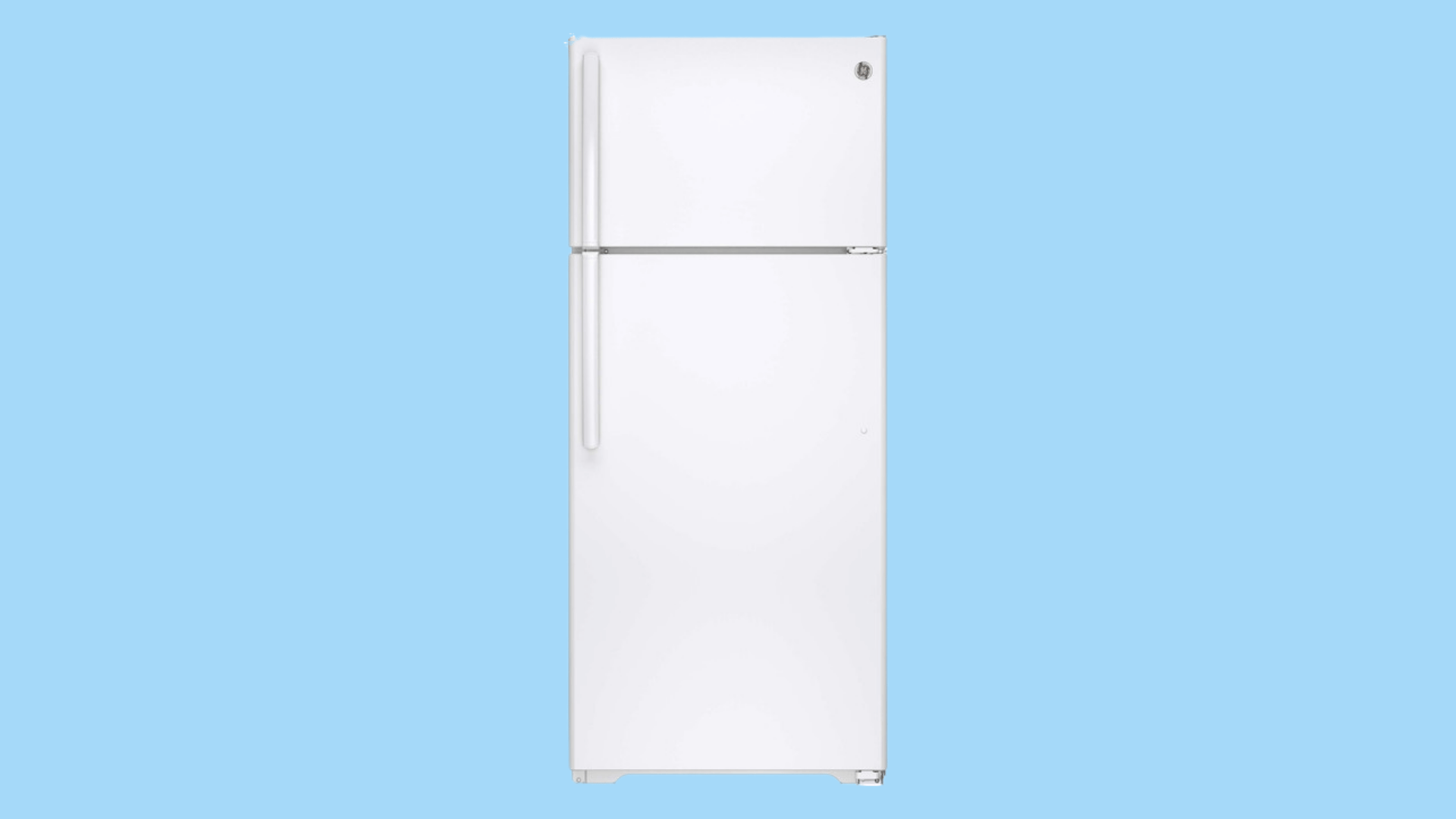
The GE GTS18GTHWW is widely recognized for its low energy consumption and practical design. With a capacity of 17.5 cubic feet, it works well for small to medium-sized families.
Its top-freezer layout naturally helps reduce electricity usage compared to many larger configurations.
The refrigerator also includes adjustable glass shelves, humidity-controlled drawers, and an ENERGY STAR certification.
For homeowners focused on lowering utility bills without sacrificing storage, this model offers an excellent balance of efficiency and everyday functionality.
2. Frigidaire FFTR1835VS Top-Freezer Refrigerator
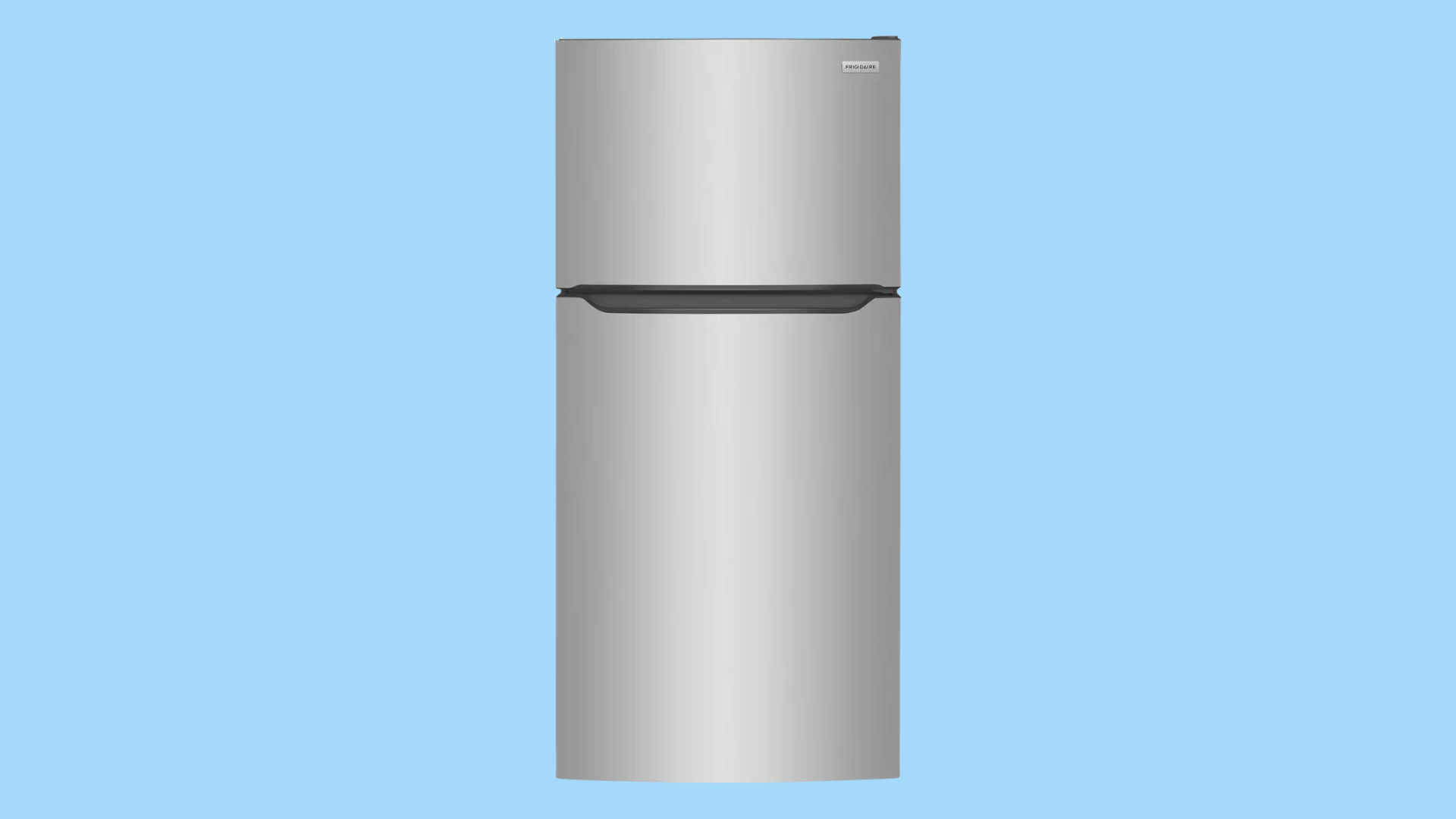
The Frigidaire FFTR1835VS is a dependable option for buyers seeking strong energy performance at a reasonable price.
Its top-freezer design helps keep annual energy consumption lower than that of many French door and side-by-side models. The refrigerator offers flexible storage with adjustable shelving and spacious door bins.
In addition, its EvenTemp cooling system helps maintain consistent temperatures throughout the interior.
This combination of efficiency, affordability, and reliable food preservation makes it a practical choice for many households.
3. LG LRBCC1204S Bottom-Freezer Refrigerator
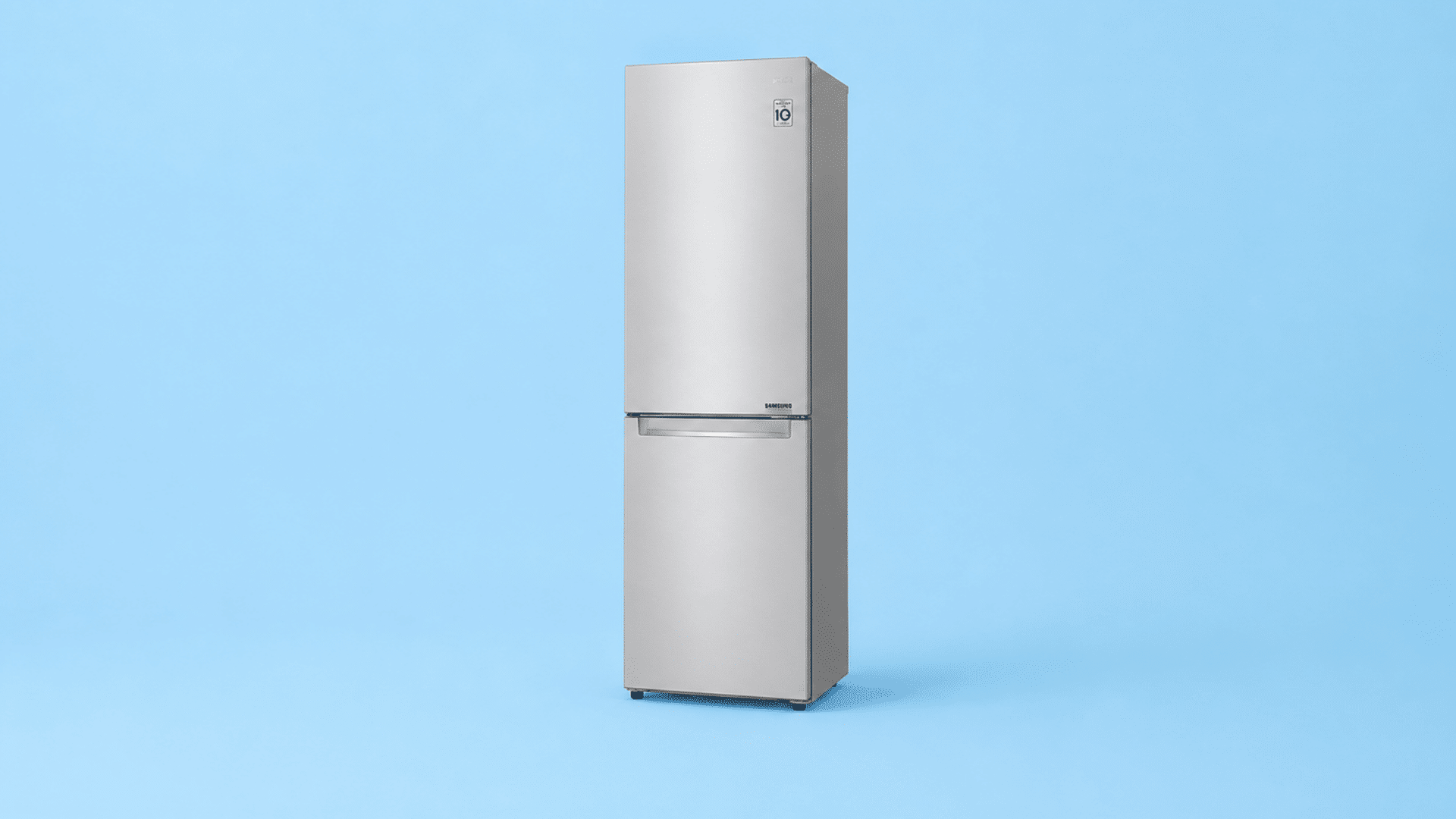
For homeowners who prefer a modern bottom-freezer layout, the LG LRBCC1204S stands out for its energy-saving capabilities.
It uses an efficient inverter compressor that adjusts cooling output based on demand rather than running continuously.
This technology helps reduce electricity usage while maintaining stable temperatures.
Its counter-depth design also makes it ideal for smaller kitchens. Despite its compact footprint, the refrigerator offers ample storage and advanced cooling features that support both convenience and efficiency.
4. Samsung RF30BB6602 French Door Refrigerator
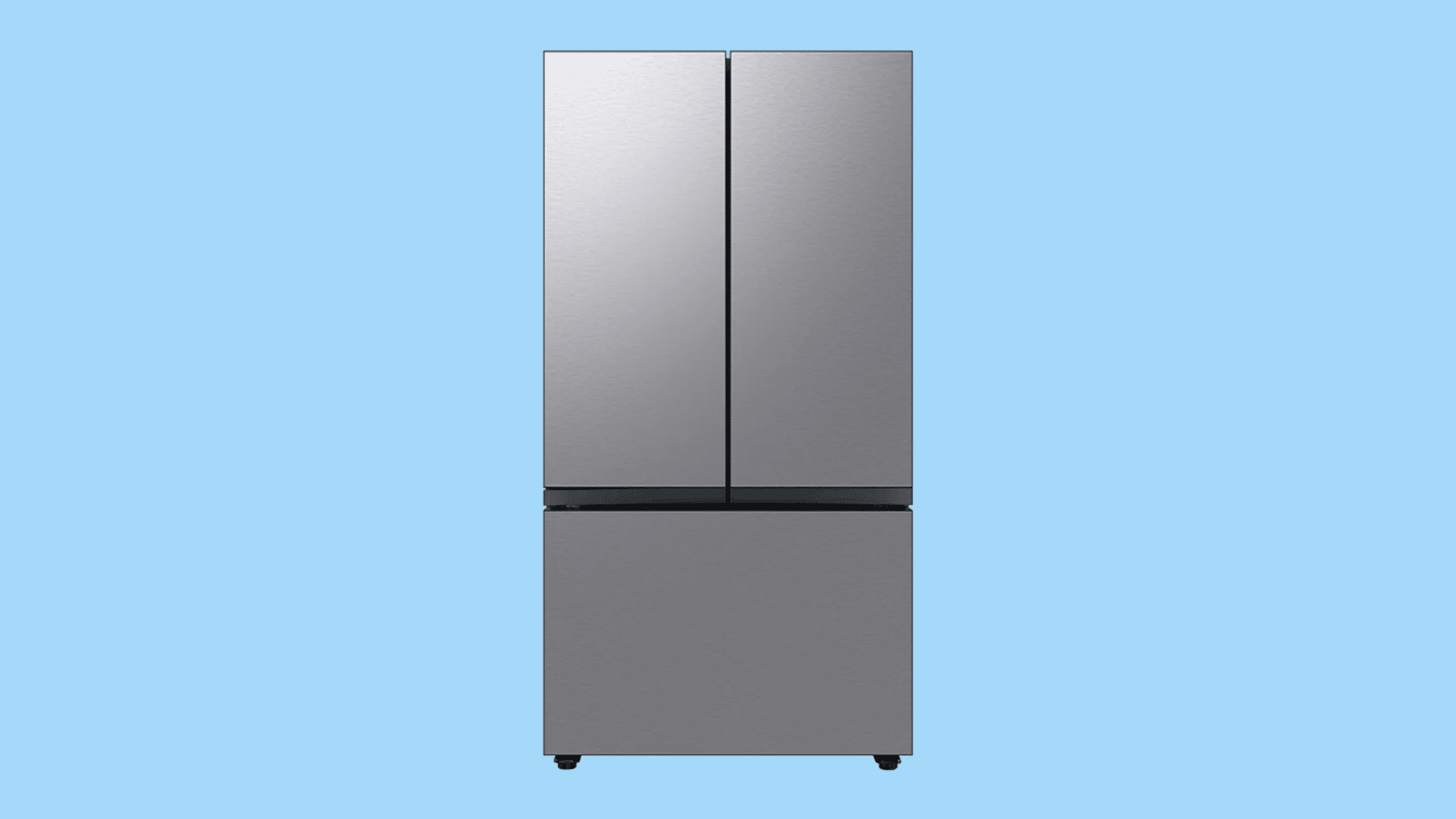
The Samsung RF30BB6600 is one of the most efficient French door refrigerators currently available.
Recognized under the ENERGY STAR Most Efficient program, it delivers impressive performance despite its large storage capacity.
Smart cooling technology continuously monitors internal conditions to optimize energy use.
The spacious interior accommodates larger households, while flexible storage options improve organization.
For families that need extra room without significantly increasing energy costs, this refrigerator provides a strong combination of efficiency and convenience.
5. LG LFXS26973S Smart French Door Refrigerator
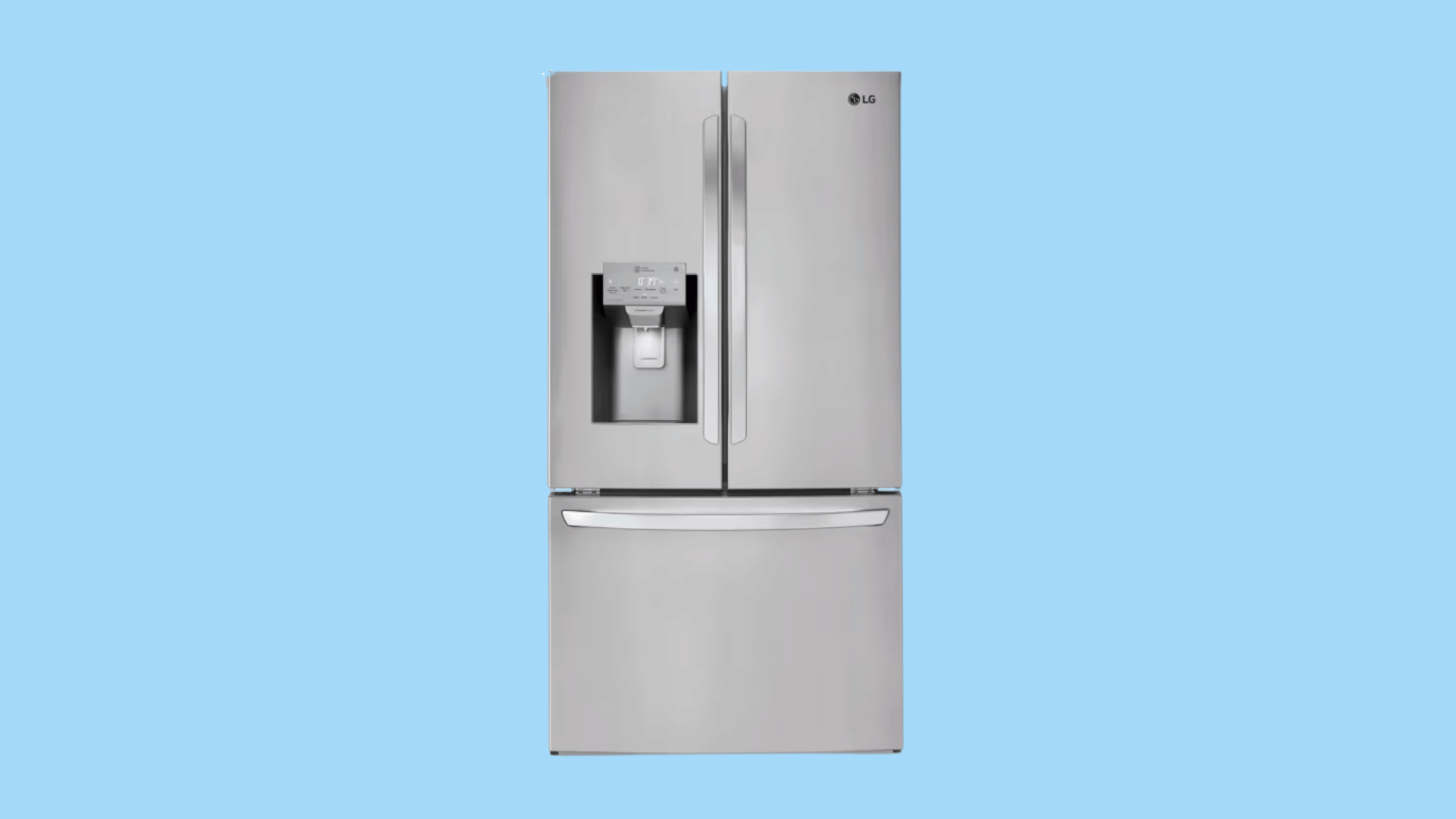
The LG LFXS26973S combines advanced smart features with competitive energy efficiency.
Powered by LG’s Smart Inverter Compressor, it adjusts cooling levels according to usage patterns, helping reduce unnecessary electricity consumption.
The refrigerator also supports remote monitoring through the LG ThinQ app, allowing users to manage settings from their smartphones.
With a spacious interior, flexible storage compartments, and dependable cooling performance, this model appeals to homeowners who want both modern technology and lower operating costs.
6. Whirlpool WRT518SZFM Top-Freezer Refrigerator
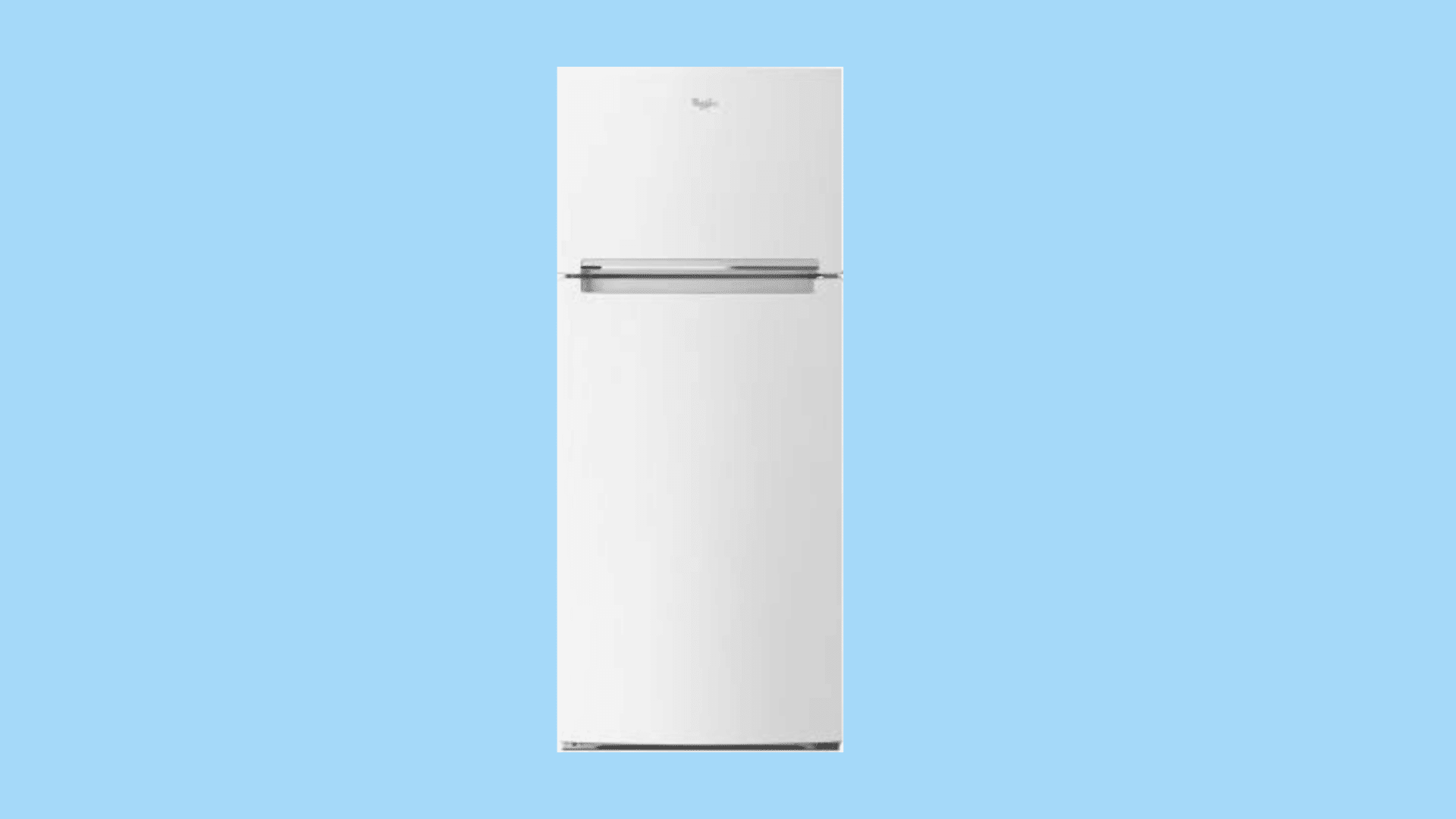
The Whirlpool WRT518SZFM is a straightforward, energy-conscious refrigerator designed for everyday use.
Its top-freezer configuration helps improve efficiency by minimizing cold air loss during normal operation.
The model features frameless glass shelves, adjustable storage options, and electronic temperature controls for better performance.
While it lacks some premium features found in higher-end refrigerators, its lower energy consumption and affordable price make it an attractive option for budget-minded homeowners looking to reduce electricity usage.
Understanding ENERGY STAR Certification
ENERGY STAR certification is a government-backed label that identifies refrigerators meeting strict energy-efficiency standards.
Certified models use less electricity while delivering reliable cooling performance. The ENERGY STAR program is managed by the U.S. Environmental Protection Agency (EPA).
To earn certification, a refrigerator must surpass federal energy-efficiency standards and pass performance testing.
This helps consumers easily identify appliances designed to reduce electricity consumption without sacrificing functionality.
ENERGY STAR-certified refrigerators often include advanced features such as efficient compressors, improved insulation, and optimized cooling systems that help lower energy use.
As a result, homeowners can enjoy lower utility bills and a smaller environmental impact.
When shopping for a refrigerator, looking for the ENERGY STAR label is one of the simplest ways to compare energy efficiency and make a more informed purchasing decision.
Price Comparison of the Most Energy-Efficient Refrigerators
The prices of energy-efficient refrigerators vary based on size, features, design, and brand.
| Refrigerator Model | Refrigerator Type | Approximate Price Range | Budget Category |
| GE GTS18GTHWW | Top-Freezer | $700–$900 | Mid-Range |
| Frigidaire FFTR1835VS | Top-Freezer | $700–$950 | Budget-Friendly |
| LG LRBCC1204S | Bottom-Freezer | $1,100–$1,500 | Mid-Range |
| Samsung RF30BB6600 | French Door | $1,800–$3,000 | Premium |
| LG LFXS26973S | Smart French Door | $2,000–$3,500 | Premium |
| Whirlpool WRT518SZFM | Top-Freezer | $650–$900 | Budget-Friendly |
How to Choose the Most Energy-Efficient Refrigerator?
Several factors influence a refrigerator’s energy consumption, long-term operating costs, and overall performance.
- Select the Right Size for Your Household: Choosing a refrigerator that matches your family’s needs prevents excess energy use from unnecessary storage capacity.
- Look for ENERGY STAR Certification: ENERGY STAR-certified refrigerators meet strict efficiency standards and typically consume less electricity than comparable non-certified models.
- Check Annual kWh Usage: Reviewing annual kilowatt-hour ratings helps estimate energy consumption and compare operating costs between different models.
- Consider Smart Energy-Saving Features: Inverter compressors, adaptive defrost systems, and smart controls help reduce unnecessary electricity use.
- Evaluate Storage and Organization Options: Well-designed shelves, drawers, and compartments maximize usable space without requiring a larger refrigerator.
- Compare Long-Term Operating Costs: A model with lower energy consumption can save money over time, even if the purchase price is higher.
- Review Warranty and Reliability: A dependable refrigerator with a strong warranty is more likely to maintain efficiency and performance for years.
- Check Door Seal Quality: Tight door seals help prevent cold air leaks, improving cooling efficiency and reducing electricity consumption.
How Much Electricity Does an Energy-Efficient Refrigerator Use?
An energy-efficient refrigerator typically uses between 300 and 600 kilowatt-hours (kWh) of electricity per year.
The exact amount depends on the refrigerator’s size, style, age, and efficiency rating. Most modern ENERGY STAR-certified refrigerators consume significantly less electricity than older models.
Top-freezer models use about 300–400 kWh yearly, while larger models use 500–600+ kWh.
For comparison, refrigerators manufactured 15 to 20 years ago can use twice as much energy.
You can find a refrigerator’s estimated annual electricity use on its EnergyGuide label, which displays yearly kWh consumption and estimated operating costs.
Features such as inverter compressors, improved insulation, LED lighting, and smart temperature controls help reduce energy usage.
Choosing an appropriately sized refrigerator can also lower electricity consumption and long-term utility expenses.
Types of Refrigerators Ranked by Energy Efficiency
Different refrigerator styles vary in energy consumption due to their design, size, and cooling requirements.
| Refrigerator Type | Energy Efficiency Ranking | Why It Is Energy Efficient |
| Top-Freezer Refrigerators | Highest | Simple design reduces energy use and minimizes cold air loss. |
| Single-Door Refrigerators | Very High | Fewer compartments and door openings help improve energy performance. |
| Compact Refrigerators | High | Smaller storage space requires less electricity for cooling. |
| Counter-Depth Refrigerators | Moderate to High | Smaller size often reduces energy consumption while maintaining functionality. |
| Bottom-Freezer Refrigerators | Moderate | Efficient overall but typically use slightly more energy than top-freezer models. |
| French Door Refrigerators | Moderate | Modern ENERGY STAR models are efficient, though larger capacities increase energy use. |
| Side-by-Side Refrigerators | Lower | More components and cooling requirements generally lead to higher energy consumption. |
Signs Your Refrigerator Is Wasting Energy
Certain performance issues can indicate that a refrigerator is using more electricity than necessary.
- Higher-Than-Usual Energy Bills: A sudden increase in electricity costs may indicate that the refrigerator is consuming excess energy each day.
- Motor Runs Constantly: Refrigerators that rarely cycle off often work harder than necessary, increasing energy consumption.
- Food Spoils Faster Than Normal: Inconsistent temperatures force the appliance to work harder while reducing overall cooling efficiency and performance.
- Damaged or Loose Door Seals: Worn seals allow cold air to escape, causing the refrigerator to run continuously and use more electricity.
- Excessive Frost Buildup: Heavy frost buildup can reduce cooling efficiency and cause the system to consume more energy.
- Refrigerator Is More Than 10–15 Years Old: Older models typically use significantly more electricity than modern, energy-efficient refrigerators.
How Refrigerator Energy Consumption Is Measured?
Refrigerator energy consumption is measured by the amount of electricity the appliance uses over a year.
This usage is typically shown in kilowatt-hours (kWh) per year on the EnergyGuide label. Manufacturers test refrigerators to estimate their typical electricity use.
The results are displayed as annual kWh usage, making it easier for buyers to compare different models.
A lower kWh rating generally means the refrigerator uses less energy and costs less to operate.
You can also estimate yearly operating costs by multiplying the refrigerator’s annual kWh usage by your local electricity rate.
Many models also carry ENERGY STAR certification, showing they meet strict energy-efficiency standards.
Comparing both the kWh rating and estimated operating cost can help you choose a refrigerator that saves energy and reduces long-term utility expenses.
Common Mistakes that Increase Refrigerator Energy Use
Small everyday habits and setup issues can cause a refrigerator to use more electricity than necessary.
| Mistake | How It Affects Energy Use |
| Choosing a Refrigerator That Is Too Large | Larger refrigerators consume more electricity to cool unnecessary storage space. |
| Placing It Near Heat Sources | Heat from appliances or sunlight makes the refrigerator work harder. |
| Ignoring Door Seal Maintenance | Damaged seals allow cold air to escape, increasing energy consumption. |
| Setting Incorrect Temperature Levels | Overly cold settings force the compressor to run more frequently. |
| Opening the Door Too Often | Frequent door openings allow warm air to enter, increasing cooling demand. |
| Skipping Condenser Coil Cleaning | Dirty coils reduce efficiency and increase electricity use over time. |
Tips to Make Any Refrigerator More Energy Efficient
Simple maintenance and everyday habits can help improve refrigerator efficiency and reduce electricity consumption.
- Set the Right Temperature: Keep the refrigerator at 37°F to 40°F and the freezer at 0°F for optimal efficiency.
- Clean Condenser Coils Regularly: Removing dust and debris helps the refrigerator release heat efficiently and use less electricity.
- Check Door Seals Frequently: Tight seals prevent cold air leaks and reduce the workload on the cooling system.
- Avoid Leaving the Door Open: Minimizing door openings helps maintain stable temperatures and reduces unnecessary energy consumption.
- Keep the Refrigerator Properly Filled: A moderately full refrigerator retains cold better than an almost empty one.
- Give the Refrigerator Breathing Room: Leave space around the appliance to improve ventilation and cooling performance.
- Keep Hot Foods Out Until Cooled: Let food cool before storing it to prevent extra strain on the compressor.
ENERGY STAR Most Efficient vs. Standard ENERGY STAR Models
Both labels indicate strong energy performance, but ENERGY STAR Most Efficient models represent the highest level of energy efficiency available.
| Feature | ENERGY STAR Most Efficient | Standard ENERGY STAR |
| Efficiency Level | Among the most energy-efficient models available | Meets ENERGY STAR efficiency requirements |
| Energy Consumption | Uses the least amount of electricity within its category | Uses less energy than standard non-certified models |
| Recognition | Receives special annual recognition from ENERGY STAR | Earns standard ENERGY STAR certification |
| Operating Costs | Typically offers greater long-term energy savings | Provides solid energy savings over time |
| Technology | Often includes the latest energy-saving innovations | May include efficient features, but not always the newest technology |
| Purchase Price | Usually higher upfront cost | Often more affordable initially |
| Best For | Homeowners focused on maximum energy savings | Buyers seeking a balance of efficiency and cost |
Is an Energy-Efficient Refrigerator Worth It?
Yes, an energy-efficient refrigerator is worth it for most households. It can lower electricity costs, reduce energy waste, and provide long-term savings.
Because refrigerators run 24 hours a day, even small improvements in efficiency can make a noticeable difference over time.
ENERGY STAR-certified models typically use less electricity than standard refrigerators while delivering the same cooling performance.
While some energy-efficient refrigerators cost more upfront, lower energy bills can help offset the expense over time.
These refrigerators often include features like inverter compressors, better insulation, and smart temperature controls for efficient cooling. They also use less energy, making them a cost-effective choice over time.
Conclusion
Choosing the right refrigerator is not just about finding a model that looks good in your kitchen.
It is about picking one that fits your space, supports your daily routine, and helps you manage energy costs over time.
I hope this guide has helped you understand key factors like ENERGY STAR ratings, energy use, size, storage, and overall value.
A good energy-efficient refrigerator should keep your food fresh, reduce waste, and work well for your household without using more power than needed.
Before making a final choice, compare features carefully and think about how you actually use your fridge each day.
Have you used an energy-efficient refrigerator at home? Share your experience in the comments below.
Frequently Asked Questions
What Appliance Is the Biggest Energy Waster?
Heating and cooling systems are typically the biggest energy users in most homes, often accounting for the largest share of electricity consumption.
What Temperature Should Heat Be Kept At to Lower Energy Bills?
For energy savings, many experts recommend setting your thermostat to around 68°F (20°C) while you’re home and awake.
Does Leaving a TV Plugged in Use Electricity?
Yes. Many TVs use a small amount of standby power when plugged in, even when turned off.
Is Switching Off at the Wall the Same as Unplugging?
Yes. Switching off at the wall cuts power completely, just like unplugging, provided the outlet switch controls the socket.