Owning an electric car can feel easier than owning a gas car, but it still needs regular care. I know many drivers wonder what actually needs service when there is no engine oil, spark plugs, or exhaust system to worry about.
That is where electric car maintenance becomes important. You still need to check tires, brakes, battery health, coolant, filters, and software updates.
The good news is that many of these tasks are simple and less frequent than the work needed on a traditional gas-powered car.
In this guide, you’ll learn the key maintenance tasks, common costs, and tips to keep your EV running well.
You will also understand how electric-vehicle service differs from regular car maintenance, so you can plan with greater confidence.
What Is an Electric Car?
An electric car is a vehicle powered by one or more electric motors that use energy stored in rechargeable batteries. Unlike traditional cars, it does not rely on a gasoline or diesel engine for propulsion.
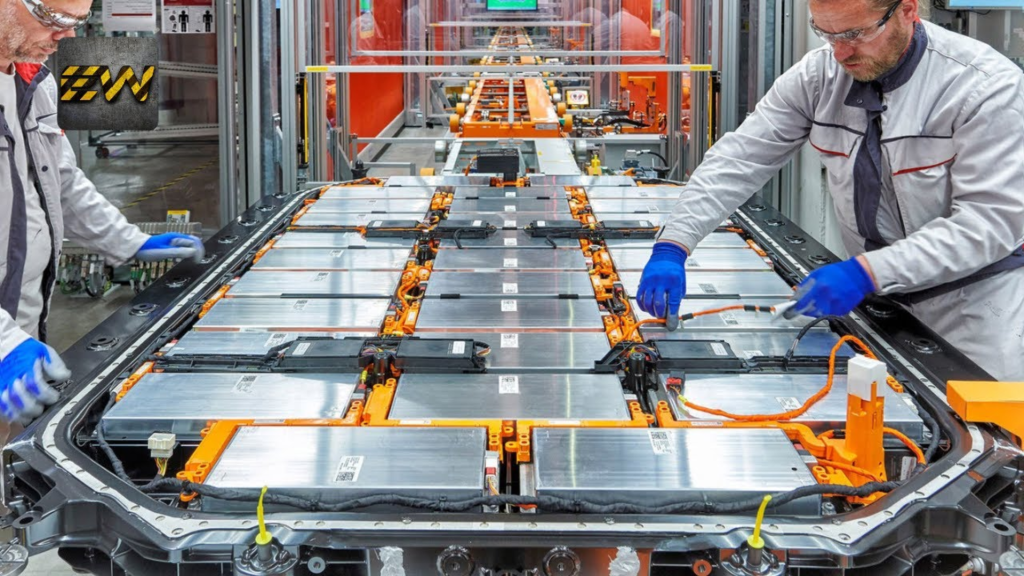
Electric cars store electricity in high-capacity battery packs, which supply power to the motor when the vehicle is driven.
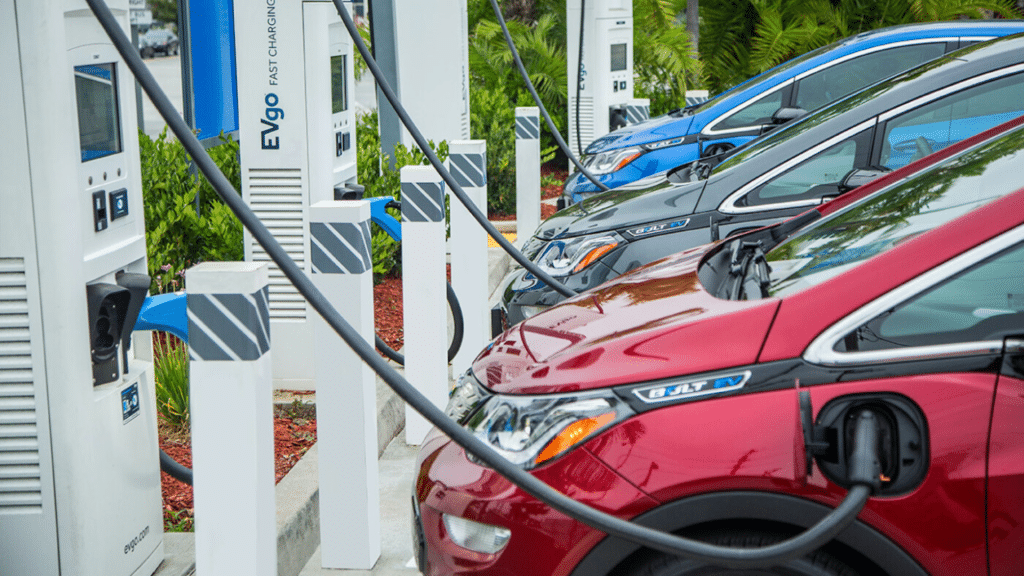
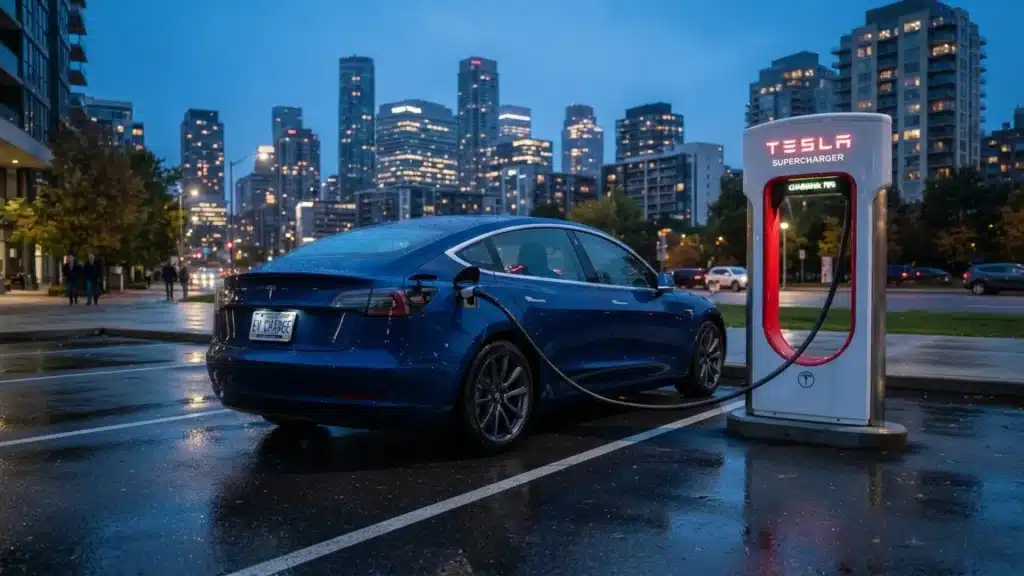
The batteries are recharged by plugging the vehicle into a home charger, public charging station, or other compatible charging source.
Many EVs also use regenerative braking, which recovers energy as they slow down and returns it to the battery.
With fewer moving parts than conventional vehicles, electric cars are generally more energy efficient and often require less routine maintenance.
Electric Car Maintenance Factors
Several key components require regular attention to help maintain the safety, efficiency, and reliability of an electric vehicle.
- Tires: EV tires are prone to wear, pressure loss, and punctures, requiring regular inspections, rotations, and timely replacement for safety.
- Windshield Wipers and Washer Fluid: Wiper blades and washer fluid should be checked regularly to maintain visibility during changing weather conditions.
- Battery Cooling System: Coolant helps regulate battery temperature, making regular level checks important for battery protection and performance longevity.
- Braking System: Regenerative braking reduces wear, but brake pads, rotors, and fluid still require periodic inspections and maintenance.
- Struts and Suspension Components: Suspension parts can wear over time, affecting ride comfort, handling, stability, and overall driving performance.
- Cabin Air Filter: Replacing cabin air filters regularly helps maintain clean interior air and supports efficient climate control operation.
- Air Conditioning System: Air conditioning systems may need refrigerant servicing or filter replacement to maintain consistent cooling performance.
- Vehicle Cleaning: Regular washing protects exterior surfaces, while underbody cleaning helps prevent corrosion in areas using road salt.
Electric Car Maintenance Tasks
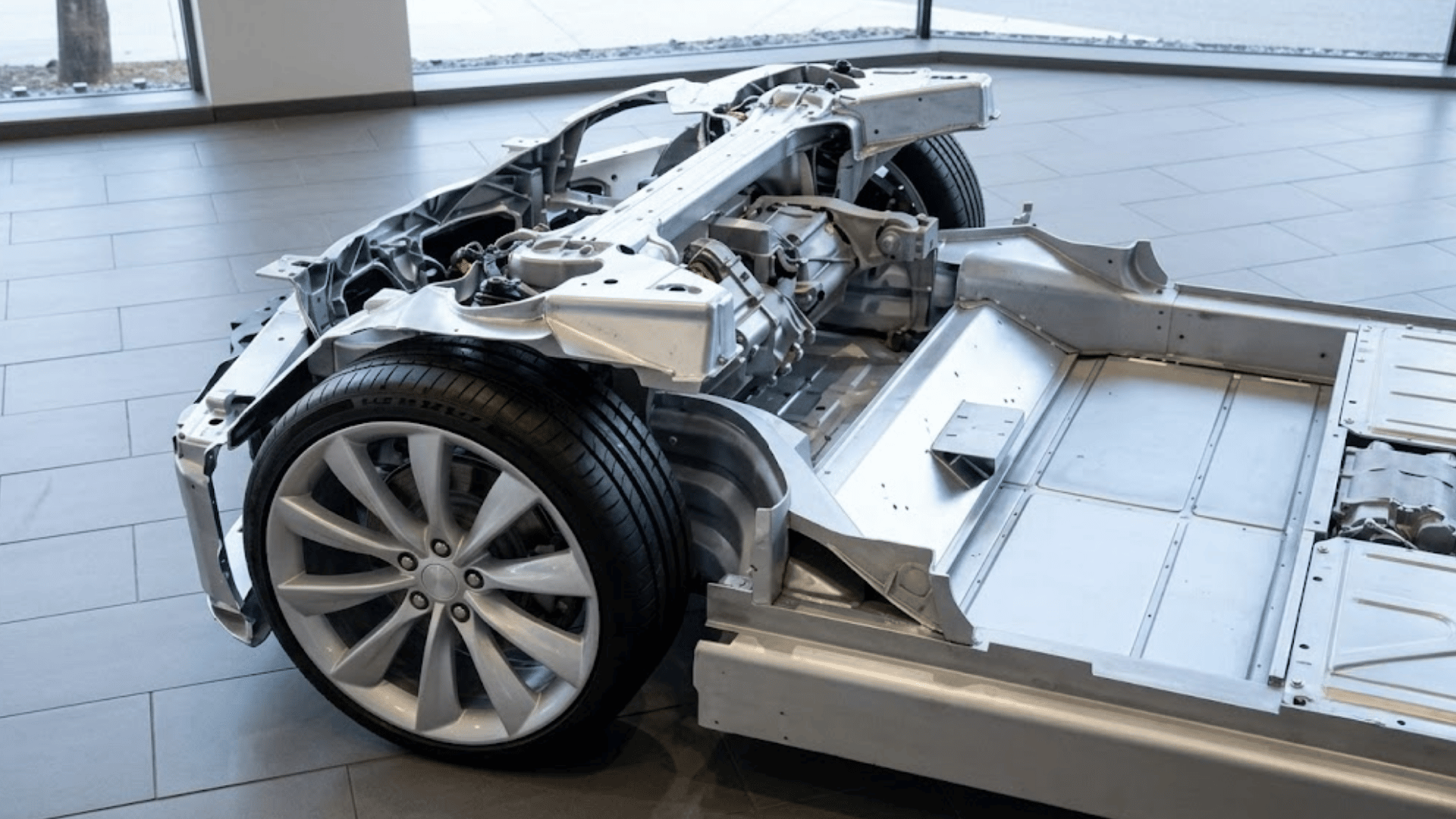
Although electric vehicles require less maintenance than gas-powered cars, several components still need regular attention to ensure safety, efficiency, and long-term reliability.
1. Tire Inspections and Tire Rotation
Tires are one of the most important maintenance items on an electric vehicle.
Because EVs are typically heavier due to their battery packs and deliver instant torque, tires can wear faster than those on conventional vehicles.
Regular tire inspections help identify uneven wear, low tread depth, or damage that could affect safety and efficiency.
Most manufacturers recommend rotating tires every 5,000 to 10,000 miles to promote even wear and extend tire life. Maintaining proper tire pressure also helps maximize driving range.
2. Brake System Maintenance
Electric vehicles use regenerative braking, which slows the vehicle by converting kinetic energy into electricity and sending it back to the battery.
As a result, brake pads and rotors often last longer than those in gas-powered vehicles. However, the braking system still requires periodic inspections.
Moisture, corrosion, and general wear can affect brake performance over time.
Regular brake checks help ensure the system remains responsive and safe, especially in areas with harsh weather conditions.
3. Battery Health Monitoring
The battery is the most valuable component in an electric vehicle, making battery health monitoring a key maintenance task.
Modern EVs include battery management systems that track performance, temperature, and charging patterns.
Owners should pay attention to noticeable drops in driving range or charging efficiency.
Following recommended charging practices, avoiding frequent extreme charging cycles, and protecting the battery from excessive heat can help preserve battery capacity and extend its lifespan for many years.
3. Cooling System Maintenance
Most EVs use liquid cooling systems to regulate battery temperature and protect key components.
Keeping the battery within its ideal temperature range helps maintain performance, charging speed, and long-term durability.
Over time, coolant levels and quality should be inspected according to the manufacturer’s maintenance schedule.
Neglecting cooling system maintenance can lead to overheating issues and unnecessary strain on the battery, potentially reducing efficiency and shortening component life.
4. Cabin Air Filter Replacement
While electric vehicles do not require engine air filters, they still use cabin air filters to keep the interior air clean.
These filters capture dust, pollen, pollutants, and other airborne particles before they enter the passenger compartment.
Over time, a clogged filter can reduce airflow and place extra strain on the climate control system.
Replacing the cabin air filter at recommended intervals helps maintain air quality, improve comfort, and support efficient heating and cooling performance.
5. Software Updates and Diagnostic Checks
Software plays a major role in how modern electric vehicles operate.
Many EV manufacturers provide over-the-air updates that improve battery management, charging performance, safety features, and vehicle functionality.
Keeping software updated ensures the vehicle benefits from the latest improvements and bug fixes.
In addition, routine diagnostic checks can identify potential issues before they become serious problems.
These inspections help maintain optimal performance and ensure that all electronic systems continue to function as intended.
How Do Electric Vehicles Differ from Gas-Powered Cars?
Electric vehicles and gas-powered cars perform the same basic function, but they operate using very different technologies.
- Power Source: Electric vehicles use rechargeable battery packs, while gas-powered cars generate power by burning fuel.
- Motor vs. Engine: EVs run on electric motors with fewer moving parts, whereas traditional vehicles rely on combustion engines.
- Energy Efficiency: Electric motors convert more of the stored energy into motion, making EVs significantly more efficient than gas vehicles.
- Transmission System: Most EVs use a single-speed transmission, reducing complexity compared to the multi-gear systems in gas cars.
- Regenerative Braking: EVs recover energy during braking and send it back to the battery, improving overall efficiency.
- Maintenance Needs: Electric vehicles eliminate oil changes, spark plug replacements, and exhaust repairs, reducing maintenance needs.
Electric Car vs. Traditional Gas Car Maintenance
While both vehicle types require routine care, the maintenance needs of electric cars are generally simpler and less frequent.
| Electric Car Maintenance | Traditional Gas Car Maintenance |
| No oil changes required | Regular oil changes required |
| No spark plug replacements | Spark plugs need replacement |
| No exhaust system maintenance | Exhaust system repairs may be needed |
| Tire rotations and inspections required | Tire rotations and inspections required |
| Brake wear is often reduced due to regenerative braking | Brakes typically wear faster |
| Software updates are important | Software updates are less common |
| Battery health monitoring is essential | Engine health monitoring is essential |
| Generally lower maintenance costs | Generally, higher maintenance costs |
Benefits of Professional EV Inspections
Professional inspections help ensure that key EV systems continue operating safely, efficiently, and as intended.
- Early Problem Detection: Professional inspections can identify developing issues before they require expensive repairs or significantly affect vehicle performance.
- Battery Health Evaluation: Technicians use specialized tools to accurately assess battery condition, charging efficiency, and overall long-term performance.
- High Voltage System Safety: Inspections verify that electrical components and connections remain safe, secure, and functioning properly during operation.
- Accurate Diagnostic Testing: Advanced diagnostic equipment can detect hidden faults that may not trigger warning lights immediately.
- Software and System Updates: Technicians ensure vehicle software remains up to date, improving performance, efficiency, safety features, and system reliability.
- Improved Long-Term Reliability: Regular professional inspections help maintain vehicle health, reduce the risk of breakdowns, and support dependable daily driving.
Electric Vehicle Maintenance Schedule
Electric vehicle maintenance is usually simpler than gas car maintenance, but regular checks still help keep the vehicle safe and efficient.
| What To Service | Service Interval |
| Tire pressure, tire condition, lights, washer fluid, and charging cable inspection | Monthly |
| Tire rotation, brake inspection, suspension check, fluid leak inspection | Every 6 Months |
| Cabin air filter replacement, battery inspection, software diagnostics | Every 12 Months |
| Brake fluid check, coolant inspection, wiper blade replacement | Every 2 Years |
| Coolant replacement, charging system inspection, thermal system service | Every 3–5 Years |
| Tire replacement, brake pad replacement, 12-volt battery replacement | As Needed |
Warning Signs Your Electric Vehicle Needs Service
Electric vehicles often provide early indicators when a component requires inspection or maintenance.
- Reduced Driving Range: A noticeable drop in driving range may indicate battery degradation, charging issues, or inefficient energy management systems.
- Battery Warning Lights: Dashboard battery warning lights can indicate charging problems, battery faults, or issues with the vehicle’s electrical system.
- Slower Charging Times: Charging sessions that take longer than usual may indicate battery health issues or charger problems.
- Uneven Tire Wear: Uneven tire wear can affect handling, efficiency, and safety, often indicating alignment or suspension problems.
- Suspension Noises: Clunking, rattling, or excessive bouncing can indicate worn suspension components that require professional inspection.
- Software Malfunctions: Frequent system errors, frozen screens, or connectivity issues may require software updates or diagnostics.
- Overheating Warnings: Temperature alerts can indicate cooling system problems that may affect battery performance and longevity.
Why Is Battery Care Important in Electric Car Maintenance?
Maintaining an EV battery involves following smart charging and storage practices that help preserve capacity, efficiency, and lifespan.
Good battery care can support reliable performance for many years. Lithium-ion batteries last longer when they are not regularly charged to 100% or discharged to very low levels.
For daily driving, many manufacturers recommend keeping the battery charge between 20% and 80%.
Limiting frequent use of DC fast chargers can also reduce heat buildup, which may contribute to battery wear over time.
Temperature management is important, as extreme heat and cold can affect battery performance and efficiency.
Keeping software updated, following manufacturer guidelines, and monitoring driving range can help maintain battery health and performance.
How Much Does Electric Car Maintenance Cost?
Electric vehicles generally cost less to maintain than gas-powered vehicles because they have fewer moving parts and require fewer routine services.
| Maintenance Item | Average Cost Range |
| Tire Rotation | $20–$80 |
| Cabin Air Filter Replacement | $20–$100 |
| Brake Fluid Service | $70–$150 |
| Tire Replacement (Set of Four) | $600–$1,500+ |
| Coolant Service | $100–$300 |
| 12-Volt Battery Replacement | $100–$300 |
| Average Annual EV Maintenance | $300–$900 |
Note: Actual costs vary by vehicle model, location, driving habits, and service provider.
What to Do if Your EV Breaks Down?
If your EV breaks down, move to a safe location if possible, turn on your hazard lights, and contact roadside assistance. Safety should always be your first priority.
Check the dashboard for battery, charging, or powertrain warnings. If the vehicle loses power, avoid attempting repairs on high-voltage components yourself, as these systems require specialized training and equipment.
If the battery charge is depleted, some manufacturers offer roadside charging assistance or towing services.
Always consult your owner’s manual for model-specific instructions.
Once the vehicle is safely secured, have it inspected by a certified EV technician to diagnose the issue and ensure that all electrical and battery systems are functioning properly.
How to Find a Qualified EV Technician?
Not every mechanic is equipped to service an electric vehicle. The high-voltage systems require specific training and tools that many independent shops do not have.
When looking for service, prioritize dealerships certified by your vehicle’s brand or shops with technicians who hold ASE (Automotive Service Excellence) certification in electrical or hybrid and electric vehicle systems.
Before booking, ask directly whether the shop has experience with your specific make and model.
I’ve heard from enough EV owners who left a shop with unresolved warning lights because the technician was simply guessing. A little vetting up front saves a second visit.
Electric Vehicle Maintenance Mistakes to Avoid
Small maintenance mistakes can affect battery health, efficiency, safety, and the overall lifespan of an electric vehicle.
- Ignoring Tire Pressure: Underinflated tires reduce driving range, increase tire wear, and negatively affect vehicle handling and overall efficiency.
- Skipping Tire Rotations: Uneven tire wear can shorten tire lifespan, reduce performance, and lead to unnecessary replacement costs.
- Overusing Fast Charging: Frequent fast charging generates excess heat, which may contribute to gradual battery degradation.
- Ignoring Software Updates: Missing software updates can prevent performance improvements, bug fixes, and important safety feature enhancements.
- Neglecting Brake Inspections: Regenerative braking reduces wear, but brake components still require inspections to prevent corrosion and performance issues.
- Assuming EVs Need No Maintenance: Electric vehicles require routine inspections and servicing to maintain reliability, safety, and long-term efficiency.
Does Electric Vehicle Maintenance Differ by Climate?
Yes, electric vehicle maintenance can differ depending on the climate. Hot and cold weather affect battery performance, charging efficiency, tire pressure, and other vehicle components.
In hot climates, excessive heat can accelerate battery degradation, so cooling systems and coolant levels should be checked regularly.
Parking in shaded areas and avoiding prolonged exposure to extreme heat can also help protect battery health.
Cold weather creates different challenges. Battery efficiency typically drops in low temperatures, which can reduce driving range and slow charging speeds.
Tire pressure also decreases as temperatures fall, making regular tire checks important.
In snowy areas, inspect brakes and the underbody regularly to prevent corrosion and ensure reliability.
Conclusion
Electric car maintenance may be simpler than maintaining a traditional gas vehicle, but it is still an important part of ownership.
Regular tire care, battery monitoring, brake inspections, software updates, and routine checks can help keep your vehicle running efficiently for years.
From what I have seen, most EVs require fewer maintenance tasks and often cost less to maintain over time. Understanding your vehicle’s needs can make ownership less stressful, help avoid issues, and maximize value.
In my view, a little preventive care today can go a long way toward protecting performance, safety, and battery life.
Owned an EV or thinking about buying one? Share your experience, tips, or questions in the comments below.
Frequently Asked Questions
Do Electric Cars Need Coolant?
Yes. Most EVs use liquid coolant to regulate battery temperature. Check coolant annually and replace it every 3–5 years, as recommended by the manufacturer.
What Happens to an EV After 8 Years?
Most EVs remain fully usable after 8 years. Many batteries retain 70% to 90% of their original capacity, depending on usage, charging habits, and climate.
What Is the Biggest Problem with Electric Cars?
Battery charging time is often considered the biggest challenge. Charging takes longer than refueling a gas vehicle, especially on longer trips.
Why Are People Getting Rid of Their Teslas?
Reasons vary, but common factors include changing needs, concerns about resale value, charging preferences, software issues, or interest in other EV brands.
What Is the Most Expensive Part of an Electric Car?
The high-voltage battery pack is the most expensive component. It can account for a significant portion of the vehicle’s total cost.