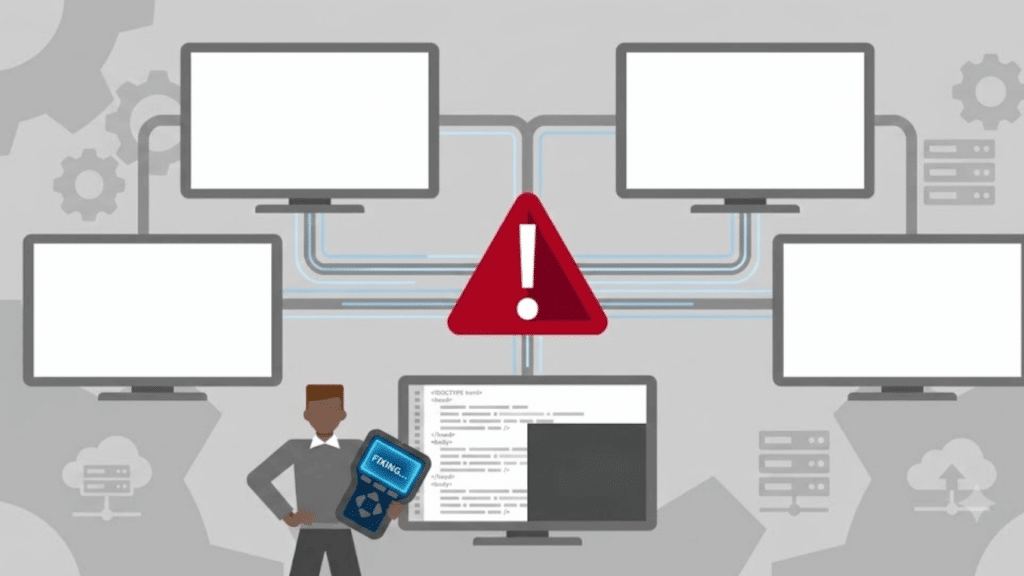
Business growth often exposes weak network planning before leadership sees the balance sheet impact. New offices, heavier cloud use, larger files, and remote teams all increase strain on core infrastructure. A scalable design gives organizations room to add capacity without frequent rebuilds.
It also improves application response, steadies daily operations, and reduces costly service interruptions. With clear priorities, companies can support expansion while keeping performance, risk, and spending under closer control.
Start With Demand Patterns
Future-proofing starts with measurement, rather than assumptions. Teams need current traffic levels, device counts, application demand, and branch growth estimates. Peak periods matter because bottlenecks usually appear during payroll runs, video meetings, or backup windows.
Solid baselines show where links saturate, hardware nears limits, or routing choices slow response times. That evidence supports purchasing decisions grounded in real operating conditions.
Build for Flexible Growth
Growth rarely follows a straight path. One quarter may bring cloud migrations, while the next adds a new office or larger remote workforce. In that setting, enterprise networking solutions help planners add capacity, apply policy control, and adjust traffic paths without rebuilding the entire environment. The goal is steady service across users, locations, and critical platforms, even as demand shifts over time.
Reduce Weak Visibility
Poor visibility turns minor faults into long outages. Leaders should track latency, packet loss, device health, and application response from a single operational view. When teams can see where congestion begins, they can fix the source instead of chasing symptoms.
Clear monitoring also helps identify recurring trouble before staff submits tickets. Faster diagnosis protects productivity and reduces avoidable support costs.
Segment Traffic With Purpose
Flat networks expose sensitive systems to unnecessary risk. Segmentation separates finance tools, voice services, guest access, and production workloads into controlled zones.
If one segment fails or faces attack, other areas remain easier to protect. That structure also limits noisy traffic that can slow critical applications. Security improves when boundaries are clear, and policy rules stay consistent across every site.
Support Cloud Use
Cloud traffic behaves differently from older office-centered patterns. Many organizations now send staff through several hosted platforms during a normal workday. That shift places pressure on routing, bandwidth, and policy enforcement across every location.
Networks should move traffic efficiently while preserving a stable application response. Without that discipline, users face lag, dropped sessions, and uneven performance during busy periods.
Standardize the Core

Mixed hardware and undocumented settings make expansion harder than it needs to be. Standard builds create consistency across switches, wireless access points, and branch configurations. Common templates reduce setup time and lower error rates during rollouts. They also make training easier for internal teams and outside support partners. Order at the core gives growth a cleaner path and fewer surprises.
Automate Routine Tasks
Manual changes create delays and increase configuration mistakes. Automation can handle device provisioning, policy updates, compliance checks, and basic validation work. That approach shortens deployment time and reduces reliance on memory during repetitive tasks.
It also improves audit readiness because changes follow defined patterns. For growing organizations, time saved on routine work becomes available for planning and review.
Keep Rules Consistent
Repeatable workflows help teams apply the same standards across sites, hardware, and user groups.
Free Skilled Staff
Engineers can spend more hours on architecture, testing, and service improvement rather than repetitive change work.
Protect Spending
Scalable network planning is also a budget discipline. Emergency upgrades usually cost more because they happen under pressure, with fewer choices and tighter deadlines. Leadership should compare equipment life, support contracts, power use, and upgrade flexibility before committing funds.
A phased roadmap spreads spending across useful milestones. Better timing improves forecasting and supports calmer approval discussions with finance teams.
Prepare for Interruptions
Provider failures, storms, and hardware faults can disrupt operations with little warning. Organizations need backup links and tested failover procedures where downtime threatens revenue, safety, or customer service.
Diverse paths matter because a second circuit on the same route offers limited protection. Recovery plans should be documented, practical, and reviewed often. Reliable service begins long before any incident occurs.
Measure What Matters
Useful metrics connect technical performance with business outcomes. Leadership should watch uptime, repair time, user experience, and application availability, rather than relying on raw bandwidth alone.
Capacity headroom also deserves attention because growth rarely follows clean forecasts. Short, readable reporting helps decision-makers spot patterns early. Measured results turn network planning into an ongoing management practice instead of a reaction.
Train the People
Infrastructure does not future-proof itself. Staff need clear ownership, current documentation, and regular training tied to real operating procedures. Those habits reduce misconfigurations during upgrades, migrations, and outage response.
When teams clearly define responsibilities across operations, security, and support, they also work faster. Strong architecture performs best when people and processes receive the same level of attention.
Conclusion
A future-ready network does far more than connect devices and office locations. It supports expansion, protects application performance, and helps leadership control risk before small issues become expensive failures. Organizations that measure demand, standardize core systems, improve visibility, and automate routine work gain steadier operations over time.
Thoughtful planning also supports better budget decisions and smoother cloud adoption. Scalable networking remains a practical investment for companies preparing for sustained growth.