For decades, being able to power a device meant being able to track down the required charger. This has not always been straightforward; with such a varied panoply of attachments and connectors to choose from, locating the right one was often an unenviable chore.
One Connector for Everything: Simplifying Devices and User Experience
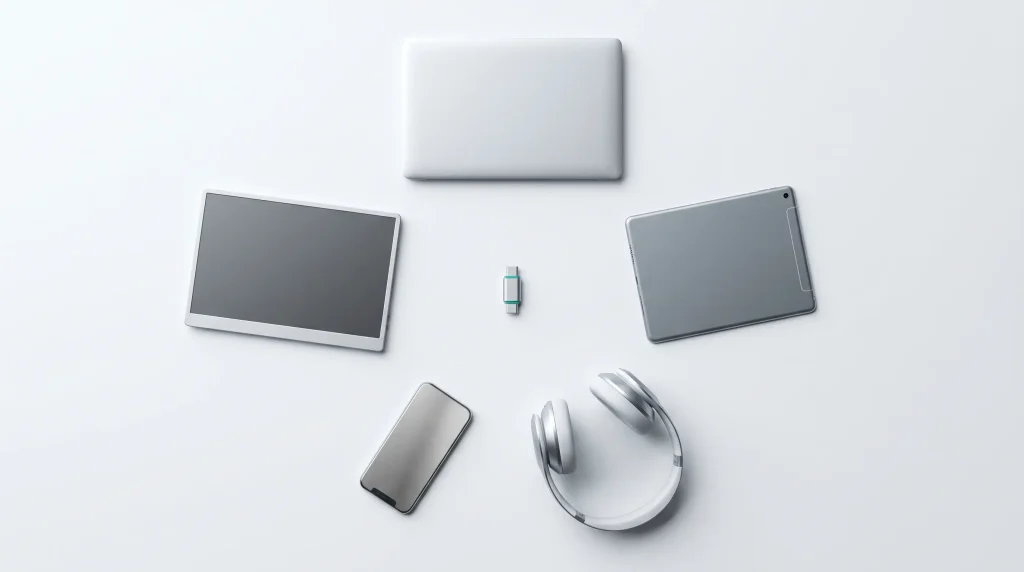
But this is changing, finally, thanks to the emergence of USB-C. Just about every modern device is now compatible with this kind of connector, which makes it easy to charge a device and transfer data using just a single cable.
We’re even seeing USB-C stray far beyond the boundaries defined by previous versions of the USB standard. It’s used, among other things, for video displays and audio devices, meaning that a single-cable household could really be a reality in the not-too-distant future.
Faster Speeds and Higher Power Delivery
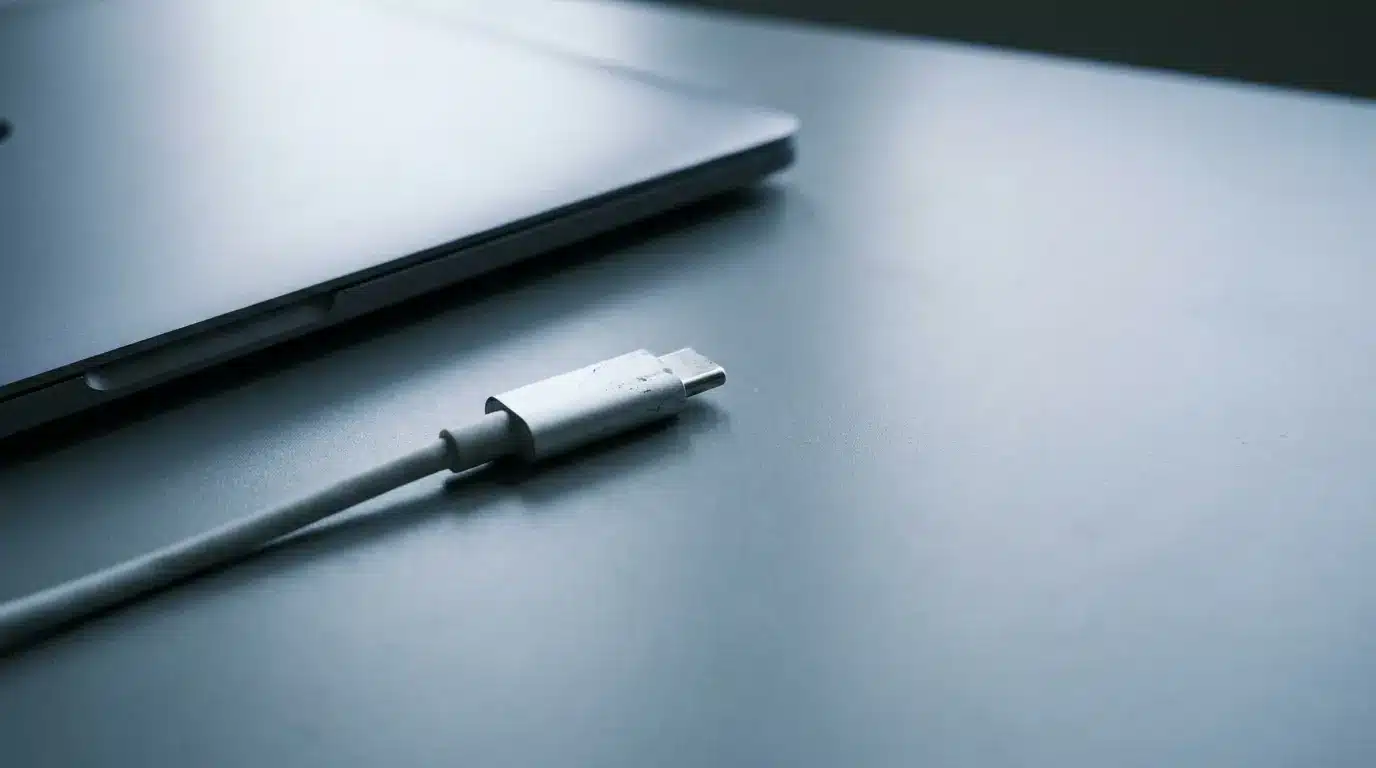
As well as providing consistent connectors that ensure that everything is interoperable, USB-C also comes with impressive specs. The USB4 data transfer standard, announced in 2019, allows for speeds of around 80 Gbps, in theory (though in practice 40 Gbps is often what’s advertised), making it a direct rival to the Thunderbolt 3 protocol upon which it’s based.
It’s also able to deliver power in excess of 100 Watts, which makes it more than a match for most of the power-hungry devices in a modern home. As such, you might see it used as the sole power input for everything from laptops to tablets to smartphones. It might be that, at some point in the future, the only appliances that really require a real wall socket are the power-hungry ones, like ovens, fridges, and washing machines.
Regulation and Industry Pressure Driving Adoption
So, what has prompted this industry-wide convergence on a single, sensible standard? For the most part, we can thank the common charger regulations, spearheaded by the EU. When one market decides that only a certain kind of charger is permitted, it becomes extremely costly for manufacturers to create different versions of their device for different parts of the world. On top of that, there’s the fact that the same process of regulation is being pushed elsewhere in the world.
Sustainability and the Push to Reduce E-Waste
Perhaps the greatest benefit of the move toward a single standard for charging cables has nothing to do with convenience or the consumer experience. When we use just a single cable for everything, it vastly reduces the number of cables that need to be senselessly discarded when a new device comes out.
If you have a massive collection of old charging cables somewhere in your storage space, then you might already appreciate this particular benefit!