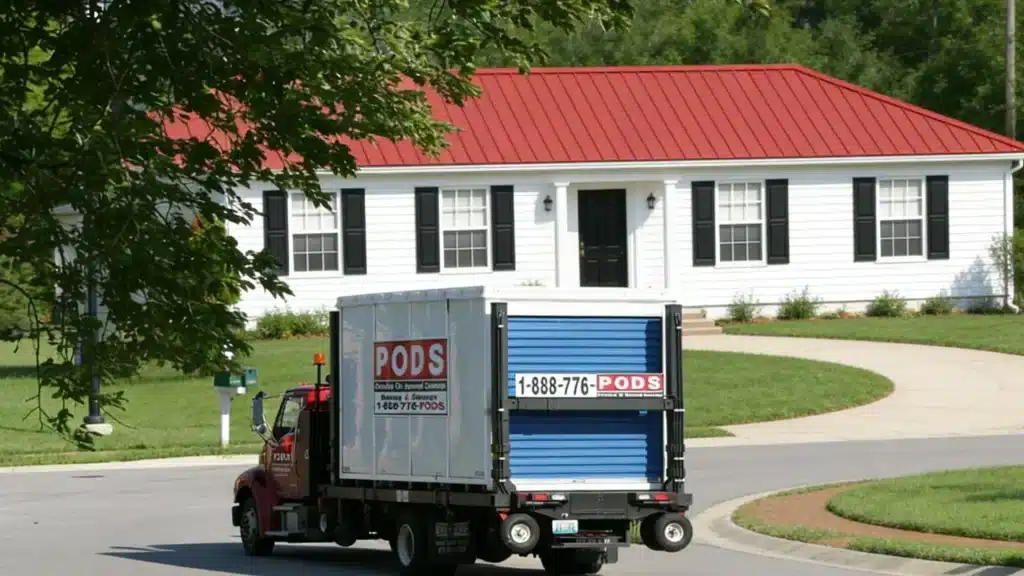
If you have ever watched a large steel container appear in someone’s driveway and wondered what it was, you have seen PODS in action.
Unlike rental trucks that put you on a tight clock, portable storage containers work around your schedule. You pack them when you’re ready, and the company handles all the driving.
Covering mobility solutions for over a decade, I have looked at a lot of ways people move their belongings from app-based freight platforms to full-service movers.
Whether moving across town or across states, PODS offers a simple way to manage belongings without rushing the process.
This blog breaks down what PODS are, how PODS work, what they cost, and whether they’re the right call for your situation.
What is PODS?
PODS stands for Portable On Demand Storage, which refers to large, weather-resistant containers used for moving, storage, or both.
The concept launched in 1998 and has grown into one of the most widely recognized portable storage brands in the country, now operating across 46 states and Washington, D.C.
These containers are delivered directly to your home, giving you the freedom to pack your belongings at your own pace instead of rushing through a tight moving schedule.
Once you are done loading, the company picks up the container and either transports it to your new location or stores it at a secure facility until you need it again.
It is worth noting that PODS in this context has nothing to do with tech-related pods like Kubernetes systems or wireless earbuds. It strictly refers to physical storage containers used for relocation and storage needs.
How Do PODS Work?
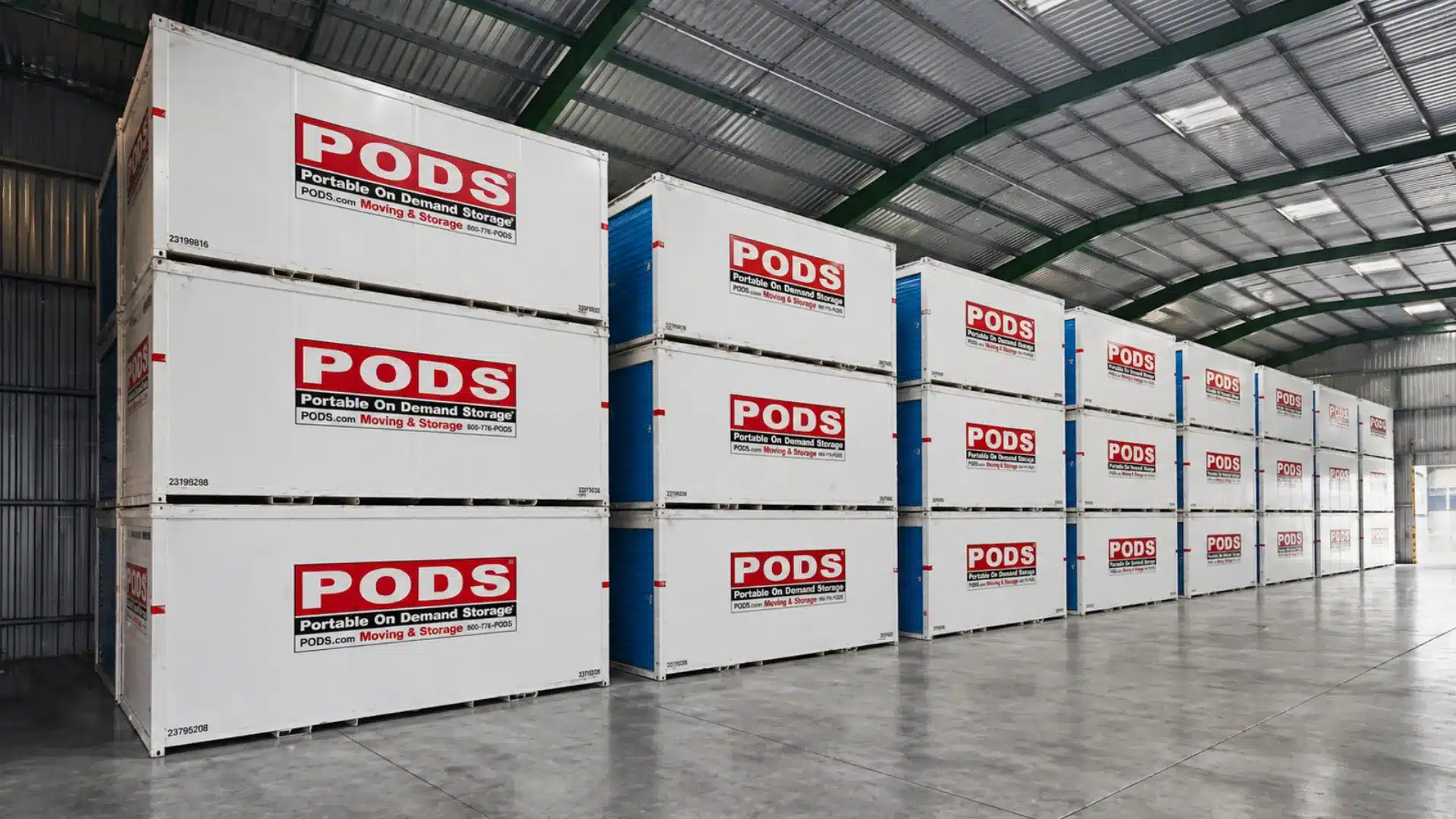
Using PODS is designed to be simple and flexible, especially for people who want more control over their move.
Instead of rushing through packing or driving a large truck, the process happens in clear steps that fit your schedule.
Step 1: Container Delivery
The process begins when the company delivers a PODS container to your home. It is usually placed in your driveway or at the curb, depending on available space.
You will need enough room for the container, so checking space ahead of time is important. In some areas, permits may be required, especially if the container sits on the street.
Homeowners’ associations may also have restrictions on placement or duration.
Permit timelines can range from same-day approval to several business days depending on your municipality, so it is worth confirming at least a week before delivery.
Step 2: Packing & Loading
Once the container arrives, you can start packing your belongings at your own pace. There is no need to rush, which makes this option less stressful than traditional moving methods.
Most PODS rentals include a 30-day window, giving you plenty of time to load everything properly. You can handle packing yourself or hire labor-only movers if needed.
This flexibility allows you to stay organized, protect your items, and move on a schedule that works best for you.
In most moves I have covered, people underestimate how much time thoughtful packing actually takes. The 30-day window is one of the most underrated advantages PODS offers.
Step 3: Pickup & Transportation
After you finish loading, you schedule a pickup with the company. They come to collect the container and transport it to your chosen destination.
For local moves, the container is delivered directly to your new home.
For long-distance moves, delivery typically takes 7 to 10 business days, and many routes include tracking so you can monitor the container’s progress.
PODS uses a patented hydraulic lift system called PODZILLA to load and unload containers while keeping them level, which helps protect fragile items during handling.
Step 4: Storage Options
PODS also offer flexible storage options based on your needs. You can keep the container at your home if you have space, which is called on-site storage.
This allows easy access to your belongings anytime. Another option is off-site storage, where the container is kept at a secure storage facility.
Access is still available, but usually during specific hours. This is useful if you are between homes, renovating, or need extra time before moving into your new place.
Step 5: Final Delivery & Unloading
When you are ready, the container is delivered to your new location. You can then unload your belongings at your own pace, just like the packing step.
This helps reduce pressure and makes settling in easier. After everything is unloaded, you schedule a final pickup. The company collects the empty container, and your move is complete.
This final step keeps the process simple and avoids the hassle of returning trucks or dealing with strict deadlines.
Types and Sizes of Pods Containers
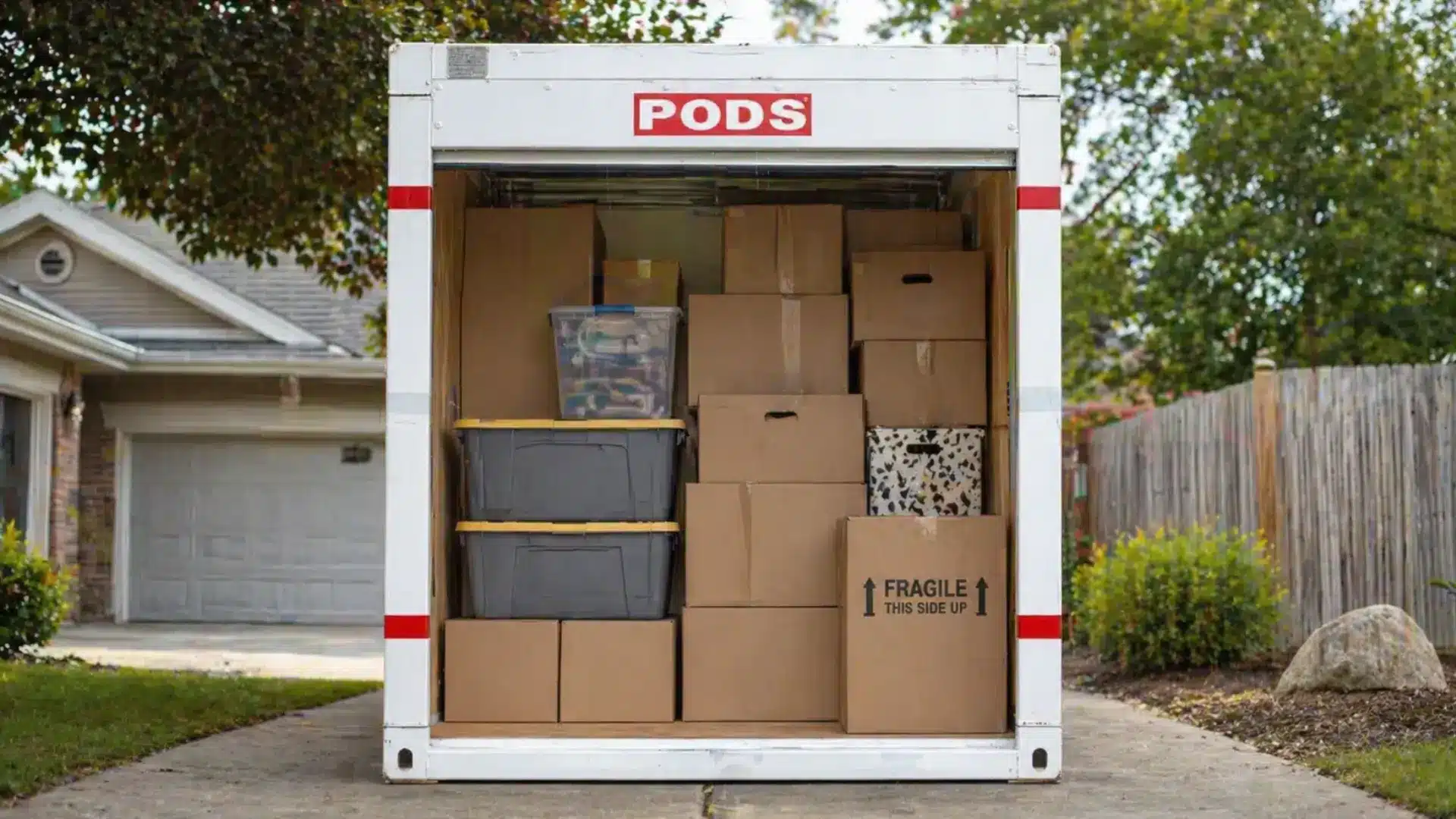
PODS containers are available in three main sizes, each designed to handle different types of moves and storage needs. Choosing the right size depends on how many rooms you are moving and how much furniture you have.
1. 8-foot Container
This size is ideal for studio apartments, college dorms, single rooms, or downsizing.
It measures about 8 feet long, 7 feet wide, and 8 feet high, offering around 400 cubic feet of space. It can typically handle up to 5,200 pounds and fits belongings from spaces up to about 500 square feet.
2. 12-foot Container
This option works well for 1- to 2-bedroom apartments or about 2- to 3-room apartments. It measures roughly 12 feet long, 8 feet wide, and 8 feet high, providing about 689 cubic feet of space.
The weight limit is around 4,700 pounds, and it fits items from about 500 to 800 square feet. Note that the 12-foot container is only available for local moves and storage, not long-distance transport.
3. 16-foot Container
This is the largest option and is best suited for 2 to 4 bedroom homes or bigger moves covering 3 to 4 rooms. It measures about 16 feet long, 8 feet wide, and 8 feet high, with around 835 cubic feet of capacity.
In my experience, most people moving to a 3-bedroom home end up in this size; it is the one to default to if you are unsure.
It can hold up to 4,200 pounds and fits belongings from spaces up to about 1,200 square feet. This size is commonly used for both local and long-distance moves.
How Much Do PODS Cost?
The total price for your project will be the sum of your transportation fee quoted for your specific move distance, plus any applicable monthly rental fees if you choose to store the container at your home or a PODS facility for an extended period.
Always confirm the rental duration included in your custom moving quote. Some quotes include the first month of storage; others do not.
Getting an itemized breakdown before booking prevents cost surprises later.
| Distance / Type | 8-foot Container | 12-foot Container | 16-foot Container |
|---|---|---|---|
| Local Move (~50 miles) | $220 – $426 | $294 – $637 | $323 – $813 |
| Long-Distance (up to 250 miles) | $450 – $828 | N/A (Local only) | $911 – $2,107 |
| Cross-Country Move | $2,068 – $4,028 | N/A (Local only) | $5,439 – $7,448 |
Factors Affecting PODS Pricing
Several variables push your final bill up or down. Knowing them ahead of time makes it easier to budget accurately and avoid surprises.
- Distance: Local moves under 150 miles carry the lowest base rates. Cross-country transport significantly increases cost, with moves over 1,750 miles averaging around $4,690.
- Container size: Larger containers cost more per rental period. Using two smaller containers can sometimes cost more than one large one, so estimate your volume carefully before booking.
- Rental duration: Most quotes include 30 days of rental. Every additional month adds a storage fee that typically ranges from $149 to $359, depending on the container size and your location.
- Season and demand: Peak moving season runs from May through September. Rates tend to be higher during summer months and can drop in late fall or winter.
- Location and access: Urban zones, narrow streets, and properties without a driveway can add delivery surcharges.
- Add-on services: Optional extras like loading labor through partner services, packing supplies, climate-controlled storage, and insurance plans all add to the base price. Always request a full itemized quote before confirming.
Pros and Cons of Using PODS
PODS can be a convenient moving and storage option, but they are not the perfect fit for every situation. Both the advantages and the limitations help you decide if PODS match your moving needs, timeline, and budget before making a final decision.
| Pros | Cons |
|---|---|
| Pack at your own pace with a 30-day window | Base prices can climb significantly with add-ons |
| No driving required, the company handles all transport | Not available in all states (coverage in 46 states) |
| Flexible storage: keep at home or move to a facility | Peak-season pricing can be notably higher |
| Three container sizes to match your move | 12-ft containers not available for long-distance moves |
| Steel-framed, weather-resistant construction | Weight limits (4,200-5,200 lbs) may restrict heavy items |
| Month-to-month extensions if your timeline changes | Urban delivery may require permits and extra fees |
| No weight-based pricing; cost is flat per period | Long-distance delivery takes 7-10 days |
| City Service available in 20+ major metros | Basic models lack climate control for sensitive items |
How Do PODS Compare to Traditional Movers?
Full-service movers pack, load, transport, and unload everything in a single coordinated effort. That convenience is real, but so is the cost.
The schedule is largely theirs, and moving day is fixed. PODS works differently: you control when packing happens, and the company steps in only for transport and storage.
For a move with a firm date and a full budget, a full-service mover may be faster and less hands-on.
For moves with flexible timelines, storage needs, or tighter costs, PODS tends to perform better. The tradeoff is that loading and unloading fall on you unless you hire separate labor.
The cost advantage of PODS over full-service movers is most pronounced on long-distance moves, where full-service pricing can run 2 to 3 times higher.
If you also have a vehicle to relocate, you will need a separate transport service, so estimating vehicle shipping costs ahead of time prevents that line item from catching you off guard.
If neither PODS nor full-service movers feel like a precise fit, alternatives including U-Pack, SMARTBOX, and 1-800-PACK-RAT offer similar portable container models worth comparing for your specific route and budget.
Pricing and availability vary by region, so running parallel quotes is time well spent.
When Should You Use PODS?
PODS work best when flexibility and timing matter more than speed. They are a strong option for long-distance moves, especially when driving a rental truck is not practical.
They also help during home renovations, where belongings need to be stored safely without cluttering the space. Downsizing or decluttering becomes easier since you can load items gradually and decide what to keep.
PODS are ideal when there is no fixed moving date, giving you control over packing and unloading.
They also make strong sense when there is a gap between homes, such as waiting for new construction to be completed or closing dates that do not align, without forcing you to rush the move on either end.
Tips for Using PODS Effectively
Using PODS can make your move smoother, but a few smart decisions can save time, money, and stress. Planning ahead and packing correctly helps you get the most out of your container while avoiding common issues during delivery and transport.
- Book Early: Reserve your container at least 1 to 2 weeks in advance to secure availability, especially during peak moving season.
- Pick the Right Size: Choose a slightly larger container than you think you need to avoid running out of space mid-packing.
- Balance the Weight: Place heavy items at the bottom and distribute weight evenly to keep the container stable during transport.
- Protect Your Items: Use blankets, padding, and tie-down straps to prevent shifting and damage while the container is in transit.
- Check Local Rules: Review parking regulations and permit requirements early to avoid last-minute issues with placement or fines.
- Get the Itemized Quote: Before confirming any booking, request a full breakdown that separates the transport fee, container rental, and any storage charges. The gap between a base quote and the final invoice is where most budget surprises hide.
Conclsuion
Understanding what PODS are and how they fit into a move can make a real difference when planning your next step.
From flexible packing timelines to simple transportation and storage options, PODS offers a practical solution for many situations.
They are particularly well-suited for long-distance moves, transitional living situations, and anyone who wants more control over pacing without the pressure of a single moving day.
Knowing the costs, size limits, and setup requirements ahead of time helps you avoid last-minute surprises.
Choosing the right option depends on your space, budget, and moving timeline. Many people find PODS to be a balanced choice between convenience and control.
Have you used PODS for your move or storage needs? Share your experience, tips, or questions in the comments below to help others plan better.
Frequently Asked Questions
Do You Need a Permit to Put a PODS Container on the Street?
It depends on your city. Many areas require a Right-of-Way or Encroachment Permit. Check local rules in advance, as fees, timelines, and notice periods can vary widely.
Do PODS Offer Insurance Coverage?
Yes. PODS provides optional contents protection plans. Coverage levels vary, so reviewing policy details before selecting a plan is recommended.
PODS does not automatically cover damage from items shifting during transport; a paid protection plan or your existing homeowner’s or renter’s insurance policy would need to address that gap.
How Long Does a PODS Long-Distance Move Take?
For long-distance moves, PODS typically delivers the container to the destination within 7 to 10 business days after pickup. Transit time can vary based on distance, route, and demand. You can request a more precise estimate when booking.