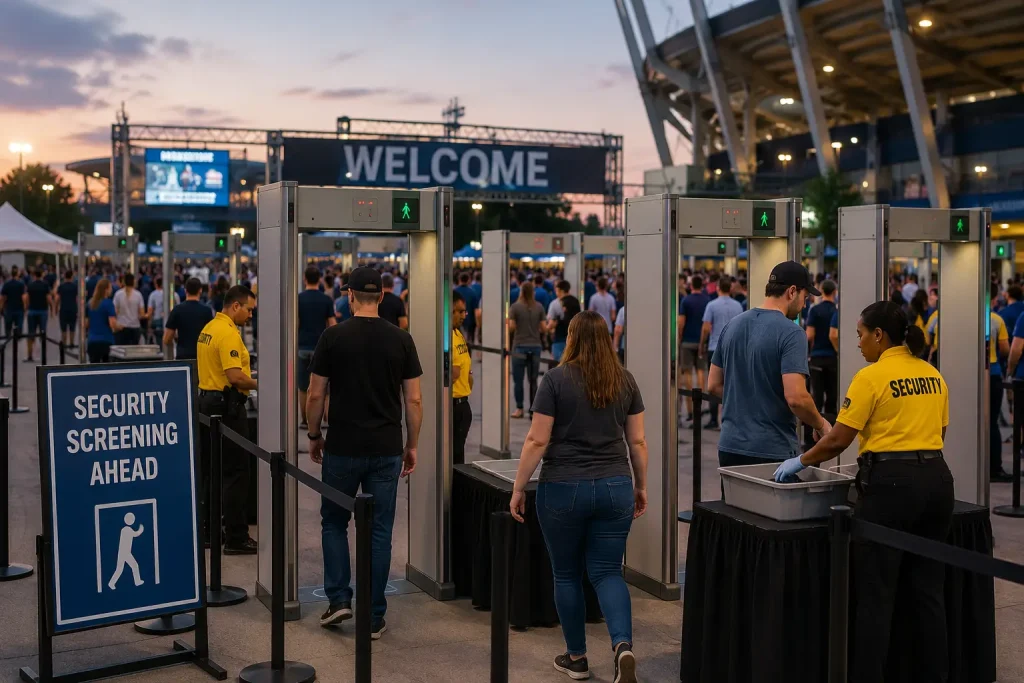
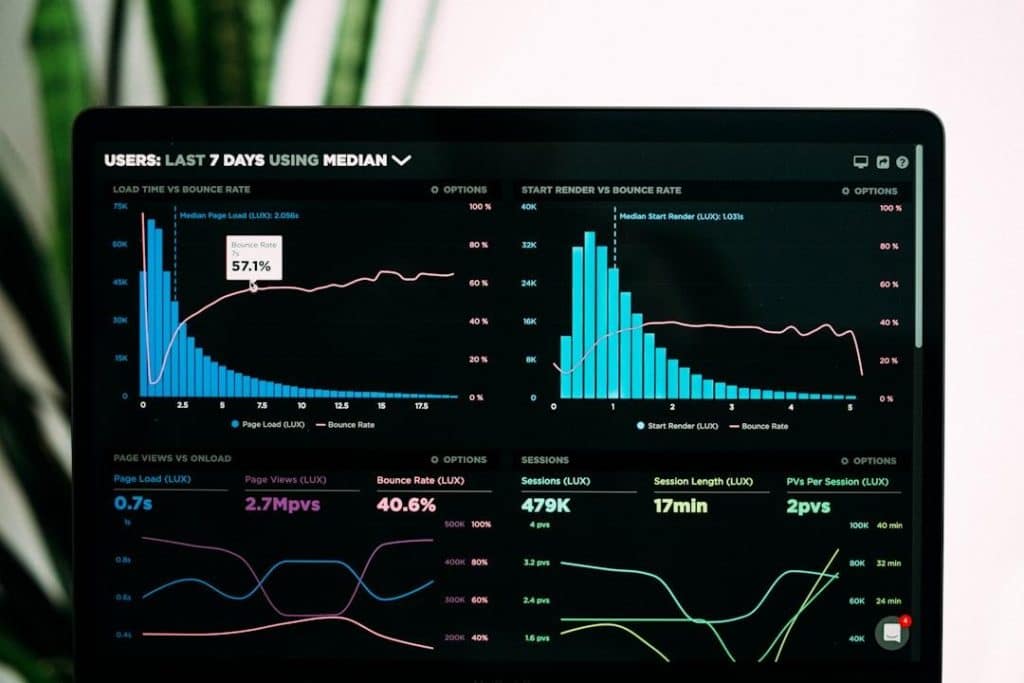
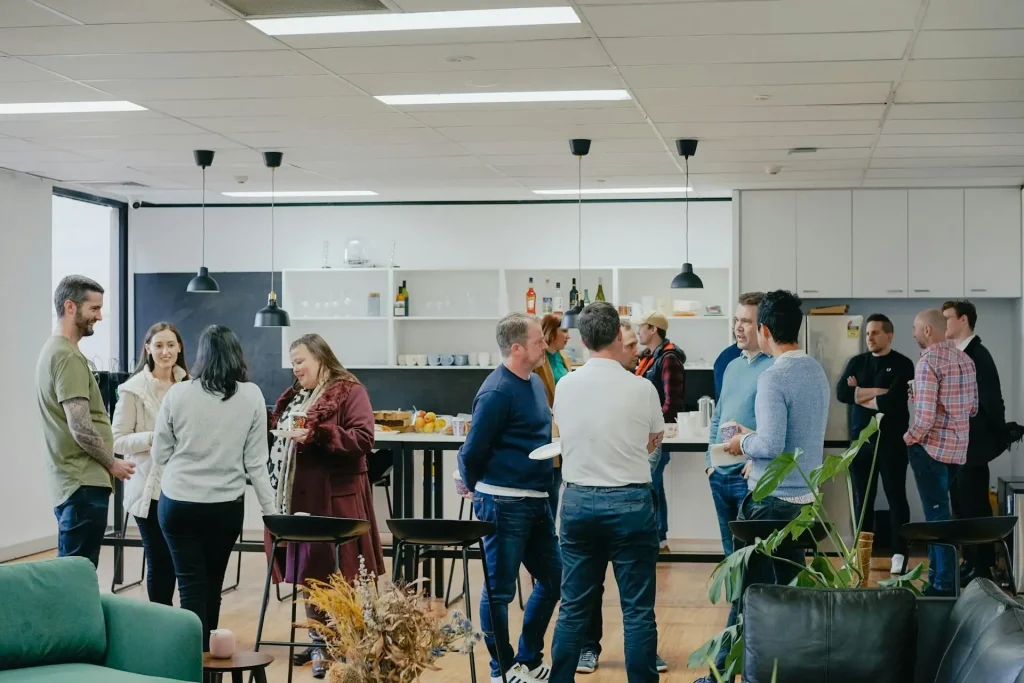
Large outdoor events in Australia operate under a specific set of conditions that directly affect setup, execution, and breakdown.
Climate variability, strict local council requirements, and the scale of logistics involved all contribute to the complexity.
Unlike indoor events, outdoor setups rely heavily on temporary infrastructure. Power, water, access routes, and crowd flow all need to be created from scratch. That means equipment planning and timing are not secondary considerations, they are the foundation of the entire operation.
The difference between a smooth event and a disrupted one often comes down to how well these elements are coordinated in advance.
Planning Equipment and Timelines Before Arrival
Before anything reaches the site, planning determines how efficiently the setup will run.
Defining Delivery Windows and Access Points
Access is one of the first constraints to manage. Many outdoor locations, especially parks or coastal areas, have limited entry points. Vehicles cannot arrive all at once, and heavy equipment often requires designated routes to avoid damaging the ground.
Delivery schedules need to be staggered, with clear time slots for different suppliers. Equipment that supports core infrastructure, such as staging and power, must arrive before secondary elements like catering or seating.
Sequencing the Setup Process
Setup follows a logical order. Ground preparation and infrastructure come first, followed by structural installations such as stages and marquees. After that, operational elements like lighting, sound, and vendor areas are installed.
If this sequence is disrupted, it creates delays. For example, attempting to install seating before ground levelling or attempting to bring in catering equipment before access routes are clear leads to inefficiencies.
Coordinating Multiple Suppliers
Large events often involve dozens of suppliers, each responsible for different components.
Without coordination, suppliers may arrive at the same time or require access to the same area, causing congestion. Centralised scheduling and on-site coordination teams are essential to manage this.
Site Preparation and Equipment Deployment
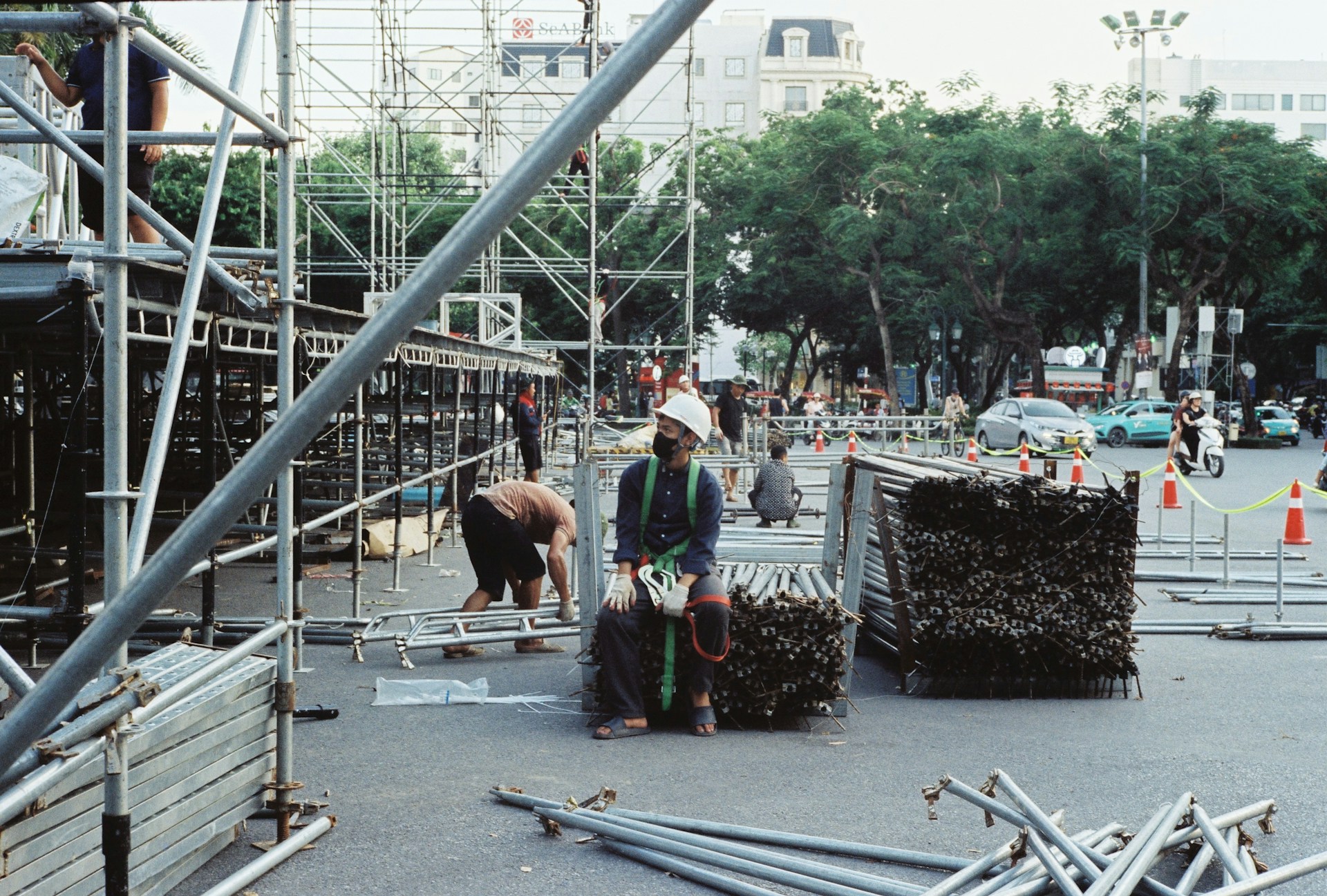
Site preparation is where planning becomes physical execution. This stage defines how well the event will function once attendees arrive.
Equipment for Handling Goods and Supplies
Handling goods efficiently is critical, particularly for events involving food, beverages, or merchandise. These items often arrive in bulk and need to be distributed across multiple locations on-site.
Pickup Trucks and Delivery Vehicles
Pickup trucks and light delivery vehicles are commonly used for transporting goods within the site. They provide flexibility for moving smaller loads and navigating tighter access points.
For larger deliveries, trucks are scheduled to unload at designated zones before goods are redistributed using smaller vehicles.
Forklifts
Forklift is an essential piece of equipment for moving heavy pallets and equipment. They are typically used during initial setup phases when large volumes of goods need to be unloaded quickly.
On uneven or outdoor terrain, specialised forklifts designed for rough surfaces are often required.
Pallets and Storage Systems
Pallets provide a standardised way to handle goods efficiently. They allow for stacking, transport, and temporary storage without repacking items.
Temporary storage areas are usually designated near vendor zones to reduce movement during the event.
Cold Storage Units
For events involving food and drinks, cold storage is a critical requirement. Portable refrigeration units are used to maintain temperature control, particularly in warmer Australian climates.
These units need to be positioned strategically to balance accessibility and power supply requirements.
Equipment for Attendee and Staff Facilities
Providing for attendees and staff requires a separate set of infrastructure that supports comfort, safety, and accessibility.
Seating and Chairs
Seating needs vary depending on the type of event, but all setups require a balance between capacity and layout.
Chairs are typically arranged based on expected crowd flow, ensuring clear pathways and emergency access routes.
Mobile Toilets and Sanitation Units
Portable toilets are a standard requirement for outdoor events. The number required depends on expected attendance and event duration.
These units must be placed in accessible locations while also considering waste management logistics and servicing during the event.
Sun Umbrellas and Shade Structures
In Australia, sun protection is a key consideration. Shade structures, including umbrellas and marquees, are used to reduce exposure to heat.
Placement is important, particularly in seating areas, food zones, and waiting areas.
Waste Management Stations
Waste stations are distributed across the site to manage rubbish and recycling.
Proper placement reduces littering and supports efficient cleanup during and after the event.
Ground and Infrastructure Preparation
Before any equipment is installed, the site itself needs to be prepared.
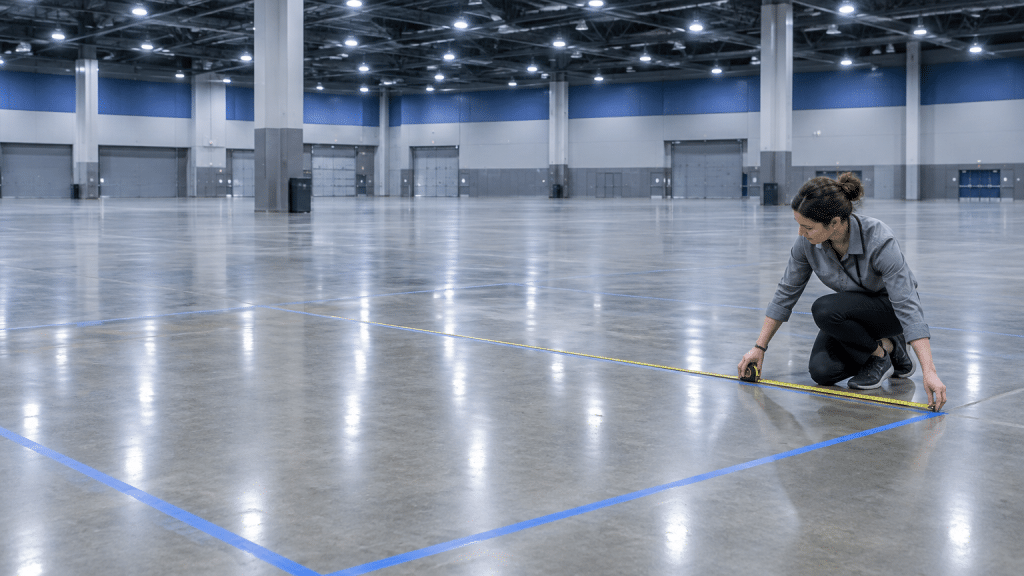
This can include levelling uneven ground, installing temporary flooring, and marking out zones for different activities. In some cases, protective measures are required to prevent damage to grass or natural surfaces.
Power distribution is also established at this stage, with generators and cabling installed to support all event operations.
Managing Power, Water, and Technical Infrastructure
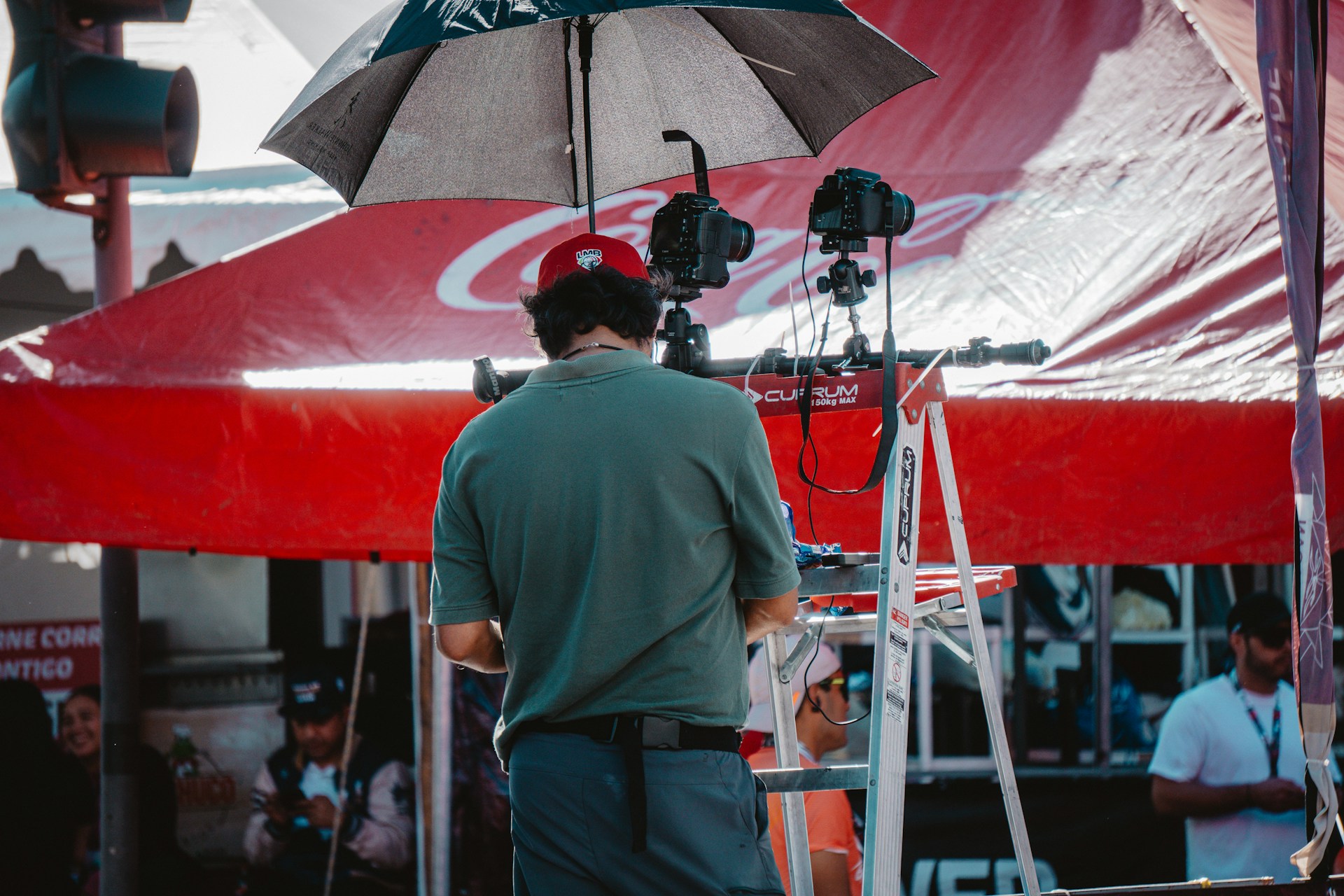
Outdoor events cannot rely on existing infrastructure, which means power and utilities must be built from the ground up.
Temporary Power Systems
Generators are the primary source of power for outdoor events.
They need to be sized based on total energy requirements, including staging, lighting, catering, and vendor equipment. Backup generators are often used to reduce the risk of outages.
Power distribution involves cabling and switchboards that connect different areas of the site.
Water Supply and Drainage
Water is required for sanitation, catering, and cleaning.
Temporary water systems may involve tanks, pumps, and connections to local supply where available. Drainage must also be managed to prevent water buildup, particularly in areas prone to rain.
Audio-Visual and Connectivity Systems
Large events rely on sound systems, lighting rigs, and increasingly, internet connectivity.
These systems need to be installed early in the setup process to allow for testing and adjustments. Connectivity is particularly important for ticket scanning, cashless payments, and communication between teams.
Coordinating On-Site Teams During Setup
Even with the right equipment in place, execution depends on coordination.
Role Assignment and Communication
Each team on-site needs clearly defined responsibilities.
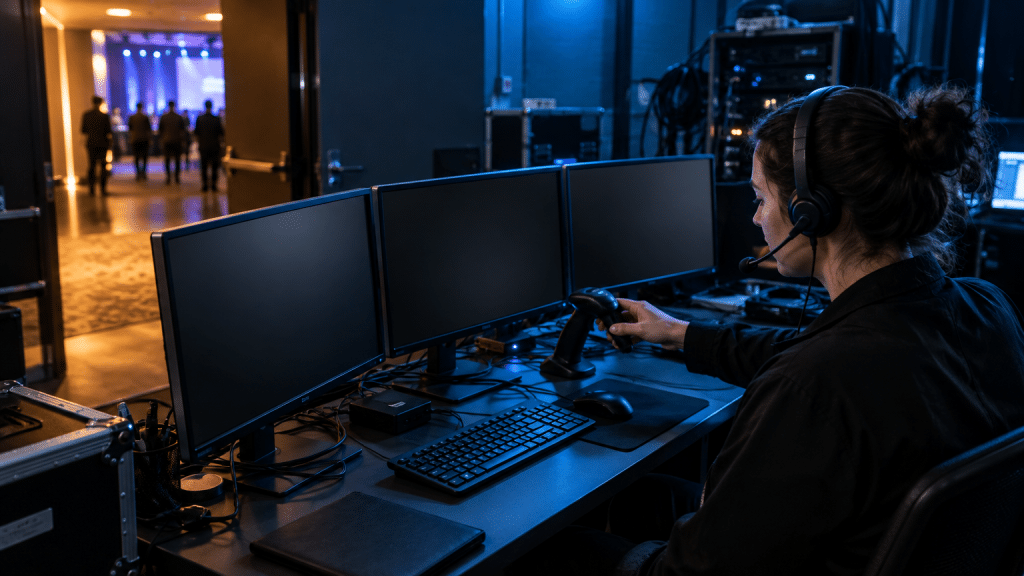
This includes setup crews, technical teams, safety personnel, and logistics coordinators. Communication systems, such as radios, are used to ensure that teams can respond quickly to changes.
Monitoring Progress in Real Time
Setup does not always go exactly as planned.
Real-time monitoring allows coordinators to adjust schedules, reallocate resources, and resolve issues as they arise. This is particularly important when working within tight timeframes.
Managing Safety and Compliance
Safety requirements are strict for large events in Australia.
This includes ensuring that structures are properly installed, electrical systems are safe, and emergency access routes are clear. Compliance with local regulations is essential to avoid disruptions.
Timing the Transition From Setup to Live Operation
The final stage of setup is the transition into a live event environment.
Final Checks and Testing
Before attendees arrive, all systems need to be tested.
This includes power, sound, lighting, and access control systems. Any issues identified at this stage can still be resolved without affecting attendees.
Staff Briefings and Readiness
Staff need to be briefed on their roles, schedules, and emergency procedures.
This ensures that everyone is aligned and ready to respond once the event begins.
Controlled Opening
Opening the event in a controlled way helps manage initial crowd flow.
This may involve staggered entry times or phased access to different areas.
Keeping Operations Stable Throughout the Event
Once the event is live, the focus shifts to maintaining stability.
Equipment continues to play a role, particularly in areas such as catering, waste management, and technical systems. Ongoing coordination ensures that issues are addressed quickly without disrupting the overall experience.
Large outdoor events in Australia succeed when equipment, timing, and coordination are treated as interconnected systems rather than separate tasks. When these elements are aligned, the event operates predictably, even at high volume.