The best compost bins can turn everyday food waste into something useful instead of letting it pile up in landfills.
According to the U.S. Environmental Protection Agency (EPA), food scraps make up more than 24.1% percent of the average household’s waste stream.
Most of it ends up in landfills, where it breaks down without air and releases methane, a greenhouse gas roughly 25 times more potent than CO2 over a 100-year period.
Composting at home helps cut that waste and keeps things simple. Whether you have a backyard or just a small kitchen space, the right bin decides if you stick with it or give up halfway.
After reviewing many options, checking real user feedback, product details, and common issues people encounter, this guide covers compost bins for every setup.
The picks below reflect what actually holds up in regular daily use, not just what looks good on a spec sheet.
You will find picks for tumblers, worm bins, electric composters, and simple kitchen bins. If you want a quick answer, the FCMP Outdoor IM4000 stands out as a top choice for most homes.
It works well, lasts long, and suits both beginners and regular users. Keep reading to find what fits your space best.
Why a Good Compost Bin Makes a Difference?
A bad compost bin can make the whole process frustrating from the start. It begins to smell, attracts pests, and quickly turns into something you want to avoid.
That is usually why many people stop composting within the first few weeks. A well-designed bin solves these issues early. It keeps things clean, simple, and easy to manage without constant effort.
Food scraps and yard waste make up a large share of what households throw away, and the vast majority of it can be composted instead of going to landfills.
Home composting can divert hundreds of pounds of organic waste per household each year, reducing both landfill burden and the need for store-bought fertilizers that cost between $5 and $20 per bag.
A good bin helps reduce that waste in a practical way. It turns everyday leftovers into useful compost that improves soil and supports healthier plants without needing store-bought fertilizers.
Good bins also manage odor and pests with secure lids and proper airflow. They are built to match your space and routine, so upkeep stays low and consistent.
With composting becoming more common in many areas, having a reliable bin at home makes the process easier to stick with long-term.
Types of Compost Bins You Can Choose From
Not every compost bin fits every home. The right choice depends on your space, how much waste you produce, and how involved you want to be in the process.
| Type | Best For | Speed | Space Needed | Effort |
|---|---|---|---|---|
| Indoor / Countertop | Collecting scraps before transfer | Not a composter | Countertop | Very low |
| Outdoor Bin | Gardens with regular yard waste | 2–6 months | Backyard | Low |
| Tumbler | Faster results, pest resistance | 4–8 weeks | Small yard/patio | Medium |
| Worm Bin | Rich compost, small spaces | 2–3 months | Indoor / balcony | Medium |
| Bokashi | Meat, dairy, all food scraps | 2–4 weeks (pre-ferment) | Under sink | Low–Medium |
| Electric | No outdoor space, speed priority | Hours | Countertop | Very low |
1. Indoor Compost Bins
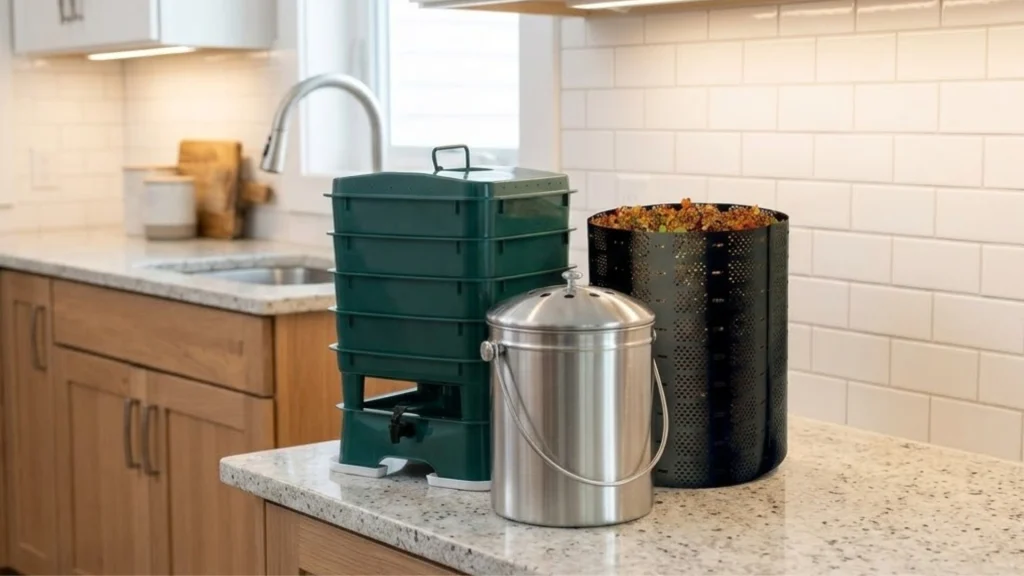
Indoor compost bins are designed for convenience inside the kitchen. They are small, compact, and made to sit on your counter or under the sink.
These bins do not turn waste into compost on their own. Instead, they store food scraps until you transfer them to an outdoor system or a local compost service.
Most good indoor bins are made from stainless steel or BPA-free plastic and include filters to control odor. One detail that often gets ignored is the opening size.
A wider opening makes it easier to drop scraps in without creating a mess, especially during regular cooking. Capacity usually ranges from 0.75 to 1.75 gallons, enough for a few days of waste in most homes.
This guide on new kitchen gadgets covers a range of compact tools, including a stainless steel countertop composter that pairs well with an indoor bin setup.
2. Outdoor Compost Bins
Outdoor compost bins are larger units made for gardens and backyards. They can handle a mix of food scraps, leaves, grass, and other yard waste.
Most are placed directly on the ground, which allows natural organisms like worms and microbes to enter and help with decomposition. These bins are one of the most affordable long-term options.
They are easy to set up and require little effort once running. The main downside is that composting takes time. Without regular turning or monitoring, it can take several months to get usable compost.
They are a good fit for households with outdoor space and regular garden waste. If you are not in a rush and prefer a simple system, this type works well.
3. Compost Tumblers
Compost tumblers are raised bins with a rotating drum. They speed up composting by making it easier to mix the contents. Turning the drum adds air, which helps speed up the breakdown process.
Many tumblers come with dual chambers. This lets you add fresh waste to one side while the other side continues composting. It keeps the process continuous and avoids long waiting periods between batches.
Because they are elevated, they also reduce pest problems. One thing to keep in mind is that tumblers can get heavy when full.
A well-designed, smooth-rotating design makes a big difference in daily use. They are a great option for people who want quicker results and are okay with some regular effort.
4. Worm Bins
Worm bins use worms to break down food scraps into nutrient-rich compost. The result is often finer and more beneficial to the soil than standard compost.
These bins are compact and can be used indoors, which makes them popular in small spaces. They need the right balance of moisture and temperature to work properly.
Worms prefer stable conditions, so sudden changes in temperature can affect the system. They also need proper bedding along with food scraps to stay healthy.
While they require a bit more attention than other bins, the quality of compost they produce is a big advantage. They are a good choice if you are interested in a more hands-on method with better output.
The vermicompost produced works particularly well when used alongside indoor gardening systems, where nutrient-dense amendments make the biggest difference in a compact growing setup.
5. Electric Composters
Electric composters are the most modern option. They use heat, grinding, and airflow to break down food scraps quickly. Instead of waiting weeks or months, you get processed material within hours.
The output is dry, lightweight, and easy to handle. It works best when mixed into soil or added to another compost system.
These machines are especially useful for people who do not have outdoor space or want to avoid the smell and maintenance.
Most electric composters reduce food scraps to about 10 percent of their original volume. The main downside is the higher upfront cost, typically $150 to $500, depending on the model.
For households already investing in smart home devices that reduce waste and energy use, an electric composter fits naturally into that ecosystem.
6. Bokashi Composting Bins
Bokashi composting bins are a compact indoor option that can handle almost all food waste, including meat, dairy, and cooked leftovers.
Instead of traditional composting, they use a fermentation process to break down scraps.
The process takes about 2 to 4 weeks to pre-ferment the waste. After that, the material is usually buried in soil or added to a compost system to fully decompose.
These bins are small enough to fit under the sink, making them ideal for apartments or homes with limited space. They also produce minimal odor when used correctly.
The main drawback is that the output is not immediately ready to use and requires a second stage. Still, Bokashi bins are a practical and flexible option for handling a wide range of kitchen waste indoors.
Best Compost Bins for Every Type of Home and Garden
These picks cover a range of spaces, budgets, and composting styles. Each one is chosen based on ease of use, durability, and performance in real conditions.
1. VIVOSUN Outdoor Tumbling Compost Bin
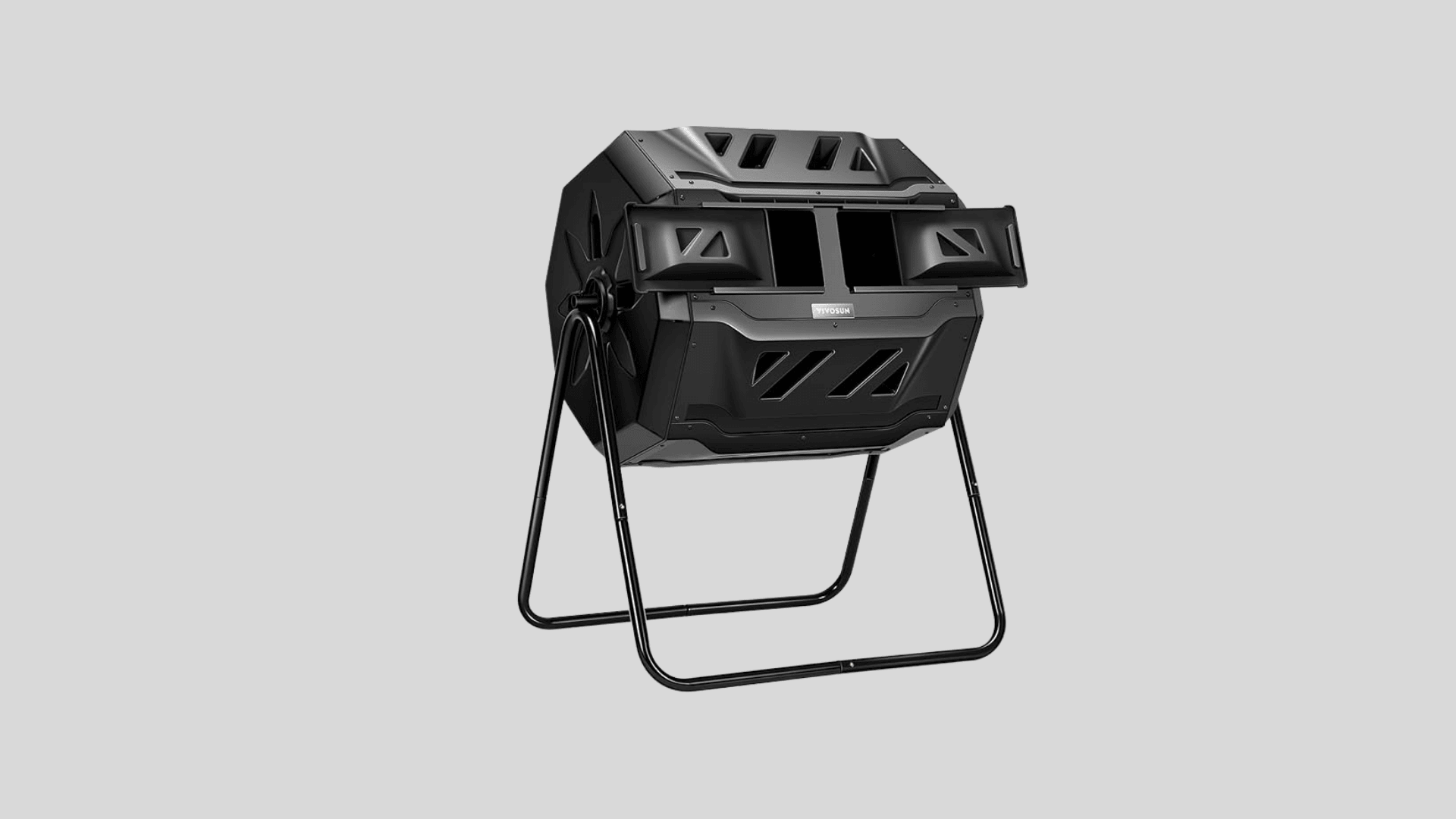
Price: $67.99
The VIVOSUN tumbler is a solid choice if you want something simple that works well. It comes with a dual-chamber design, so you can keep one side composting while adding fresh waste to the other.
This keeps the process going without long breaks. The uplifted frame helps keep pests away, and the rotating drum makes mixing easy.
The plastic body also traps heat, which helps speed things up, even when the weather is not very warm.
In testing, this is one of the features that stands out most on a day-to-day basis: you turn it a few times, and the compost stays active without extra effort.
Best for: homes that produce regular kitchen and yard waste and want faster compost without too much effort.
2. FCMP Outdoor IM4000 Tumbling Composter
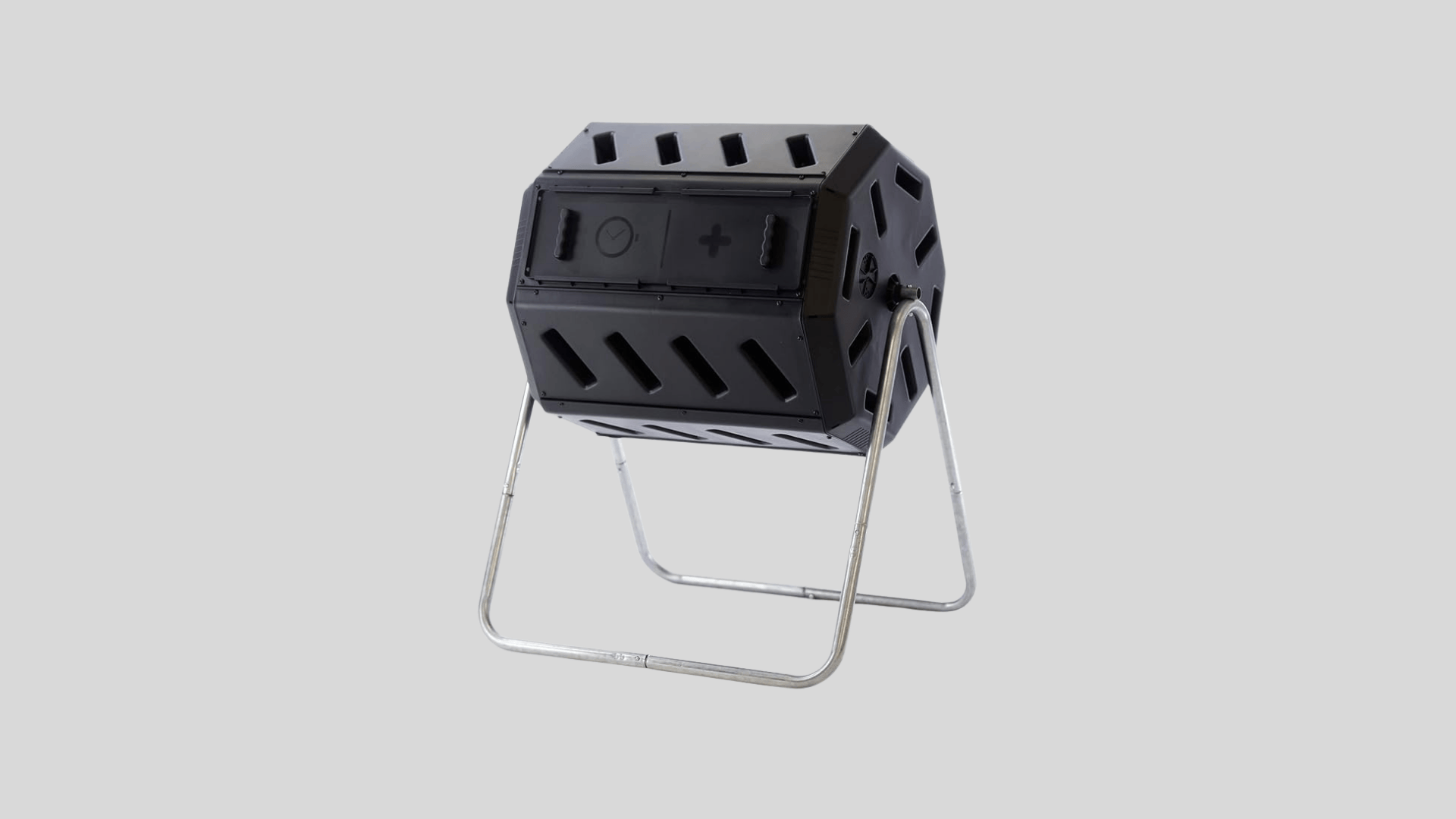
Price: ~$95.00 (129.99 CA$)
The FCMP IM4000 is one of the most consistently recommended options in head-to-head reviews and is rated as the most durable tumbler in its class by multiple independent testing outlets.
It uses a dual-chamber setup that allows continuous composting. You can keep adding new scraps while the other side breaks down older material.
It has good airflow with small holes and internal fins that help mix the compost as you turn it. The build quality is strong, and it holds up well in different weather conditions.
One thing to keep in mind is that composting slows down in very cold weather. In that case, pairing it with a small indoor setup can help maintain consistency.
Best for: anyone who wants a dependable tumbler that works well with minimal learning.
3. Utopia Kitchen Compost Bin
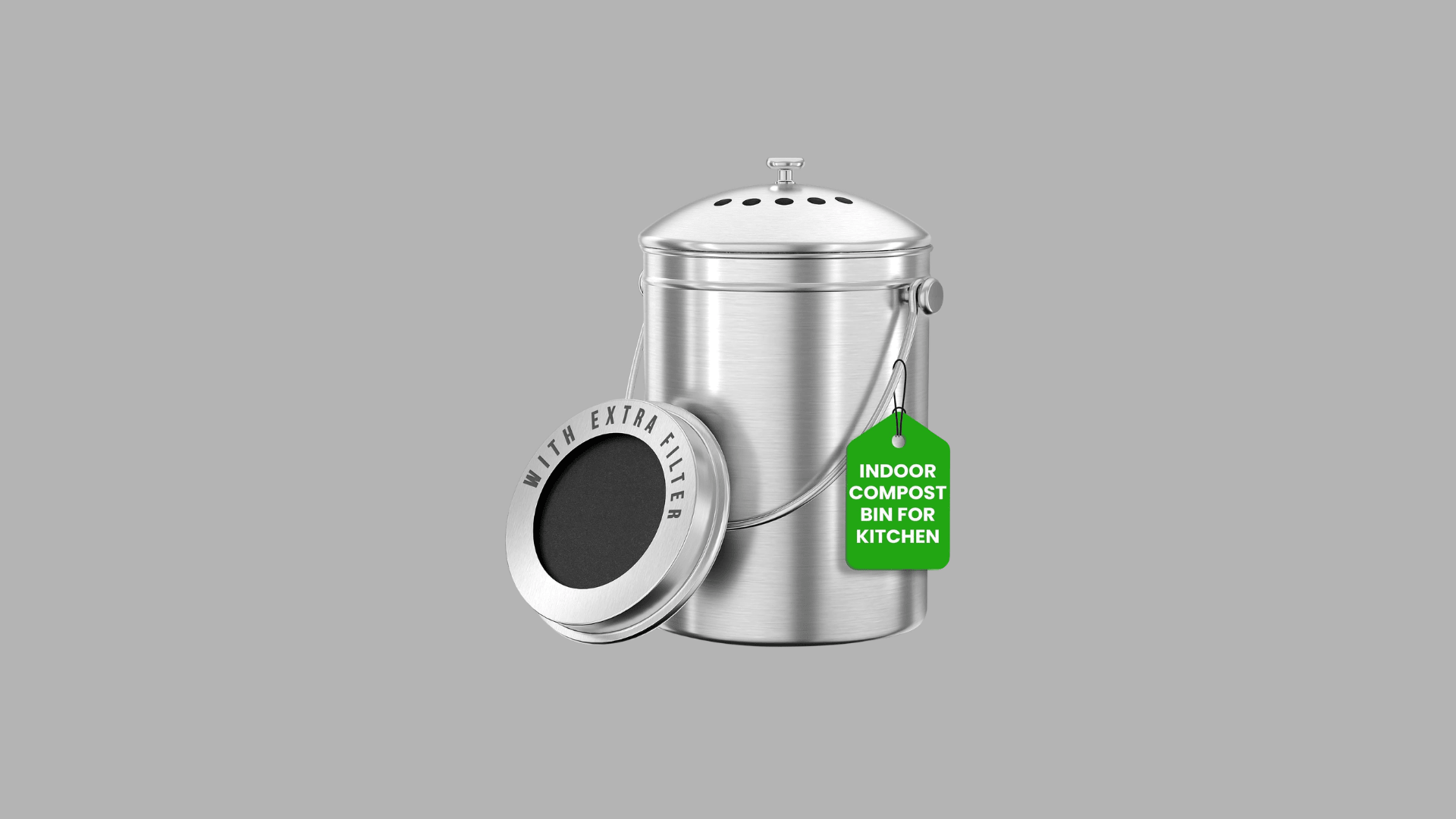
Price: $26.99
The Utopia Kitchen bin is a straightforward indoor option that focuses on the basics. It has a 1.3-gallon capacity, which is enough for a few days of kitchen scraps.
The stainless steel build is durable and resists stains and odors. It also comes with filters that help control odor, which is important if it sits on your counter.
Filters should be replaced every 2 to 3 months for best performance. The lid fits well, keeping insects away and preventing mess.
It is easy to clean, dishwasher-safe, and light enough to carry when full. The wide opening also helps when adding scraps during cooking.
With over 19,000 positive reviews and a consistent 4.5-star rating on Amazon, it is one of the best-reviewed countertop options available.
Best for: regular cooking setups that need a clean and simple way to collect food waste.
4. VermiHut Plus 5-Tray Worm Compost Bin
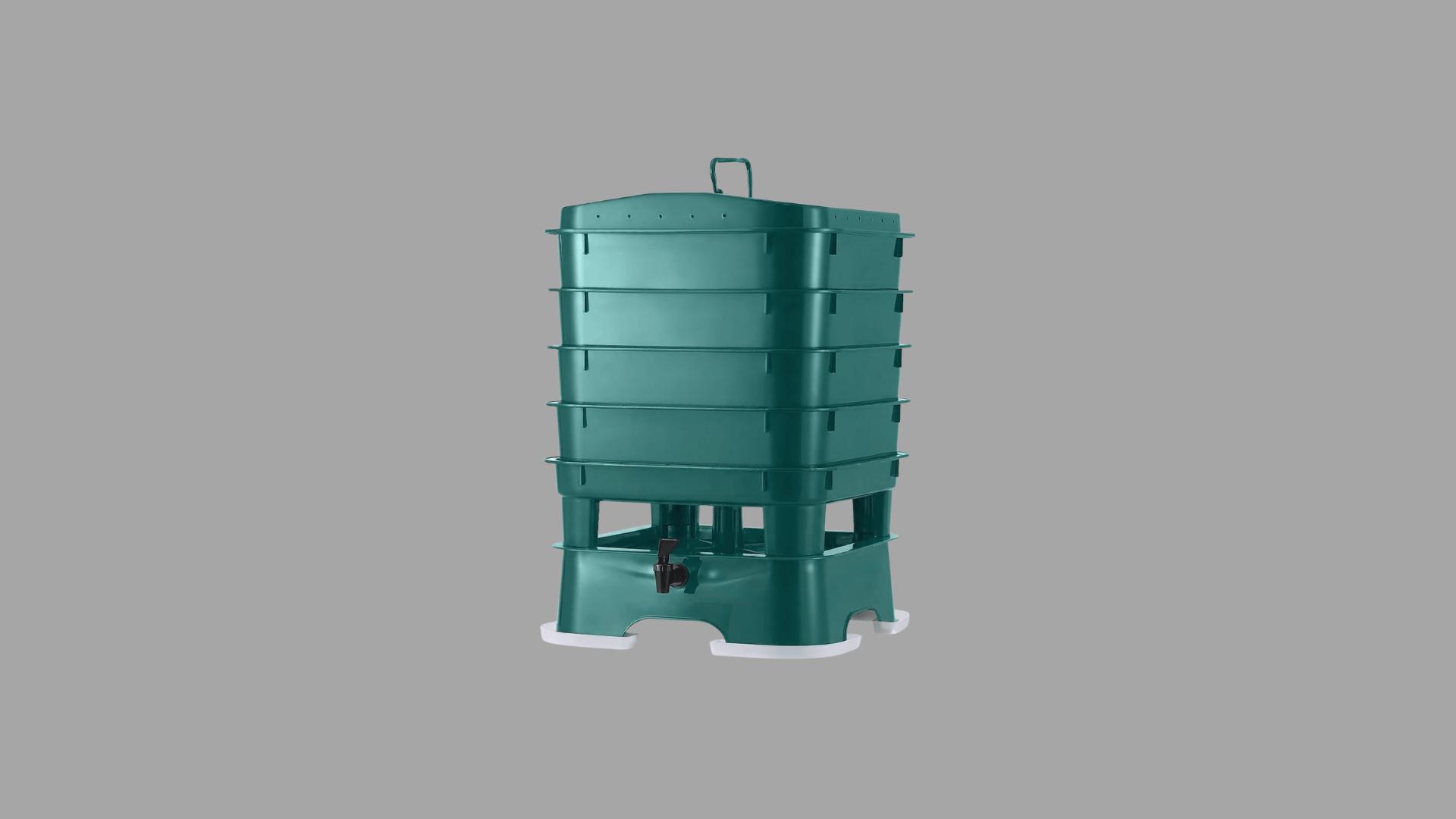
Price: $75.00
The VermiHut Plus system is built for worm composting and uses a stacked-tray design. Worms move upward as they process food, leaving finished compost in the lower trays. This makes harvesting easier compared to basic worm bins.
It also manages moisture well, helping prevent bad smells and keeping the system stable. It works indoors and takes up little space, making it a good option for apartments.
There is a short adjustment period at the start, but once it is set up properly, it becomes easy to maintain. It also produces nutrient-rich compost that works well for plants.
Best for: small homes or indoor setups that want high-quality compost with a hands-on method.
5. Airthereal Revive Electric Kitchen Composter
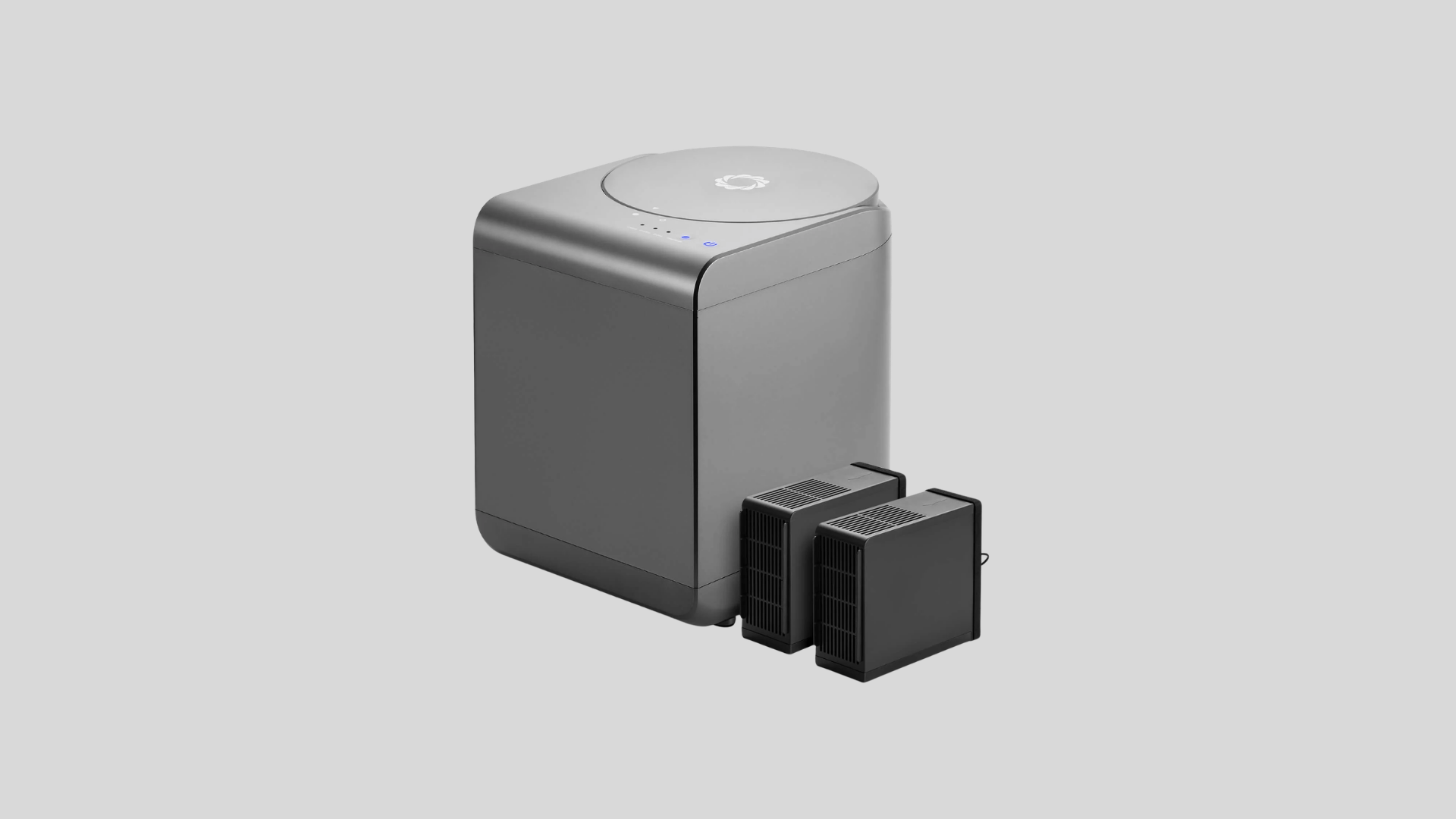
Price: $249.99
The Airthereal Revive is designed for speed and convenience. It processes food waste within hours by drying and breaking it down into a lighter material.
It also helps keep smells under control, making it suitable for indoor use. The output is not fully finished compost.
It is a dried, ground amendment that needs to be mixed into soil or added to an active compost bin to complete the decomposition process. Think of it as a head start, not the final product.
The main drawback is the price, but it saves time and reduces the need for manual effort.
Best for: people who want a quick and low-effort solution without needing outdoor space.
6. Greenes Fence Cedar Wood Compost Bin
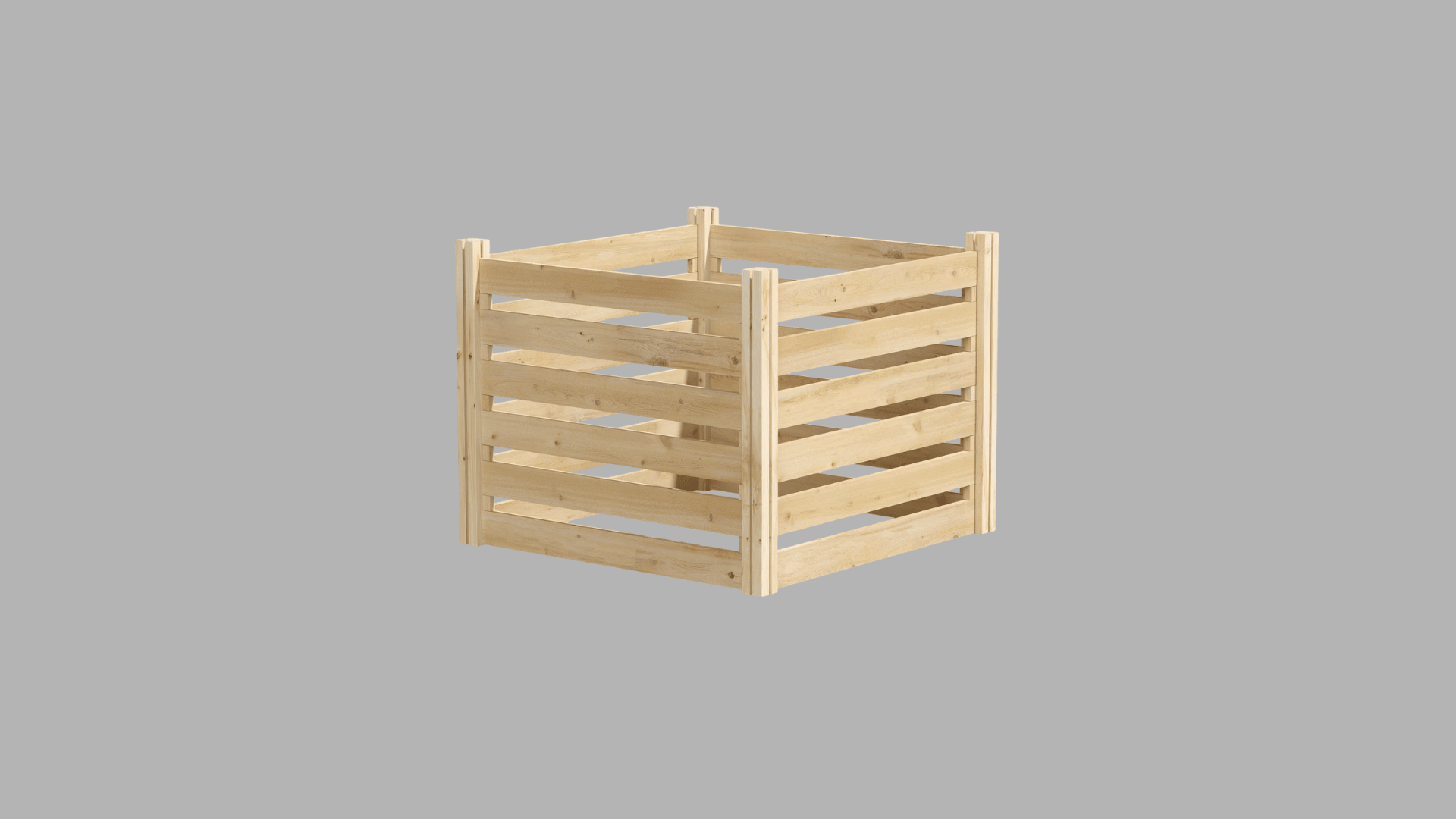
Price: $156.99
This bin is made from cedar wood, which naturally resists rot and does not use chemicals. That makes it a safe choice if you plan to use the compost in a garden.
The open design allows air to flow freely, helping the compost break down over time. It can also be expanded if you need more space later, which is useful for larger households.
It blends well into outdoor spaces and does not look out of place in a garden setting.
Best for: homes with larger gardens that want a natural and expandable compost setup.
7. Geobin Compost Bin
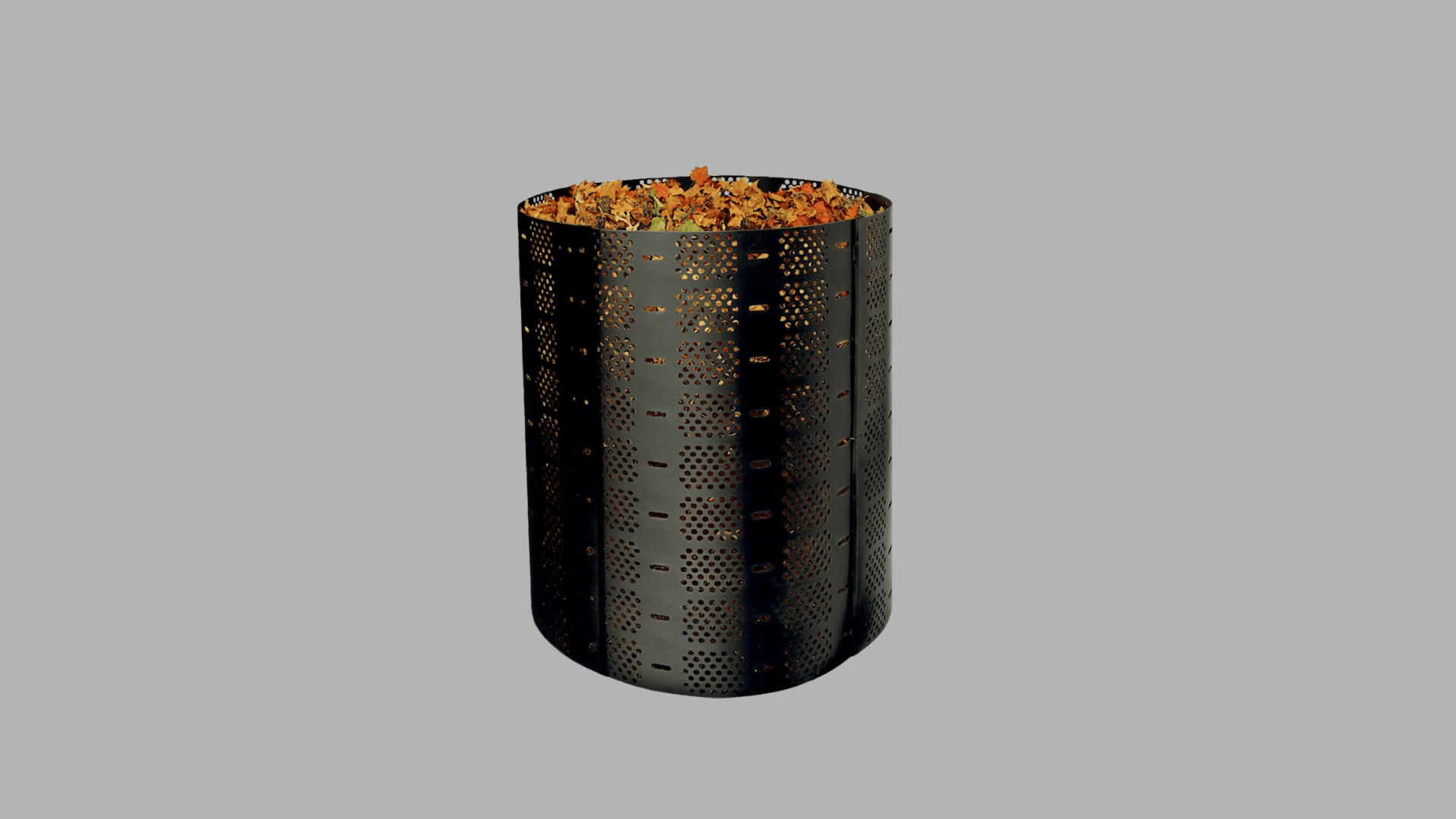
Price: $35.99-$37.99 (depending on size)
The Geobin is one of the simplest and most affordable options available. It is a flexible bin that forms a large circular shape and can hold a high volume of waste.
It has good airflow through small openings along the sides, which helps decomposition. Setup is quick and tool-free, making it beginner-friendly.
It does not retain heat as well as enclosed tumblers, and you may need to secure the base in windy conditions. For colder climates, this is a warm-season bin rather than a year-round solution.
Best for: beginners or anyone looking for a low-cost way to start composting.
How to Pick the Right Compost Bin?
With many options available, choosing the right compost bin depends on your space, waste levels, and daily habits. Focus on these key factors before deciding.
- Size and capacity based on waste: A family generates about 10 pounds of compostable waste per week. Choose at least 30 gallons for steady composting. Smaller homes can manage with compact bins.
- Material: Plastic bins are affordable and easy to maintain; stainless steel is suitable for indoor use; and cedar wood works best outdoors and is safe for garden compost.
- Ventilation and airflow design: Good airflow keeps compost breaking down faster and prevents bad smells. Look for bins with vents, rotating designs, or internal fins that help mix contents.
- Ease of use and maintenance: A bin should fit easily into your routine. Wide openings, simple lids, and easy turning or access make daily use and compost removal much smoother.
- Odor-control features: Indoor bins need tight lids and filters to manage odors. Outdoor bins rely on airflow and proper sealing to keep odors under control.
- Space available at home: Small spaces work best with indoor or compact bins. Medium spaces suit tumblers. Larger gardens benefit from big outdoor bins with higher capacity.
- Climate: Cold weather slows composting in outdoor bins, especially without insulation. In colder areas, consider indoor systems or insulated bins to keep composting active year-round.
Compost Bin Features That Actually Matter for Long-Term Use
Not every feature listed on a compost bin makes a real difference. Some matter a lot more in daily use, especially if you want a system that stays clean, is easy to use, and reliable over time.
A well-designed lid is one of the most important details. If it does not seal properly, it can attract fruit flies indoors and pests outdoors.
A tight or locking lid helps avoid that problem and keeps the setup manageable.
Drainage is another useful feature, as some bins include a base tray or spigot that collects liquid runoff. This liquid can be used as a natural fertilizer, which adds extra value to the composting process.
Mixing also plays a big role, as bins with rotating drums or internal fins make it easier to turn the compost, helping it break down faster with less effort.
Pest resistance depends on strong construction, elevated designs, and secure closures. These details help the bin last longer without damage.
Material quality also matters, because durable options like UV-resistant plastic, cedar wood, or stainless steel hold up better and keep working well over time.
Common Composting Mistakes to Avoid for Better Results
Composting is simple, but a few common mistakes can slow things down or create problems. Avoid these to keep your setup working smoothly.
- Choosing the wrong size: A bin that is too small fills up quickly and becomes frustrating to manage. One that is too large stays empty, significantly slowing decomposition.
- Ignoring airflow: Poor airflow leads to bad smells and slow breakdown. Turn the compost regularly, add dry materials, or ensure your bin has proper ventilation to keep it active.
- Overfilling the bin: Adding too much waste at once compresses the pile and blocks airflow. This traps moisture and slows the composting process more than expected.
- Poor placement of the bin: Too much shade keeps the compost cold and damp. Too much sun dries it out. A partially shaded spot helps maintain the right balance.
- Adding the wrong items: Meat, dairy, and oily foods attract pests and create strong odors. Stick to safe materials unless you are using a system designed for those scraps.
- Skipping the brown layer: A healthy compost pile needs a rough ratio of 3 parts brown material (dried leaves, cardboard, straw) to 1 part green material (food scraps, fresh grass). Skipping browns leads to a wet, smelly pile that breaks down slowly.
What Users Say About the Best Compost Bins?
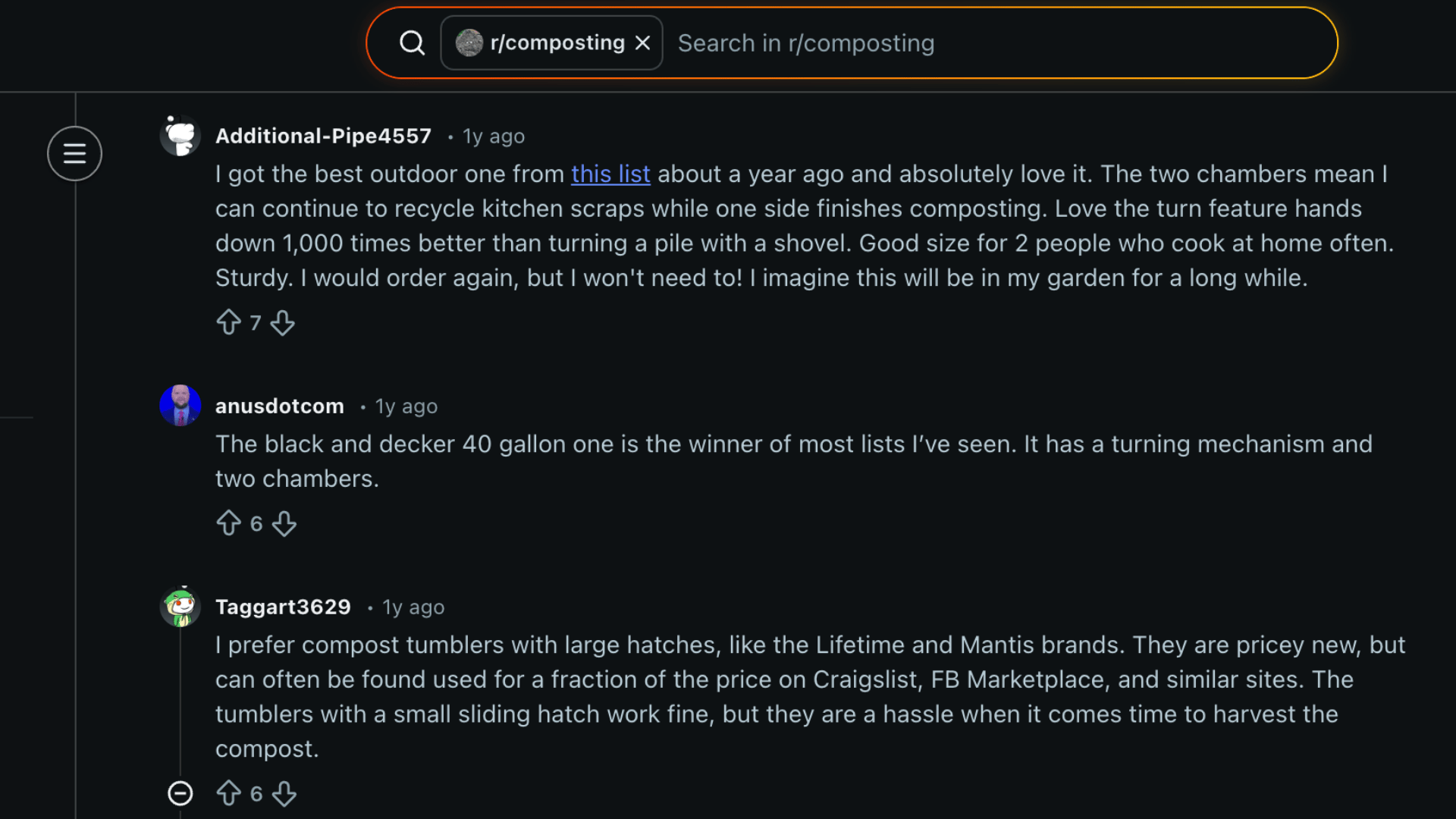
Reddit communities consistently highlight a few things when discussing the best compost bins: ease of loading, smooth rotation, and lid security top the list.
Many prefer dual-chamber tumblers since they allow continuous composting without waiting for one batch to finish.
Larger hatches also come up often, as they make adding scraps and collecting compost much easier compared to smaller openings.
Among countertop options, the Utopia Kitchen and Epica bins are frequently recommended for their odor control and stainless-steel durability.
Users consistently note that plastic countertop bins tend to absorb odors over time, while stainless steel remains clean after months of daily use.
Some users mention that premium tumblers can feel expensive at first, but finding them second-hand makes them a great deal. Models with smooth rotation and simple locking systems tend to stand out in daily use.
A pattern that shows up repeatedly in long-term reviews: people who quit composting almost always cite the same reasons: a bin that was hard to use, smelled bad, or did not fit naturally into their kitchen routine.
The bins that stick are the ones that remove those friction points.
Tips to Get Better Compost Faster
A few simple habits can speed up composting and improve the final result. These tips help keep the process active and balanced.
- Chop waste into small pieces: Smaller scraps break down faster because they have more exposed surface area. Cutting food and yard waste helps microbes work more efficiently.
- Maintain moisture balance: Compost should feel damp, not wet or dry. Too much water causes smell, while too little slows activity. Adjust based on your local weather conditions.
- Turn compost regularly: Mixing the pile adds oxygen and evenly distributes heat. Turning once or twice a week helps speed up decomposition and keeps the compost from becoming compacted.
- Avoid adding harmful items: Keep out pet waste, treated materials, glossy paper, and synthetic items. These can damage the compost quality or introduce unwanted chemicals.
- Add a compost activator: If compost slows down, add soil or finished compost to introduce helpful microbes. This helps restart the process and improves breakdown speed.
- Monitor temperature: An active compost pile should reach between 130 and 160 degrees Fahrenheit at its core. If it stays cool, the pile likely needs more nitrogen-rich green material or more frequent turning.
- Layer your inputs: Alternating thin layers of wet greens with dry browns prevents clumping and keeps airflow moving through the pile. A few sheets of torn cardboard over fresh kitchen scraps can make a noticeable difference in odor control.
Conclusion
Choosing from the best compost bins does not need to feel confusing. The right option is the one that fits your daily routine and space.
A small kitchen bin works well for apartment setups, while a tumbler suits homes that want quicker results. A larger outdoor bin makes sense if there is regular yard waste and enough space to manage it.
For households that produce all types of food waste, including meat and dairy, a bokashi system is worth considering alongside a standard outdoor bin.
The main focus should be on ease of use. If a bin feels difficult to handle or maintain, it is likely to be ignored over time.
Think about how often scraps are added, how much effort you want to put in, and where the bin will sit. Matching the bin to real habits makes a big difference.
If you are just starting and have outdoor space, the FCMP IM4000 is a reliable choice. It is simple to use and delivers steady results. For smaller homes, a basic indoor bin paired with a local compost option keeps things easy.
Got a setup in mind or still figuring it out? Drop your space, budget, or composting style in the comments and get a recommendation that actually fits your routine.