The debate between iPhone and Android feels like one of the oldest tech battles, and people still stand firmly on their side, discussing their opinions.
Some choose a phone because it feels familiar, while others save for months or even take a loan just to buy the model they truly want.
A phone often becomes more than a device; it holds daily moments, work, and a sense of personal style. That is why the choice can feel emotional, not just practical.
In this blog, we look at how iPhone and Android differ, what each system does well, and where each may fall short.
It also covers real user opinions, side-by-side comparisons, and the key factors that matter most when deciding which is better: iPhone or Android.
By the end, you will have the clarity to choose the phone that fits your needs.
iOS vs Android: A Comprehensive Analysis
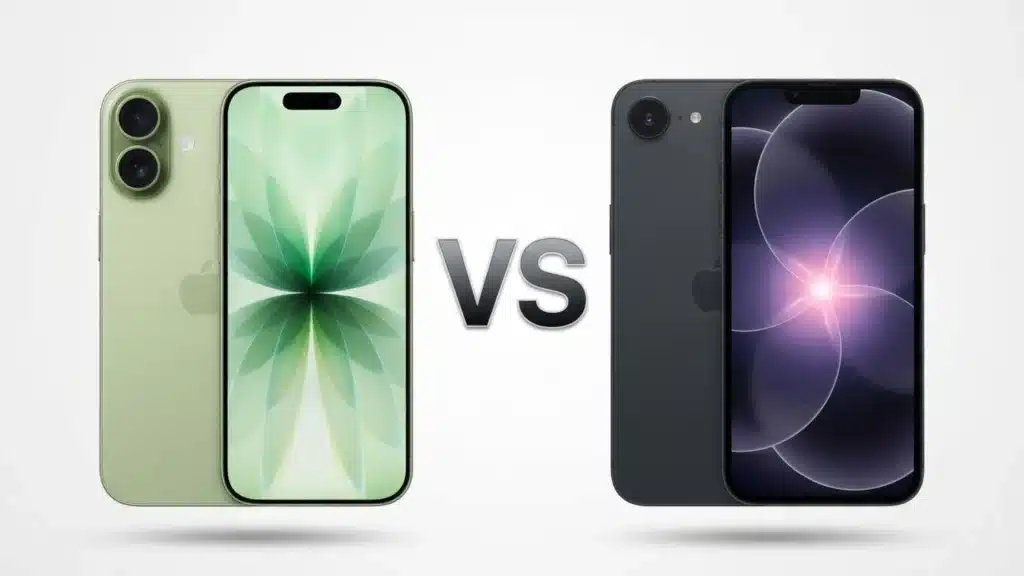
iOS and Android are the two main mobile systems used worldwide, and each one offers a different style of use.
iOS and Android dominate the smartphone market, with Android leading globally at around 72% share in 2025, while iOS holds about 28%.
iPhones run only on Apple devices, priced from about $429 for the iPhone SE to $1,599 for top iPhone 16 Pro Max models, which helps keep the system consistent across all models.
Android works across many brands, including Samsung, Google Pixel, OnePlus, Xiaomi, and Motorola.
These phones come in many sizes and price levels, from budget options under $200 like Moto G Play to premium models over $1,200, such as Galaxy S25 Ultra.
iPhone vs Android: Which Performs Better?
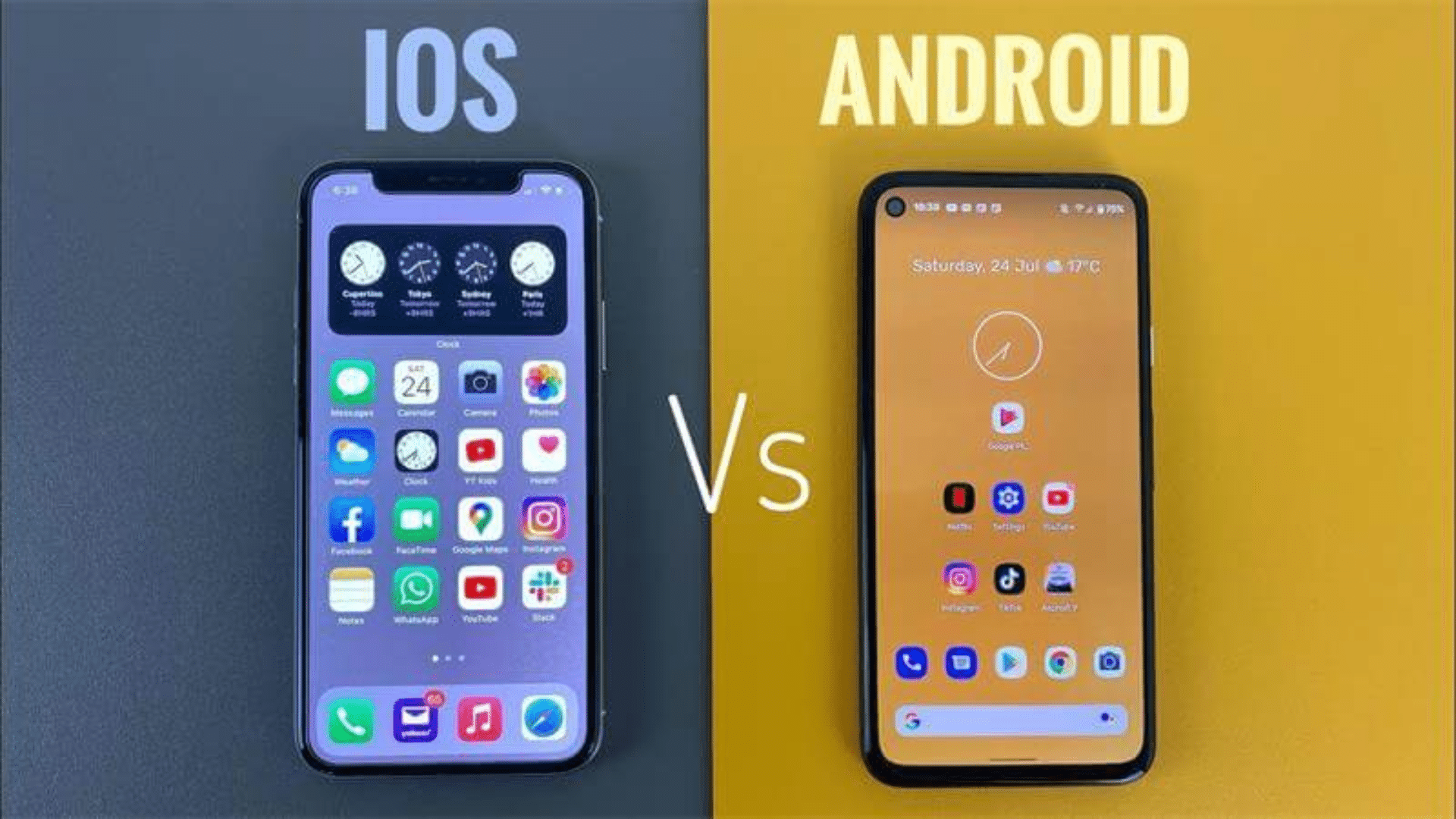
Before deducing which is better, iPhone or Android, look at how each phone handles speed, apps, updates, and daily use. This section highlights the key features of the iPhone and Android.
Key Features of iPhone
iPhones stand out with unique features that enhance everyday use and security. Here are key highlights that make the iPhone stand out in the market as a premium phone.
- Top-tier privacy tools: Features like App Tracking Transparency block unwanted data collection, and Face ID keeps your phone and payments ultra-secure with facial recognition.
- Advanced health tracking: Apple Watch integration via iPhone monitors heart rate, sleep, and workouts with precise sensors and fall detection alerts.
- Cinematic video tools: Pro models offer ProRes video, spatial audio, and easy editing in the Photos app for professional-looking clips.
- MagSafe wireless charging: Snaps on accessories like wallets, chargers, and stands magnetically for quick 15W charging and stable mounting.
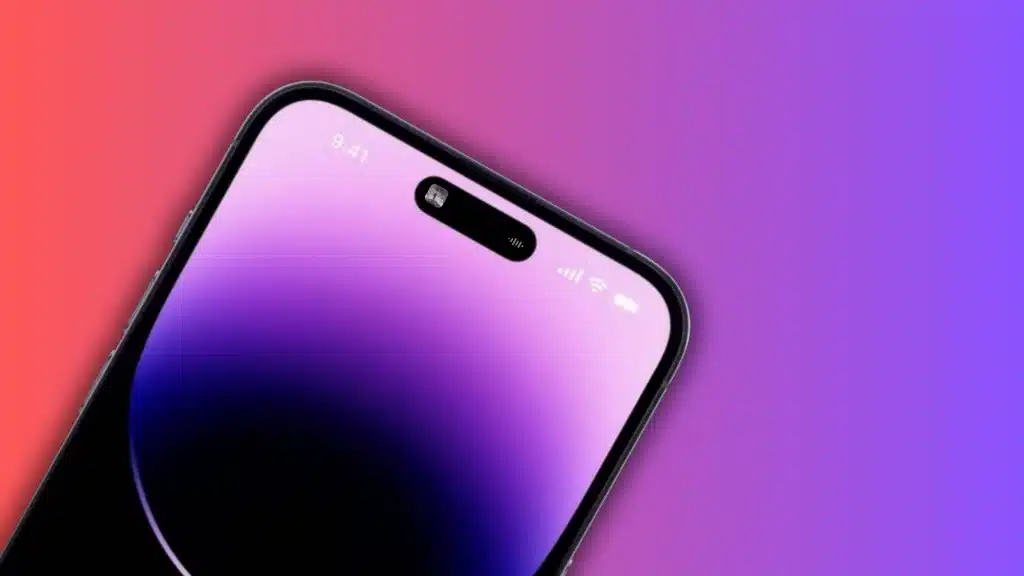
- Dynamic Island interface: On newer models, it smartly shows notifications, music controls, and timers without cluttering the screen.
- Satellite SOS connectivity: In no-signal areas, send emergency texts or location via satellite, proven to aid rescues.
Key Features of Android
Android devices shine with innovative features that prioritize versatility and cutting-edge tech. Here are standout highlights that give tough competition to the iPhone users.
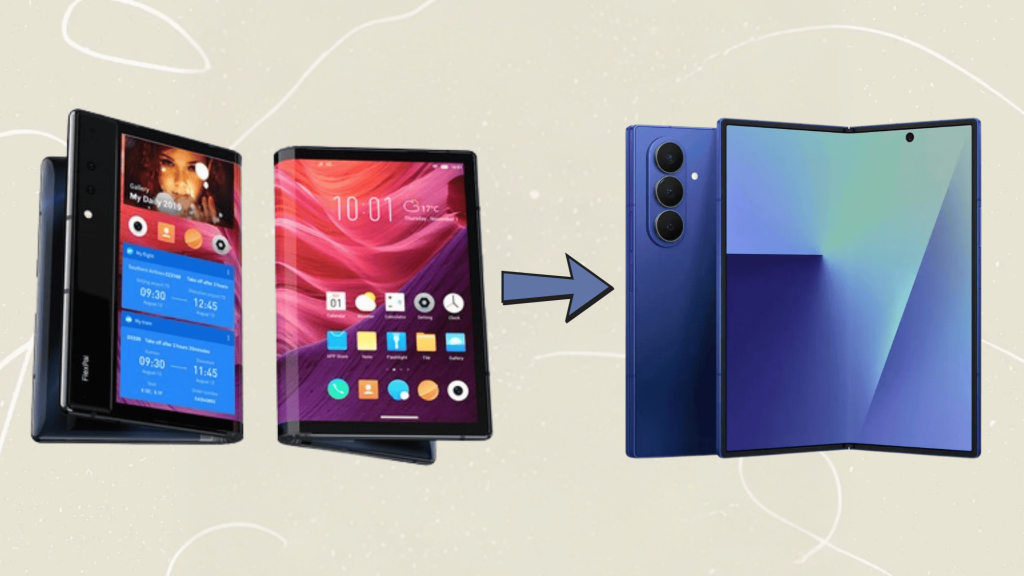
- Foldable and innovative designs: Models like Samsung Galaxy Z Fold6 or Google Pixel Fold offer large foldable screens for multitasking, tablet-like use, and immersive media.
- AI-powered tools: Google’s Gemini AI on Pixel handles live translation, photo editing with Magic Editor, and smart call screening to filter spam automatically.
- High-refresh-rate displays: Many flagships feature 120Hz+ screens for buttery-smooth scrolling, gaming, and animations that feel ultra-responsive.
- Advanced support: Samsung S Pen on Galaxy S series enables precise note-taking, drawing, and remote camera control right on the phone.
- Always-on display with customization: Shows glances at time, notifications, and widgets while locked, fully tweakable to save battery.
- Reverse wireless charging: Share power to earbuds or other phones, plus ultra-wideband (UWB) for precise Find My Device tracking.
Key Differences Between iPhone and Android
This section gives a clear look at the core differences that matter most to buyers and what factors influence them to differentiate between iPhone and Android.
| Criteria | iPhone | Android |
| Software Experience | Runs only on Apple devices, giving a steady and uniform setup across all models. | Varies by brand, with different layouts and styles based on the phone model. |
| Storage Capacity | It ranges from 128GB (iPhone SE) to 2TB (iPhone 16 Pro Max). | It ranges from 64GB (Moto G Play) to 1TB+ (Galaxy S25 Ultra) |
| Cost Range | $429 (iPhone SE) to $1,599 (iPhone 16 Pro Max). | $150 (budget) to $1,300+ (Galaxy S25 Ultra). |
| Camera Quality | iPhones offer strong photo and video results with steady color and detail. | Quality varies widely; top models match or pass iPhones, while budget phones may perform lower. |
| Resale Value | High: Retains 50-60% value after 2 years. | Lower: 30-40% retention; varies by brand. |
Quora Opinions: Is Android Better than iPhone?
Many Quora users feel Android works better for people who value freedom in how they use their phones. Several users explain that Android gives more control, more phone choices, and a wide range of prices.
Some say they enjoy being able to adjust the look of their phone, move apps exactly where they want, and manage files with ease.
Others point out that Android does not lock users into one way of doing things.
A few also mention support for extra storage, easy sharing, and simple connections without extra tools. At the same time, many agree that the choice depends on personal needs.
Some believe iPhones work well for people who want a simple setup, while Android fits those who want more control. Overall, Quora users highlight freedom and options as key reasons they pick Android.
Reddit Opinions: Why iPhones Feel Better than Android?
Many Reddit users say iPhones feel better because the whole system works in a smooth, connected way.
People like that their iPhone, MacBook, Apple Watch, and iPad all sync without any setup. They also mention that updates arrive on time for every device, which keeps older phones running well for years.
Some users shared that Android features look good on paper, but often need extra steps to make them work. With iPhones, most things start working right away.
Others point out that the camera opens fast, the apps run steady, and privacy controls feel simple to manage. A few users switched after dealing with bugs or slowdowns on Android phones.
For many, the iPhone is not about specs but about a smoother daily experience that saves time and effort.
Benefits & Drawbacks of iPhone
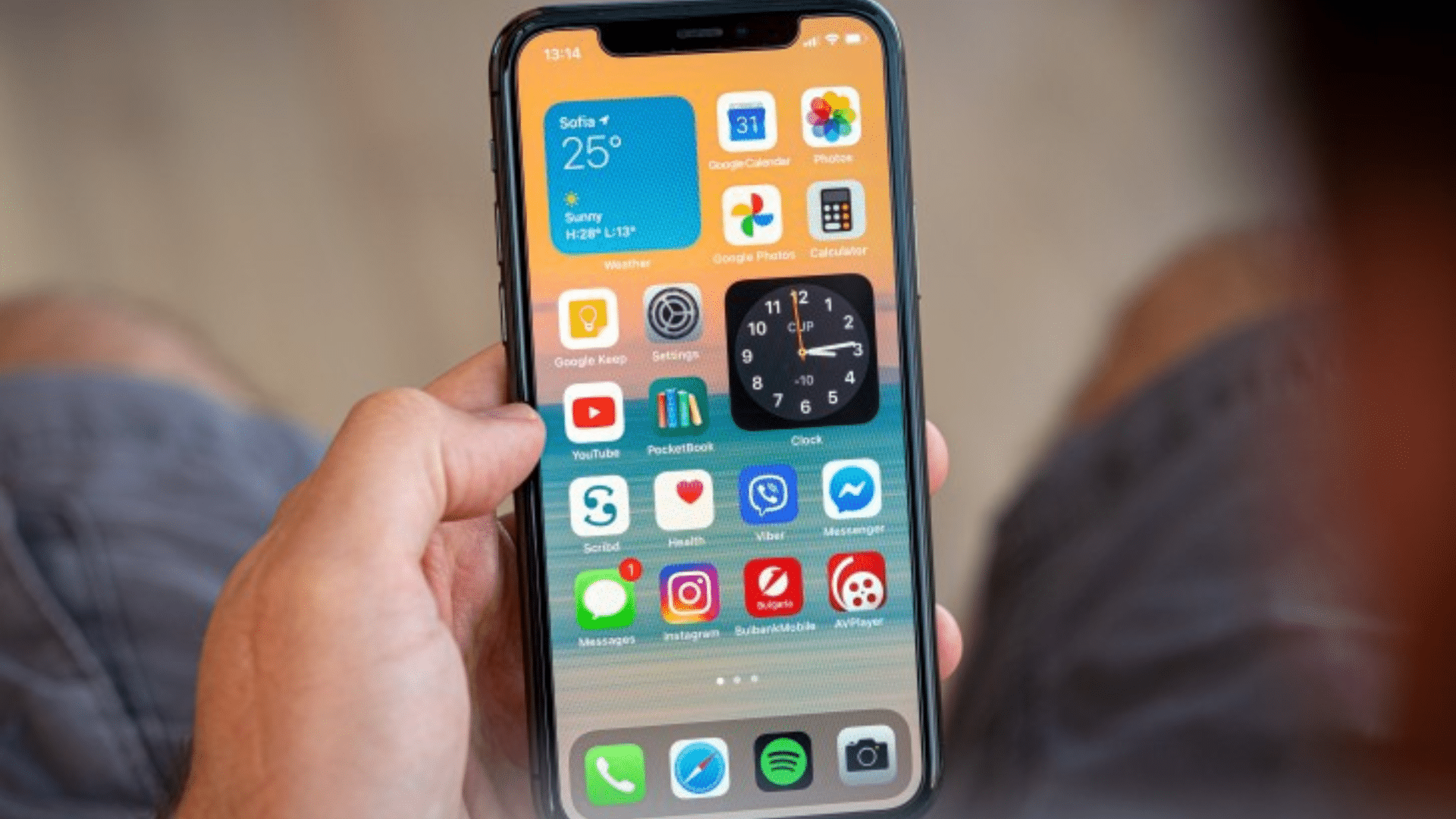
Choosing an iPhone comes down to the type of experience you want from a phone. In this section, we look at the strengths and limitations of the iPhone.
Benefits of iPhone
- Smooth User Interface: Every iPhone feels the same to use, with quick apps, no lag, and a clean design that works flawlessly whether on a basic model or the latest Pro, thanks to Apple’s tight control over hardware and software.
- Fast and well-timed updates: Apple pushes free updates to older phones like the iPhone 11 (from 2019) even in 2025, often for 6-7 years, fixing bugs and adding features faster than most rivals.
- Strong app quality: Developers prioritize iOS, so games and tools like Instagram run smoother with better graphics and fewer crashes compared to Android versions.
- Simple setup: Switch from an old iPhone to a new one, and everything transfers automatically via iCloud photos, apps, and settings in minutes, no hassle.
Drawbacks of iPhone
- Higher starting prices: Entry-level iPhones start at $429 (like iPhone SE), while solid Androids go for $150-300 with similar screens and batteries.
- Limited custom settings: No easy way to change home screen layouts deeply, add widgets everywhere, or tweak every menu like on Android’s flexible system.
- No option to expand storage: Stuck with built-in space 128GB minimum on new ones, can’t add a cheap SD card like many Androids for extra photos or videos.
- Add to overall cost: Full perks like seamless AirDrop or Continuity need a Mac or iPad, pushing total spend higher for Apple fans.
Benefits & Drawbacks of Android
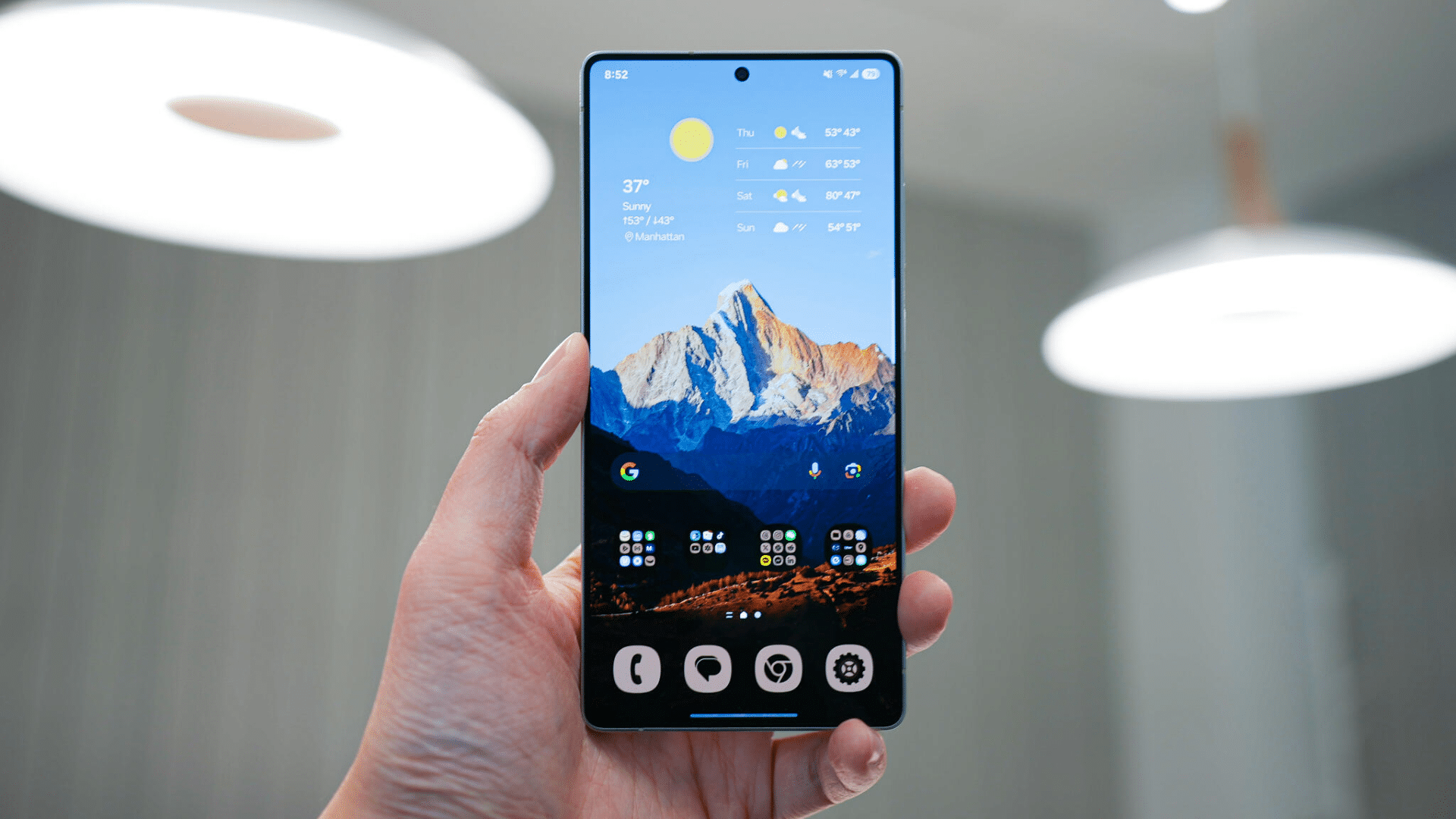
Android offers a wide range of phones across many brands and price levels with additional custom features. Look at the strong points and the limitations of Android phones.
Benefits of Android
- Large phone selection: Android runs on phones from Samsung, Google, Xiaomi, OnePlus, Motorola, and many more, so users can pick from small, big, basic, or very advanced models.
- More control and customization: Users can change home screen layouts, use different launchers, add widgets, set default apps, and tweak many system settings to match their style.
- Wide price range: Budget options like Moto G Play at $150, mid-range like Pixel 8a at $500, and premium like Galaxy S25 Ultra at $1,300 cover every budget.
- Extra storage options: Some Android models let users add a microSD card, making it easy and cheap to increase storage for photos, videos, and apps.
Drawbacks of Android
- Slow or uneven updates: System updates often depend on the brand and carrier, so some users wait months for new Android versions or security patches.
- Mixed app performance: Because Android runs on many types of hardware and screen sizes, some apps may not run as smoothly or consistently on every device.
- Shorter support on cheaper phones: Budget Android phones may only get major updates for a few years, which can shorten how long they feel modern and secure.
- Different software feels across brands: Each brand adds its own skin and features, so switching from, for example, Samsung to Xiaomi can feel like learning a new system, which may seem less steady and consistent.
Challenges While Switching from Android to iPhone
Switching from Android to iPhone can feel smooth for some users, but there are a few hurdles that often come up during the move. These points highlight the most common issues people face.
- Moving data is not always simple. You may need extra steps to transfer photos, messages, and apps, and some Android apps may not exist on iOS.
- Customisation feels limited. Many Android users miss launchers, widgets, and deeper control over layouts.
- The iPhone keyboard can feel different, and third-party keyboards don’t always work the same way.
- File management changes. iOS handles files in a more controlled way, which can feel restrictive at first.
- Some features you rely on may work differently or not at all, including call recording, split-screen apps, or sideloading.
- Accessories and services tied to Google or Android brands may not sync with the iPhone the way you expect.
Conclusion
Choosing a phone comes down to whether someone leans toward iPhone’s luxury feel or Android’s flexible options. The goal is to find a phone that fits lifestyle, budget, and personal taste.
This blog has walked through the key points, compared both systems, shared real user opinions, and outlined the benefits and limitations of each to help answer the question: Which is Better, iPhone or Android?
iPhones carry a strong appeal as a premium brand with steady performance, long support, and a smooth setup that many users trust.
At the same time, Android phones offer great value, more phone choices, flexible settings, and strong hardware options, showing they are not far behind in any way.
Ready to share a choice? If you have your view on iPhone or Android, share it in the comments, and join the conversation.