Accessory trends change quickly, and many users with older iPhones want clarity before buying new chargers or cases.
This often leads to questions such as whether the iPhone 11 has MagSafe when comparing features across different models.
With so many products now designed around magnetic alignment and wireless charging, it can be confusing to sort out what works smoothly, what works with limits, and what may not work at all.
The MagSafe system has grown into a common standard for mounts, wallets, stands, and charging pads, which makes it even more important for users to understand how the feature functions.
Knowing these details helps avoid mismatched accessories and unnecessary purchases.
Here we’ll cover what MagSafe is, how it functions, which iPhone models include it, and how iPhone 11 users can still use certain accessories through simple workarounds and a compatible case.
What is MagSafe?
MagSafe is a magnetic system created to support secure wireless charging.
It uses a circular set of magnets placed around the charging coil inside the device. This setup helps the phone align correctly with a charging pad, which reduces slipping and unstable contact.
A strong and steady connection improves charging consistency.
MagSafe also works with many accessories, which include wallets, stands, battery packs, and mounts that attach through magnetic force.
Each accessory locks into place with minimal effort, and this system makes daily use actually quite simpler and more organized.
Over time, it has become a widely used feature because it offers convenience and stable performance.
Its design also supports a broad accessory range, giving users more options for carrying, holding, or charging their phones. Apple’s accessory ecosystem goes far beyond MagSafe.
If you use smart home devices with your iPhone, pairing it with the right apps and accessories can enhance your smart home setup for a more connected experience.
What is Qi Wireless Charging?
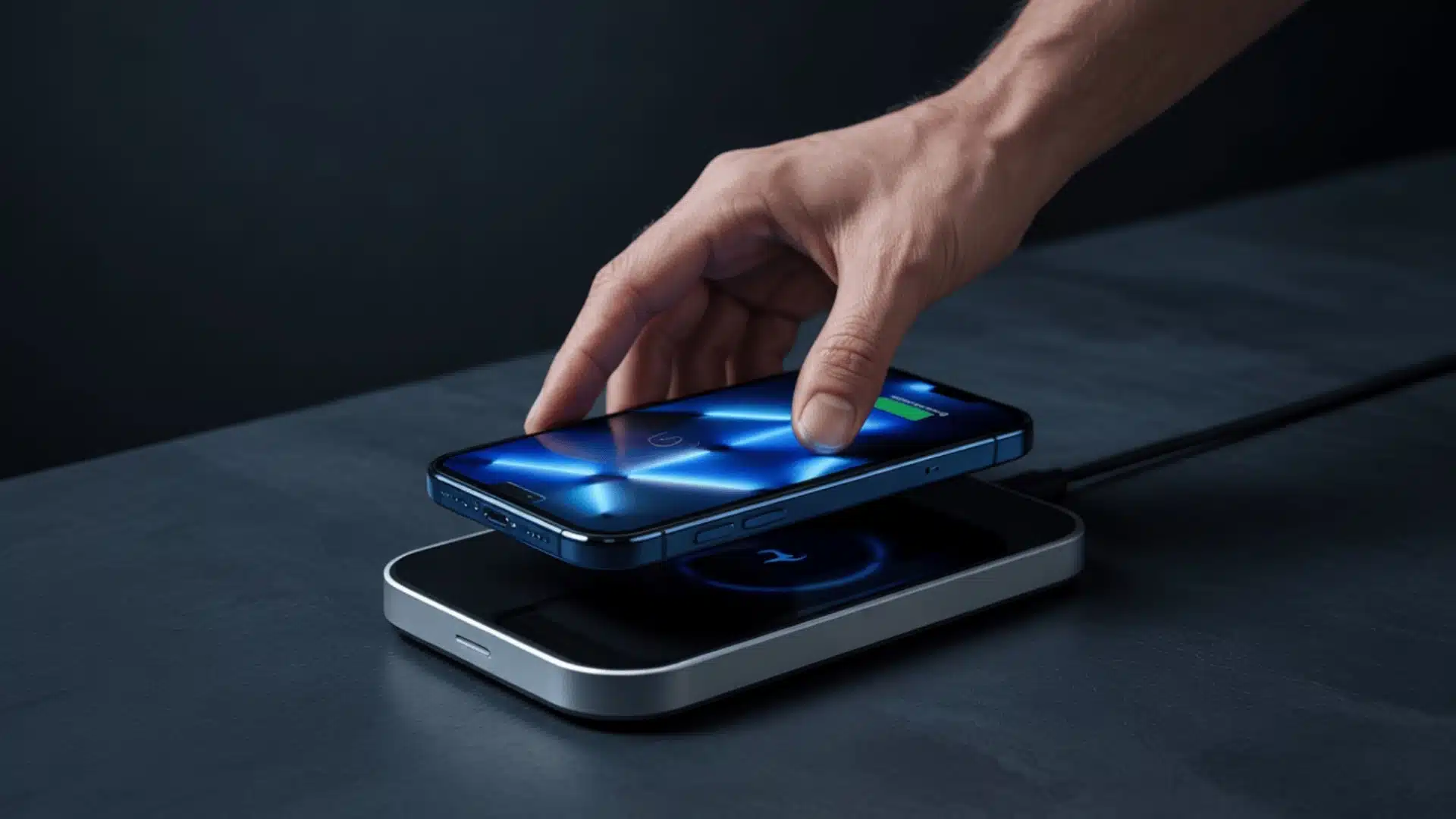
Before exploring MagSafe compatibility, it’s important to understand the wireless charging foundation that the iPhone 11 already supports.
Qi wireless charging is an industry-standard technology that allows you to charge compatible devices without plugging in cables.
Developed by the Wireless Power Consortium, it uses electromagnetic induction to transfer power from a charging pad to your phone through a coil system.
Simply place your device on a Qi-certified pad, and power transfers automatically when properly aligned.
The iPhone 11 supports Qi charging at speeds up to 7.5W, slower than MagSafe’s 15W but still convenient for overnight charging or desk use without cables
Does iPhone 11 Have MagSafe?
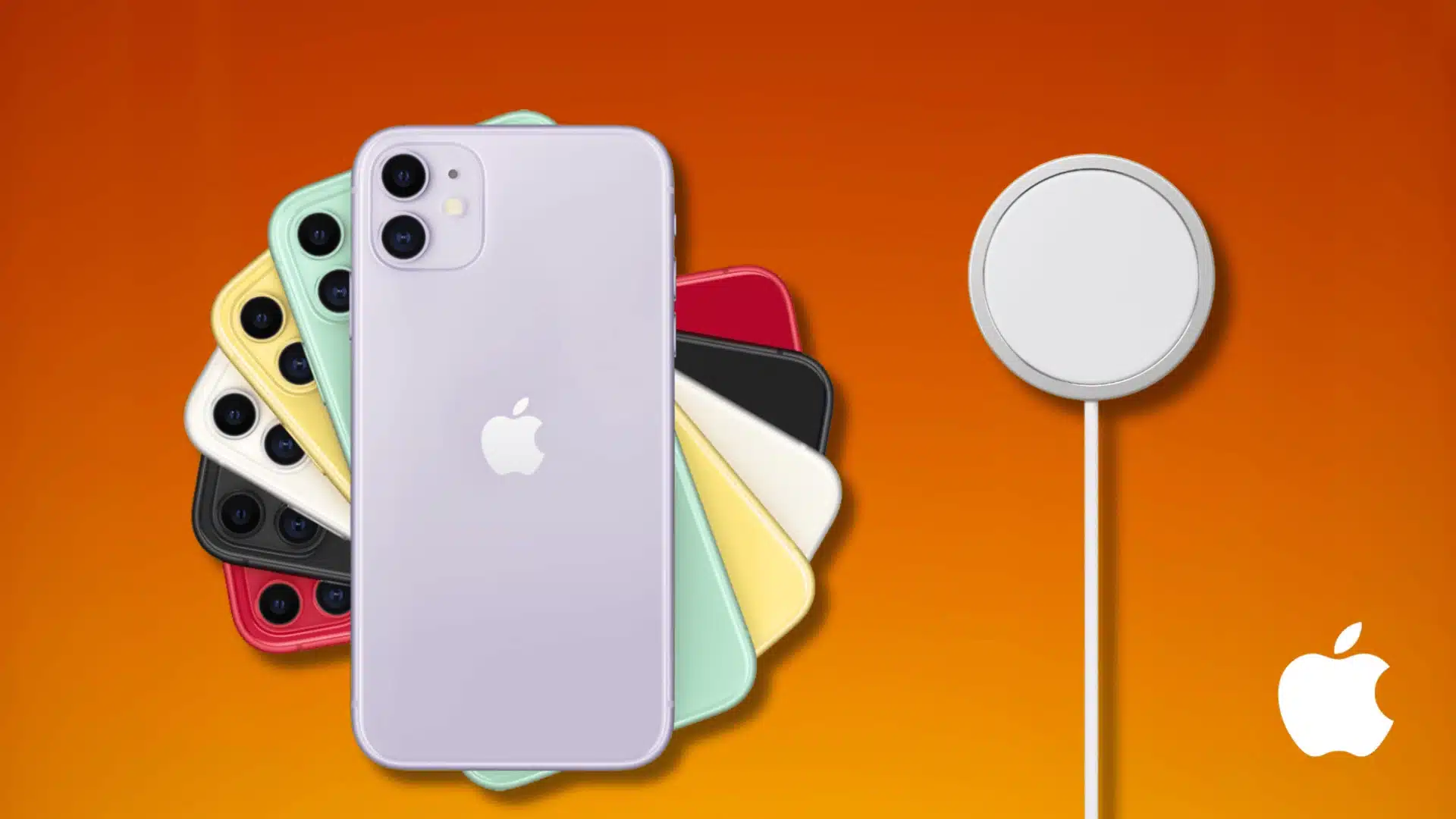
No, the iPhone 11 does not have MagSafe because it was released in 2019, a year before Apple introduced the magnetic system on the iPhone 12 series.
Since the device was built without the internal magnetic ring, it cannot attach securely to MagSafe chargers or accessories.
It relies on a standard Qi wireless charging coil, which supports wireless charging but lacks the alignment and stability offered by MagSafe.
As a result, a MagSafe charger works only as a regular Qi pad, and the phone may need careful positioning to keep the connection steady.
Charging can slow down if the device shifts even slightly during use.
The missing magnets also affect compatibility with magnetic wallets, mounts, and stands, but despite all these factors, the iPhone 11 works well with accessories designed for non-magnetic devices.
iPhone 11 and MagSafe Compatibility
Now that we know, the iPhone 11 lacks the built-in MagSafe magnets introduced with the iPhone 12, preventing native magnetic alignment and full feature support like snap-on attachment or optimized charging speeds.
MagSafe chargers still function as standard Qi wireless chargers on this model when the device is manually centered on the pad for reliable power delivery.
You can use MagSafe accessories in these ways:
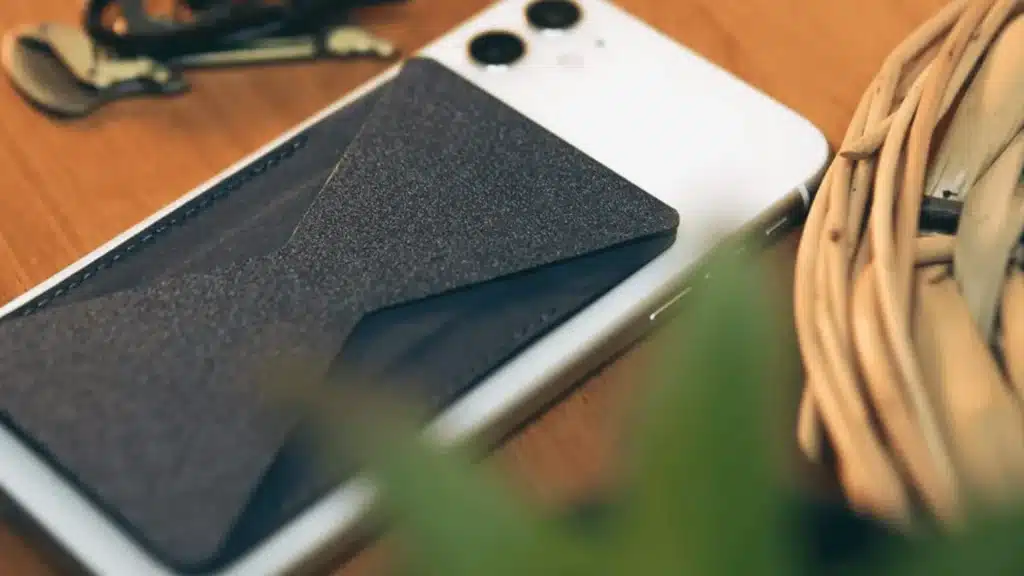
- Use a third-party magnetic case with embedded rings to enable alignment and attachment for chargers, mounts, stands, or wallets, though grip and efficiency may not match native MagSafe.
- Position the phone carefully on MagSafe chargers without a case for basic Qi charging.
- Attach magnetic accessories only with a compatible reinforced case for stability.
With a suitable magnetic case and precise placement, the iPhone 11 supports practical wireless charging and partial accessory use.
Which iPhone Models Support MagSafe?
MagSafe technology is available on all iPhone models from the iPhone 12 series onward. Older models like the iPhone 11, XR, and SE (2nd generation) support Qi wireless charging but lack magnetic capabilities.
| iPhone Model | MagSafe Support | Wireless Charging |
|---|---|---|
| iPhone 12 / 12 mini | Yes | Yes (15W MagSafe) |
| iPhone 12 Pro / 12 Pro Max | Yes | Yes (15W MagSafe) |
| iPhone 13 / 13 mini | Yes | Yes (15W MagSafe) |
| iPhone 13 Pro / 13 Pro Max | Yes | Yes (15W MagSafe) |
| iPhone 14 / 14 Plus | Yes | Yes (15W MagSafe) |
| iPhone 14 Pro / 14 Pro Max | Yes | Yes (15W MagSafe) |
| iPhone 15 / 15 Plus | Yes | Yes (15W MagSafe) |
| iPhone 15 Pro / 15 Pro Max | Yes | Yes (15W MagSafe) |
| iPhone 16 series | Yes | Yes (15W MagSafe) |
| iPhone 11 / 11 Pro | No | Yes (7.5W Qi only) |
| iPhone XR / XS | No | Yes (7.5W Qi only) |
| iPhone SE (2nd/3rd gen) | No | Yes (7.5W Qi only) |
What are the Downsides of Using MagSafe?
While MagSafe offers convenient magnetic charging and accessories, it comes with several limitations worth considering. Here are the main drawbacks of Apple’s magnetic technology.
- Higher Cost: MagSafe chargers and accessories cost significantly more than standard Qi charging pads and traditional phone accessories.
- Heat Generation: The technology produces more heat during charging, which can temporarily slow or pause charging to protect battery health.
- Weaker Magnetic Hold with Cases: Thick or non-MagSafe cases reduce magnetic connection strength, causing accessories to detach easily or not stick at all.
- Limited Device Compatibility: MagSafe only works with iPhone 12 and newer models, making it less versatile than universal Qi charging standards.
- Slower Than Wired Charging: Even at 15W, MagSafe charging is considerably slower than using a 20W or higher USB-C wired adapter.
Should You Upgrade for MagSafe Features?
Well, your iPhone 11 remains perfectly capable for daily use, offering solid performance, reliable cameras, and continued iOS support from Apple.
If you’re content with standard 7.5W Qi wireless charging or primarily use wired charging, there’s no urgent reason to upgrade solely for MagSafe features.
Your current device delivers excellent value without magnetic functionality.
But upgrading makes practical sense in some specific scenarios that may exist depending on your daily needs or requirements.
You can consider a newer iPhone if you want faster 15W wireless charging or value the convenience of automatic magnetic alignment.
The upgrade becomes worthwhile when you frequently use car mounts for navigation, desk stands while working, or magnetic wallets for minimalist carrying.
Newer iPhones also bring features like Apple CarPlay, which has improved a lot over time and works seamlessly with MagSafe car mounts for a smoother in-car experience.
Conclusion
Knowing how MagSafe works and how it differs across iPhone models helps users make informed choices, especially when comparing accessories or planning upgrades.
The answer to does iPhone 11 have MagSafe is no, as the device was released before the magnetic system existed, but it still pairs well with magnetic cases, Qi chargers, and practical accessories for daily use.
These options give users a flexible and practical experience, allowing them to enjoy many accessory features without needing a full hardware change or switching to a newer model.
If future accessories or upgrades are on your mind, this understanding can help you make smarter decisions.
What setup are you currently using with your iPhone?
Share your experience or questions in the comments below to join the conversation.
Frequently Asked Questions
Can You Permanently Add Built-In MagSafe Functionality to an iPhone 11?
No, you cannot add a true built-in MagSafe to an iPhone 11 because the magnetic system is hardware-based. Accessories like magnetic cases can mimic the experience, but they do not provide the same strength, alignment, or charging efficiency.
Do MagSafe Accessories Damage Non-MagSafe iPhones Like the iPhone 11?
No, MagSafe accessories do not damage the iPhone 11. When used with proper alignment or a compatible case, they function safely as standard Qi accessories without harming the device.
Are Third-Party Magnetic Cases Reliable for Daily MagSafe-Style Use on the iPhone 11?
They can be reliable for light to moderate use, such as mounts or stands. However, the magnetic hold is usually weaker than native MagSafe, so they may not be ideal for heavy accessories like battery packs or constant movement scenarios.