When I first looked into putting a sprinkler system in my yard, the biggest question I had was the same one you probably have right now: how much does it actually cost?
Prices can vary a lot, and it’s hard to know what’s normal or what you should expect before you start getting quotes.
This guide breaks down the sprinkler system installation cost, explaining average pricing, the factors that influence it, and how yard size, location, and system type affect the final number.
You’ll also see what sprinkler heads cost, zone pricing, and when hiring a pro makes more sense than DIY.
By the end, you’ll have a clear idea of what a fair price looks like, so you can plan your budget with confidence.
Average Installation Cost of Sprinkler System
The average cost to install a sprinkler system usually falls between$2,000 and $6,000, depending on the size of your yard and the type of system you need.
A standard install usually includes the controller, pipes, heads, valves, and basic labor.
Most homes with average-sized yards stay near the middle of the range, while larger yards or systems with extra zones land on the higher end.
Costs can also rise if your soil is rocky, your water pressure is low, or you need more sprinkler heads to cover tricky areas.
Smaller yards or simple layouts often fall closer to the lower end because they need fewer parts and less labor.
This range gives you a solid idea of what to expect before you start comparing quotes.
Cost to Install a Sprinkler System by Location
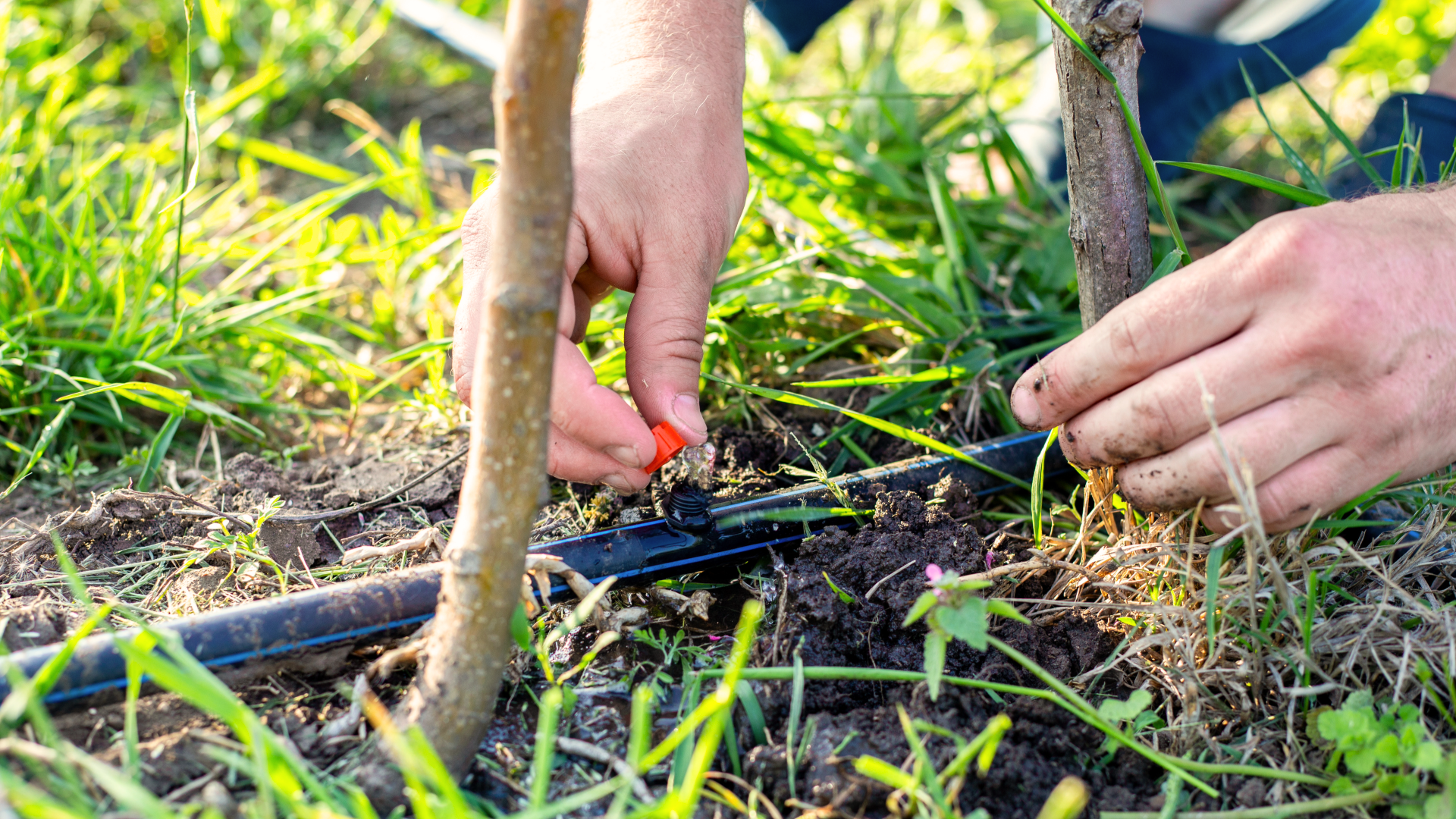
Sprinkler system prices can shift a lot depending on where you live. Some regions have higher labor rates, while others have lower material costs, so the final price can look very different from one state to another.
In many parts of the country, climate and soil conditions also play a big role.
Areas with rocky or clay-heavy soil often require more labor, which raises the cost. Hot, dry regions may need more zones to keep lawns healthy, which adds to the total.
Homeowners in the Northeast and the West Coast usually pay the most due to higher labor rates.
Costs in the Midwest and South tend to be lower, but the size of the yard and local installer demand still influence the final price.
To give you a clearer picture, below is a quick look at average costs per square foot in different U.S. cities:
| City | Average Cost per Square Foot (Labor and Materials) |
|---|---|
| Northeast U.S. | |
| Portland, ME | $0.88 – $1.64 |
| Boston, MA | $1.02 – $1.95 |
| Southeast U.S. | |
| Atlanta, GA | $0.82 – $1.52 |
| Raleigh, NC | $0.79 – $1.46 |
| Midwest U.S. | |
| Detroit, MI | $0.90 – $1.68 |
| Madison, WI | $0.91 – $1.70 |
| Northwest U.S. | |
| Missoula, MT | $0.83 – $1.55 |
| Boise, ID | $0.87 – $1.62 |
| Southwest U.S. | |
| Phoenix, AZ | $0.85 – $1.58 |
| Colorado Springs, CO | $0.88 – $1.64 |
| Las Vegas, NV | $0.94 – $1.76 |
Sprinkler System Cost by Type of Yard Size
Smaller yards cost less because they use fewer pipes, heads, and zones. Larger yards need more materials and labor, which raises the total price.
1. Small Yard Cost
Small yards usually fall on the lower end of sprinkler installation pricing because they need fewer materials and take less time to set up.
With fewer zones and shorter pipe runs, installers can complete the project quickly, which helps keep labor costs down.
Most small yards cost around $0.75 to $1.40 per square foot, depending on the layout and soil conditions.
Even if you choose extras like better sprinkler heads or a smart controller, small yards remain one of the most affordable options for a new system.
2. Medium Yard Cost
Medium yards sit in the mid-range for installation costs because they require more sprinkler heads, longer pipe routes, and added watering zones to cover the entire space.
This naturally increases the amount of labor and materials needed.
A typical medium yard costs about $0.80 to $1.55 per square foot, though the final price can shift based on yard shape and landscaping features.
Slopes, garden beds, and curves often mean more planning and a few extra components to ensure even water coverage across the yard.
3. Large Yard Cost
Large yards are the most expensive to set up because they need a high number of sprinkler heads, multiple valves, and several watering zones to cover the full area.
Installers often spend more time trenching, laying out long pipe runs, and balancing water pressure across the system.
Most large yards cost between $0.90 and $1.70 per square foot, but complex layouts can push pricing higher.
Wide open spaces, uneven soil, and separate lawn sections can all make the installation more involved and raise the total cost.
Cost of Sprinkler Heads
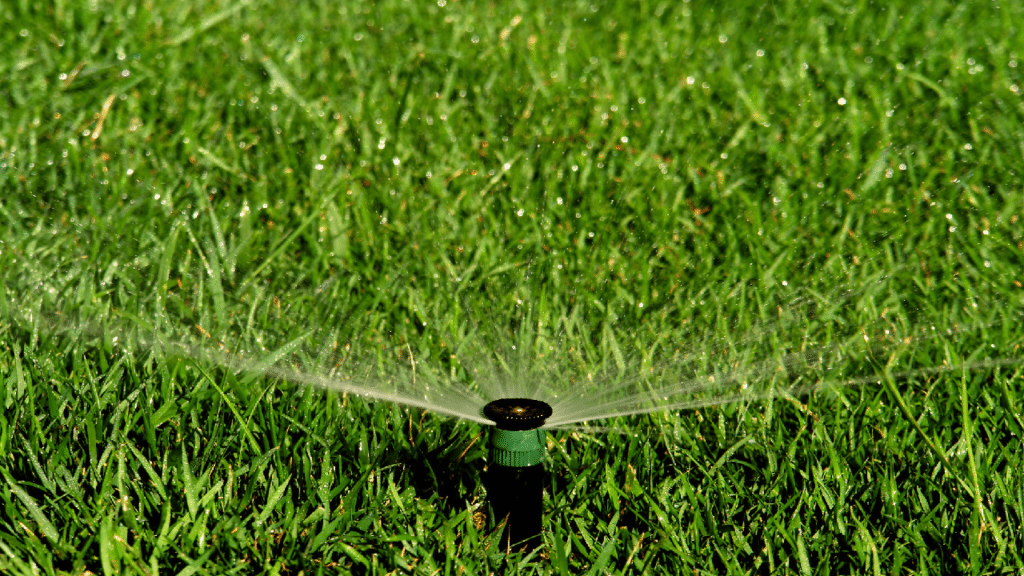
Sprinkler head prices can vary based on the type you choose and the features you need.
Basic fixed spray heads are usually the most affordable, while rotating or high-efficiency heads cost more because they cover larger areas and distribute water more evenly.
Higher-quality heads last longer and work better in yards with mixed shapes or slopes, helping reduce upkeep costs.
The number of heads you need affects the total cost. Most zones use 4–6 heads, though larger or uneven areas may need more.
Since each zone must provide full coverage without dry spots, the right mix of head types matters.
Adjustable nozzles, pressure regulation, and durable materials can raise the price, but they often improve performance and water efficiency.
Have a quick breakdown of average costs by sprinkler head type:
| Sprinkler Head Type | Cost per Head | Best Application |
|---|---|---|
| Bubbler | $1.50 – $15 | Tree rings, shrubs, and container plants |
| Fixed or Stationary | $7.50 – $33.50 | Small lawns, garden beds, uniform areas |
| Gear-Driven | $10 – $40 | Medium-large lawns, curving landscapes |
| Impact | $20 – $35 | Large open lawns |
| Misting or Micro-Sprinkler | $3 – $13 | Delicate plants, seedbeds, greenhouses |
| Pop-Up | $3 – $15 | Residential lawns, areas where appearance matters |
| Rotary | $5.50 – $20 | Slopes, clay soils, and water conservation areas |
Cost by Number of Watering Zones
The number of watering zones in a sprinkler system directly affects the total installation cost.
Each zone needs its own set of valves, pipes, and sprinkler heads, so the price increases as more zones are added.
Larger or more complex yards often require additional zones to ensure even coverage, especially if you have mixed plant types or areas with different watering needs.
Most homes need three to six zones, though yard size, layout, and water pressure can change that.
Each added zone increases labor because installers must trench, run new lines, and connect it to the controller.
While more zones raise the upfront cost, they help deliver the right amount of water to each part of your yard, which can improve lawn health and reduce waste over time.
Below is a clear breakdown of average installation costs by number of zones:
| Number of Zones | Average Cost to Install (Materials and Labor) |
|---|---|
| 1 | $590 – $1,340 |
| 2 | $1,170 – $2,670 |
| 3 | $1,880 – $5,000 |
| 4 | $2,340 – $5,670 |
| 5 | $3,130 – $8,000 |
| 6 | $3,500 – $8,170 |
| 7 | $4,090 – $9,340 |
Factors that Change Sprinkler System Pricing
Several details in your yard can raise or lower the final cost. Understanding these factors helps you plan for a realistic budget.
1. Soil Type and Yard Slope
Soil type and slope can change how much work goes into installing a sprinkler system.
Hard or rocky soil takes more time to trench, which raises labor costs. Sandy soil may need special heads to avoid runoff, while clay soil often needs slower watering to prevent pooling.
Sloped yards also add complexity because the system has to handle water flow carefully to avoid erosion.
These challenges can add both time and materials to the total installation cost.
2. System Design and Water Pressure
The layout of your system shapes the final price.
If your yard has multiple lawn sections, garden beds, or narrow spaces, the installer may need more zones and different head types to get good coverage.
Water pressure also matters because low pressure may require extra valves or a booster pump to keep everything running well.
These design choices, along with added components, can raise costs compared to a simple, open yard with steady water pressure.
3. Smart Controllers and Add-Ons
Smart controllers and optional features can increase the cost but often add long-term value.
A smart controller adjusts watering based on weather changes, which can help save water.
Add-ons like moisture sensors, high-efficiency heads, or pressure-regulating valves improve performance but come at a higher price.
While these upgrades raise the upfront cost, they can make the system easier to manage and more efficient, which may lower water usage over time.
4. Hidden or Overlooked Costs
Some expenses aren’t obvious at first but can affect your final budget. Labor fees can rise if installers hit tree roots, old pipes, or thick soil.
Extra fittings, longer pipe runs, or unexpected slope issues may also increase the total.
If your water line is far from the installation area, connecting everything can take more time.
Even small add-ons, like upgraded heads or extra valves, can increase the final cost without being clear in early estimates.
Ways to Lower Your Sprinkler System Cost
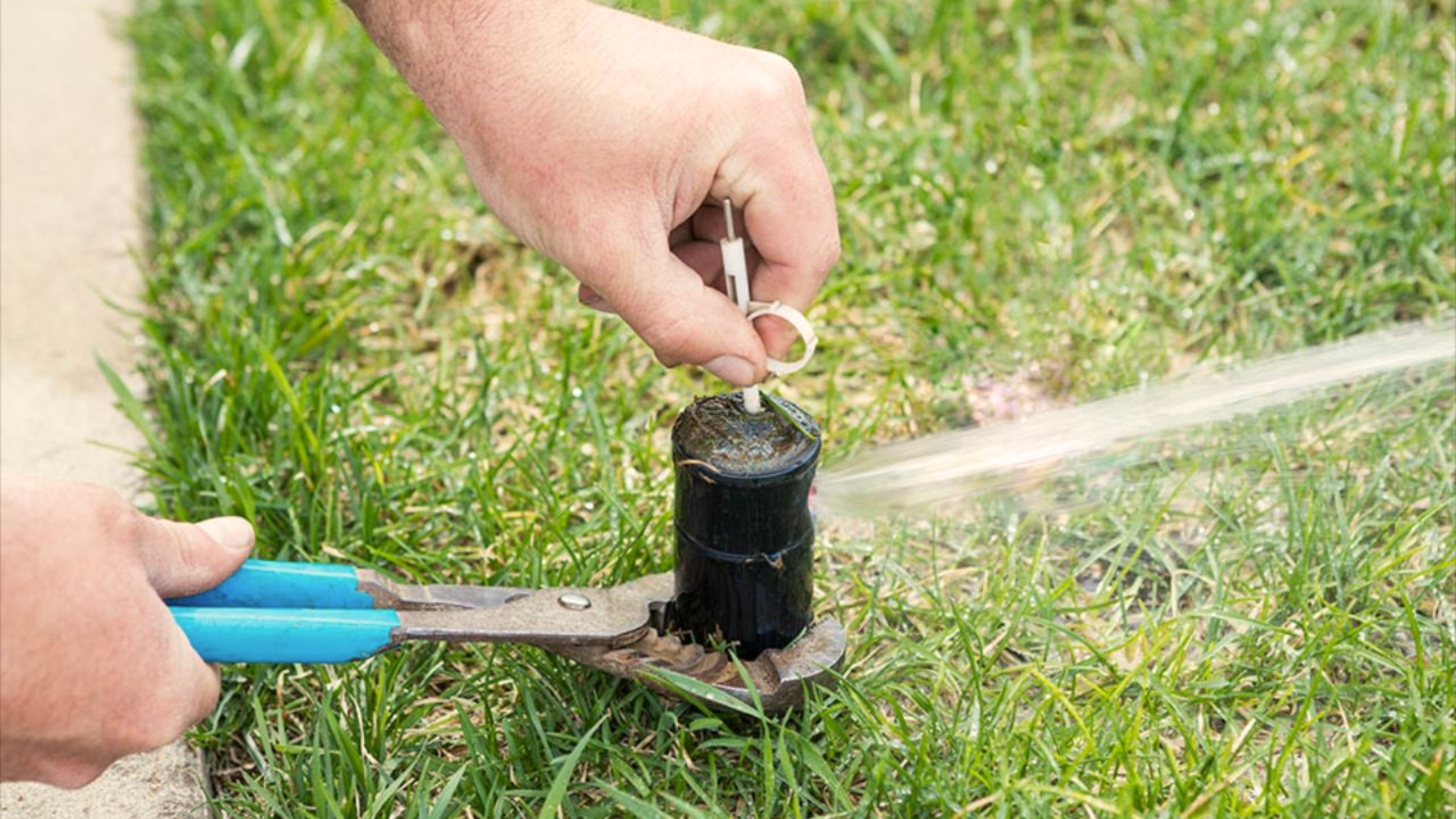
Small choices can make a real difference in your final price. These tips help you save without losing quality or performance.
- Get quotes from multiple installers to compare prices and find a fair rate for your yard size.
- Ask about basic system layouts instead of complex designs that need extra heads or zones.
- Choose durable, mid-range materials instead of premium add-ons that don’t fit your budget.
- Look for local rebates on smart controllers or water-saving sprinkler heads to cut costs.
- Plan your installation during the off-season, when demand is lower, and contractors may offer better pricing.
- Keep your yard’s layout simple by reducing obstacles, which helps lower trenching and labor time.
- Consider handling light tasks yourself, like clearing the yard or marking utility lines, to reduce labor hours.
DIY vs Professional Installation Costs
Both DIY kits and professional installations can work well, but the time, skill, and cost required are very different. This comparison helps you decide which option fits your budget and comfort level.
| Category | DIY Installation | Professional Installation |
|---|---|---|
| Average Cost | $300 – $1,500 depending on yard size and kit quality | $2,000 – $6,000+, depending on zones and layout |
| Skill Level Needed | Moderate to high; requires reading plans, measuring zones, and troubleshooting | Low; installer handles design, setup, and adjustments |
| Tools Required | Trencher or shovel, PVC cutters, wiring tools, and connectors | Tools and equipment included in the service |
| Time Investment | 1–3 full days, depending on yard size | 4–10 hours for most homes |
| System Quality | Basic components; fewer customization options | Higher-quality parts and tailored design |
| When It’s Cost-Effective | Best for small, simple yards with a clear layout | Best for large, sloped, or complex yards where mistakes can be costly |
Conclusion
Figuring out how much installation will cost comes down to understanding your yard and the choices you make along the way, especially when estimating the sprinkler system installation cost.
The number of zones, the type of sprinkler heads, your soil, and even your region all factor into the final price.
Knowing these details helps you compare estimates with confidence instead of guessing what’s fair.
Before you move forward, take a little time to gather quotes, look at your yard’s layout, and think about the features you truly need.
A system that fits your space well will save water, reduce hassle, and keep your lawn looking healthy.
If you’ve installed a sprinkler system before or recently got a quote, share your experience in the comments below. Your insight can help other homeowners plan smarter.