Planning a wedding takes time, which is why having the right wedding planning tips makes it easier to plan the perfect day.
I know how easy it is to feel pulled in many directions, and you might wonder if you’re missing something important.
In this guide, I’ll walk you through simple steps that make the process easier, from early planning choices to the final details. You’ll find clear tips you can use right away.
I focus on practical tasks, smart ways to stay organized, and small habits that help you keep calm as the day gets closer.
By the end, you’ll feel more prepared and confident in the plans you make. Let’s get started and make this day come together with less stress.
Why Planning Early Makes Everything Easier?
Planning early gives you more room to make steady choices without feeling rushed, and it helps you see the whole process more clearly.
When you start ahead of time, you can compare vendors, set a budget that works, and adjust plans when needed.
It also gives you space to handle small issues before they grow. More time means fewer surprises, making each step easier to manage.
Early planning also helps you spread out tasks so you’re not doing everything in one week.
You can talk with your partner, make decisions together, and keep track of what comes next. A clear timeline keeps you focused and reduces stress as the day gets closer.
With early planning, you stay in control, and the whole experience feels steadier and less overwhelming.
Unique Wedding Planning Tips to Plan Your Big Day
Planning for the big day involves more than organizing vendors and choosing decor. It requires awareness of the small details that keep everything running smoothly.
1. Set a Realistic Budget Early
Determining a realistic wedding budget at the start helps frame every other decision.
Couples should tally up how much they are comfortable spending, whether it’s just the two of them covering the costs or with family contributions.
Having clear numbers ensures that they prioritize what matters: venue, catering, attire, photography, or décor.
A budget helps prevent overspending and stress later. It also guides vendor selection and guest list size.
2. Create Your Guest List First
Before booking a venue or vendors, compile a guest list to clarify how many people you’re inviting.
This list influences budget, venue capacity, catering numbers, and seating arrangements.
Knowing the approximate headcount helps narrow down suitable venues and avoid later disappointments over space or cost.
A well-thought-out guest list prevents last-minute pressure, keeps planning realistic, and ensures that everyone important to you is included or prioritized.
3. Choose Your Wedding Date and Season Wisely
Selecting a wedding date early and considering the season, weekdays vs. weekends, and potential local events can significantly affect cost and availability.
Popular venues and vendors often get booked years in advance, especially for peak seasons or weekends.
By picking a date early, couples give themselves a better chance of securing their desired venue and preferred vendors.
A well-chosen date also affects travel, guest availability, and even weather-dependent logistics. Being flexible with season or weekday weddings can save money and ease scheduling.
4. Define Your Wedding Style or Theme Early
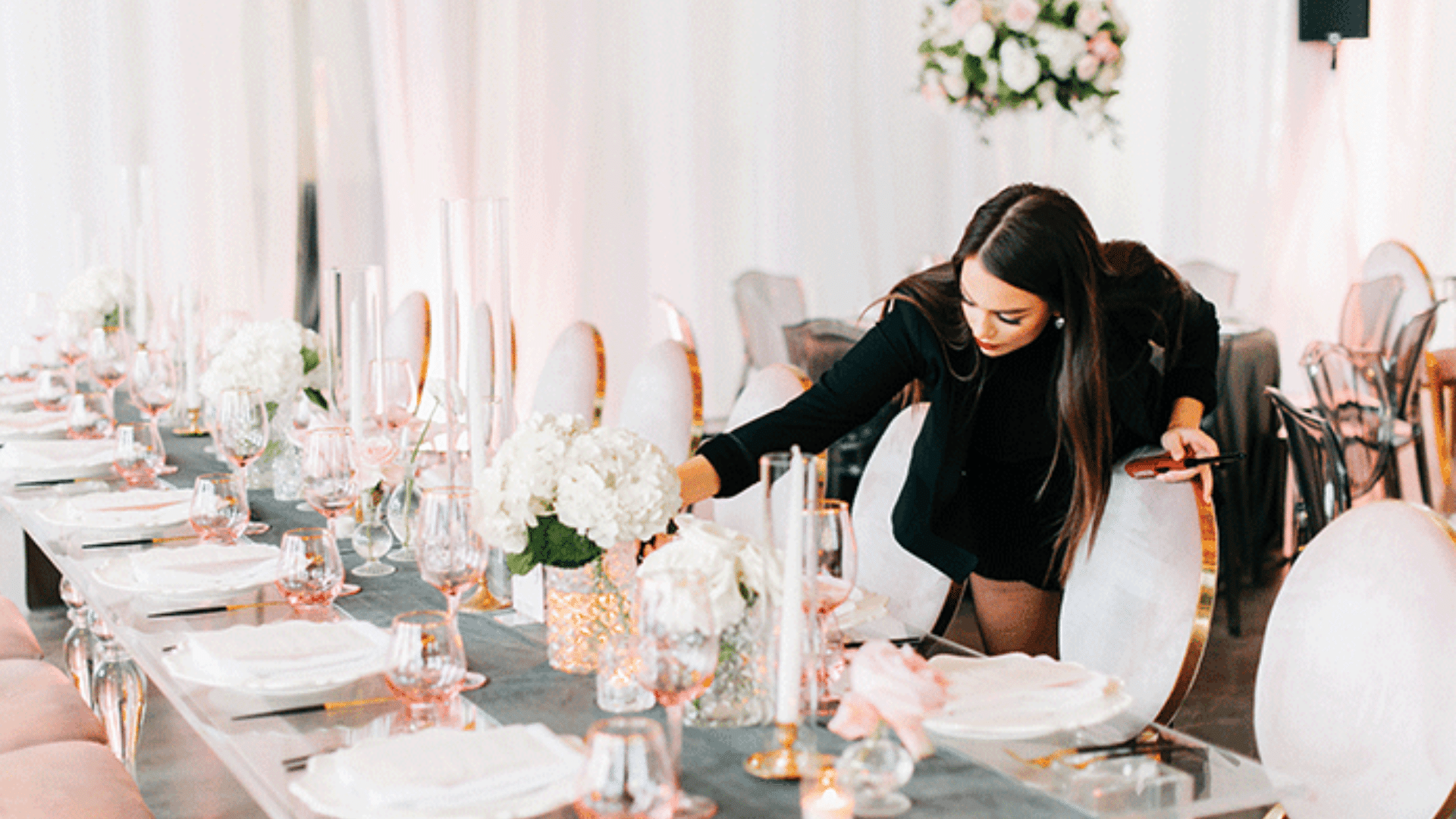
Choosing a theme or overall look, classic, rustic, modern, or casual, helps tie together every choice you make, from the venue to the decor and attire.
Having a clear vision prevents mismatched elements and last-minute panic.
It helps vendors understand what you want, makes décor and outfit choices easier, and ensures that photos and arrangements feel cohesive.
Starting with a style guideline also simplifies communication with family, friends, or planners, aligning expectations and reducing confusion.
5. Book Key Vendors Early
Vendors such as the venue, photographer/videographer, and caterer are often booked well in advance, especially during high-demand seasons.
Once these core vendors are secured, couples can plan other details with greater confidence, such as the guest list, décor, schedule, and invitations.
Early booking also provides greater leverage in negotiations and more time to review contracts carefully.
Securing trusted vendors early can save stress and cost, ensuring the foundation of your wedding remains solid.
6. Create a Wedding Timeline or Planning Calendar
A detailed timeline or calendar, showing months or weeks leading up to the wedding, helps break down tasks into manageable chunks.
It ensures that nothing gets forgotten and that planning stays organized. With clear milestones, couples avoid last-minute rushes or overlooked commitments.
This method keeps things organized, so important steps, from fittings to invitations and vendor checks, come together smoothly.
A planning calendar shows when tasks need to be done and helps you stay on track with less stress.
7. Prioritize What Matters Most to You
Every couple has unique priorities; some care more about photos and the venue, while others care more about guest comfort, food, or music.
Identifying and ranking what matters most helps allocate budget and time wisely.
This clarity prevents overspending on less critical areas and ensures the important receive proper attention. It also simplifies decision-making when faced with conflicting choices, allowing couples to compromise without regret.
With clear priorities, each decision supports the couple’s vision and creates a day that feels true to them.
8. Communicate Openly with Partner and Stakeholders
Clear communication between partners, and with families or anyone contributing, reduces misunderstandings and stress.
From budget to guest list expectations, style preferences, and responsibilities, discussing everything ensures everyone is on the same page.
This helps avoid conflicts later and ensures that decisions reflect mutual agreement.
Open conversations about finances, expectations, and roles also foster trust and reduce last-minute surprises.
9. Build in Buffer Time for Key Deadlines
Delays are common, from slow alterations to late vendors and RSVPs. Building buffer time around key deadlines, invitation mailing, vendor payments, and fittings gives breathing space.
Buffer time reduces stress and allows for adjustments if things go off schedule.
It helps avoid panic and ensures that timeline changes don’t cascade into bigger problems. By planning with Slack, couples give themselves flexibility.
It’s a small practice that provides peace of mind, letting them handle bumps in the road or surprises without derailing the whole plan.
10. Keep a Detailed Records Folder

Keeping all contracts, receipts, invoices, vendor contacts, and notes in one folder, physical or digital, ensures nothing gets lost.
It offers clarity when checking payments, schedules, and vendor agreements.
When last-minute questions arise or changes occur, having documented information helps resolve issues quickly and avoids confusion.
It also protects against misunderstandings or disputes. A well-organized folder becomes especially useful in stressful moments or when coordinating with multiple parties.
11. Set up a Separate Wedding Email Account
A separate wedding email keeps messages organized and prevents important details from getting lost.
Vendors often send contracts, schedules, reminders, invoices, and detailed instructions, so having a centralized place for all correspondence makes the process easier.
This email account can also be shared among partners or planners, so everyone involved can stay updated without confusion.
A separate inbox lowers the chance of missing key messages and keeps planning organized.
12. Choose the Right Venue
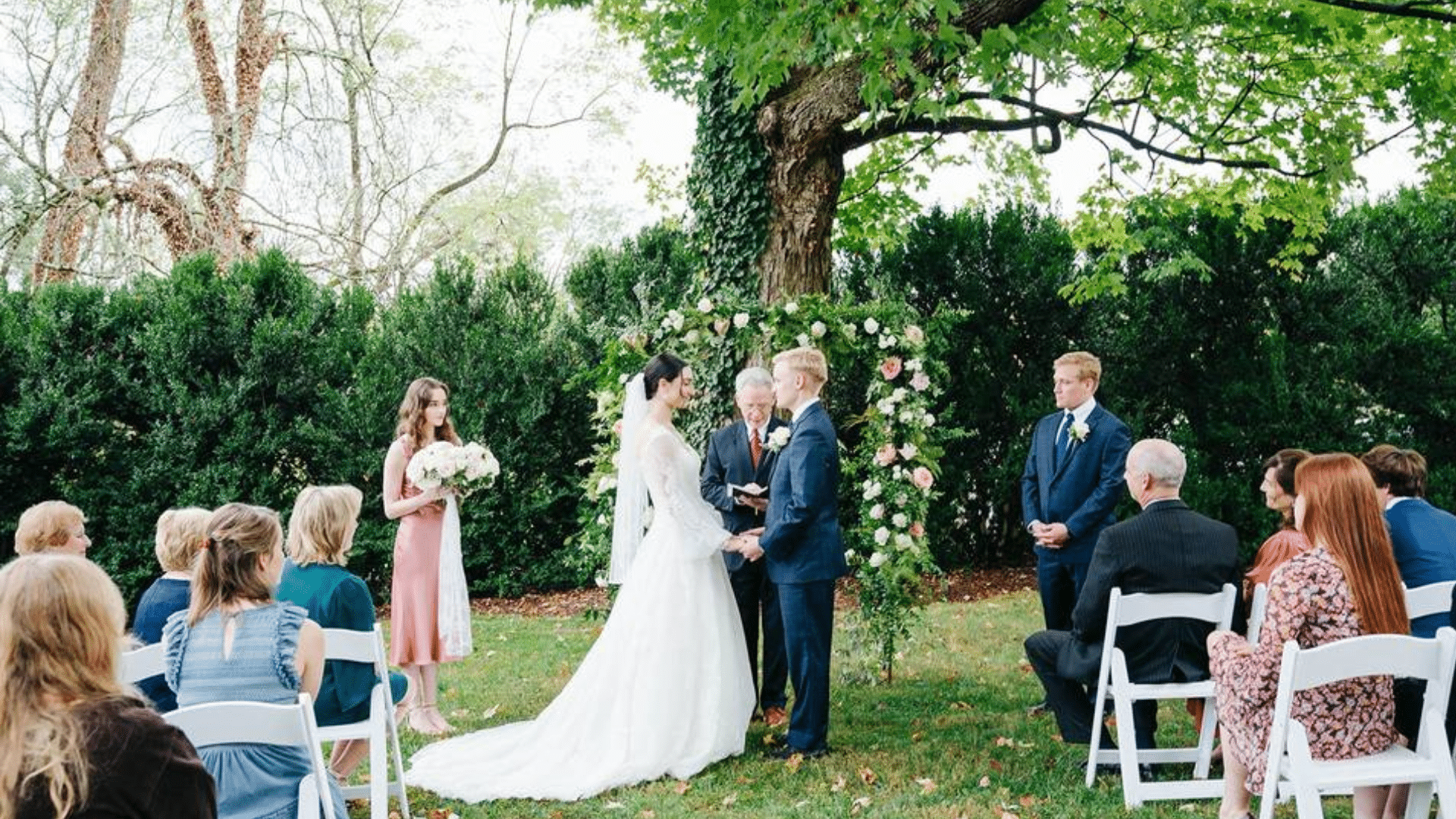
Selecting a wedding venue should go beyond aesthetics and budget; guest comfort plays a significant role in creating a positive experience.
Venue size must match the guest list, so the event feels neither cramped nor empty.
Temperature control, accessibility, seating layouts, restrooms, parking, and transportation options should all be considered.
Outdoor venues require backup weather plans, such as tents, shade, or heating. Indoor venues benefit from good ventilation and comfortable spacing.
13. Read Every Vendor Contract Carefully
Vendor contracts outline expectations, timelines, costs, and policies, making them essential to review thoroughly.
Couples benefit from understanding cancellation terms, overtime fees, delivery schedules, and what is included, or excluded, in each package.
Precise knowledge of payment timelines prevents miscommunication or late fees. Contracts should specify backup plans in case of emergencies, equipment failure, or vendor illness.
It is wise to confirm details such as arrival times, setup requirements, clean-up responsibilities, and insurance coverage.
14. Start Wedding Attire Shopping Early

Shopping for wedding attire months in advance allows time for browsing, ordering, tailoring, and final fittings.
Many wedding dresses, suits, and bridesmaid outfits require multiple alterations, and tailoring schedules often fill quickly.
Early shopping prevents stress by providing choices that aren’t rushed or limited by inventory.
Starting early also gives time to explore accessories, shoes, veil options, and undergarments that influence fit.
15. Create a Seating Plan that Flows Well
A thoughtful seating plan enhances the comfort and enjoyment of guests during the reception.
Consider relationships, family dynamics, and accessibility needs to create an environment where guests feel at ease.
Place elderly guests where sound levels are manageable and access is convenient. Position close friends and younger guests near the dance floor if they are likely to participate.
A well-organized seating plan reduces confusion, improves reception flow, and supports a positive atmosphere.
16. Don’t Forget Weather Backup Plans
Weather unpredictability makes backup planning essential, especially for outdoor ceremonies or receptions.
Tents, covered areas, indoor alternatives, and portable heaters or fans can help maintain comfort regardless of conditions.
Clear communication with vendors ensures everyone understands the backup arrangement and can transition quickly if needed.
Couples benefit from monitoring seasonal patterns and asking venues about their weather contingency options.
17. Arrange Transportation for the Wedding Party

Coordinating transportation ensures punctuality and reduces confusion on the wedding day.
Reserving vehicles such as shuttles, vans, or limousines helps the wedding party travel safely and reliably between preparation locations, ceremony sites, and reception venues.
Transportation arrangements should account for travel time, traffic, parking, accessibility, and luggage or attire requirements.
Clear schedules and communication with drivers help avoid delays. Providing transportation for key guests, such as elderly family members, adds to their comfort and convenience.
18. Collect RSVPs Early and Follow up Promptly
Early RSVP collection allows couples to finalize guest counts, seating arrangements, catering numbers, and vendor commitments.
Invitations should clearly state the RSVP deadline, typically four to six weeks before the wedding. Tracking responses through organized spreadsheets or digital tools makes management easier.
Following up politely with guests who haven’t responded ensures accuracy and avoids last-minute surprises.
Proper RSVP management helps vendors plan appropriately and prevents food or seating shortages.
19. Build a Detailed Wedding-Day Schedule
A wedding-day schedule lays out each part of the day, from getting ready to the final exit, so everyone knows where to be.
It helps vendors, guests, and the wedding party stay coordinated. The schedule should list arrival times, setup windows, ceremony timing, photo sessions, speeches, cake-cutting, and cleanup.
Share copies with vendors and key helpers. This keeps everyone aligned and reduces confusion.
A clear timeline also creates a smooth flow and prevents delays that can affect the rest of the event.
20. Confirm All Vendor Details One Week Before
A final confirmation with all vendors ensures alignment on timing, expectations, and logistics.
One week before the wedding, couples or planners should verify arrival schedules, equipment needs, delivery times, and final payments.
Clear confirmations help vendors prepare properly and prevent misunderstandings on the wedding day.
Reviewing details such as playlists, menus, photography lists, seating plans, and ceremony cues ensures that everyone understands their responsibilities.
21. Pack an Emergency Kit for the Wedding Day

An emergency kit ensures minor problems don’t disrupt the wedding day. Items such as safety pins, tape, sewing supplies, extra makeup, and bandages can address unexpected issues.
Including chargers, hairpins, lint rollers, and fashion tape helps maintain a polished appearance throughout the event.
A kit also benefits the wedding party and close family members, who may encounter wardrobe or comfort-related challenges.
Keeping these essentials together allows quick fixes without interrupting the schedule.
22. Assign a Point Person for Vendor Communication
Having a designated person handle vendor communication on the wedding day prevents the couple from being interrupted or overwhelmed.
This individual, whether a coordinator, family member, or trusted friend, manages questions, directs setups, and handles unexpected concerns.
Vendors benefit from having a single, accessible contact who clearly understands the schedule and expectations.
A point person keeps the couple present in their celebration and ensures they are not distracted by logistics.
23. Keep Wedding Party Responsibilities Simple and Clear
Members of the wedding party appreciate clear guidance on their duties, whether it involves helping with preparations, attending rehearsals, or participating in photos.
Giving them practical instructions reduces anxiety and prevents misunderstandings. Responsibilities should match each person’s abilities, schedule, and comfort level.
Clear expectations help avoid unnecessary conflicts and ensure that each member can support the couple effectively.
Providing written details, such as call times, transportation plans, and dressing expectations, helps streamline the day.
24. Choose Comfortable Shoes and Backup Footwear

Comfortable footwear plays a significant role in ensuring guests and the couple enjoy the wedding day without fatigue.
Long hours of standing, walking, and dancing can be challenging in formal shoes. Selecting well-fitted, comfortable options helps avoid blisters, soreness, or posture issues.
Many couples wear stylish cushioned shoes for the ceremony, then switch to flats or sneakers for the reception.
Offering heel protectors for outdoor venues helps prevent sinking into grass. Backup shoes ensure comfort lasts throughout the celebration.
25. Confirm Legal Marriage Requirements Early
Understanding marriage license rules early prevents last-minute complications. Requirements vary by location, including residency requirements, waiting periods, witness requirements, and expiration dates.
Couples should research their jurisdiction’s laws months ahead to avoid overlooked details.
Scheduling license appointments and gathering documents in advance ensures timely processing.
Some regions require premarital counseling or specific forms before issuing licenses. Confirming these legalities early keeps the process smooth and avoids delays.
26. Book Accommodations for Out-of-Town Guests
Planning accommodations ensures a welcoming experience for guests traveling from afar. Reserving hotel blocks near the venue provides group pricing, convenience, and easier coordination.
Including a range of budget options helps guests feel comfortable selecting what suits them.
Sharing transportation details, check-in instructions, and nearby dining options supports a stress-free stay.
Accommodations contribute significantly to guest comfort, influencing how smoothly they participate in wedding activities.
27. Plan Your Decor Around the Venue
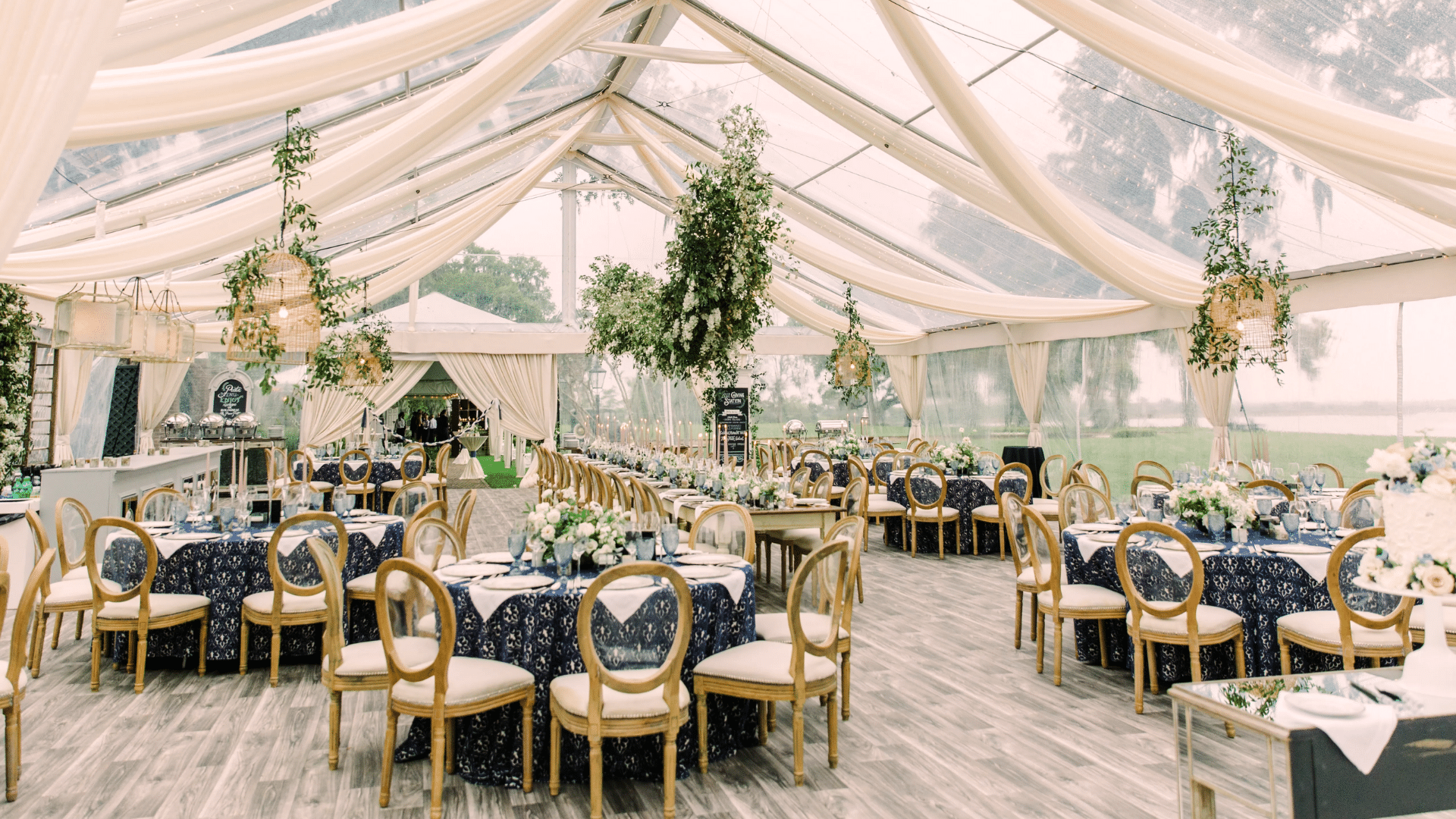
Working with a venue’s existing design, architecture, and natural surroundings elevates the wedding ambiance without unnecessary cost.
Couples can highlight distinctive features, such as gardens, brick walls, wood beams, or large windows, to create a cohesive look.
Choosing decor that complements rather than competes with the venue leads to a more natural visual flow.
This approach reduces the need for excessive decorations and helps maintain balance and elegance.
28. Hire a Professional Photographer and Videographer
Professional photographers and videographers capture moments that become cherished memories for years.
These specialists understand lighting, angles, composition, and timing, ensuring high-quality images and videos.
Experience enables them to anticipate key moments and navigate crowded or emotional settings smoothly.
Reviewing portfolios ensures the chosen style aligns with expectations. Professionals also manage editing, equipment, and backup options, reducing the risk of technical issues.
29. Establish a Clear Plan for Gifts and Cards

A designated space for gifts and cards prevents misplacement and ensures a smooth reception flow.
A secure, visible table or locked card box keeps valuables safe and organized. Assigning someone trustworthy to transport gifts after the event helps maintain accountability.
Guests appreciate having a clear place to set items down without confusion. Providing signage or instructions eases navigation and maintains order.
Establishing a plan early also helps couples track thank-you notes and manage post-wedding organization.
30. Provide Comfortable Amenities for Guests
Thoughtful amenities improve guest satisfaction and create a welcoming environment.
Items such as water stations, fans, blankets, sunscreen, umbrellas, and accessible restrooms address comfort needs in various settings.
Offering small essentials, like tissues or dance-floor sandals, adds a considerate touch. Clear signage and easy access to amenities help guests feel supported throughout the event.
These details contribute to a smooth experience, especially for outdoor or long-duration weddings. Attending to guest comfort reflects hospitality and enhances the overall atmosphere.
31. Offer a Well-Planned Menu that Considers Dietary Needs
A thoughtfully crafted menu ensures that all guests feel included and cared for during the celebration.
Considering dietary preferences such as vegetarian, vegan, gluten-free, nut-free, and dairy-free options helps prevent discomfort and ensures no guest is left without a suitable meal.
Coordinating with caterers early allows them to prepare high-quality alternatives that complement the main menu.
Offering variety improves the dining experience and keeps guests happy. Clear labels help everyone choose safely.
32. Plan an Effective Music and Entertainment Schedule
Music shapes the mood of the ceremony and reception, making good entertainment planning important.
A well-timed playlist ensures smooth transitions between key moments, processional, recessional, first dance, dinner, and dancing.
Couples benefit from matching musical styles to each phase of the event to maintain energy and emotion.
Selecting a DJ or live band with experience ensures professional sound management and responsiveness to crowd dynamics.
33. Arrange Childcare Options for Families with Kids
Providing childcare options ensures parents can enjoy the celebration without stress. Designated kids’ areas, activity tables, or hired caregivers help keep children entertained and supervised.
Offering puzzles, coloring books, games, or quiet toys helps prevent boredom and reduce the likelihood of disruptions during important ceremony moments.
Clear communication informs parents of available services and helps them plan accordingly.
Childcare arrangements support guest comfort, encourage participation, and create a family-friendly atmosphere.
34. Make Time for Couple-Only Moments During the Day
Weddings move quickly, and intentional private moments allow couples to pause, connect, and appreciate the significance of the day.
Scheduling brief breaks between major events, ceremony, photos, and reception entry, gives space to reflect and reconnect.
These moments reduce stress and create emotional memories that stand apart from the busyness of the celebration.
Coordinators or planners can help create opportunities without interrupting the flow of events.
35. Prepare for Speeches and Toasts Ahead of Time

Speeches and toasts are memorable but can become lengthy or disorganized without planning. Assigning speakers early ensures they have time to prepare meaningful, appropriate remarks.
Coordinators should allocate timing for each speech within the reception schedule to maintain flow and prevent delays.
Testing microphones and sound equipment ahead of time avoids technical issues.
Reviewing placement, whether before dinner, after the first course, or during dessert, ensures smooth transitions.
36. Practice the Ceremony Rehearsal Thoroughly
A thorough rehearsal ensures everyone involved understands their roles, timing, and cues.
Practicing entrances, exits, readings, and music coordination helps minimize confusion and reduce nerves.
Officiants, coordinators, or venue staff can guide participants through each step, ensuring consistent pacing and clarity.
Rehearsals also address logistical concerns such as spacing, walking paths, sound checks, and seating.
37. Manage Wedding Stress with Self-Care Practices
Wedding planning can be overwhelming, making intentional self-care essential for maintaining emotional balance.
Practices such as regular rest, exercise, healthy meals, meditation, and relaxation activities help reduce tension and support mental clarity.
Delegating tasks and setting realistic expectations prevents burnout and encourages peace of mind.
Healthy stress management contributes to positive wedding-day experiences and stronger relationships throughout the process.
38. Set a Clear Photography Shot List
A thoughtfully prepared shot list ensures important photos are captured without omissions.
Listing family groupings, special cultural moments, personal details, and must-have couple portraits guides photographers.
Sharing the list early allows photographers to plan timing, lighting, and equipment needs. Organizing group shots based on convenience reduces delays during the session.
A clear shot list improves communication and ensures the final photos match the couple’s vision.
39. Prepare Tip Envelopes Ahead of Time
Preparing gratuity envelopes in advance simplifies vendor tipping on the wedding day.
Labeling envelopes for specific vendors, such as catering staff, musicians, drivers, coordinators, and photographers, prevents confusion.
Assigning someone to distribute tips ensures the process runs smoothly without interrupting the couple.
Preparing early tips avoids last-minute cash shortages and keeps the couple focused on celebrating rather than on logistics.
40. Arrange Comfortable Lighting for the Ceremony
Lighting shapes the atmosphere and dramatically influences photographs.
Soft, warm lighting enhances intimacy during ceremonies, while adjustable lighting keeps receptions visually appealing throughout dinner, speeches, and dancing.
Consultation with lighting experts or venue staff ensures proper equipment placement and ambiance.
Lighting can highlight key features such as floral arrangements, cake displays, or photo areas.
41. Provide Clear Signage for Easy Guest Navigation
Signage helps guests navigate smoothly between ceremony areas, restrooms, photo spots, reception tables, and exits.
Clear, readable signs prevent confusion and reduce the need for constant verbal directions. Signage that matches the wedding style adds cohesion and a decorative element.
Directional signs, seating charts, bar menus, and welcome boards create order and enhance the guest experience.
Adequate signage supports both style and convenience.
42. Include a Thoughtful Thank-You Gesture for Guests
Expressing gratitude to guests creates a warm, memorable impression.
Favors, handwritten notes, customized treats, or donation cards acknowledging their presence show appreciation for their time and support.
Selecting gestures that reflect the couple’s personality adds meaning. Thank-you gestures don’t need to be extravagant; sincerity carries the most value.
These small touches enhance guest experience and add emotional depth to the celebration.
43. End the Ceremony with a Smooth Exit Plan
A well-organized exit plan keeps the end of the celebration seamless and joyful.
Coordinating transportation, gathering personal belongings, closing vendor accounts, and securing gifts helps prevent chaos.
Exit cues, sparklers, bubbles, music, or send-off lines create memorable photo opportunities. Assigning trusted individuals to manage final responsibilities ensures everything runs smoothly.
A structured exit allows the couple and guests to transition gracefully from the celebration to post-wedding activities.
How to Avoid Last-Minute Surprises?
A smooth wedding day depends on strong planning and clear communication. These simple steps help you stay prepared and prevent avoidable issues.
- Confirm all vendor details a week before the wedding, including arrival times and services.
- Share the full timeline with your venue, vendors, and wedding party.
- Create a backup plan for weather, transportation, and outdoor elements.
- Prepare a wedding day emergency kit with essentials like tape, pins, and stain remover.
- Double-check RSVPs, seating, and final headcounts with your venue and caterer.
- Review all contracts to ensure nothing is missing or unclear.
- Assign roles so one person isn’t handling everything alone.
Conclusion
Planning a wedding can feel like a lot, but taking things step by step makes the entire process smoother and more enjoyable.
Each tip here is meant to help you feel more prepared, more confident, and more in control as your day gets closer.
You deserve a wedding that reflects your style, your priorities, and the moments that matter most to you.
With clear plans, open communication, and a little flexibility, you can build a day that feels steady and meaningful from start to finish.
I’d love to hear about your own planning journey.
What helped you most, and what challenges are you facing right now? Share your experiences in the comments below.