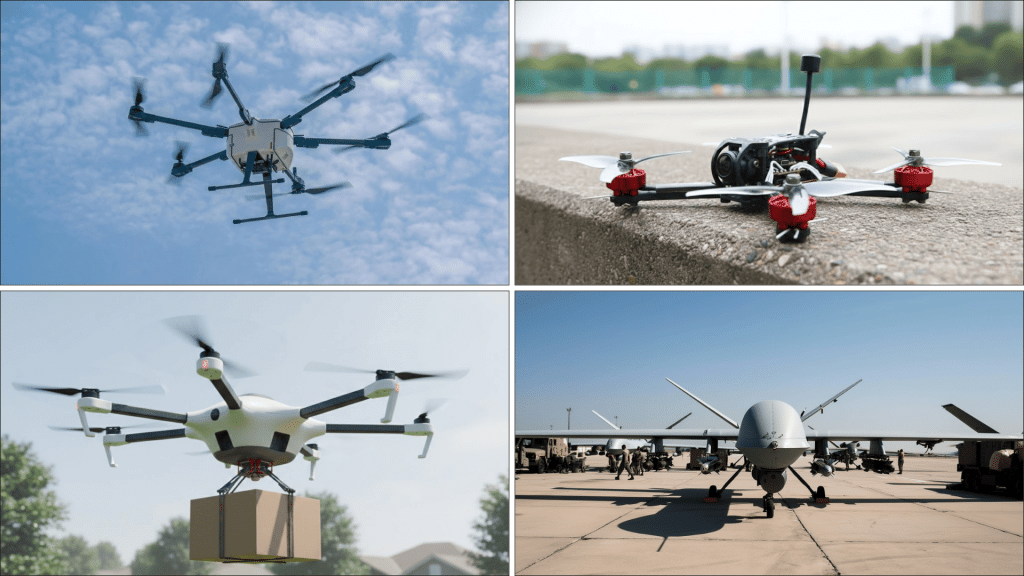
If all drones were the same, you would not see so many different shapes flying over farms, cities, roads, and job sites today.
Some drones stay still in the air, some fly very far, and some carry various tools, which often leaves people confused about why differences exist.
I have seen many people struggle to understand why there is a drone for that specific purpose only.
Today, drones support in various ways, from photos to medical purposes & even in military, with designs shaped by range, control, and flight behavior.
I will be telling you about the types of drones, what makes each one different, and how their design matches real-world use.
You also see how drone stages are evolving, where you could be flying in a drone taxi or watching drones recharge while staying airborne.
What Is a Drone and How Does It Actually Work?
A drone is an unmanned aircraft that flies without a person sitting inside, controlled remotely or guided by software that follows set flight instructions.
Most drones use electric motors that spin propellers, creating lift that allows them to rise, hover, move forward, or land safely.
Inside a drone, sensors, GPS modules, and flight controllers constantly read position, speed, and balance to keep movement steady during flight.
Commands come from a handheld controller or a mobile app, while some drones follow pre-planned routes without real-time human control.
Drones matter because they reduce human risk, save time, and reach places that are unsafe, distant, or hard to access by people.
They are widely used for photos, farming checks, deliveries, inspections, and safety work, changing how many industries handle daily tasks.
Why Are There Different Types of Drones?
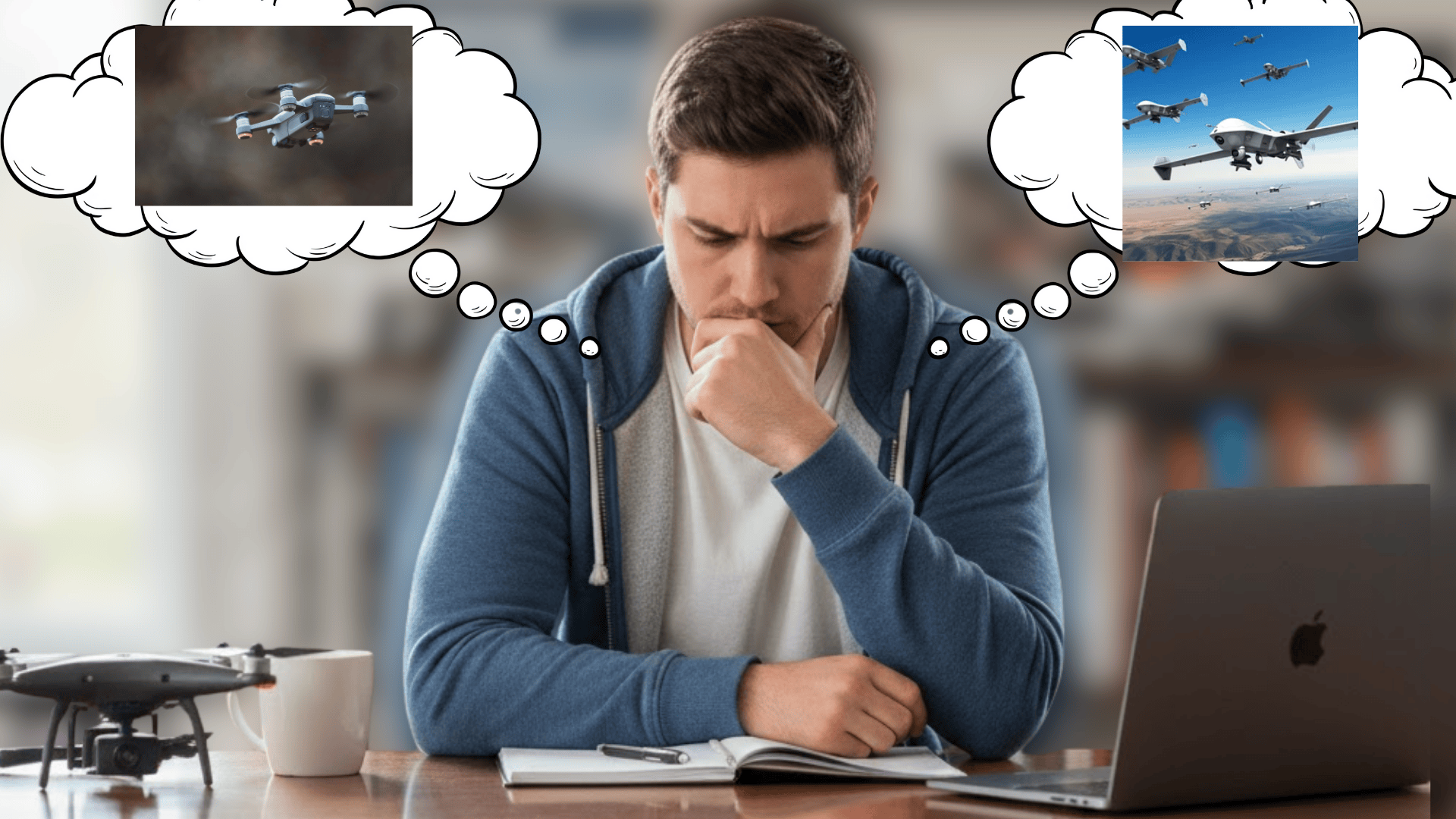
Different drone types exist because one single design cannot handle every task safely, efficiently, or at a reasonable cost for users.
- Payload and lift needs decide design, since multi-rotor drones hover well while fixed-wing drones move heavy tools across long distances.
- Flight endurance changes designs, because fixed-wing drones stay airborne longer while single-rotor drones focus on steady, extended observation work.
- Maneuverability matters, as hybrid VTOL drones combine vertical takeoff with smooth forward flight for flexible mission needs.
- Cost and simplicity shape designs, since consumer drones are built to stay affordable and easy to control indoors.
- The environment affects builds, with rugged drones handling rough weather while lighter ones suit city spaces.
- Regulations influence categories, separating low-risk hobby drones from higher-risk transport and industrial systems.
All these reasons explain why drone makers create specialized designs instead of pushing one solution for every job.
Types of Drones Based on Design and Flight Style
Below is a detailed list of drone types, where each drone is explained separately, covering its design, purpose, battery life, range, and pricing where available.
1. Multi-Rotor Quadcopter Drone
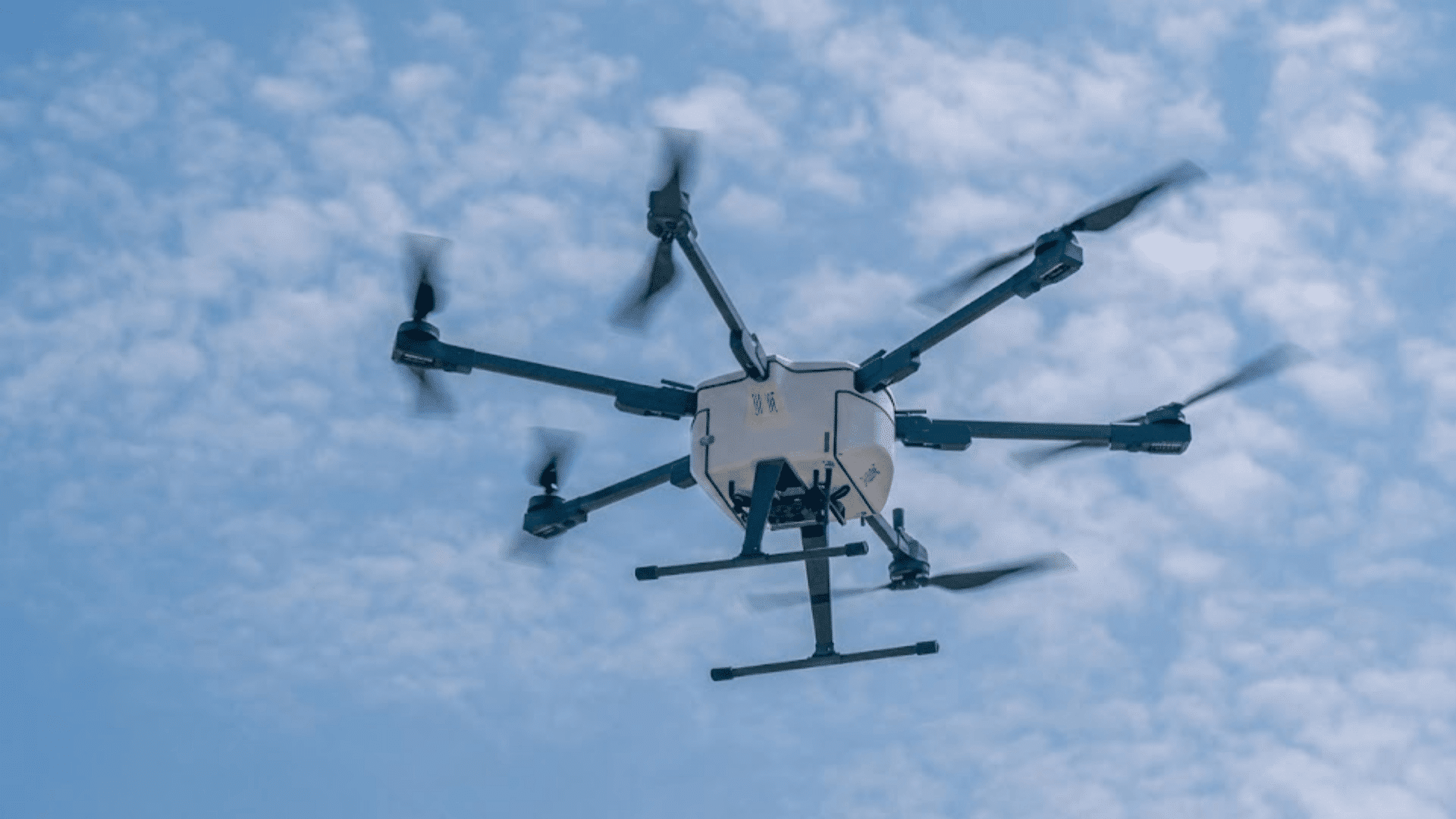
Price: $50–$1,500 | Range: 0.6–3.1 miles (1–5 km)
Multi-rotor quadcopter drones use four propellers to lift straight up, hover smoothly, and land safely, making them popular for photos, learning, and close inspection work.
They are easy to control, stay stable in the air, and work well in tight spaces like homes, job sites, or small outdoor areas.
Battery life is shorter than that of other drones, but quick setup, camera support, and low learning effort make them a solid starting choice.
2. Fixed-Wing Drone
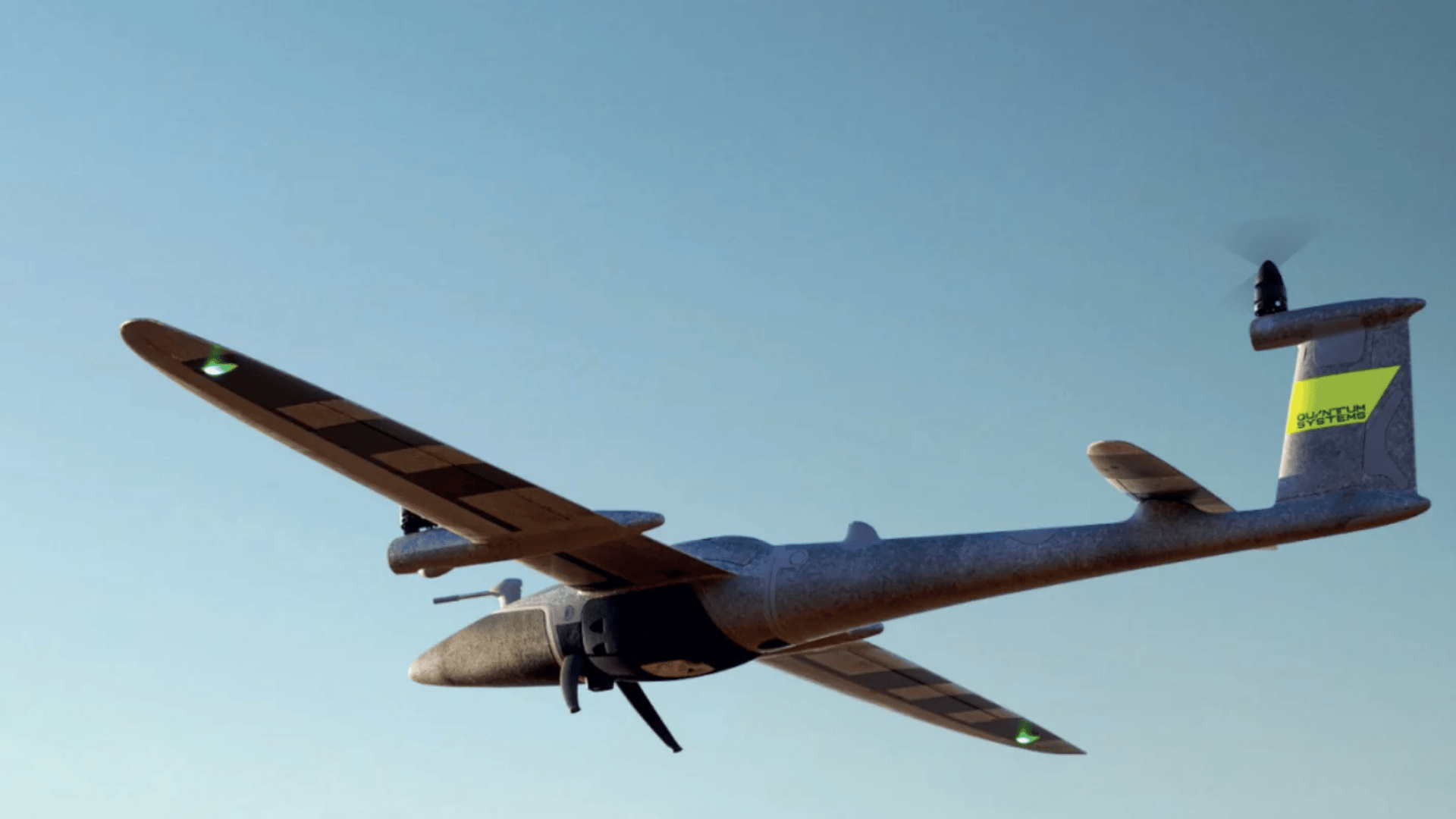
Price: $1,000–$20,000 | Range: 6–62 miles (10–100 km)
Fixed-wing drones look like small airplanes and fly forward using wings, which helps them travel far while using less power.
They are often used for mapping, land surveys, and large area checks where steady flight and long distance matter more than hovering.
These drones need space to launch and land, but their long flight time and wide coverage make them useful for outdoor commercial tasks.
3. FPV Racing Drone
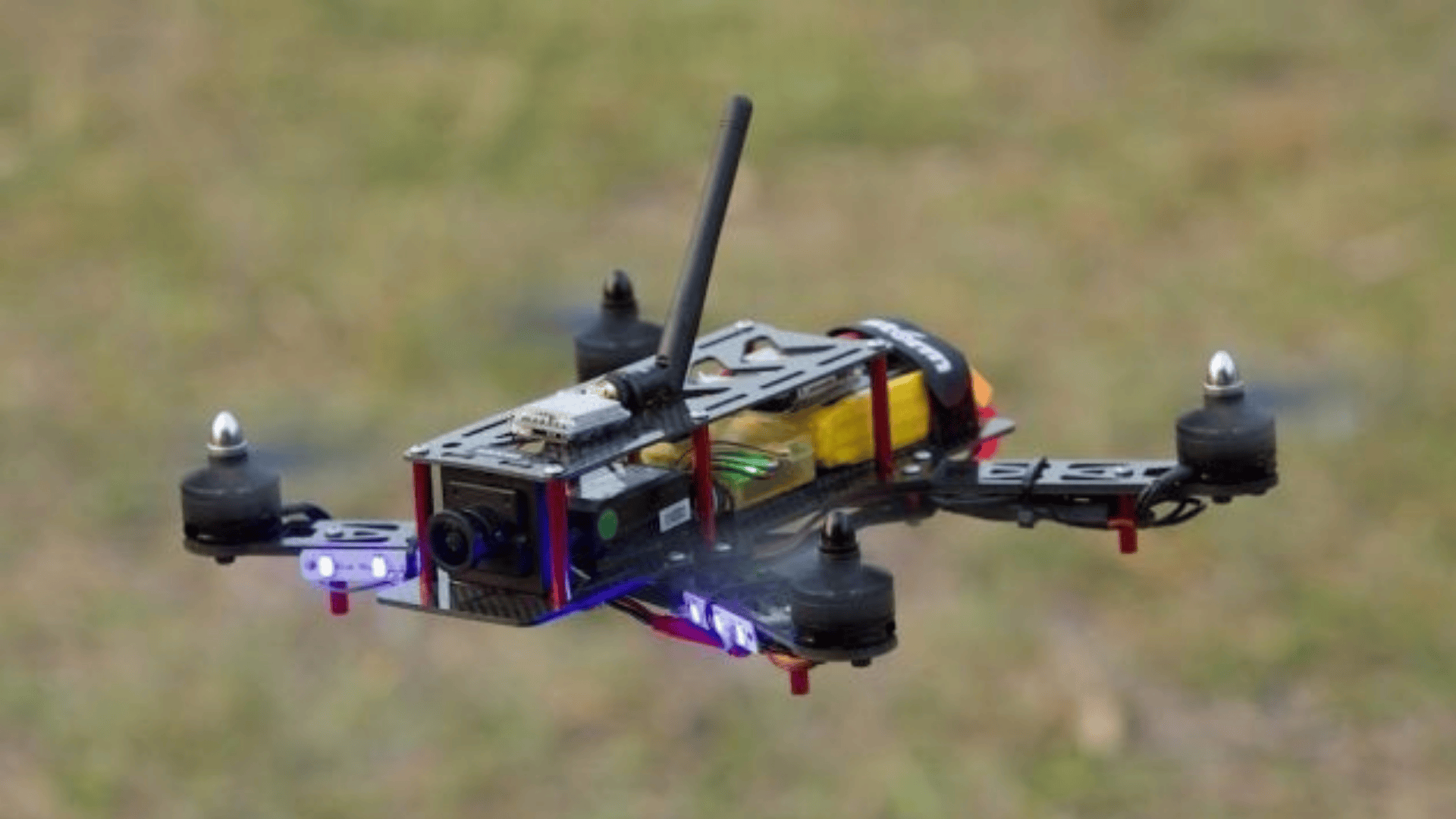
Price: $200–$1,000 | Range: 0.3–1.2 miles (0.5–2 km)
FPV racing drones are lightweight and fast, sending live video to goggles so pilots see exactly what the drone sees while flying.
They are built for speed, sharp turns, and quick moves, which makes them common in races, tricks, and practice flying sessions.
Battery time is very short, control is fully manual, and these drones suit skilled users who enjoy hands-on flying challenges.
4. Single-Rotor Helicopter Drone
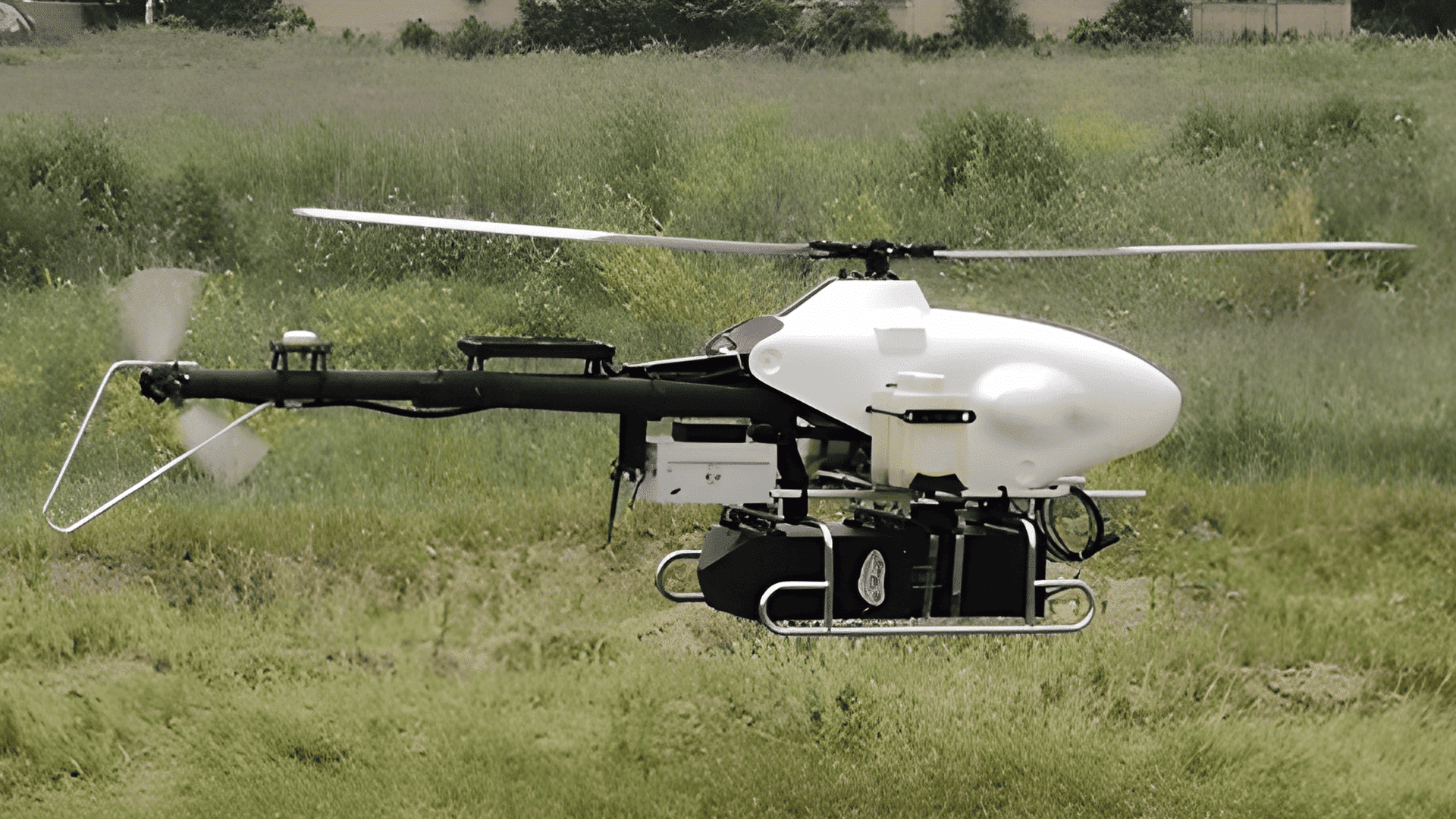
Price: $5,000–$50,000 | Range: 3–12 miles (5–20 km)
Single-rotor helicopter drones use one large main rotor with a tail rotor, giving strong lift and steady control during longer flights.
They are used for heavy payload work like LiDAR scans, supply drops, and industrial checks where power matters more than compact size.
These drones need skilled control, create more noise, and cost more to maintain, but they handle heavier tools better than most multi-rotor designs.
5. Hybrid VTOL Fixed-Wing Drone
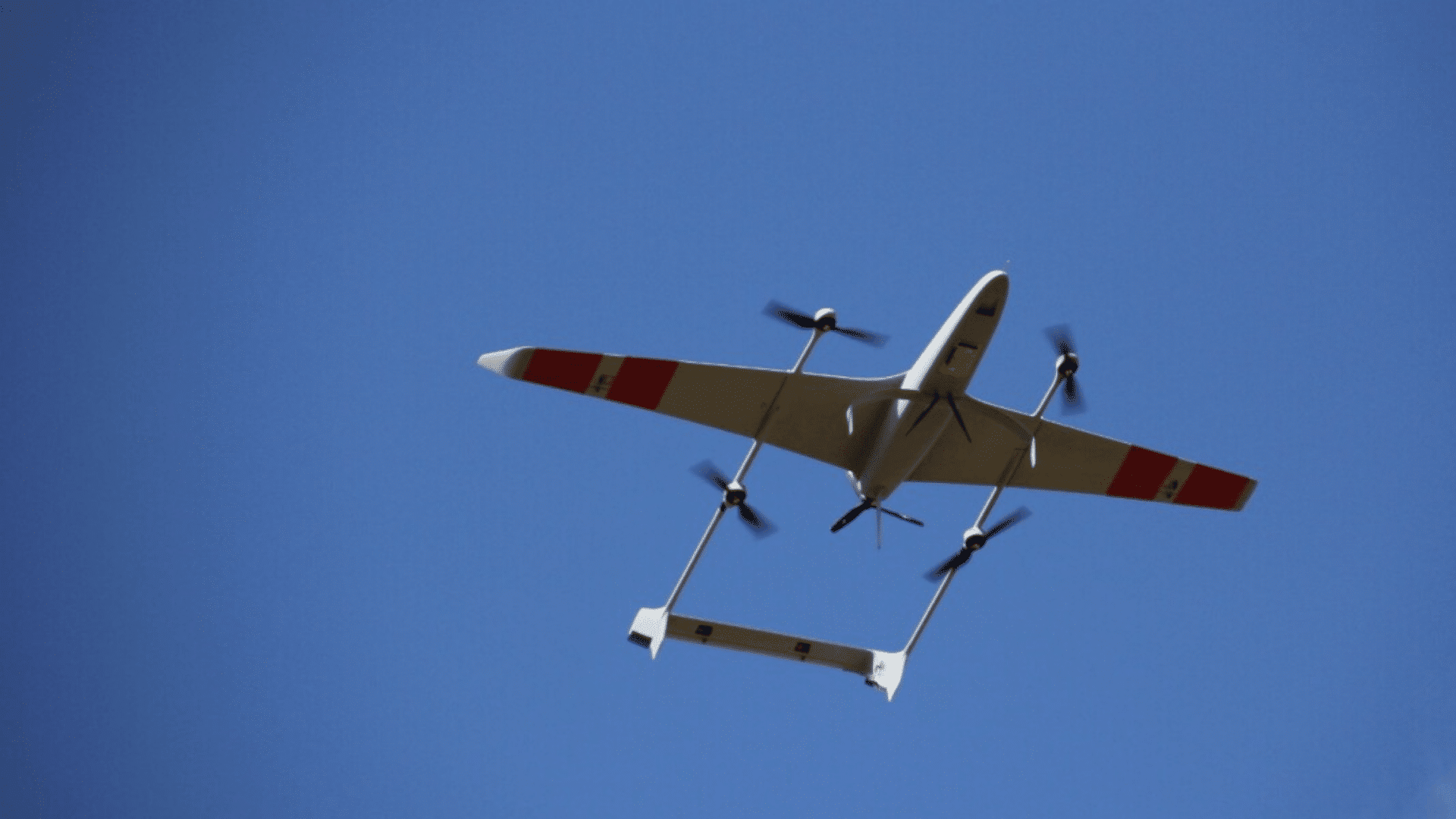
Price: $10,000–$100,000 | Range: 12.4–124.3 miles (20–200 km)
This drone lifts off like a multi-rotor, then shifts into wing flight, so it can cover long routes without needing a runway.
Teams use it for search work, utility checks, and farm scans, since it handles mixed terrain and keeps moving efficiently.
Flight time is often 60 to 180 minutes, and many models handle smart transition modes so the switch from hover to cruise feels smoother.
6. Nano or Micro Drone
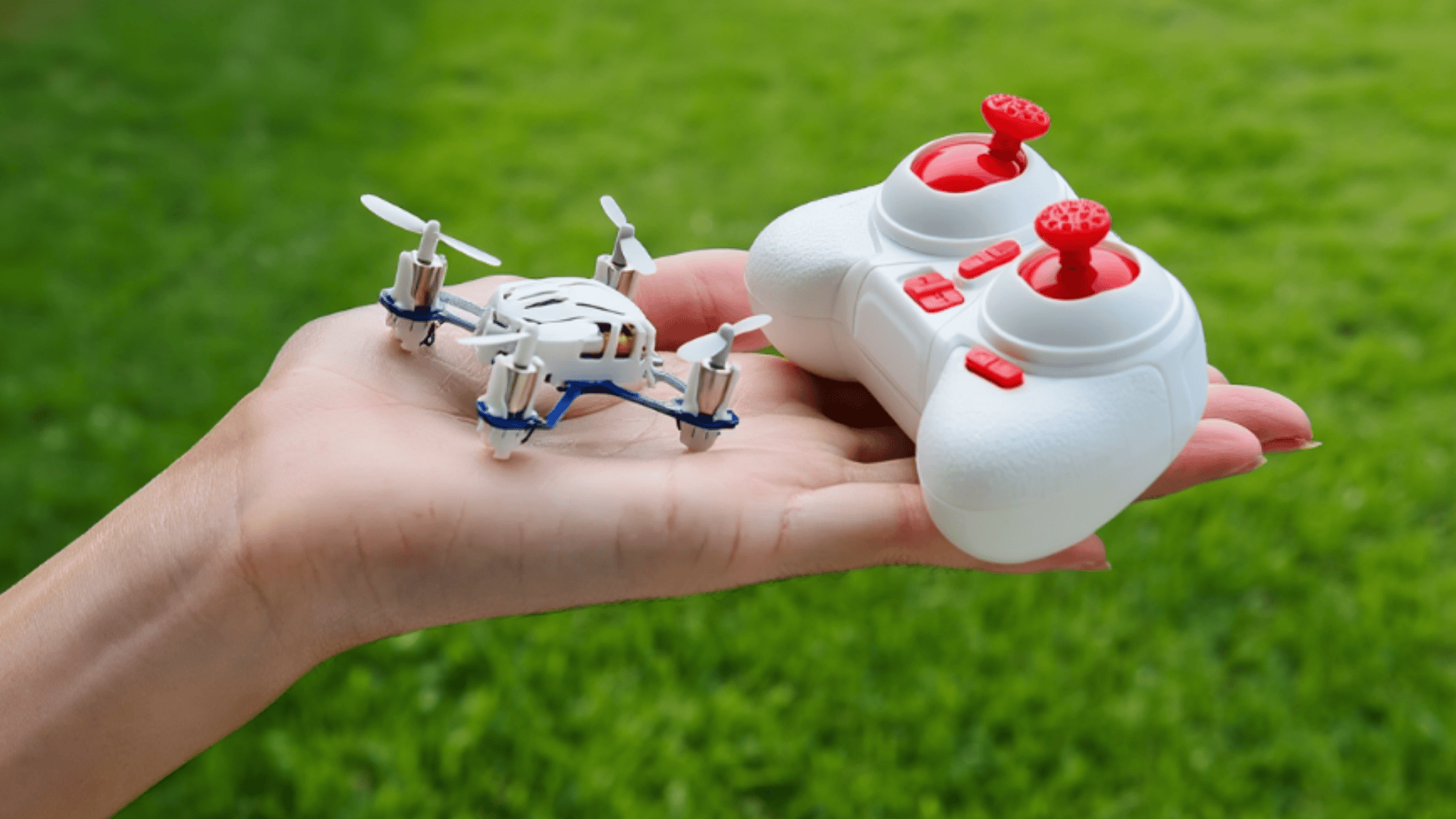
Price: $20–$200 | Range: 0.1–0.6 miles (0.1–1 km)
Nano and micro drones are tiny and light, usually small quads or bug-sized builds meant to zip around tight indoor spaces.
They fit quick indoor checks, simple practice flights, and close-up viewing, where bigger drones would bump into things fast.
Battery life is usually 5 to 15 minutes, and range stays short, but the small size makes storage easy and low-stress.
7. Agricultural Drone
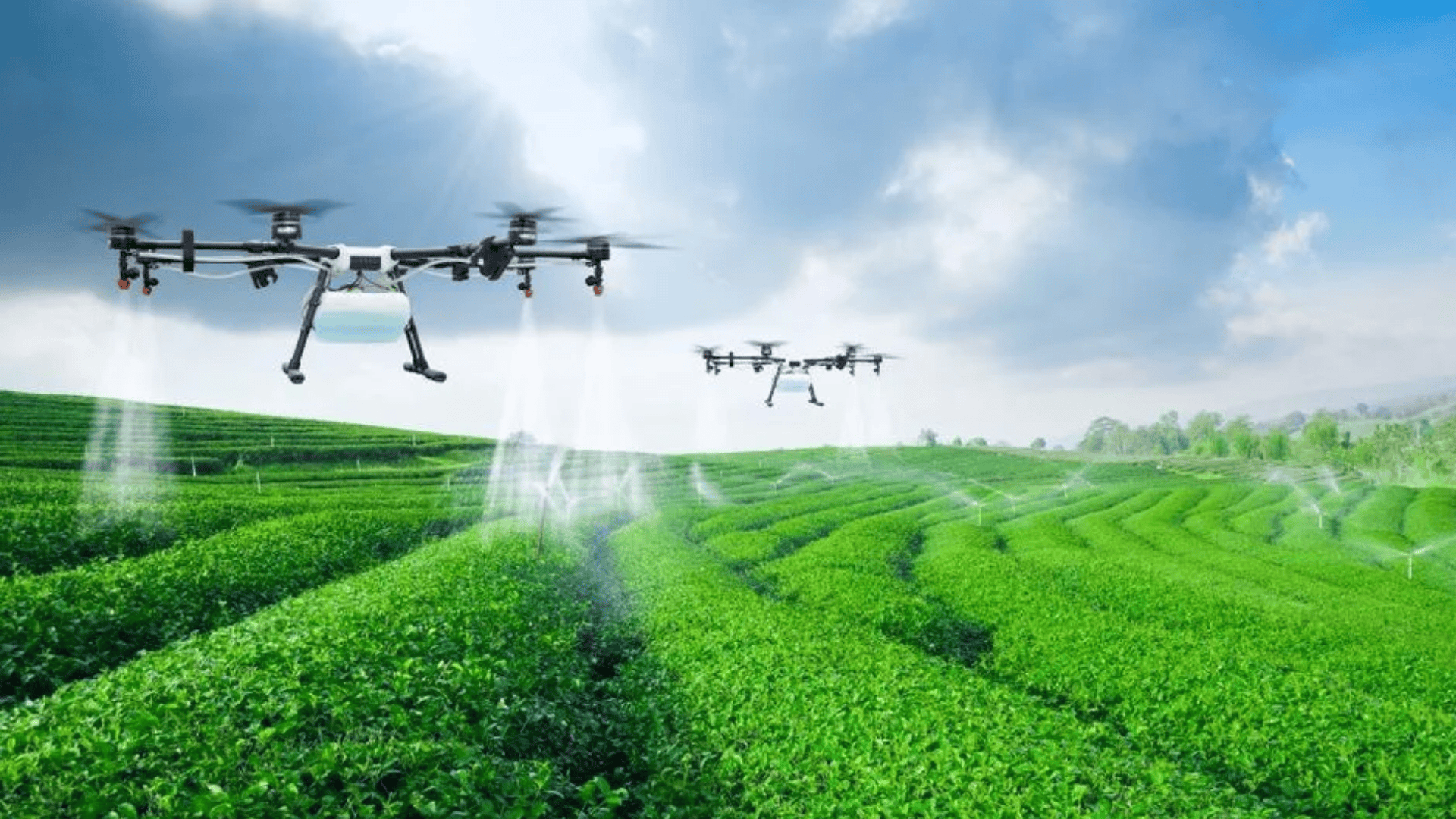
Price: $3,000–$20,000 | Range: 1.2–6.2 miles (2–10 km)
Agricultural drones are built tough for fields, using multi-rotor or fixed-wing bodies, and some carry spray gear under the frame.
Farmers use them for crop checks, targeted spraying, and soil spotting, which saves time when fields are large and spread out.
Battery life is often 20 to 40 minutes, range varies, and many support waypoint flying, so spray paths stay even and repeatable.
8. Delivery Drone
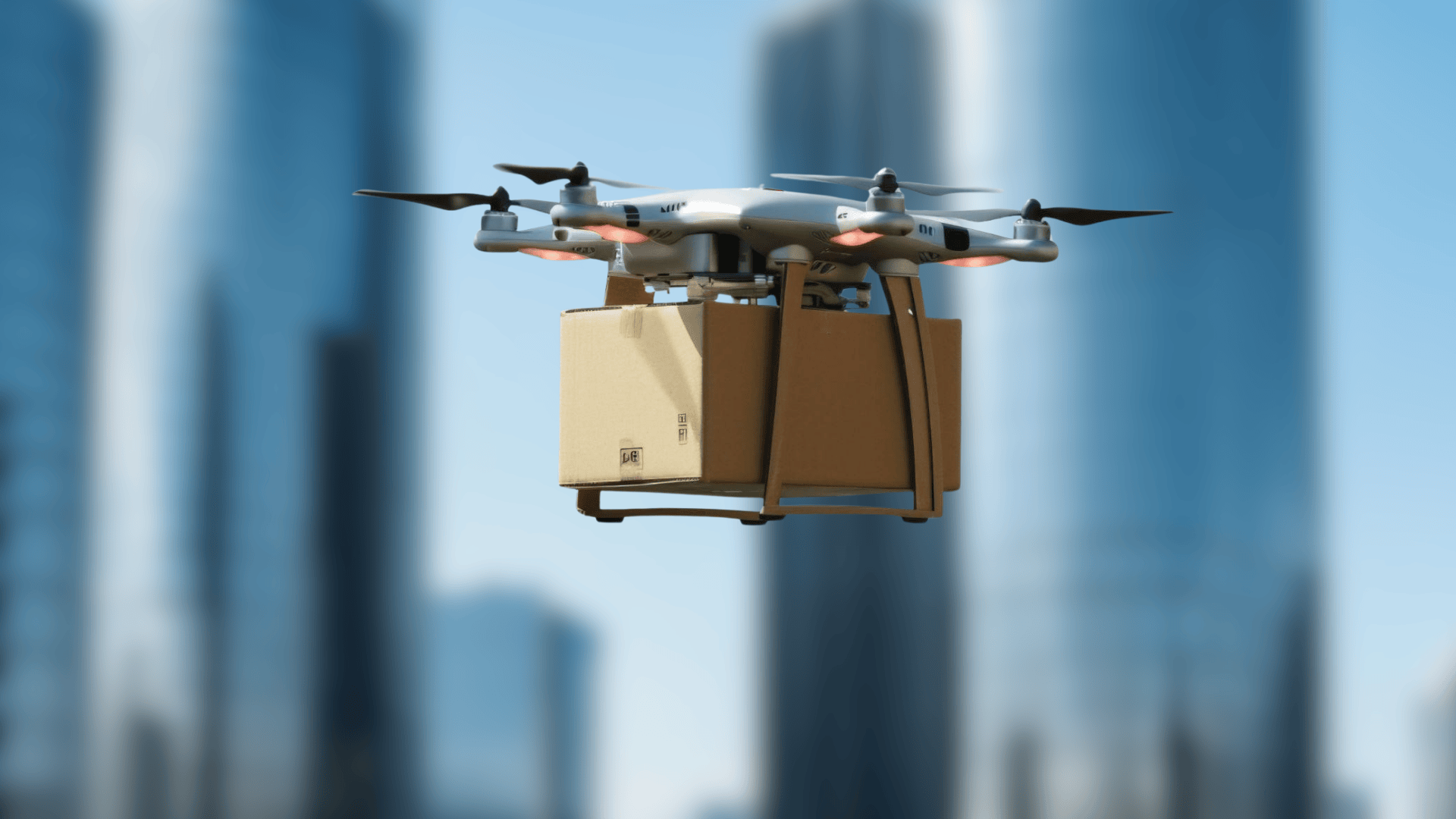
Price: $5,000–$40,000 | Range: 3.1–31.1 miles (5–50 km)
Delivery drones are usually multi-rotors with secure boxes, and some use hybrid setups so they can fly farther without draining fast.
They move packages like medical supplies and small orders, aiming for quick drop-offs when roads are slow or when locations are remote.
Battery life often sits around 20 to 45 minutes, and many systems rely on automated routes plus obstacle avoidance for safer flights.
9. Inspection Drone
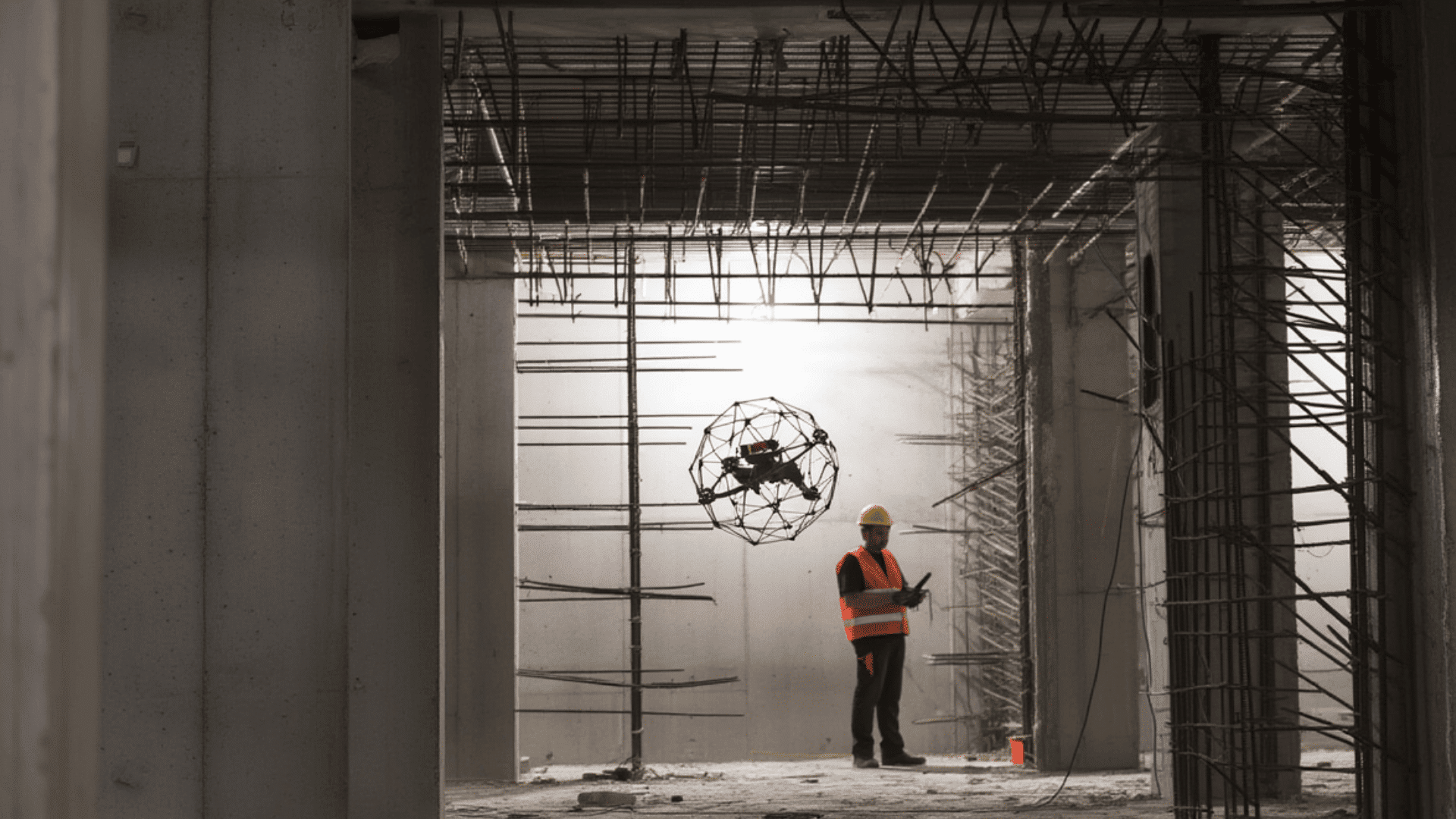
Price: $3,000–$50,000 | Range: 0.6–3.1 miles (1–5 km)
Inspection drones are compact multi-rotors packed with sensors, built to hover close to structures like bridges, towers, and power lines.
They help crews spot heat leaks, cracks, and damage without climbing, which reduces risk and speeds up routine checks.
Battery life can be 20 to 60 minutes, and tethered setups can run much longer, since power comes from the ground unit.
10. Photography and Videography Drone
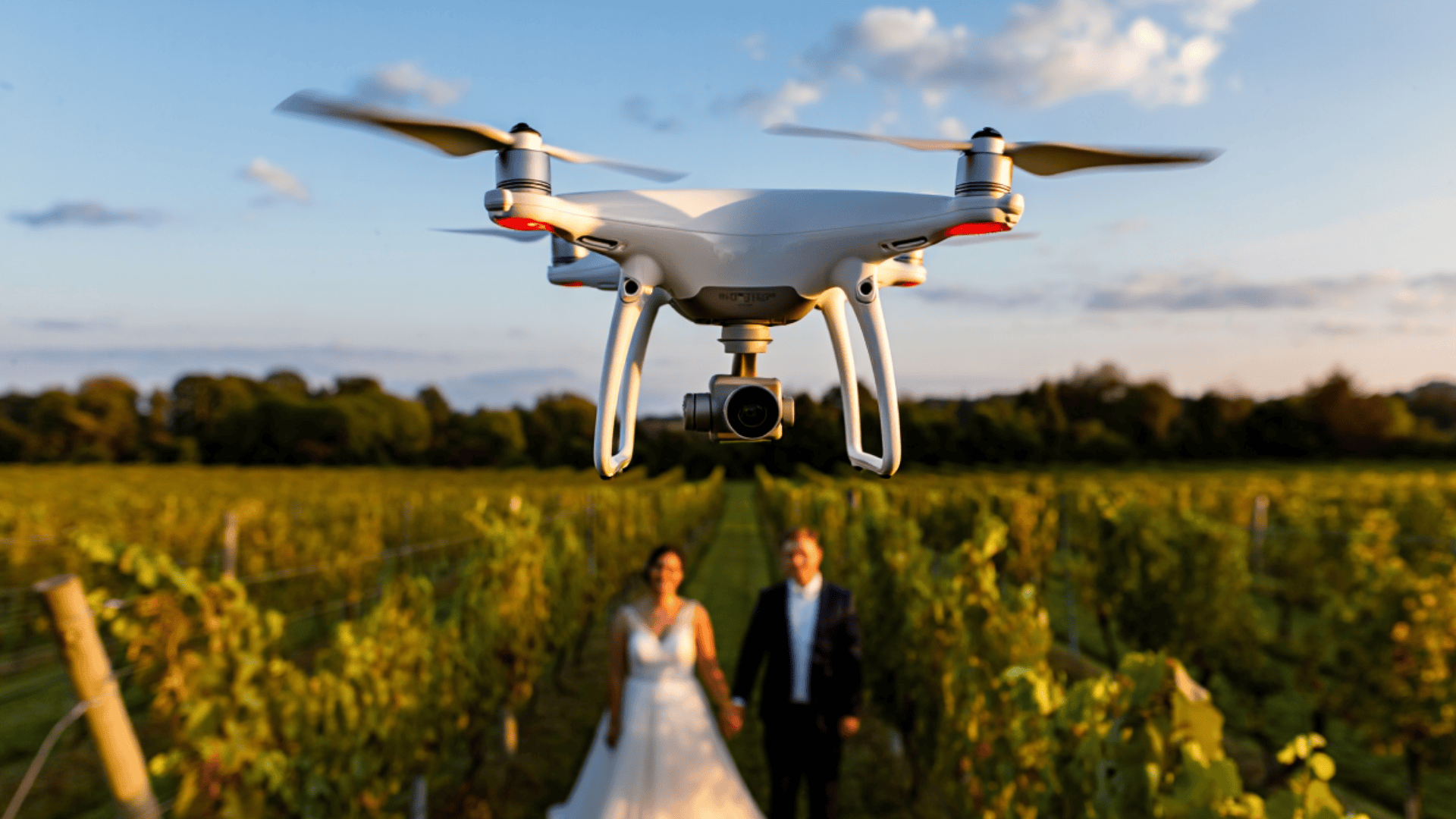
Price: $500–$10,000 | Range: 1.2–4.3 miles (2–7 km)
These drones are multi-rotors with camera gimbals, made for smooth shots that look clean, even when the drone is moving fast.
People use them for real estate, events, travel clips, and pro filming, since stable footage matters more than heavy carrying power.
Battery life often runs 25 to 35 minutes, and standard features include follow modes and orbit moves that help beginners get good shots.
11. Public Safety or Medical Drone
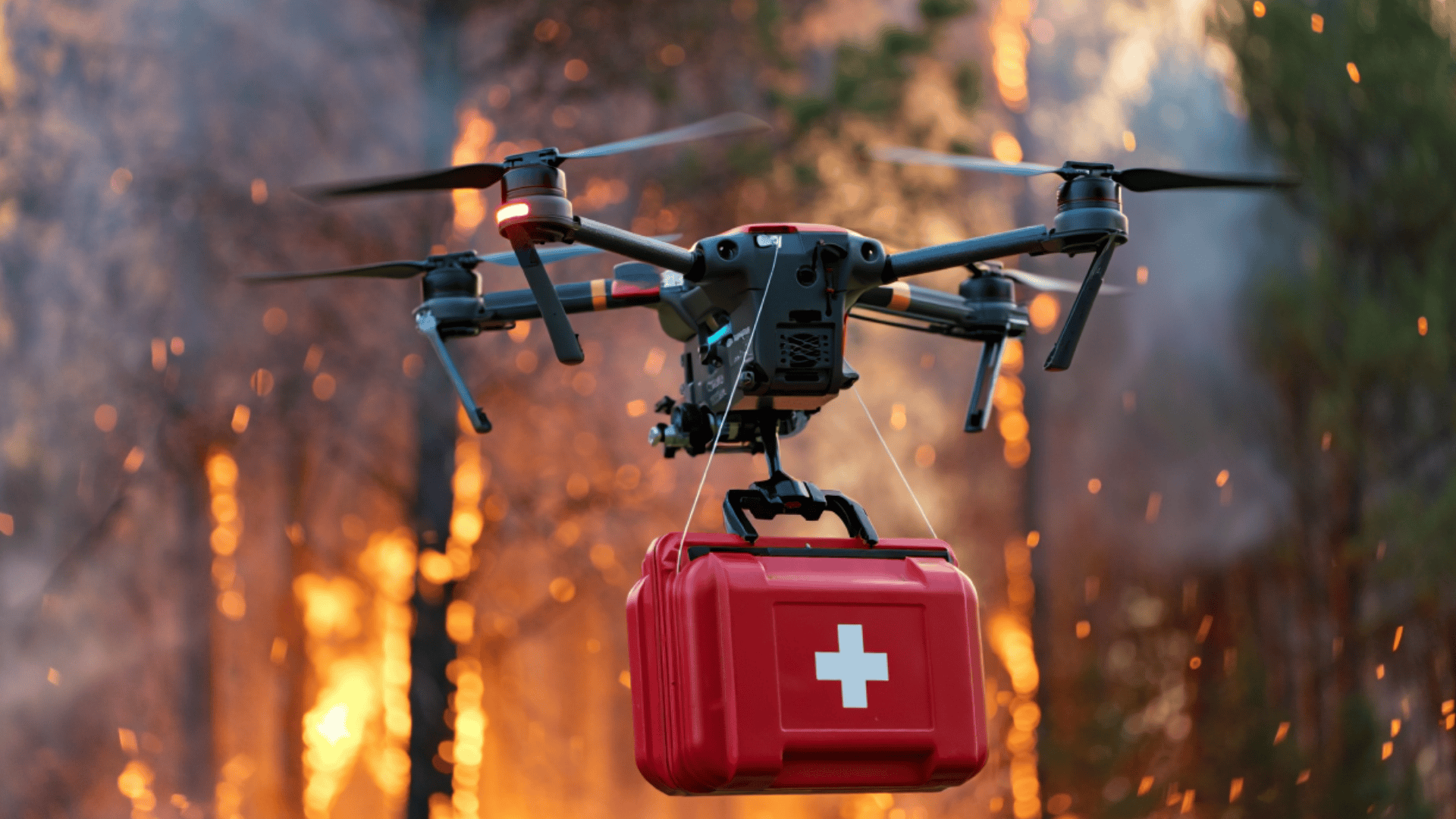
Price: $5,000–$50,000 | Range: 3.1–12.4 miles (5–20 km)
Public safety and medical drones are rugged multi-rotors or hybrids, built for fast response when time matters more than fancy extras.
They support search and rescue, quick area checks, and delivery of small medical kits, helping teams respond before ground crews arrive.
Battery life is often 30 to 60 minutes, and many carry thermal or night vision tools, plus routing systems for quicker dispatch.
12. Military Surveillance Drone
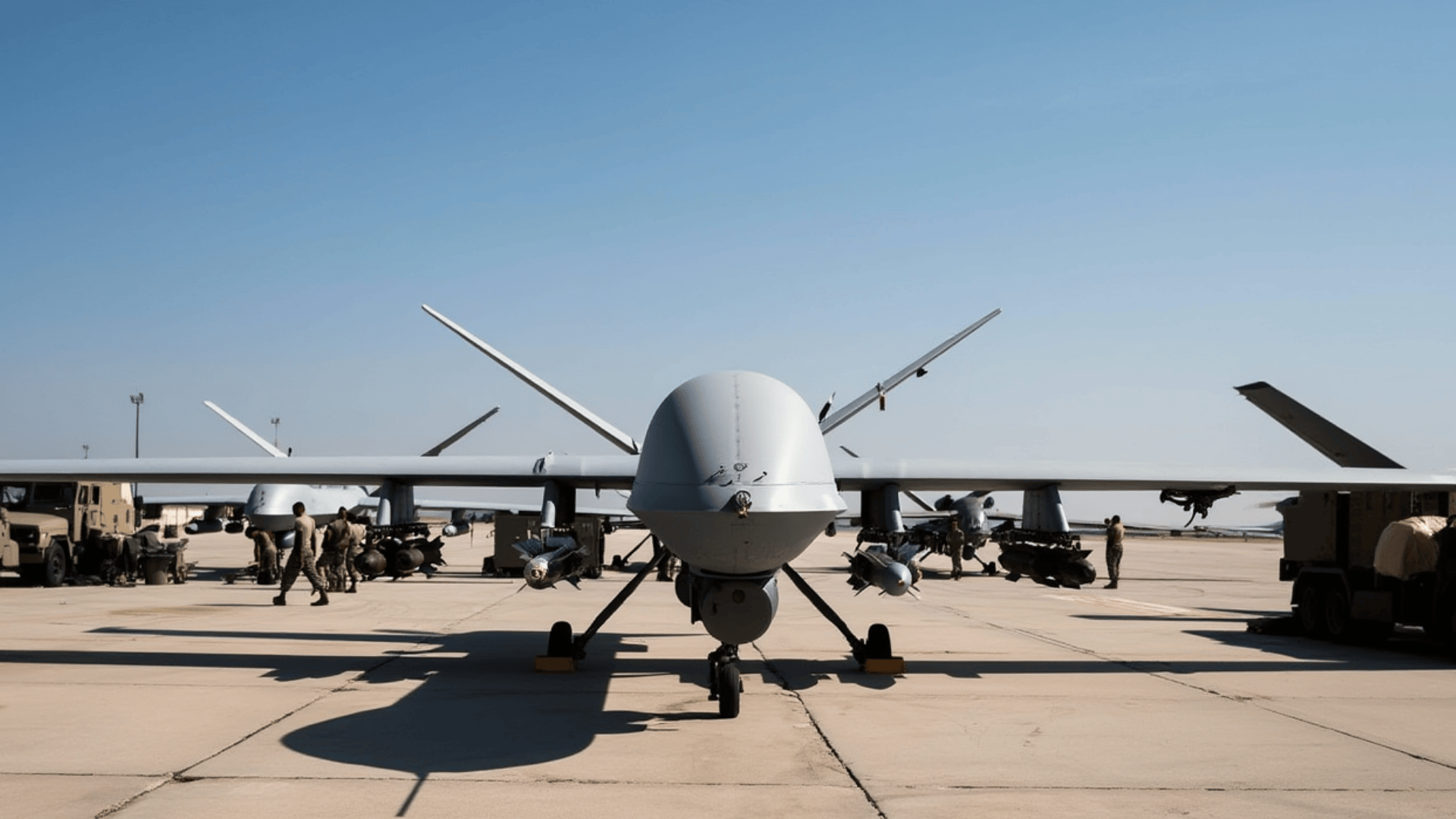
Price: N/A | Range: 62.1–621.4 miles (100–1,000 km)
Military surveillance drones are usually fixed-wing platforms built for long stays in the air, often using advanced links for remote control.
They are used for monitoring and information gathering across large areas, where long endurance and high altitude viewing are important.
Flight time can run 12 to 36 hours, the range is very large, and access is restricted, so you will not see them sold normally.
13. Military Combat Drone
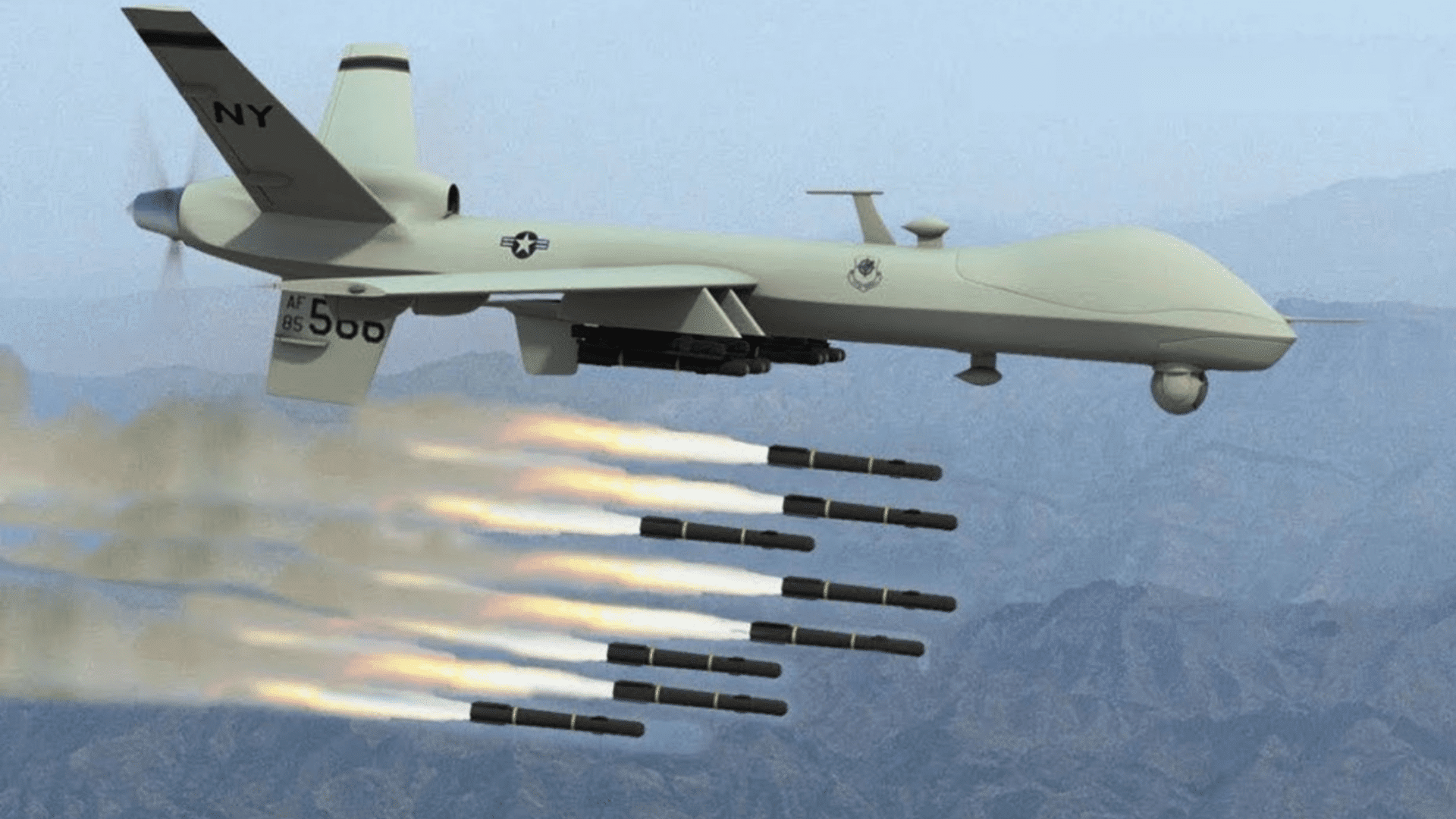
Price: N/A | Range: 6.2–31.1 miles (10–50 km)
This category includes restricted systems built for armed missions, often using fixed-wing bodies, guidance tools, and one-way flight designs.
They are not for public sale, and discussion around them is usually limited, since governments control details and access.
Range is often listed around 10 to 50 km, and loiter time can be 30 to 60 minutes, depending on platform design.
14. Surveying and Mapping Drone
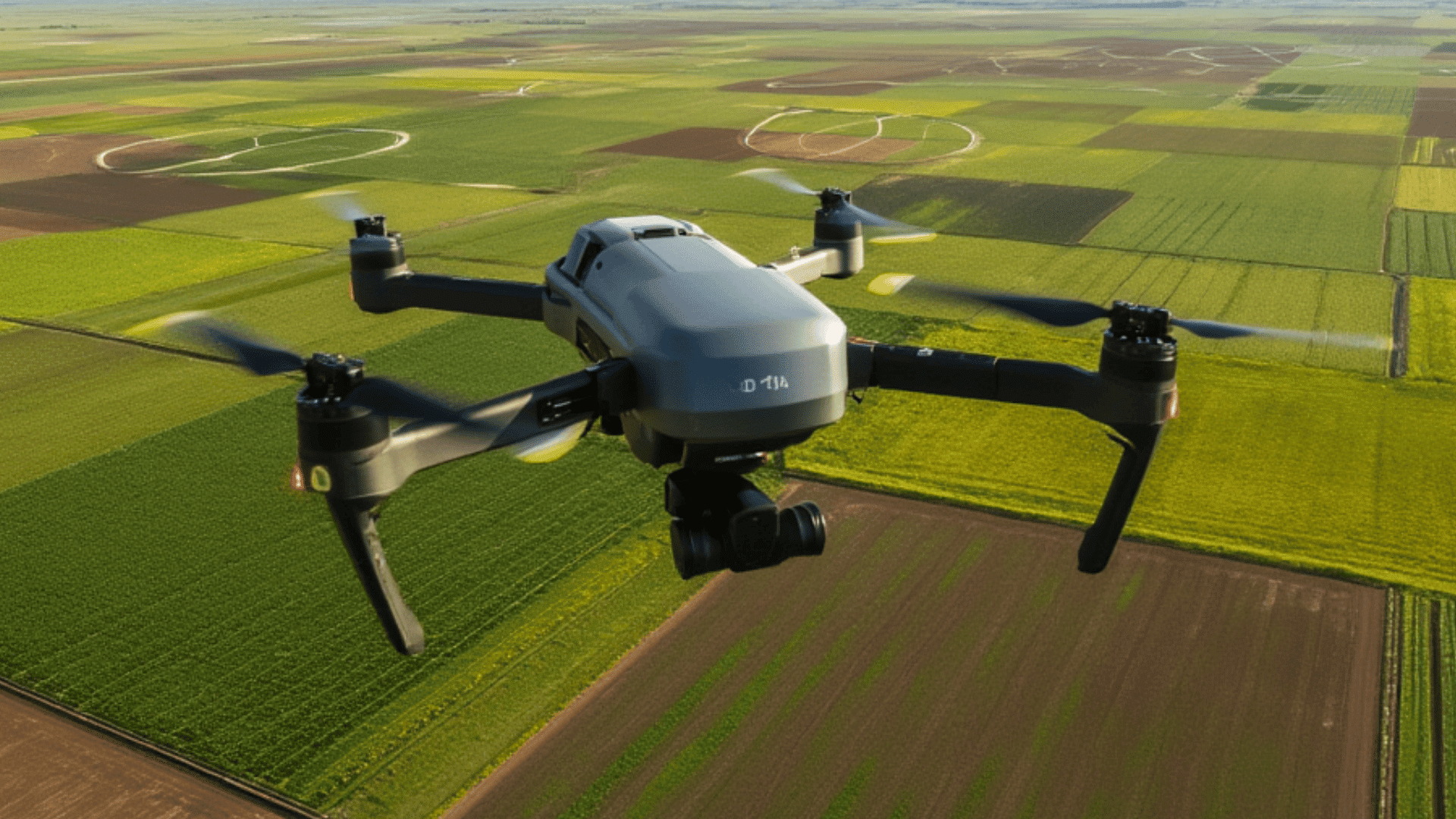
Price: $5,000–$25,000 | Range: 3.1–31.1 miles (5–50 km)
Surveying and mapping drones are fixed-wing or multi-rotor that pair cameras with high-accuracy GPS systems for clean data capture.
They are used for land surveys, construction progress, and topographic maps, helping teams measure large sites without walking every corner.
Battery life often runs 30 to 90 minutes, range can reach 50 km, and many fly grid patterns automatically for consistent coverage.
15. HALE Drone
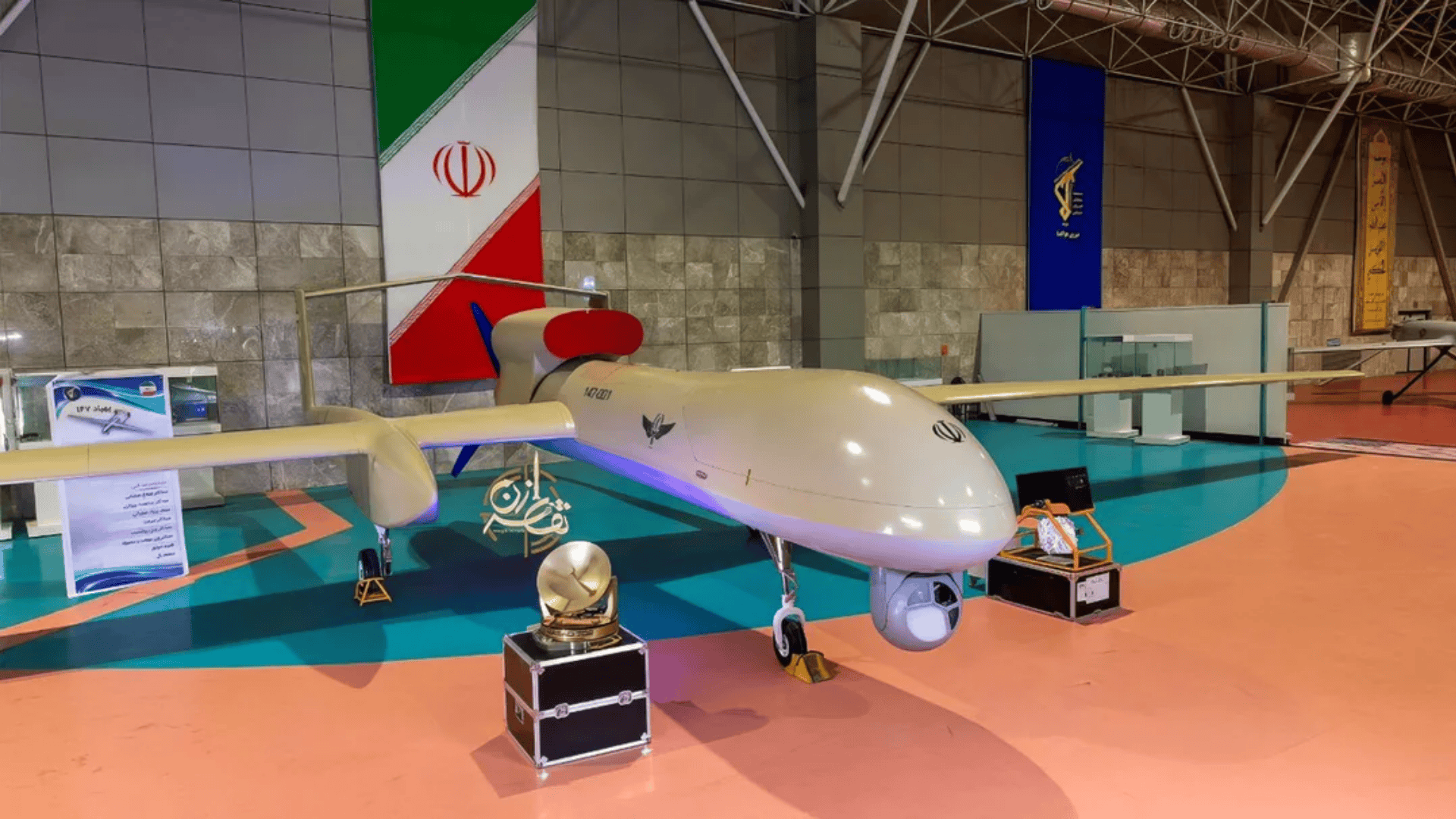
Price: N/A | Range: 621+ miles (1,000+ km)
HALE drones are large fixed-wing aircraft built to fly very high for long periods, sometimes using solar panels to support extended flights.
They are used for wide area monitoring, weather watching, and communication relay work, where staying up for days really matters.
Range is 1,000 km plus, endurance can stretch from days to months, and access is restricted, so this is not a normal buy.
16. Tricopter Drone
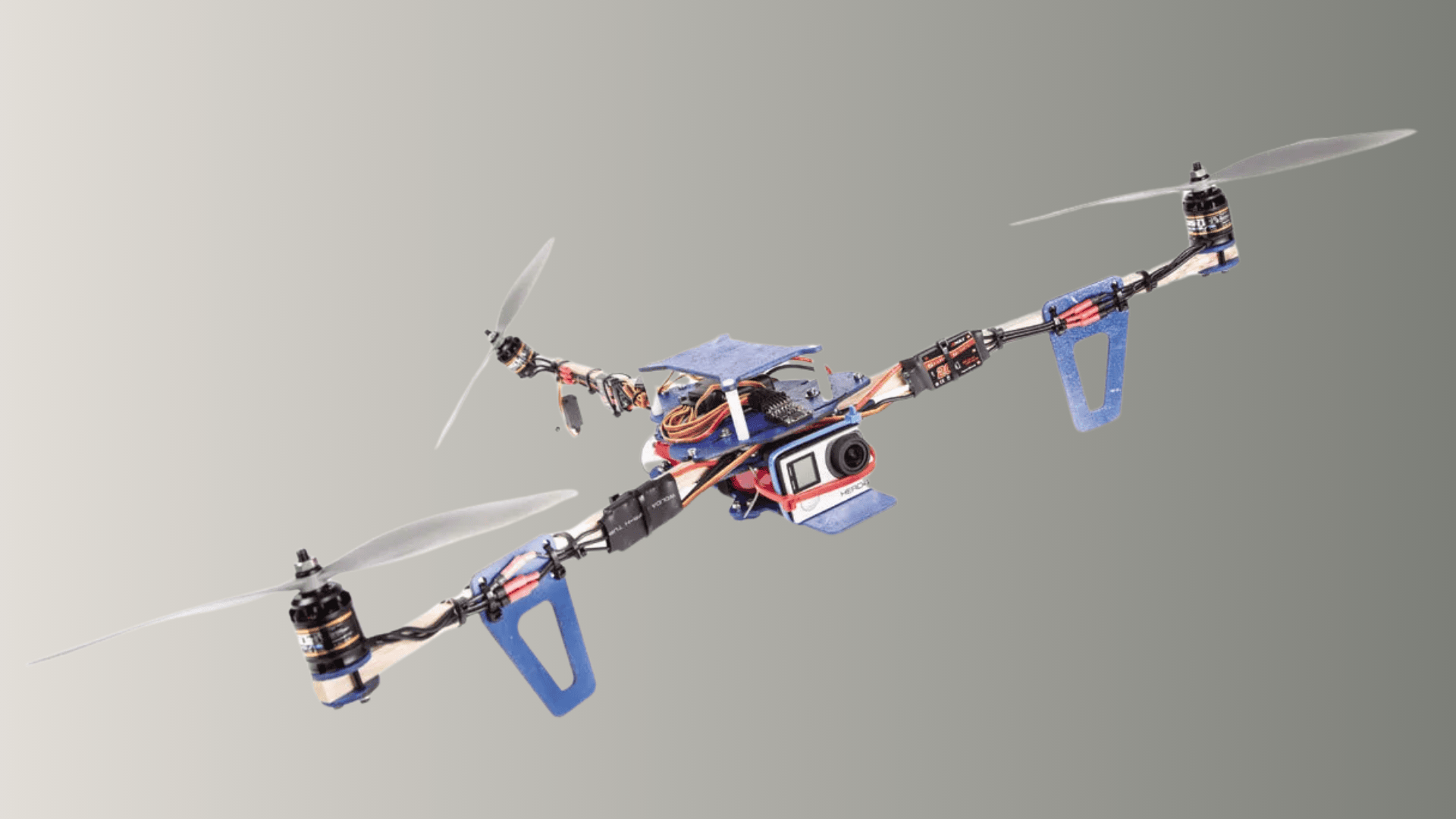
Price: $100–$500 | Range: 0.3–1.2 miles (0.5–2 km)
Tricopters use three rotors and a yaw setup that tilts one motor, which gives snappy turning and a fun DIY feel.
They are popular with hobby builders and FPV fans who like tuning and testing, since the setup rewards hands-on adjustment.
Battery life is often 10 to 20 minutes, range stays moderate, and flight can feel less stable, so practice time is important.
17. Blimp or Aerostat Drone
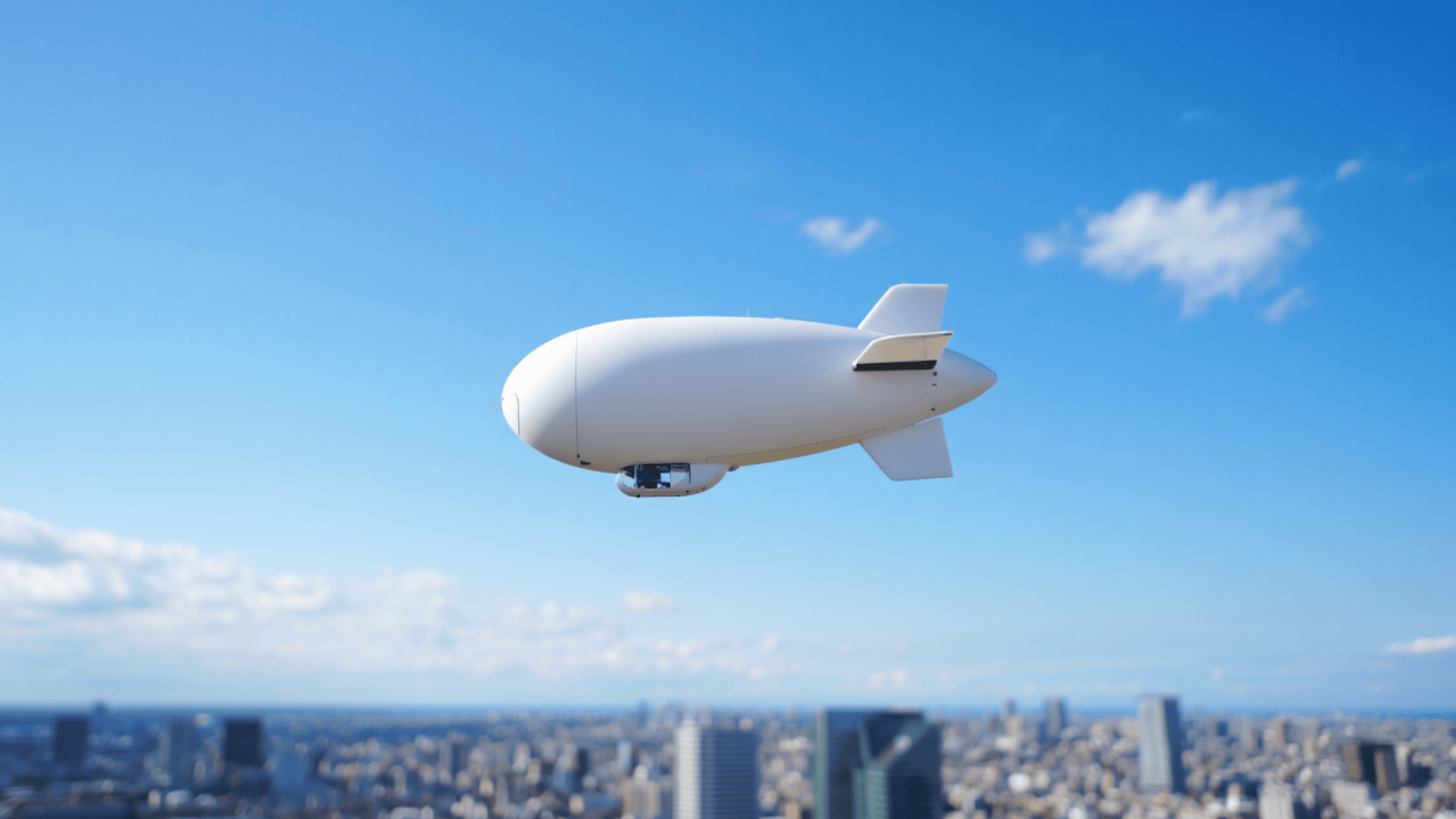
Price: $1,000–$10,000 | Range: 0.1–0.6 miles (0.1–1 km)
Blimp and aerostat drones float using helium, then use small thrusters to steer, making them slow but steady for long hovering.
They work for stationary viewing, event monitoring, simple ads, and science sampling, where quiet time overhead is the main goal.
Battery use is mainly for movement, so endurance can be hours to days, but outdoor wind can push them around easily.
18. Hexacopter Drone
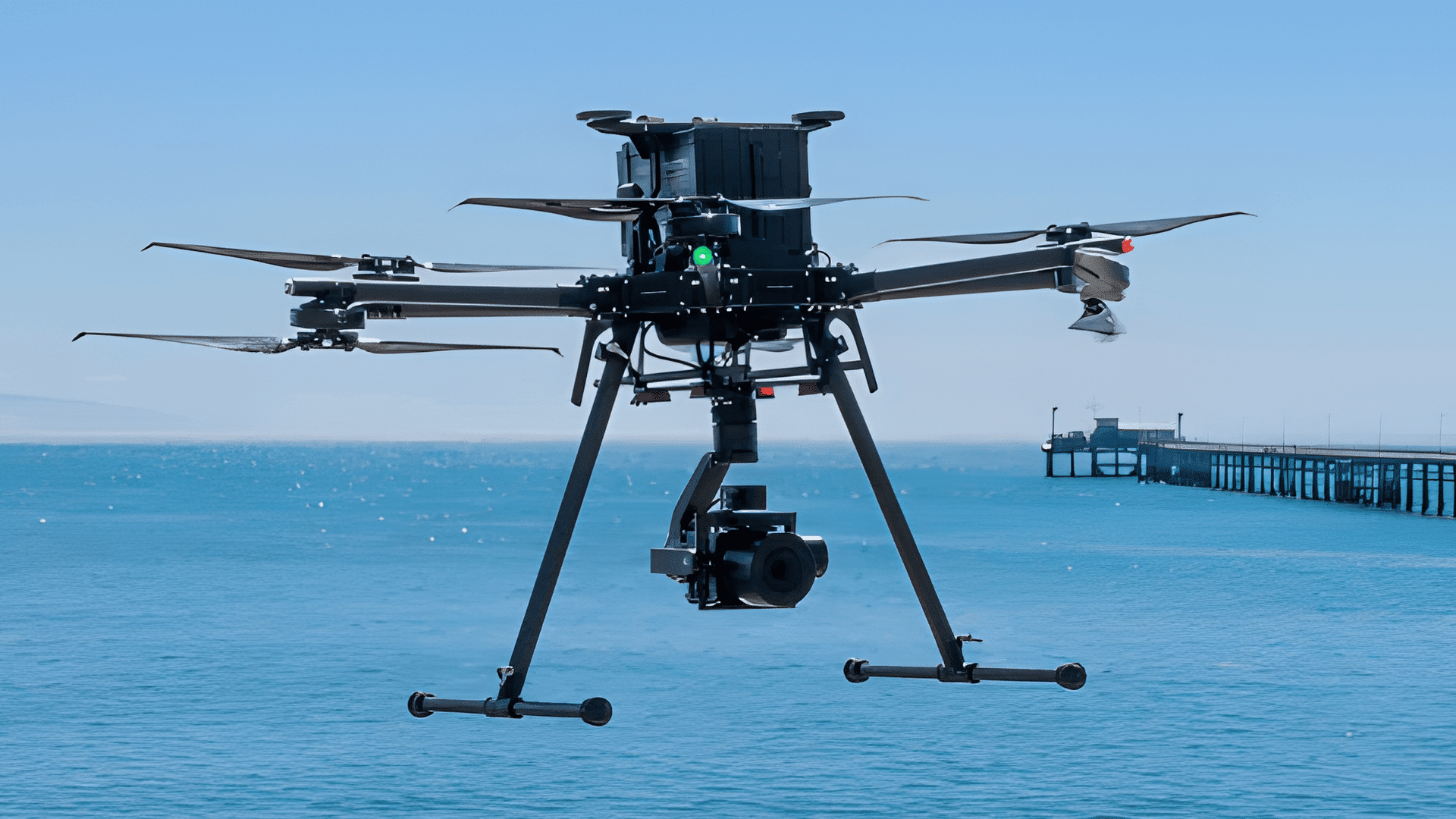
Price: $500–$3,000 | Range: 1.2–4.3 miles (2–7 km)
Hexacopters use six rotors, which adds extra lift and backup control, so they can stay flying even if one rotor fails.
They are common for pro video work, light surveys, and rescue support in windy areas, where stable hover matters a lot.
Battery life is often 20 to 40 minutes, range can reach 7 km, and many support planned routes for repeatable flight paths.
19. Octocopter Drone
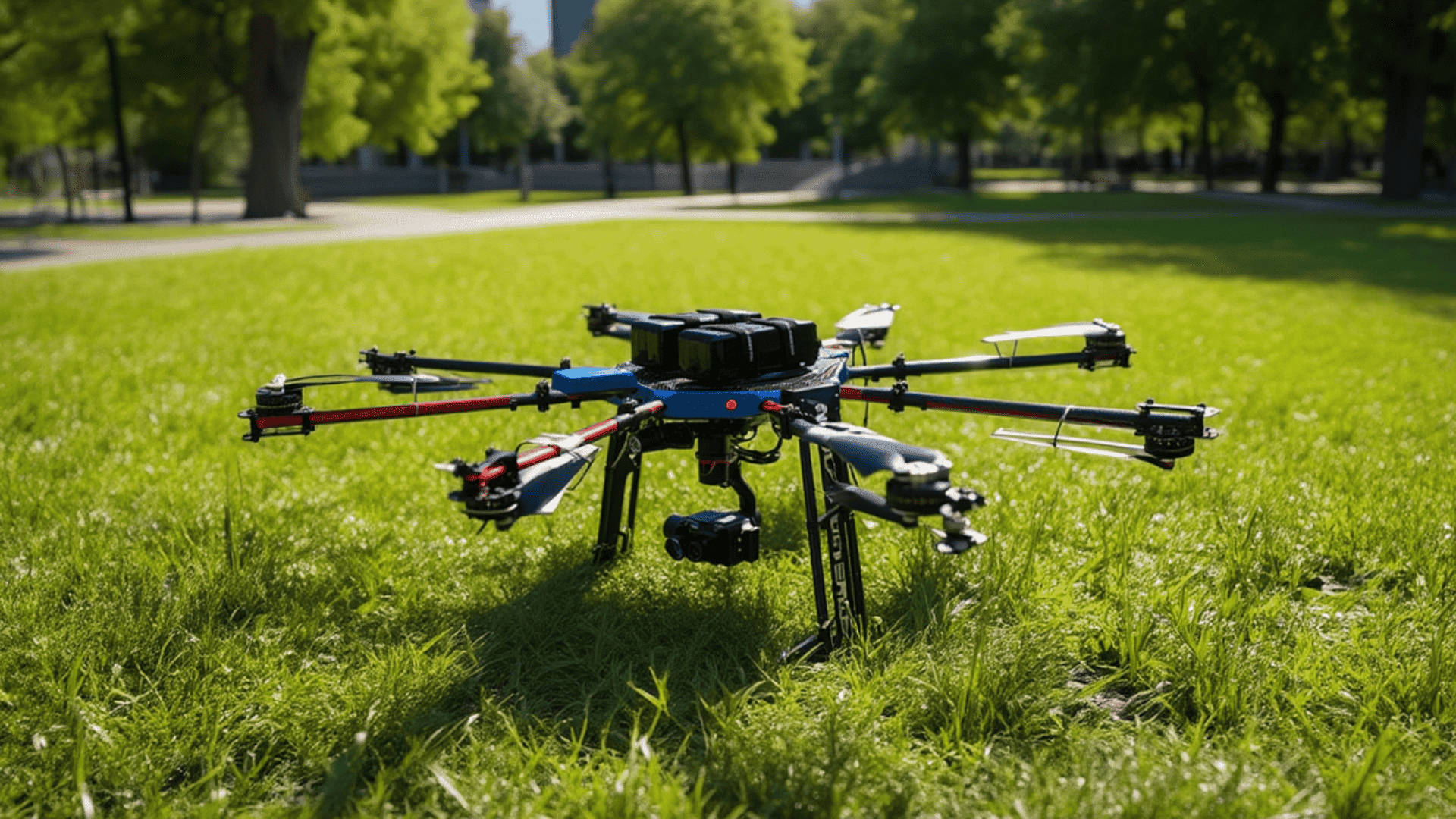
Price: $2,000–$10,000 | Range: 1.9–6.2 miles (3–10 km)
Octocopters use eight rotors on a larger frame, giving strong lift and better control in wind, especially when carrying heavier gear.
They are used for heavy camera rigs, industrial checks, and some farm tasks, where payload strength beats small size and speed.
Battery life often runs 15 to 25 minutes, range can reach 10 km, and redundant controls help keep flights steady during tough work.
Common Terms People Confuse With Drones
Many people mix drone-related terms and assume they all mean the same thing, but each word has a specific role, so let’s clear that confusion properly.
| Term | How It Differs From a Drone |
|---|---|
| UAV | Refers only to the aircraft itself, while drone is a casual term covering wider uses. |
| UAS | Includes the drone, controller, software, and communication links, not just the flying unit. |
| RPAS / RPA | Focuses on remote pilot control, while drones can also fly using automated systems. |
| Quadcopter | A drone type with four propellers, not a replacement word for all drones. |
| Multicopter | Covers drones with many rotors, while drone is a broader general label. |
| Airplane / Helicopter | These carry pilots onboard, unlike drones, which are unmanned and remotely operated. |
Understanding these differences helps avoid mix-ups when reading guides, rules, or product descriptions online.
How to Choose the Right Type of Drone for Your Needs?
Picking the right drone starts by knowing what job you want it to handle, instead of chasing features that sound cool but serve no real use.
- Purpose matters most, since photography favors multi-rotor drones while mapping tasks suit fixed-wing designs better.
- Budget sets limits, with hobby drones staying under $500 while professional tools often start around $1,000 or higher.
- Flight time matters, as more extended missions need better endurance, especially for survey or inspection work.
- Payload capacity is key if you plan to carry cameras, sensors, or tools during flights.
- Rules and range should match local laws, especially for weight limits and distance control rules.
- Durability helps outdoor users, since weather-resistant materials better handle rain, dust, and uneven terrain.
Choosing carefully avoids wasted money and helps your drone match your real needs from day one.
Future of Drone Types and Applications
Drone technology keeps improving fast, and newer drone types are showing up that go beyond what most people see today.
- eVTOL Passenger Drone: Built to carry people short distances, these drones focus on urban travel, but production stays low due to safety testing and strict flight rules.
- Solar Powered Drone: These drones use sunlight to extend flight time, but weather limits, high cost, and testing needs slow the widespread public use.
- Hydrogen Fuel Cell Drone: Designed for longer flights with cleaner power, these drones remain limited due to fuel storage rules and higher setup costs.
- Swarm Drone: Swarm systems involve many drones working together, but complex control systems and safety risks keep them mostly in controlled projects.
- Autonomous BVLOS Drone: These drones fly beyond visible range using software control, but laws, airspace limits, and trust issues restrict large-scale rollout.
Most of these drones remain limited because production is small, testing is ongoing, and many countries have not approved regular use yet, though future adoption looks possible.
Conclusion
Drones are changing faster than many people expect, and you can already see signs of bigger changes starting to take shape.
One day, they may handle tasks that feel normal, from faster deliveries to safer checks in places people cannot easily reach.
You may also notice new ideas growing, like flying in drone taxis or watching drones stay in the air longer through smarter power systems.
Though these changes may take time because rules, safety testing, and public trust must grow together before wide use becomes common.
I see this space as something worth watching closely, especially if you enjoy technology that quietly reshapes daily life around you.
What type of drone surprised you the most, or which future use feels exciting to you? Tell us, share with us in the comments below.