Direct-to-film (DTF) printing has been making waves in the printing industry, offering a flexible and high-quality alternative to traditional printing methods. From custom apparel to unique product designs, this technology is reshaping how businesses approach printing. In this article, we explore the evolution of DTF printing, the current trends shaping its future, and the innovations to look out for.
What is Direct-to-Film Printing?
Direct-to-film printing is a relatively new technology that allows designs to be printed directly onto a special film, which is then transferred to various surfaces like textiles, ceramics, and other materials. This method uses a printer to print the design onto a film coated with a special adhesive. The printed design is then heat-pressed onto the desired surface.
Unlike other methods like screen printing or direct-to-garment (DTG) printing, DTF printing offers greater flexibility and speed. It can be used on a wide range of materials, and the print quality remains high even after multiple washes.
The Early Days of DTF Printing
DTF printing didn’t just appear overnight. It’s the result of years of development and innovation. Early on, traditional methods like screen printing and heat transfer were the go-to for custom designs. However, these methods had their limitations. Screen printing required complicated setups for each color, making small runs costly. Heat transfer could be time-consuming and didn’t offer the best durability on all materials.
As demand for custom prints grew, so did the need for faster, more cost-effective methods. The introduction of DTF printing allowed businesses to overcome many of the challenges faced by earlier methods. As printers and technology improved, DTF gained traction, especially for small businesses and those in need of on-demand printing solutions. The demand for high-quality, customizable products led to its growth, and now, it is widely recognized for its efficiency and versatility.
Key Trends Shaping the Future of DTF Printing
1. Increased Adoption Across Industries
One of the most notable trends in DTF printing is its increasing adoption across various industries. Originally popular in the custom apparel sector, DTF printing is now used in a wide range of applications, including home décor, promotional products, and accessories. Its ability to print on diverse materials such as cotton, polyester, leather, and even wood has expanded its appeal to a broader audience.
The flexibility of DTF printing is particularly attractive to small businesses and entrepreneurs. It offers a way to create high-quality, customized products quickly and affordably, allowing them to compete in markets that were once dominated by larger companies with bigger budgets.
2. Advancements in Printer Technology
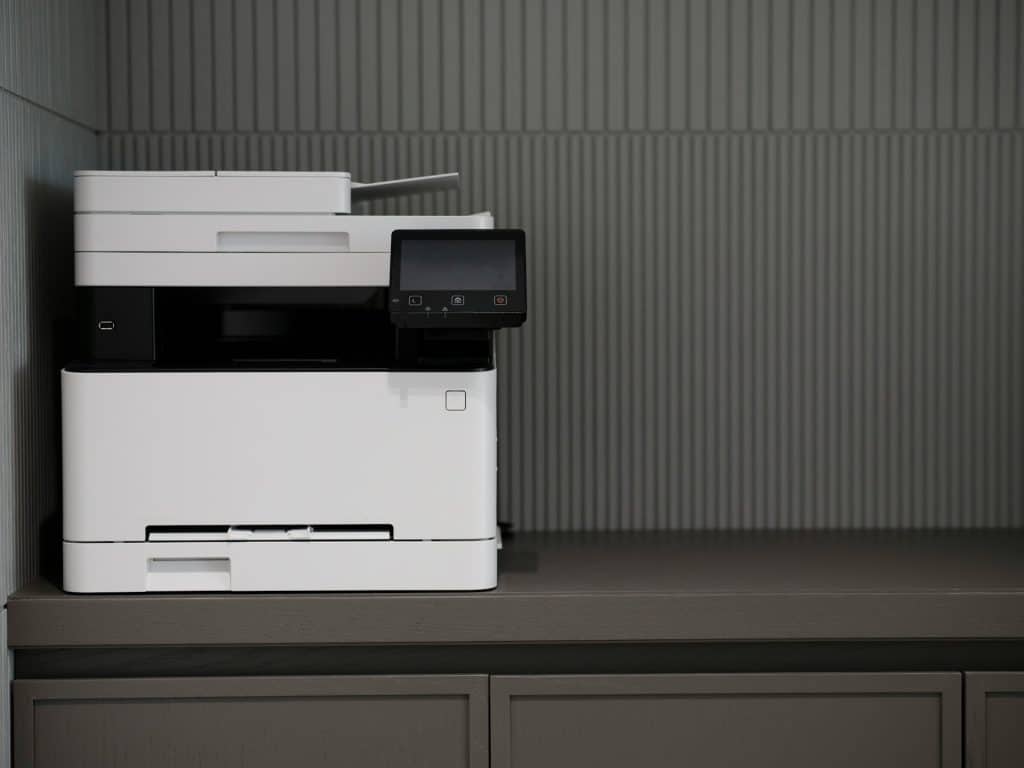
As DTF printing continues to evolve, so does the technology behind it. Modern DTF printers are faster, more efficient, and more precise than ever before. Many newer models offer higher resolutions, ensuring sharper and more vibrant prints. This has made DTF a go-to solution for businesses that need fine details and accurate color reproduction.
The development of better print heads and ink systems has also contributed to improved print quality and durability. Newer printers are able to handle a wider range of materials, giving businesses even more options for creating custom products. With these advancements, DTF printing is becoming increasingly competitive with other methods like screen printing and DTG.
3. Eco-Friendly Printing Solutions
Sustainability has become a driving factor in many industries, and DTF printing is no exception. There has been a notable shift toward eco-friendly printing solutions in recent years. The use of water-based inks and non-toxic films has become more common, helping reduce the environmental impact of printing operations.
Many companies are now opting for DTF printing as a more eco-conscious alternative to traditional methods, particularly because it generates less waste. The ability to print on-demand means that businesses can produce only what is needed, reducing inventory waste and overproduction.
4. Integration with Automation
As businesses look for ways to streamline production processes, automation has become a key trend in DTF printing. Automated systems can handle tasks like curing, film handling, and even printhead maintenance, making the process faster and more efficient. These innovations allow businesses to scale up operations without sacrificing quality or speed.
Automating certain aspects of the DTF printing process has also helped reduce labor costs and minimize human error, which is particularly valuable in high-volume operations. As automation technology continues to improve, it will be interesting to see how it further enhances the capabilities of DTF printing.
Innovations to Watch in DTF Printing
1. Better Transfer Films and Inks
One of the key areas of innovation in DTF printing is the development of better transfer films and inks. New materials are constantly being introduced to improve print durability, color accuracy, and overall performance. For example, some newer transfer films are designed to better adhere to fabrics and other materials, resulting in longer-lasting prints that won’t fade or peel.
Additionally, advancements in ink technology, such as the use of water-based and eco-friendly inks, are making DTF printing more sustainable. These inks are not only better for the environment, but they also offer improved durability and color fidelity, which is crucial for businesses looking to offer high-quality prints.
2. Faster and More Efficient Printers
As demand for DTF printing grows, so does the need for faster and more efficient printers. Newer DTF printers are equipped with faster print speeds, improved printheads, and better ink distribution systems. This allows businesses to produce high-quality prints in a fraction of the time it would take with older models.
In addition to speed, newer printers are also more efficient in terms of ink usage. This not only helps reduce costs but also minimizes waste, which is another important factor for businesses looking to operate sustainably.
3. 3D Printing Integration
Another exciting innovation on the horizon for DTF printing is the potential integration with 3D printing technology. The combination of DTF printing’s vibrant colors and 3D printing’s tactile effects could open up a new world of creative possibilities. Imagine custom apparel or accessories that not only feature intricate designs but also have raised or textured elements for added visual appeal.
While this is still in its early stages, the potential for 3D printing integration could push the boundaries of what’s possible with DTF printing.
4. Direct-to-Film Printing for Mixed Media Projects
DTF printing is already versatile, but the future may hold even more possibilities as it begins to merge with other printing technologies. For example, combining DTF with UV printing or sublimation could allow businesses to produce multi-dimensional, mixed-media designs that were previously difficult or impossible to achieve.
As these hybrid printing methods continue to develop, they will likely give rise to new trends and creative opportunities for designers and businesses alike.
Challenges and Solutions in DTF Printing
Despite its many advantages, DTF printing is not without its challenges. One of the main concerns is the initial cost of setting up a DTF printer. While prices have come down over the years, the upfront investment can still be significant for small businesses. However, as DTF printing continues to mature, the cost of equipment and supplies is expected to decrease further.
Material compatibility can also pose challenges, particularly when working with different types of fabrics or substrates. However, as technology improves, manufacturers are introducing more versatile films and inks that can work with a wider range of materials.
The Impact of DTF Printing on the Global Market
DTF printing has had a significant impact on the global market, particularly for small businesses. The ability to offer on-demand, high-quality custom prints has democratized the printing industry, making it easier for entrepreneurs to enter the market. Additionally, the rise of e-commerce has driven demand for customizable products, and DTF printing is ideally suited to meet that demand.
As the technology continues to improve, DTF printing will likely play an even larger role in global manufacturing, offering businesses of all sizes a cost-effective and versatile solution for their printing needs.
Conclusion
DTF printing has come a long way since its inception, and its evolution shows no signs of slowing down. With new innovations on the horizon and continued advancements in technology, the future of DTF printing looks bright. Whether you’re a small business owner or part of a larger enterprise, embracing DTF printing can help you stay ahead of the curve and meet the growing demand for customized, high-quality products.