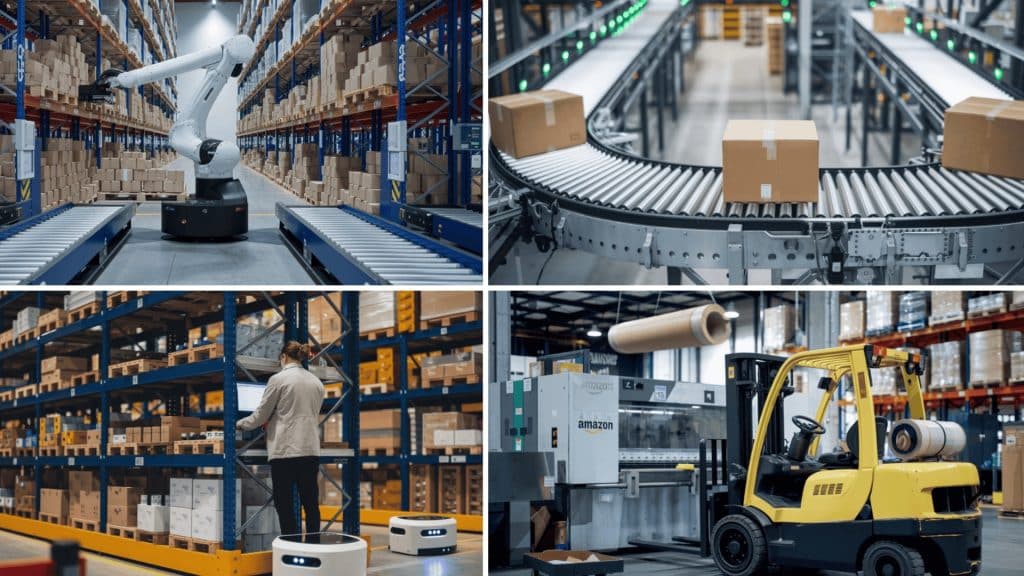
Automated warehouse systems have changed how I look at storage, order handling, and daily operations.
If you’re trying to make your own warehouse run smoother, this guide will help you understand what these systems are, why they matter, and how they fit into real work.
In this blog, I will share different types of automated tools, the main benefits, and what you should think about before choosing one.
You’ll also learn about cost factors and common issues that come up when teams shift from manual to automated work.
By the end, you’ll have a solid picture of what modern automation can do and how it may help your warehouse grow.
What is Warehouse Automation?
Warehouse automation uses machines and software to handle jobs that people once did by hand. It helps move items, track orders, manage inventory, and speed up daily tasks.
The main idea is simple: cut extra steps and reduce errors so work becomes faster and more accurate.
Automated systems follow set rules, so you get the same results every time. This makes planning easier and lowers the chance of mistakes.
Some tools handle small tasks, while others manage large parts of the warehouse.
Automation does not replace every job. Instead, it helps teams focus on work that needs human judgment. You can start small with tools that fit your current setup.
Many businesses add more features as they grow. The goal is to create a workflow that is steady, safe, and easy to manage.
Benefits of Automated Warehouse Systems
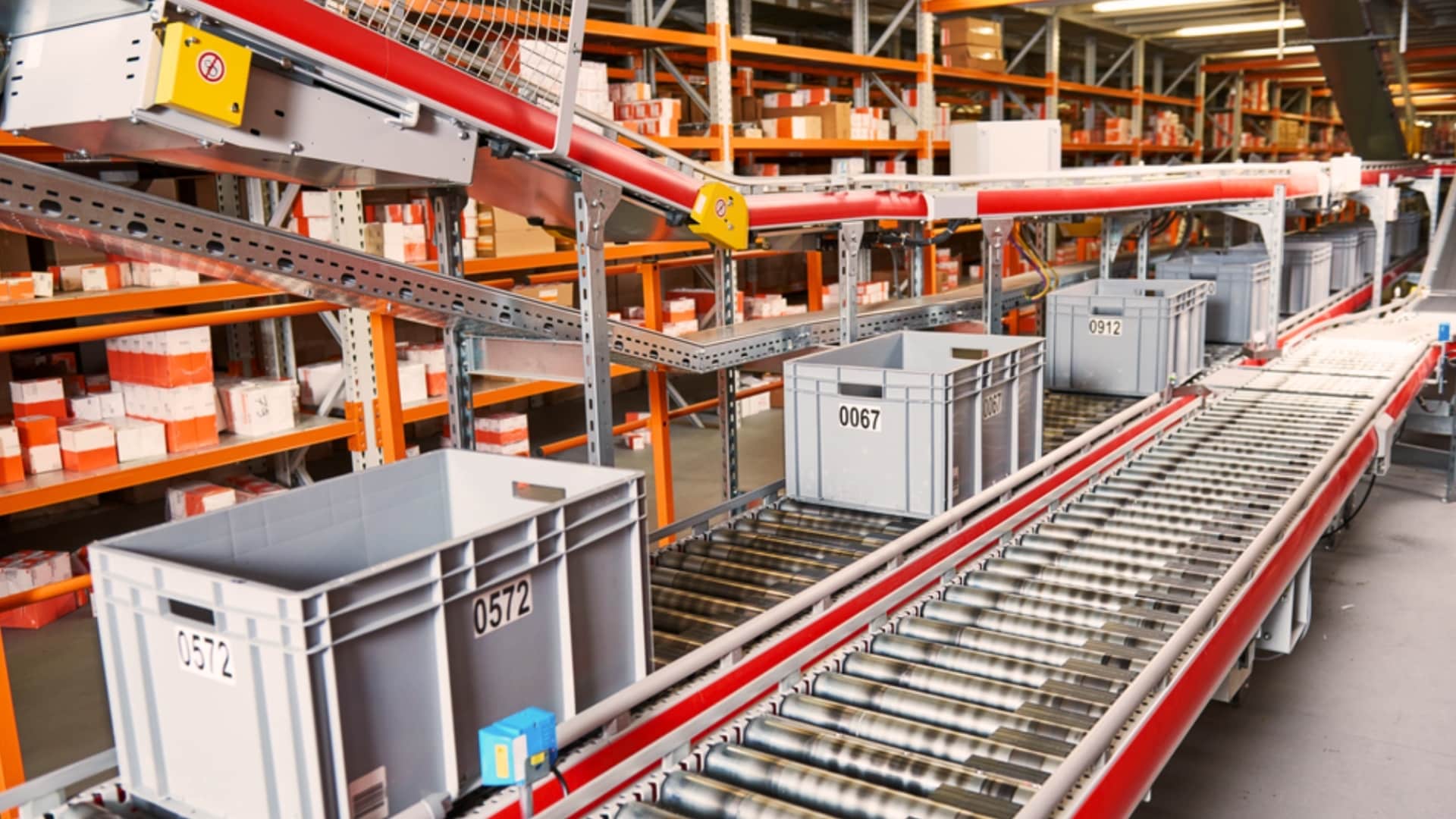
Warehouse automation offers several key benefits that improve daily operations. These are the main advantages businesses see after implementing these systems:
1. Higher Accuracy
Automation reduces mistakes during picking, packing, and inventory checks by following clear, repeatable steps.
This gives you steady results each day and lowers the risk of missing items or sending the wrong orders. When errors drop, returns and customer complaints also decrease, saving your team time.
With routine tasks handled by machines, your staff can focus on careful checks and special orders. This creates a workflow that feels steady, reliable, and easier to manage as your warehouse grows.
2. Faster Order Processing
Automated tools move products quickly through each stage of the order cycle, from scanning to sorting. This helps you deliver on time, even during busy seasons.
By removing slow, repeated manual tasks, your team can work with fewer delays and keep orders flowing.
Faster processing also helps reduce bottlenecks that often build up during packing or shipping. As your system handles routine steps, you gain more time to manage exceptions and last-minute requests.
This leads to smoother operations and quicker customer deliveries.
3. Better Space Use
Automation helps you use warehouse space more efficiently and in a cleaner, more organized way.
Automated storage systems let you stack products higher, group items by clear rules, and open up crowded aisles. This makes daily movement easier and cuts the time spent searching for items.
When space is used well, your warehouse can handle more products without needing major changes. Good layout planning also improves safety by reducing clutter.
As your needs grow, automated systems make it easier to adjust shelves and storage zones with predictable movement and structure.
4. Lower Labor Costs
Automated systems handle routine tasks that typically require additional staffing, especially during peak periods.
This helps you manage labor costs without reducing your output. Your team can shift toward quality checks, problem-solving, and other work that adds more value.
Over time, this reduces overtime costs and lowers the need for constant training on repetitive tasks.
Automation also helps prevent burnout by handling heavy or repetitive work. A more balanced workload supports steady productivity and helps your warehouse operate with fewer interruptions.
5. Higher Productivity
Automation keeps every step of the warehouse process moving at a steady pace.
Machines run continuously, eliminating slowdowns and allowing your team to focus on tasks that require human decision-making.
As routine jobs run smoothly, you can process more orders in the same amount of time. This boost in daily output helps you meet growing customer demand without overloading your staff.
When your warehouse runs with fewer delays, planning becomes easier, and the operation feels more controlled. This steady workflow supports long-term growth and reliability.
How Automated Warehouse Solutions Work?
Automated warehouse solutions use machines and software to handle tasks that were once done by hand.
These systems follow clear steps to move items, track stock, and send orders through each stage. The goal is to cut extra steps and keep tasks consistent, so work stays steady throughout the day.
Tools like scanners, conveyors, and robotic arms communicate with a central system that assigns each tool its job.
This helps items move in the right order without delays. You get real-time updates, so you always know what is in stock and what needs attention.
Automation does not replace every role. It supports your team by taking over repeated tasks that slow them down.
Over time, this setup makes daily work easier to manage and helps your warehouse handle more orders with less strain.
Types of Automated Warehouse Systems
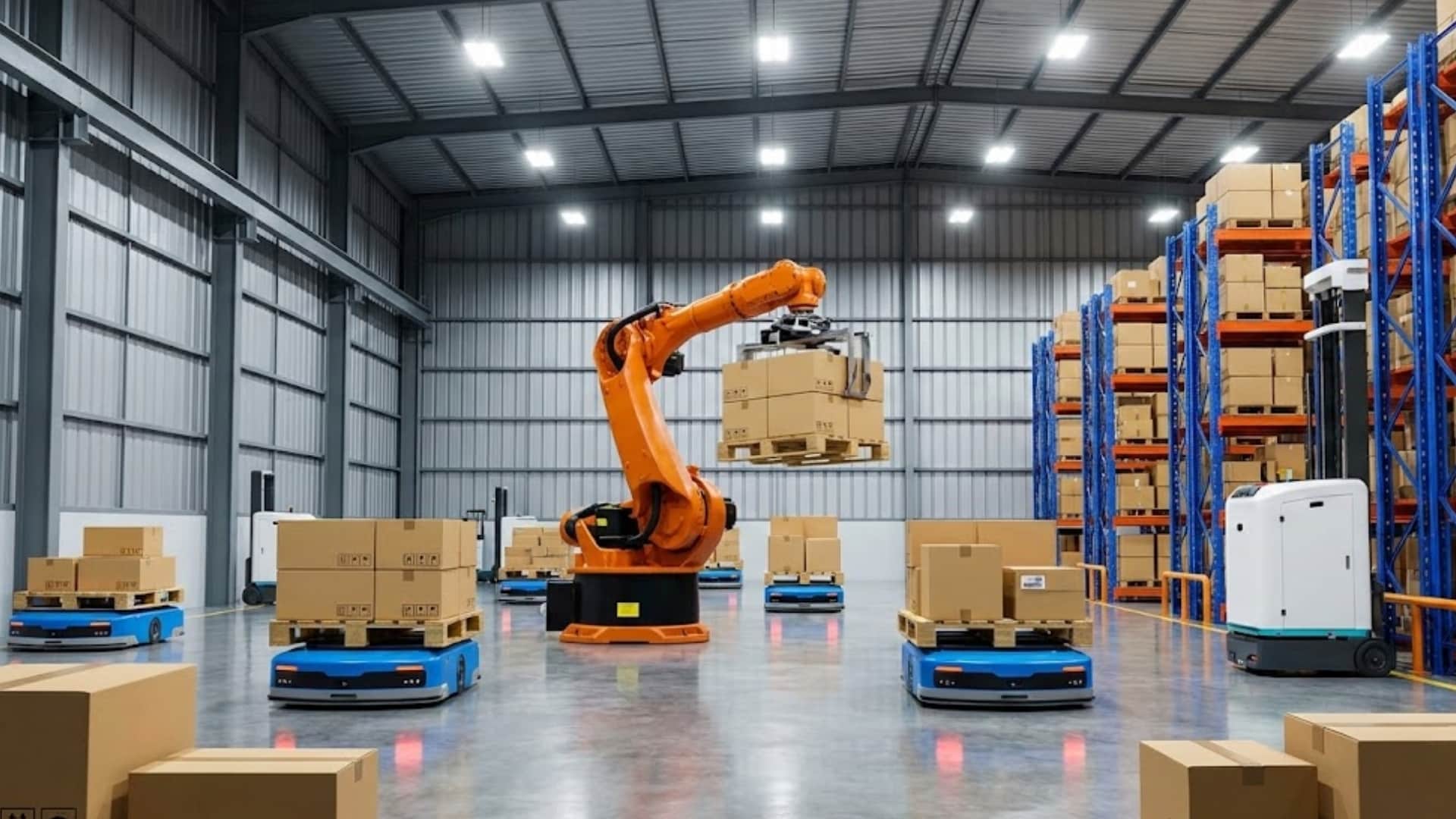
Different operations require different automation approaches. These are the most common systems used across industries:
1. Unit Load AS/RS
Automated Storage and Retrieval Systems(AS/RS) for unit loads manage pallet-sized items with precision.
These systems use cranes or shuttles that run on fixed rails to store and retrieve full pallets from high-density rack structures.
Unit load AS/RS works well for facilities handling standardized pallet loads and needing vertical space optimization.
The automated cranes reduce product damage during storage and retrieval while maintaining predictable cycle times throughout operations.
Advantages:
- Can reach heights of 100 feet or more
- Ideal for warehouses with limited floor space
- Operates continuously with consistent timing
- Eliminates the variability of manual forklift operations
2. Mini Load AS/RS
Mini Load AS/RS handles small containers, bins, and totes instead of full pallets.
It works like the unit load system but on a smaller scale and is built specifically for smaller items that don’t need an entire pallet.
These systems are suitable for parts distribution centers, pharmaceutical operations, and electronics fulfillment, where items don’t fill entire pallets.
Mini load AS/RS maintains fast retrieval speeds while maximizing storage density for small-item operations.
Advantages:
- Excel at managing high-SKU inventories with quick access
- Compact design allows for dense storage of small items
- Process orders faster than manual picking methods
- Maintain accurate inventory counts through automated tracking
3. Shuttle Systems
Shuttle systems pack products tightly and retrieve them quickly, with small robots moving sideways inside storage racks to bring items to pickup areas.
Each shuttle operates independently on its own level, creating a flexible and efficient storage solution.
These systems excel at operations that require quick order turnaround and minimal aisle space.
Shuttle systems work particularly well for facilities with seasonal volume changes or batch-picking requirements, where speed matters most.
Advantages:
- Multiple shuttles work simultaneously on different levels
- Create high throughput rates during peak periods
- Modular design allows adding more shuttles as demand grows
- No need to rebuild the entire system for expansion
4. Conveyor Systems
Conveyors create continuous flow throughout the facility, moving items between receiving, storage, picking, and shipping zones.
Belt, roller, and overhead conveyor varieties connect different work areas. Modern conveyor systems adjust speed and routing based on destination codes or weight measurements.
Properly designed networks improve both safety and efficiency while reducing the time products spend waiting for transport.
Advantages:
- Include sensors and controls for automatic routing
- Handle various package sizes and weights
- Eliminate bottlenecks between zones
- Reduce the need for forklifts moving between areas
5. Sortation Systems
Sortation systems automatically send packages to the right places, using barcode readers and sensors to direct items into the correct lanes.
The system scans each package and makes instant routing decisions as items move through.
High-speed sortation systems integrate with warehouse management software to update shipping status in real-time as packages move through the facility.
They handle specific shipping carriers, regions, or order types with consistent reliability.
Advantages:
- Process thousands of items per hour
- Achieve accuracy rates above 99%
- Reduce manual sorting labor during peak periods
- Minimize routing errors that lead to delivery delays
6. Goods-to-Person Autonomous Mobile Robots (AMRs)
Autonomous Mobile Robots bring inventory directly to picking stations instead of sending workers to find products. The robots use sensors and mapping technology to move safely around the warehouse.
These systems allow each worker to process more orders per shift while standing in one location, with items coming to them.
Goods-to-person AMRs can be reprogrammed for different workflows, automatically avoiding obstacles and other equipment.
Advantages:
- Reduce walking time significantly
- Increase picking productivity by up to 300%
- Reduce worker fatigue
- Adapt quickly to inventory changes without physical modifications
7. Transport Autonomous Mobile Robots (AMRs)
Transport robots carry goods between different warehouse zones, replacing manual cart pushing or forklift trips. They calculate optimal routes and coordinate with other equipment to keep materials flowing efficiently.
These robots handle routine transport tasks, such as moving replenishment stock to picking areas or delivering completed orders to packing stations.
Transport AMRs automatically avoid obstacles and adjust routes based on facility traffic patterns.
Advantages:
- Operate continuously throughout shifts without breaks
- Maintain consistent material flow during labor shortages
- Communicate with warehouse management systems
- Prioritize urgent moves based on real-time conditions
8. AGVs for Pallet Movement
Automated Guided Vehicles (AGVs) move along fixed paths marked by magnetic strips, wires, or laser guidance.
They provide steady pallet movement on set routes, making them useful for warehouses with clear traffic patterns and predictable material flow.
AGVs are reliable for jobs that repeat often, such as moving items between production lines and storage areas.
They work best on consistent schedules, helping you keep materials flowing without extra manual effort. This makes daily tasks smoother and easier to track.
Advantages:
- Run on scheduled cycles or respond to system calls
- Predictable paths make them safe alongside workers
- Lower cost than more flexible AMRs
- Reliable performance for repetitive transport tasks
9. Robotic Picking Arms
Robotic arms use programmed movements to pick items with steady accuracy. They use grippers, suction cups, or other end effectors to lift products from bins or conveyors.
With vision systems, these robots recognize different shapes and adjust their grip to match each item.
This helps them work with a wide range of products. After picking, the arms place items into order containers at a steady pace.
They keep the process consistent, reliable, and easy to manage across daily warehouse operations.
Advantages:
- Work continuously without fatigue
- Maintain consistent picking rates throughout entire shifts
- Handle repetitive tasks that cause strain injuries
- Learn new picking patterns quickly with minimal reprogramming
10. Automated Packing Stations
Packing automation handles box sizing, void fill, sealing, and label application with little human effort.
These stations measure each item, choose the right box, and secure the contents in a steady, repeatable way.
Automated packers keep pack quality the same for every order while moving large volumes at a faster rate than manual packing.
When linked with shipping software, they generate tracking numbers automatically, cut packing time per order, and help catch labeling or shipping errors before the order leaves the warehouse.
Advantages:
- Reduce material waste by selecting precise box sizes
- Verify weights and dimensions before sealing
- Print labels automatically with correct carrier information
- Minimize shipping cost overruns from dimensional weight charges
How to Implement Automated Warehouse Systems Effectively?
Use these steps to plan automation carefully and reduce risks before a full warehouse rollout.
- Workflow review: Review workflows to find bottlenecks, track key metrics, set clear goals like cutting errors by 50%, and select tools that match real needs.
- Vendor research: Thoroughly research vendors and request product demos to confirm integration and compatibility with existing systems.
- Cost planning: Calculate total costs, including installation, training, and maintenance, then add a 15-20% buffer for unexpected expenses.
- Pilot testing: Test automation in one department or product line for 4-6 weeks before scaling across the warehouse.
- Pilot evaluation: Use the pilot phase to identify issues early, refine processes, and confirm system effectiveness in real conditions.
- Ongoing optimization: Track performance daily after launch and schedule regular team reviews to improve workflows continuously.
Cost Factors to Know Before You Start
Cost factors for warehouse automation depend on the tools, setup needs, and long-term use. The first thing to consider is equipment, since machines, software, and storage systems can add up quickly.
You should also consider installation, training, and any building changes needed to accommodate the new tools.
Ongoing costs matter too, such as maintenance and software updates. Some systems may need support from outside technicians.
It also helps to consider energy use and future upgrades, so you’re not surprised later. While automation can feel like a big step, the long-term savings often offset the upfront cost.
When you know the full cost picture, it becomes easier to choose a system that fits your budget and supports your goals.
Common Challenges and How to Fix Them
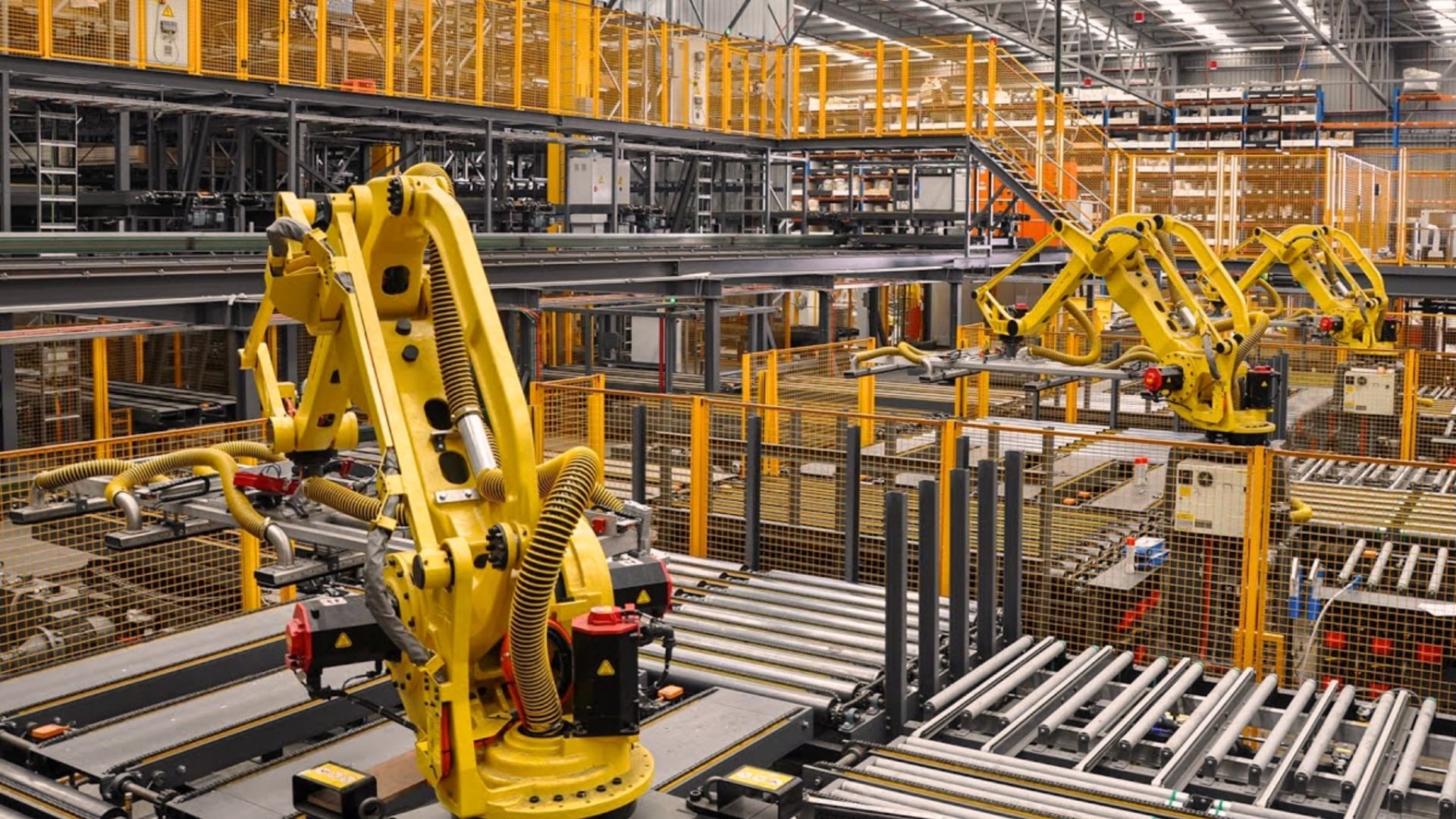
Automation can improve warehouse operations, but it also brings new issues. Understanding these challenges early helps you plan simple, practical fixes.
- System downtime: Caused by poor maintenance or old parts, reduced through regular checks, software updates, trained staff, spare parts, and a clear repair plan.
- High upfront costs: Managed by phased automation, starting with high-impact tools, comparing vendors, and reinvesting savings over time.
- Complex team training: Solved with short step-based training, hands-on practice, quick guides, lighter early workloads, and clear communication.
- Integration issues: Avoided by checking system compatibility early, using demos, planning data flow, and fixing gaps before full deployment.
- Space limitations: Addressed through layout reviews, vertical storage, compact systems, phased installs, and matching tools to available space.
Future Trends in Warehouse Automation
Future trends in warehouse automation focus on tools that make daily work faster, safer, and more accurate. Many warehouses now use robots that move items, cut travel time, and reduce strain on workers.
Systems with smarter tracking help teams see stock levels in real time, lowering errors and delays. AI-driven forecasting will guide ordering and reduce waste.
Collaborative robots will handle simple, repetitive jobs while people manage tasks that need judgment. Automated vehicles will move goods with little setup, making layouts easier to update.
Energy-efficient machines will also help lower costs. As these tools grow, software will connect everything so teams can watch operations from one place and fix problems before they slow down work.
Automation will become easier to use, allowing even small warehouses to adopt these tools and improve day-to-day operations without large changes.
Conclusion
Automated warehouse systems handle many warehouse needs, from efficient storage to faster order fulfillment.
These technologies improve speed, accuracy, and overall productivity while reducing manual labor and operational costs.
When choosing automated warehouse solutions, consider your workflow, space, and future growth. Start with systems that address your biggest problems, such as areas where manual work causes delays or errors.
Remember, the best automation is what fits your actual operations, not just what’s new in the market.
Are you planning to implement warehouse automation solutions in your facility?
Share your questions and experiences in the comments below. I’d love to hear which automation challenges you’re facing and help you find the right solutions.