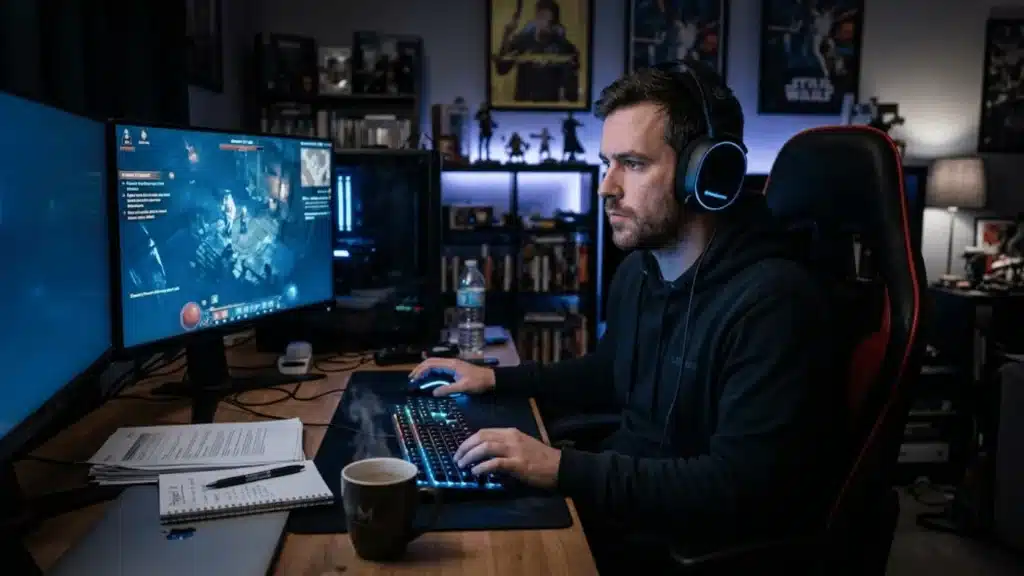
Sitting at 30, wondering if the pro-gamer dream is already out of reach? That question hits harder than most people admit.
Across competitive gaming, there is a quiet pattern most people notice but rarely question. The internet makes it look like only teenagers dominate esports, and honestly, there is some truth to that.
But the full picture is not as simple as it appears. There are layers behind who succeeds, how they get there, and what really matters over time.
Age alone does not shut the door; it is timing, lifestyle, and how you approach the grind. This is where things get real, not sugar-coated and not discouraging either.
Just a clear look at what actually works if someone is serious about turning gaming into something more than a hobby.
Is 30 Too Old to Become a Pro Gamer?
Honestly, it depends on what “pro” means to you.
A top-roster contract at a major league organization, but that window is mostly gone by the mid-twenties.
Most rosters skew young, with average player ages sitting somewhere in the early-to-mid twenties across popular titles.
The age curve is real, but it is steeper in some games than others.
So no, 30 is not a hard stop. It is more of a filter, one that narrows your options without eliminating them entirely.
Mechanically demanding titles trend younger. Strategy-heavy and team-oriented games tend to stay open a bit longer, and that gap matters when you are picking where to focus.
The Reflex Myth vs What Actually Matters

Yes, reaction time slows slightly with age, but many competitive games are not purely about speed.
Strategy, positioning, decision-making, and communication often decide matches more than raw reflex.
Consider the split by game type, tactical shooters like Valorant and CS reward positioning awareness.
Support and shot-caller roles in team-based titles are particularly age-neutral, relying more on communication and game sense than mechanical speed.
Older players who stay composed under pressure consistently outperform younger competitors in these roles. That is a real, observable pattern, and it is one of your genuine advantages.
In these areas, older players often perform better because they read situations more calmly.
In structured environments, I have seen participants with more life experience outperform younger competitors simply by staying composed under pressure. The same pattern applies here.
A Realistic Path to Becoming a Pro Gamer at 30
Turning professional in gaming at 30 requires a focused and realistic approach rather than chasing the same path as younger players.
Step 1: Pick the Right Game
Start by choosing the right game instead of following trends. A strong choice usually has a high skill ceiling, an active competitive scene, and a balance between strategy and mechanics.
Look for titles with stable tournament ecosystems and consistent updates, since longevity matters more than short-term hype.
Step 2: Build a Structured Practice Routine
Random grinding rarely leads to real improvement. And it feeds the same habit that keeps most gamers from ever seeing things through, whether that’s finishing a game they started or hitting a real competitive milestone.
A more effective approach is to divide practice into focused areas such as mechanical training, ranked matches, replay analysis, and strategy learning.
Simply playing more is not enough. Progress comes from intentional practice where each session targets specific weaknesses.
Think of it like planning a large-scale event. Without structure, effort gets wasted. With structure, every hour contributes to measurable improvement.
Step 3: Track Progress Like a Professional
Treat improvement as something measurable rather than guesswork. Use tracking tools to monitor performance over time, including win rates, accuracy, and recurring decision-making errors.
This step often becomes a turning point, especially for older players who rely more on discipline and structured improvement.
Step 4: Enter Competitive Circuits Early
Staying in ranked play for too long can slow progress. Competitive exposure is essential. Joining online tournaments, scrims, and amateur leagues helps build real match experience and pressure handling.
Waiting for perfection before entering competitions is a common mistake. Growth happens faster when competing early.
One platform worth exploring early on is the UndergrowthGameLine game, a structured online gaming event hosted by Under Growth Games that features leaderboards, PvP formats, and community play.
Step 5: Build Visibility Alongside Skill
Focusing only on gameplay can limit opportunities. The gaming space now extends beyond tournaments, with streaming, content creation, and personal branding playing a major role.
Every stream, every tournament appearance, and every piece of content is an activation, a chance to attract an audience, sponsors, or coaching opportunities.
Visibility compounds over time, and at 30, you likely have the communication skills and professionalism to build it more credibly than a teenager just starting out.
Advantages You Actually Have at 30
Starting a competitive gaming journey at 30 comes with unique strengths that are often overlooked. While younger players may have more time, older players bring maturity, discipline, and a clearer understanding of goals.
- Better Decision-Making: Years of experience improve judgment, allowing smarter in-game choices rather than relying only on quick reactions.
- Stronger Discipline: Consistency in practice, routine building, and long-term focus tends to be higher compared to younger players.
- Emotional Control: Staying calm under pressure helps in clutch situations, especially in team-based or high-stakes matches.
- Clear Goals and Focus: A defined purpose and realistic expectations lead to more efficient improvement and less wasted effort.
- Communication Skills: Better teamwork, leadership, and shot-calling abilities make a strong impact in competitive environments.
- Time Efficiency: Limited free time often leads to more focused, high-quality practice sessions instead of unfocused grinding.
A Smarter Way to Approach This Journey
A practical way to approach this journey is to treat gaming as a serious side pursuit instead of jumping in without a plan.
Start by committing 6 to 12 months to structured practice, where progress is tracked honestly through performance and improvement trends.
The focus should remain on steady growth rather than quick results.
If there is clear upward movement over time, then increasing the level of commitment becomes a logical next step.
This method keeps expectations grounded, reduces financial pressure, and allows for growth without burning out early.
Conclusion
The real question is how seriously this path is taken and what kind of plan supports it. The difference comes down to strategy, discipline, and how realistically the journey is approached.
A structured plan, consistent effort, and diversified income streams from gaming matter far more than age alone.
If this goal still feels important, then treat it like something worth testing, not guessing. Step into competitive spaces early instead of waiting for the perfect moment.
Most importantly, do not rely on hype or shortcuts. Build skills, build visibility, and create gaming options that extend beyond a single outcome.
Start now, commit to a clear routine, and give the process enough time to show results. The path may be narrow, but it is still open for those willing to approach it with focus and consistency.
Are you over 25 and actively competing or thinking about it? Drop your game, your rank, and how long you’ve been at it in the comments.
Frequently Asked Questions
Can You Still Get Signed by an Esports Team at 30?
Unlikely at top rosters, but realistic at semi-pro and regional level, especially in support or shot-caller roles where communication outweighs raw speed.
Should I Quit My Job to Pursue Gaming Full-Time at 30?
Not yet. Spend 6–12 months building competitive standing and income streams alongside your job. Only consider the transition once gaming revenue meaningfully replaces your salary; financial pressure is a faster path to burnout than age ever will be.
What Equipment Do I Actually Need to Compete Seriously?
A mid-range PC or console, 144Hz monitor, responsive peripherals, and stable internet. At 30, prioritize ergonomics above all: a proper chair, wrist support, and a correctly adjusted monitor height.