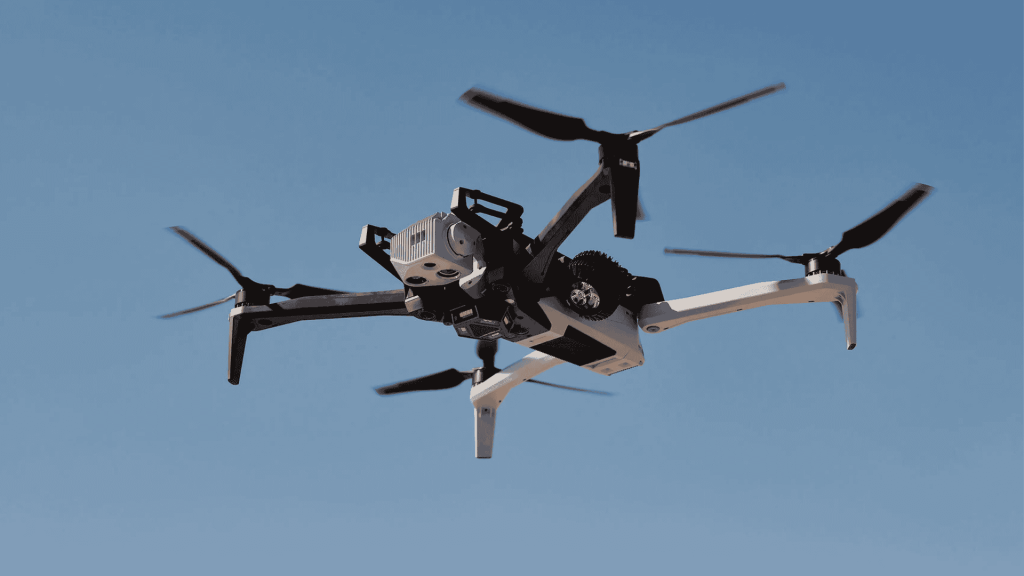
A drone lifting off the ground often sparks instant curiosity. As it climbs higher, one question naturally comes to mind: How high can a drone fly before it reaches its actual limit?
Many people assume the answer is simple, but the reality is shaped by science, design, and the air itself.
Some drones handle the changes of air, pressure, altitude, day, and night better than others, while many reach their peak sooner than expected.
Understanding these differences helps clear confusion and sets real expectations.
This blog breaks down how high a drone can fly from a technical point of view, explaining what controls altitude, why limits exist, and how different drone types perform in real conditions.
The 400-Foot Rule at a Glance
The 400-foot rule sets a clear height reference for most drone flights.
It means a drone should stay within 400 feet above the ground directly below it. This height is measured from the surface, not from sea level. If the ground rises or drops, the allowed height changes with it.
The rule helps keep drones separated from crewed aircraft that usually fly higher.
It also creates a simple standard that is easy to follow. The limit applies to open areas and adjusts naturally with hills, slopes, or uneven land.
Staying within this height reduces risk, improves control, and helps keep drone flights predictable in shared airspace.
How High Can a Drone Fly?
The answer depends mainly on how it is built and the air around it.
Motor strength, battery power, weight, and propeller size all affect how much lift a drone can create.
As a drone climbs higher, the air becomes thinner, which makes it harder for the propellers to push against it. This causes the motors to work harder and the battery to drain faster.
Small consumer drones can technically reach between 1500 and 3000 feet in perfect conditions, but they rarely stay stable that high.
Larger and special-use drones can go much higher because they use stronger parts and better cooling. In real use, most drones fly far below their maximum possible height to stay steady
Factors That Determine the Height a Drone Can Reach
Several physical and technical factors, like motor power and air density, limit a drone’s maximum height. These elements determine lift, battery life, and stability during ascent.
1. Motor Strength
Drone motors spin propellers to create upward thrust, measured in grams or kilograms, which counters gravity for lift.
Stronger motors, like brushless types with high RPM, produce more thrust, often 2:1 to 8:1 thrust-to-weight ratios depending on drone type, for reaching higher altitudes.
For example, a 600g quadcopter needs 3,600g total thrust (900g per motor) at a 6:1 ratio to climb efficiently.
2. Battery Capacity
Battery capacity, typically in lithium-polymer cells rated by milliamp-hours (mAh), powers motors longer for greater heights.
But higher climbs drain power faster due to constant thrust needs.
Thin air at altitude reduces propeller efficiency, forcing motors to work harder and cut flight time by up to 20-30%. Larger batteries, like 5,000mAh packs, extend high-altitude hover from 10 to 20 minutes.
3. Drone Weight
Lighter drones with carbon fiber frames climb higher because less thrust counters lower weight, improving efficiency.
Heavy cameras or payloads, adding 200-500g, can drop the maximum altitude by 20-50% by demanding more power.
A 1kg drone with a 2:1 thrust ratio hovers stably, but an extra 500g payload requires a 3:1 ratio for similar heights.
4. Air Pressure and Oxygen Levels
As a drone climbs higher, air pressure drops by about one inch of mercury for every 1,000 feet of altitude.
This steady drop causes the air to become thinner, reducing air density by around 10 to 20 percent once a drone passes 5,000 feet.
Thinner air gives propellers less resistance to push against, which directly reduces lift. As altitude approaches 10,000 feet, overall performance can drop by 15 to 25 percent.
5. Cooling Limits at High Altitude
The Reduced cooling can cause temperatures to rise by 20 to 40 degrees Celsius compared to ground-level conditions.
When heat builds up, motors and electronic speed controllers are placed under extra stress.
Most drone systems include thermal protection, which activates when temperatures approach critical limits.
Motors often reach 80 to 100 degrees Celsius after 5 to 10 minutes of high altitude flight, triggering power reduction or automatic shutdown.
Technical Limits of Drone Height
Drone height is shaped by physical forces that cannot be bypassed by settings or skill. These limits define how far upward any flying system can truly perform.
- Propeller design: Propellers lose grip in thin air, reducing lift by about 10% per thousand meters, with limits near seven thousand meters.
- Signal strength: Control signals weaken as height increases, causing most consumer drones to lose connection near 3000 ft.
- Software limits: Many drones include built-in height caps of around 1600 feet, where software restricts climbing even if the hardware can go higher.
- Wind resistance: Stronger winds at higher levels push drones off path, reducing stability as thinner air offers less natural resistance.
- Service ceiling physics: At very high altitude, lift and downward forces balance out, stopping further climb when air density drops too much.
What’s the Maximum Altitude of Different Drone Types?
Different drone types are built for different purposes, and their maximum flying height changes based on design, power, and use. Each factor plays a role in how high each type can fly.
1. Toy Drones
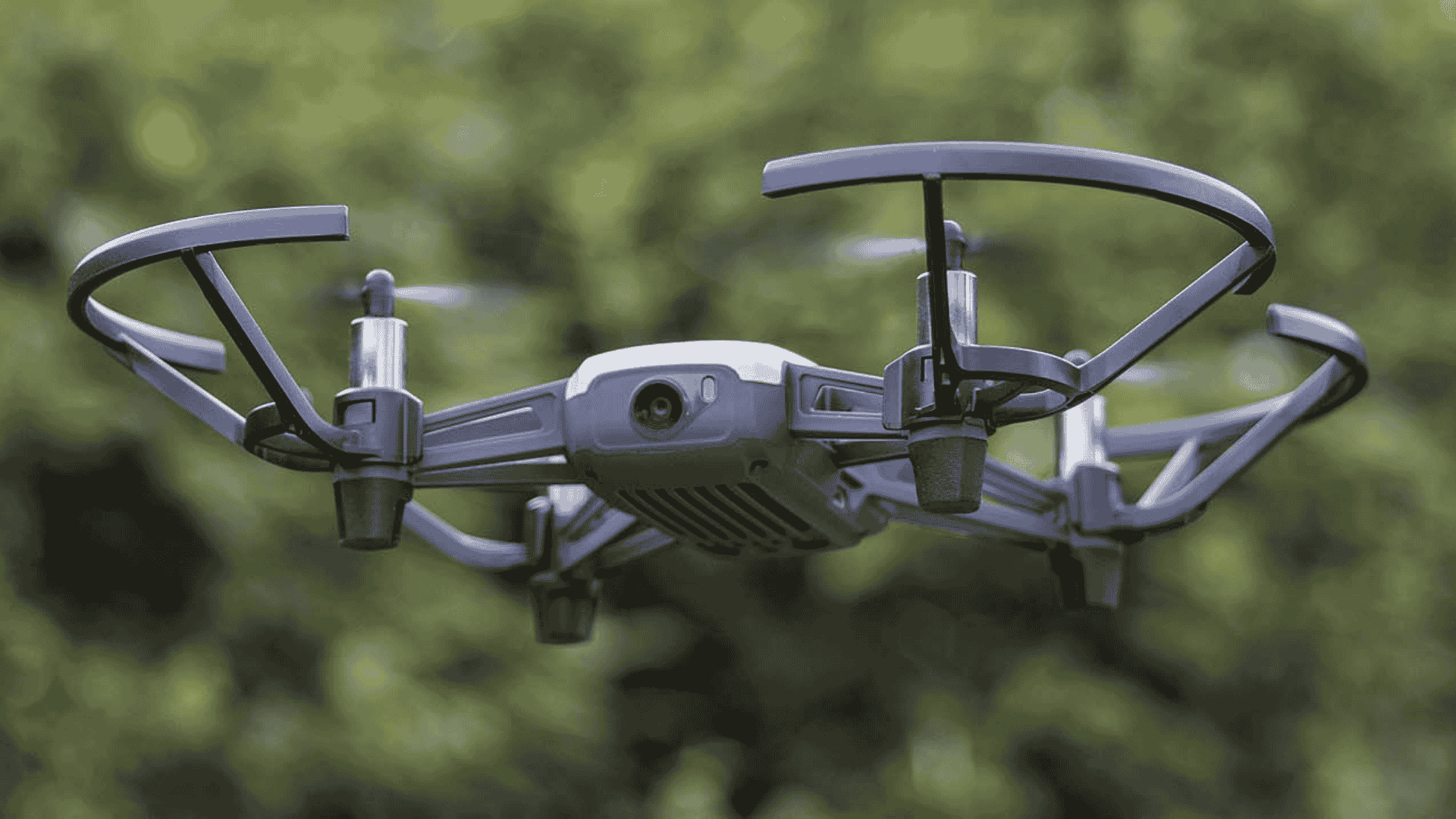
Toy drones are small, lightweight devices made mainly for indoor or backyard use.
These drones are expected to stay below 400 feet above ground level when flown outdoors.
Most toy drones cannot reach anywhere near that height due to weak motors, short battery life, and low lift strength.
Many stop climbing at 30 to 100 feet, and wind also affects them easily. Some smart picks for first-time flyers, the Techvio Mini Drone and the DJI Mini 3, are well-suited for learning the basics.
2. Recreational and Hobbyist Drones
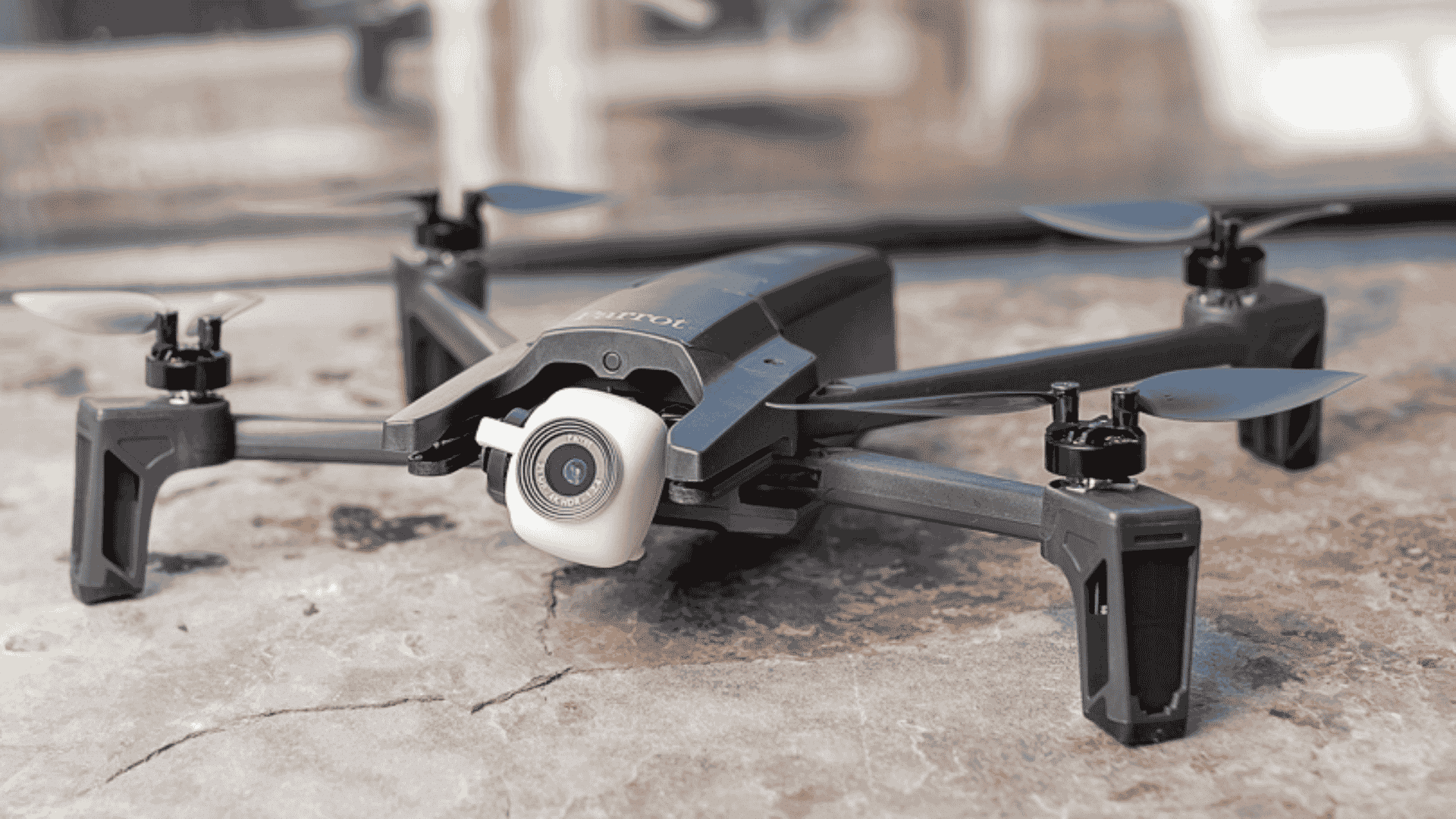
Recreational and hobbyist drones are limited to 400 feet above ground level in uncontrolled airspace.
From a technical side, many popular models can climb higher but include built-in height limits. Stronger motors, better batteries, and GPS systems allow stable flight at higher levels.
Parrot Anafi and the Skydio 2+ are the most used consumer-level camera drones for fun and casual aerial photos.
Most hobby drones can handle heights between 300 and 500 feet before power loss, and thin air reduces performance.
3. Racing Drones
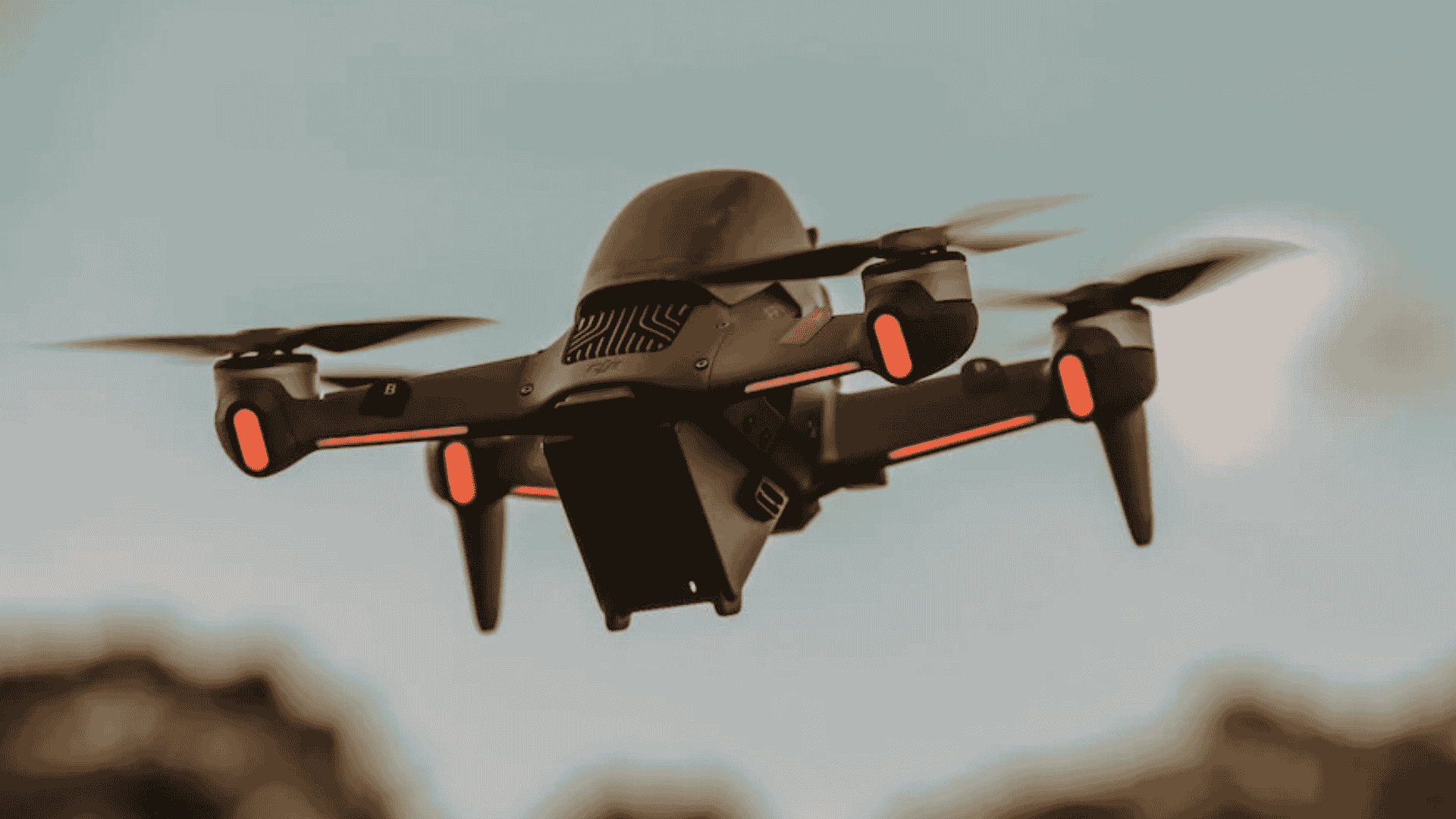
Racing drones are built for speed and fast movement rather than vertical climbing. They also follow the 400-foot height limit when flown legally.
Technically, racing drones can climb quickly but usually stay below 300 feet during use.
Some great choices for thrill-seekers who prefer high-speed FPV drones built for racing and immersive flight are the EMAX Tinyhawk Lite and the DJI FPV
These drones perform best close to the ground, where pilots can maintain control and quick response during sharp turns and rapid direction changes.
4. Commercial Drones
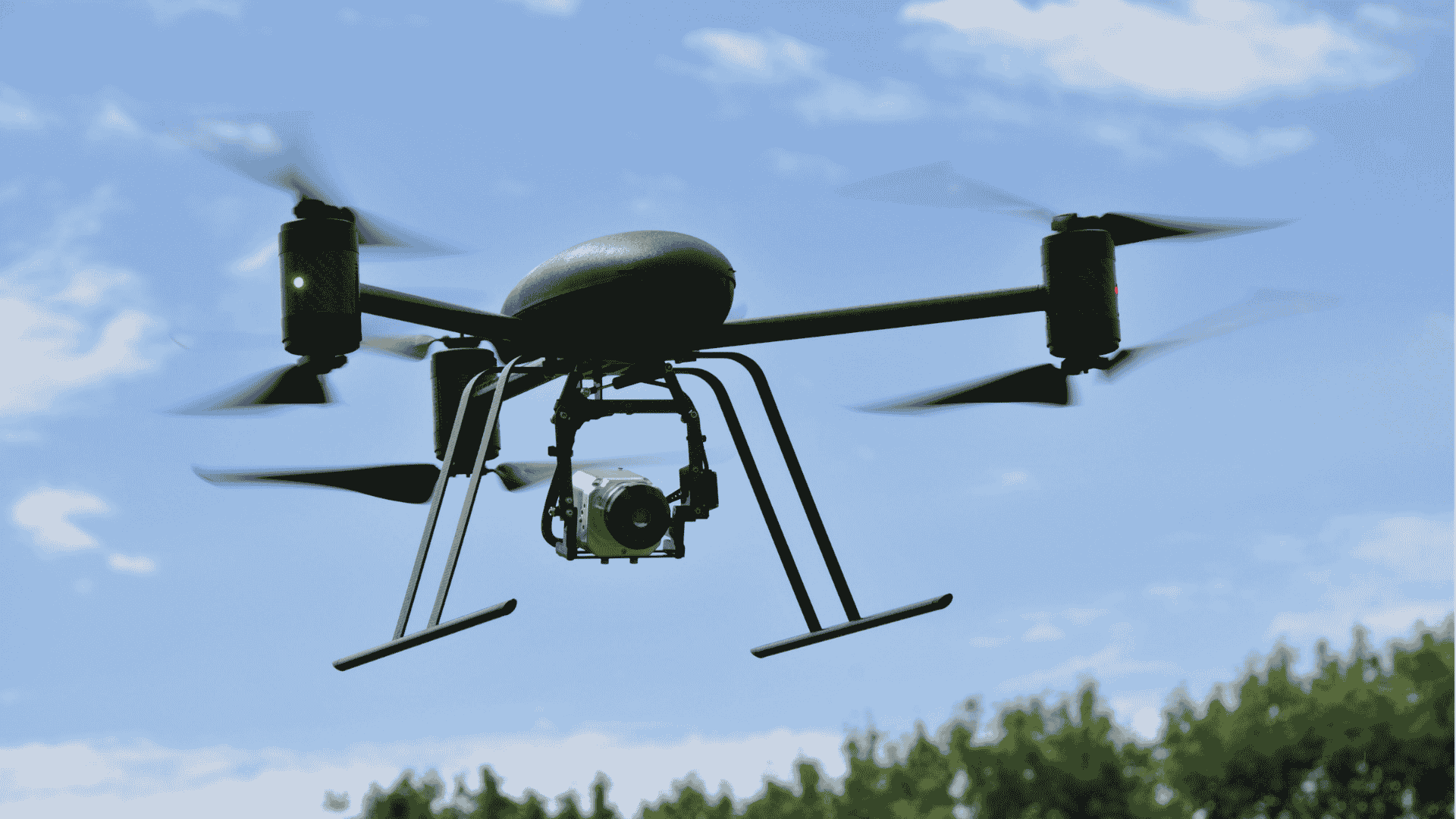
Commercial drones operate under Part 107 rules. They are generally limited to 400 feet above ground level, with limited structure-based exceptions.
From a technical view, many commercial drones can reach higher altitudes due to strong motors, advanced cooling, and larger batteries.
Some can climb over 1000 feet in ideal conditions. Still, air density, battery drain, and heat buildup usually limit sustained high altitude flight.
For professional mapping, inspection, and data capture tasks, the Freefly Systems Astro and Autel Robotics EVO II Enterprise are highly used.
5. Police and Government Drones
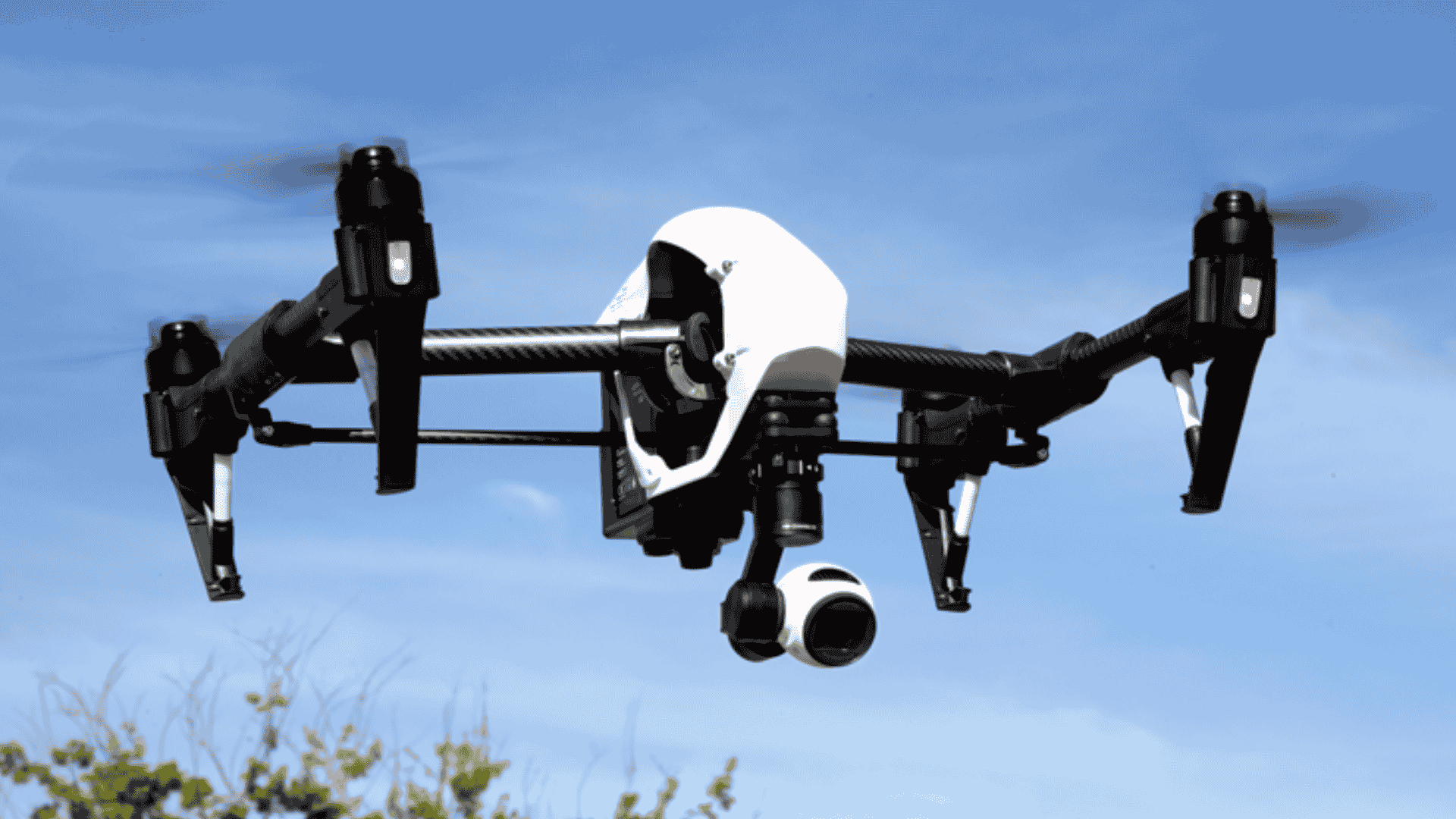
Police and government drones in the US often follow the same 400-foot altitude guideline unless operating under special authorization.
These drones are built with higher-quality motors, longer flight times, and secure communication systems.
Technically, they can reach higher altitudes than consumer drones when needed. Many models are capable of flying between 800 and 2000 feet, depending on design and payload.
Often used by government units, including some police agencies, for aerial support are Autel EVO Max 4T andDJI Inspire
6. Military Drones

Military drones operate under different standards than civilian drones. Their altitude depends on mission type and drone size.
These drones use powerful engines, advanced materials, and pressurized systems to reliably handle thin air conditions at high altitudes.
Widely used small military surveillance UAVs are Arcsky X55 and AeroVironment RQ-20 Puma
Their altitude capability far exceeds consumer or commercial drones and is designed for long-range surveillance and defense tasks.
How High Can a Drone Legally Fly in Different Countries?
Drone height rules are not the same everywhere in the world. Each country sets its own limits based on safety needs, airspace use, and local aviation practices.
| Country | Legal Altitude | Notes |
| United States | 400 ft (120 m) | Standard limit; waivers available |
| Canada | 400 ft (122 m) | Matches the US closely |
| United Kingdom | 400 ft (120 m) | CAA permission for higher |
| Australia | 400 ft (120 m) | Common 400 ft rule |
| Germnay | 230 ft (70 m) | Stricter for hobby use |
| France | 492 ft (150 m) | Higher EU allowance |
| Indonesia | 500 ft (150 m) | Highest listed limit |
| China | 400 ft (120 m) | Registration required |
How High Can a Drone Fly Without FAA Approval?
In the United States, drones flown without FAA approval are allowed to reach a maximum height of 400 feet above ground level in uncontrolled airspace.
This rule applies to recreational users and most commercial drone flights.
The height is measured from the ground directly below the drone, not from sea level. This means the allowed height can change if the land rises or falls, such as when flying over hills or uneven ground.
Pilots flying under Part 107 rules are given a limited exception.
They may fly up to 400 feet above a structure if the drone stays close to that structure and remains within the visual line of sight. This exception does not require a waiver.
Any flight above these limits requires formal permission through the FAA DroneZone system.
Consequences of Breaking the Limit
Flying a drone above the FAA’s height limit is taken seriously. The maximum allowed altitude is 400 feet above ground level; going beyond this limit can lead to consequences.
- Civil Fines: The FAA may issue fines up to $75,000 per violation, with over $341,000 proposed from 2022 to 2024.
- Pilot Certification Risks: Part 107 pilots may face suspension, certificate loss, jail time up to 12 months, and drone seizure.
- Stacked Violations: Penalties rise when altitude violations occur with other issues like lost visual line of sight or restricted airspace.
- Insurance and Liability Impact: Insurance coverage is often voided, leaving operators fully liable, while repeat offenses trigger investigations and cease-and-desist orders.
Common Myths About Drone Altitude
This section clears up myths about drones and explains the difference between what people assume and what drones can actually do based on their design and physical limits.
- Drones can fly as high as airplanes: Many people think drones can reach airplane height, but most lose lift much earlier due to thin air and power loss.
- Signal range sets the height limit: Signal affects control, not lift. A drone may still climb higher even after the connection weakens.
- More motor power means unlimited height: Strong motors help, but battery drain, heat, and air density still limit climb height.
- All drones reach the same height: Drone design matters. Weight, motor strength, and battery size change how high each drone can fly.
- Removing limits lets drones climb forever: Even without software limits, gravity and thin air eventually stop movement upward.
Conclusion
The height and altitude that the drone reaches are controlled by clear technical limits that cannot be ignored.
Motor power, battery strength, weight, air density, cooling, and signal reach all play a role in how high a drone can climb.
As altitude increases, lift drops, heat builds faster, and control becomes less reliable.
Consumer drones reach moderate heights, while advanced and special-use drones push higher because of stronger designs.
Every drone eventually reaches a point where climbing stops due to natural forces.
If this topic raised new questions or sparked interest in how high a drone can fly, then share your thoughts or experiences in the comments and continue learning.
Frequently Asked Questions
Does Drone Size Always Mean Higher Altitude Ability?
Larger drones often handle altitude better, but design balance matters more than size alone when determining maximum climb performance.
Do Fixed-Wing Drones Climb Higher than Quadcopters?
Fixed-wing drones usually reach higher altitudes because wings create lift more efficiently and require less power than spinning propellers.
Can Altitude Sensors Fail at Extreme Heights?
At high altitude, pressure sensors can become less accurate, which may affect stability and height readings during long climbs and extreme heights.