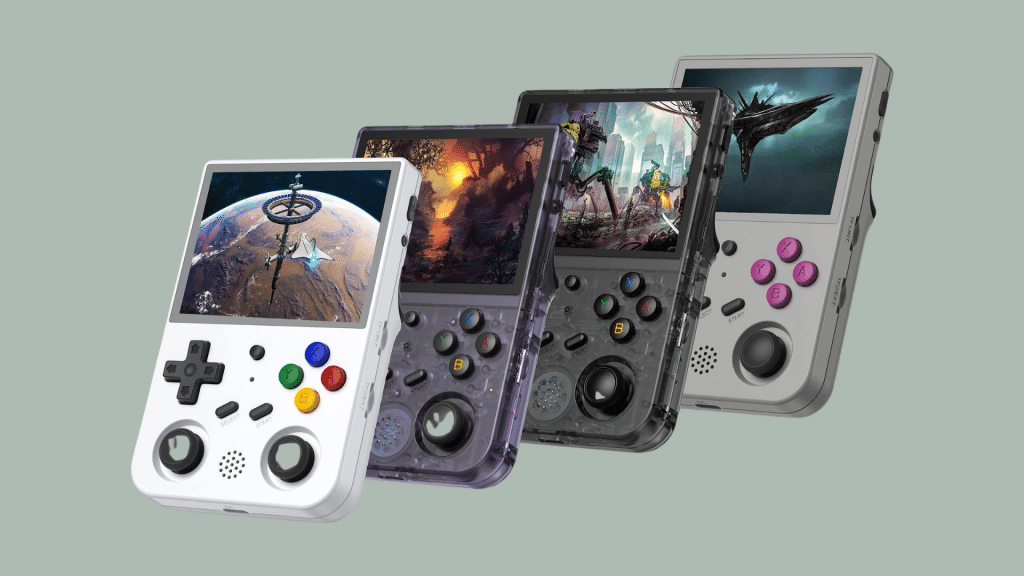
When I started looking for the best emulator console, I realized how many options there are and how different each one can feel once you set it up.
In this guide, the consoles that stand out for ease of use, game variety, and simple setup are highlighted.
Each system is compared based on how it handles classic titles, storage options, and controller support, helping readers see which one fits their needs.
As you read, think about the kind of games you enjoy most and how much time you want to spend getting everything ready.
This helps narrow down the choices and makes the process easier. By the end, you should have a clear sense of which consoles match what you want from your gaming time.
What are Emulator Consoles and Why Use Them?
An emulator console is a device designed to run games from older systems through software that copies how the original hardware worked.
It allows classic games to be played on modern screens without needing the original consoles, cartridges, or cables.
Many people use these devices to keep large game libraries in one place, enjoy smoother performance, or replace aging equipment.
An emulator console also supports features like save states, upgraded visuals, and wireless controllers, making retro gaming more convenient.
For anyone trying to relive older games or build a compact setup, an emulator console offers a simple and organized solution.
It also helps preserve access to titles that may be hard to find or no longer supported.
With so many options available today, understanding how these systems work makes it easier to choose the best emulator console for long-term use.
List of Best Emulator Consoles for Retro Gaming
These options offer strong performance, wide system support, and easy setup for users wanting reliable retro gameplay. Each system provides different strengths to match specific gaming preferences.
1. Kinhank Super Console X5 Pro
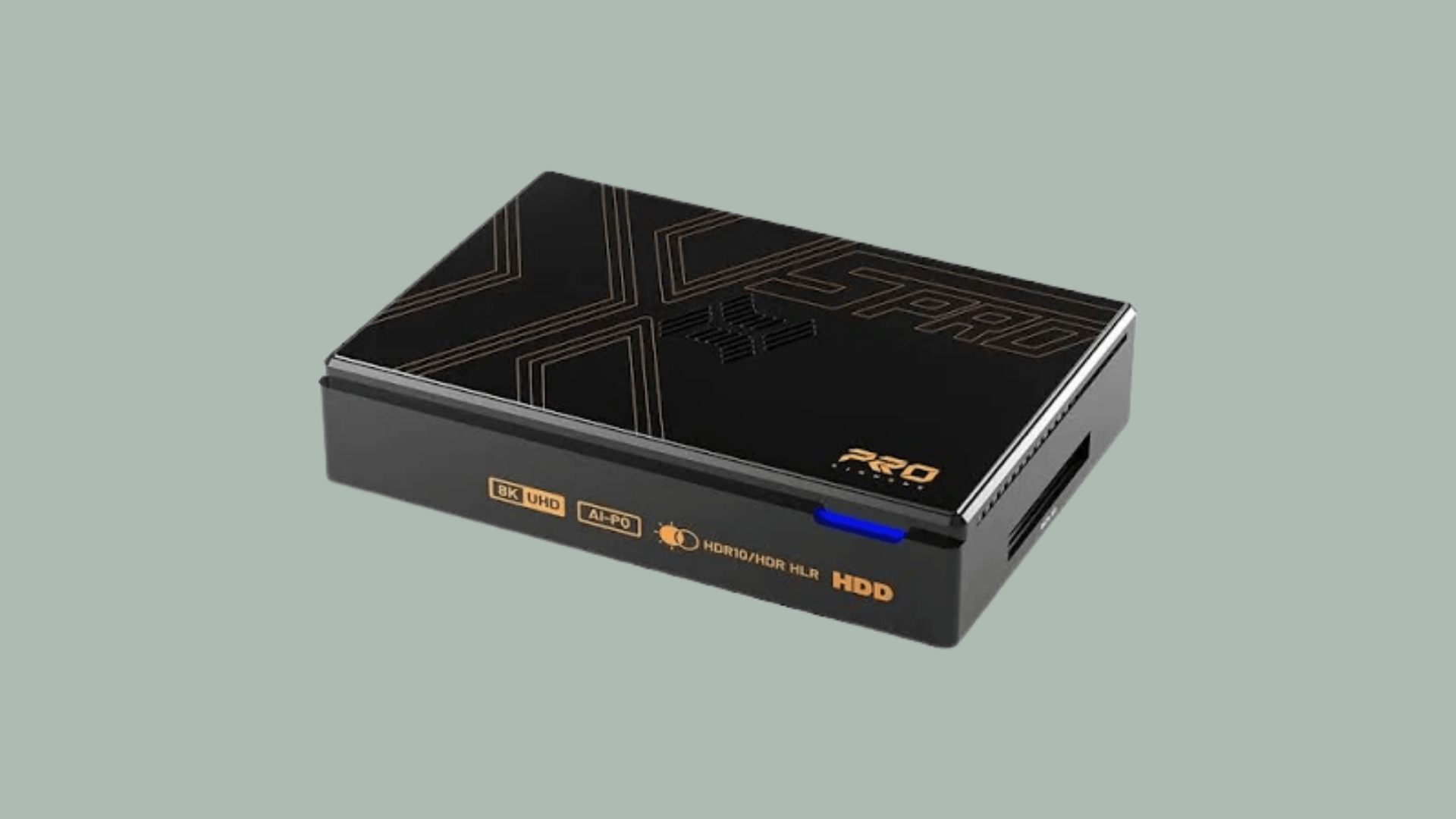
This model offers access to more than 60,000 games and runs on EmuELEC 4.6, making it suitable for a wide range of classic systems.
It supports smooth 4K output, allowing titles from PS2, N64, and other platforms to display clearly on modern screens.
Strong internal hardware helps maintain stable performance across demanding games. The device is designed for easy setup, with straightforward menus and fast loading.
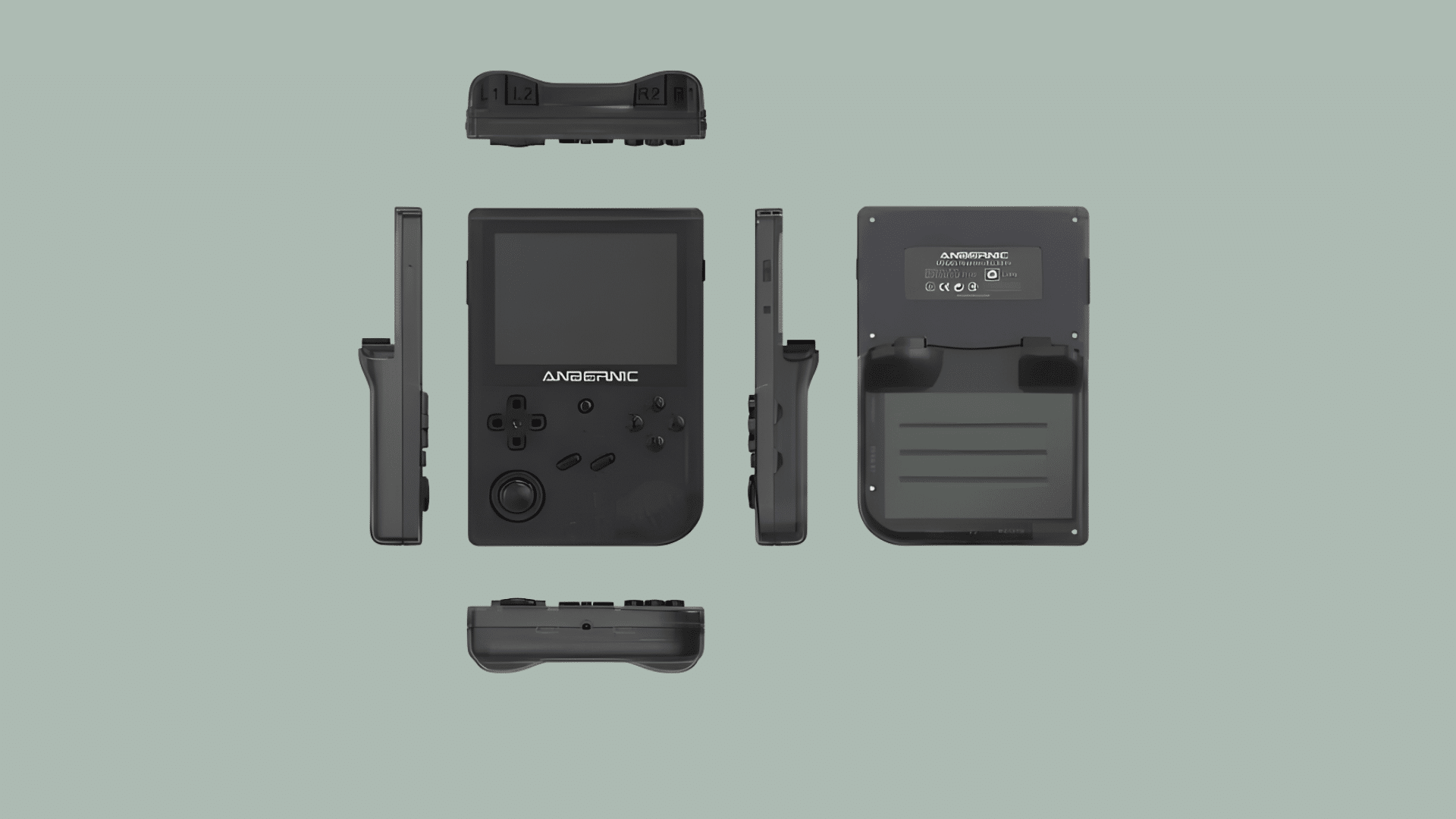
2. ANBERNIC RG353P
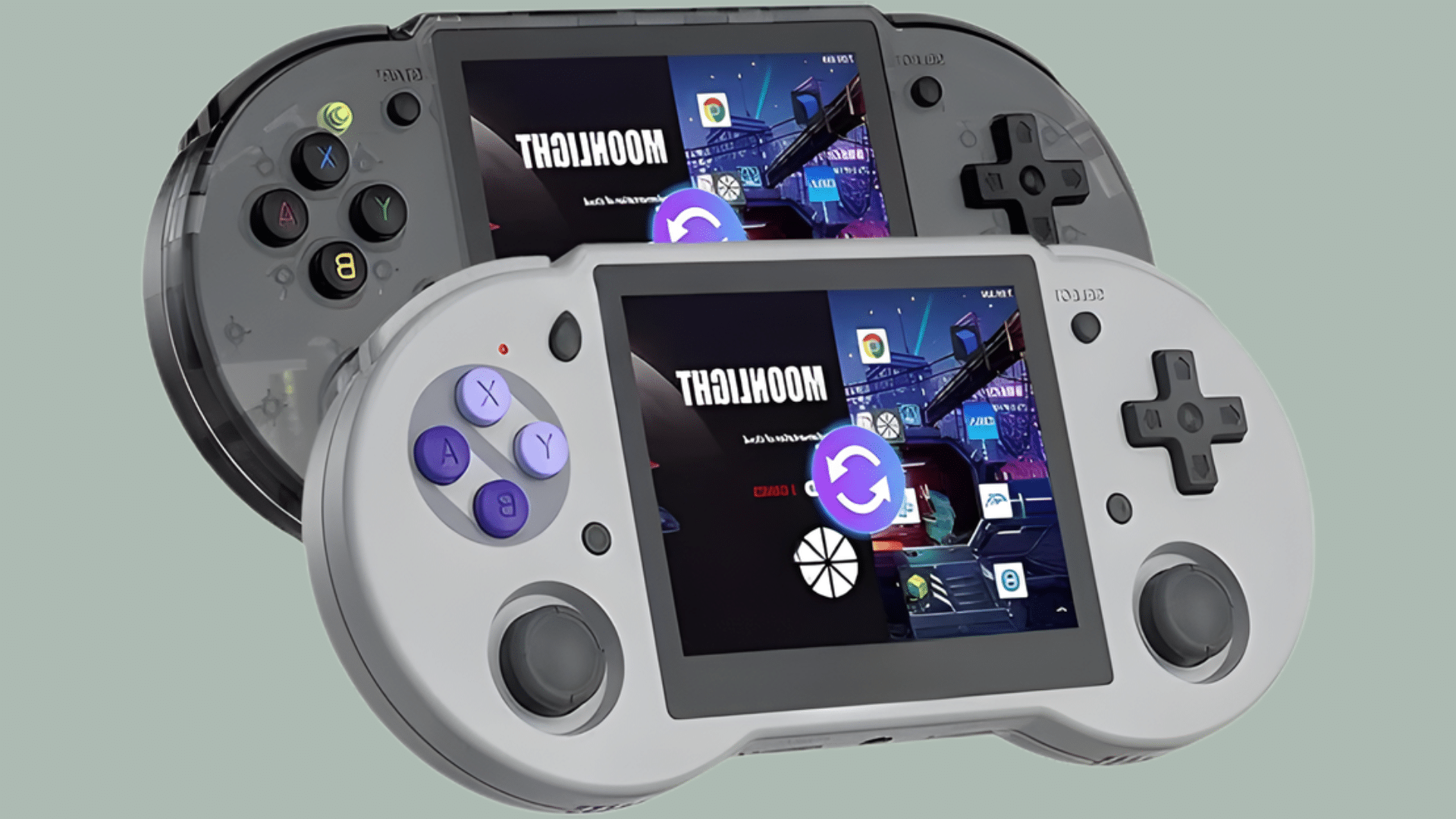
This handheld system includes a dual operating system setup with Android 11 and Linux, giving flexible access to apps and emulators.
It comes preloaded with 4,452 games and performs especially well with PSP and DS titles thanks to its capable processor. Built-in 5G WiFi supports updates, streaming, and wireless file transfers.
The comfortable design and responsive controls make gameplay smooth for long sessions. Strong community support and regular firmware improvements add long-term value.
3. Miyoo Mini Plus
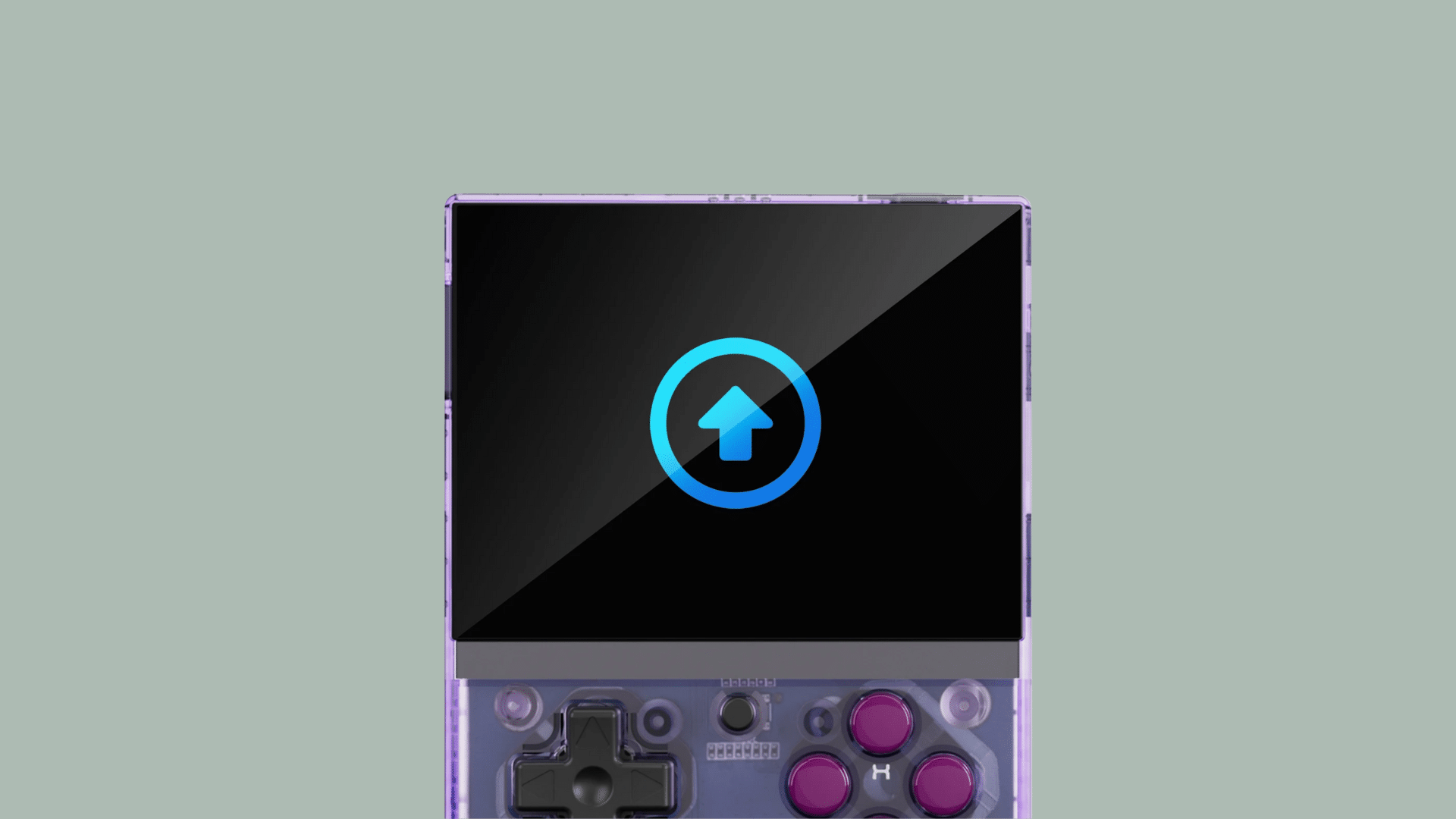
This compact handheld offers more than 10,000 games in a lightweight and travel-friendly design.
The rechargeable battery supports extended play sessions, and built-in WiFi allows for easy updates and content management. Its simple menus and fast startup make navigation straightforward.
A protective case is included, adding durability for daily use or travel. The clear screen and responsive controls create a comfortable retro gaming experience in a small form factor.
4. Kinhank Super Console X KING
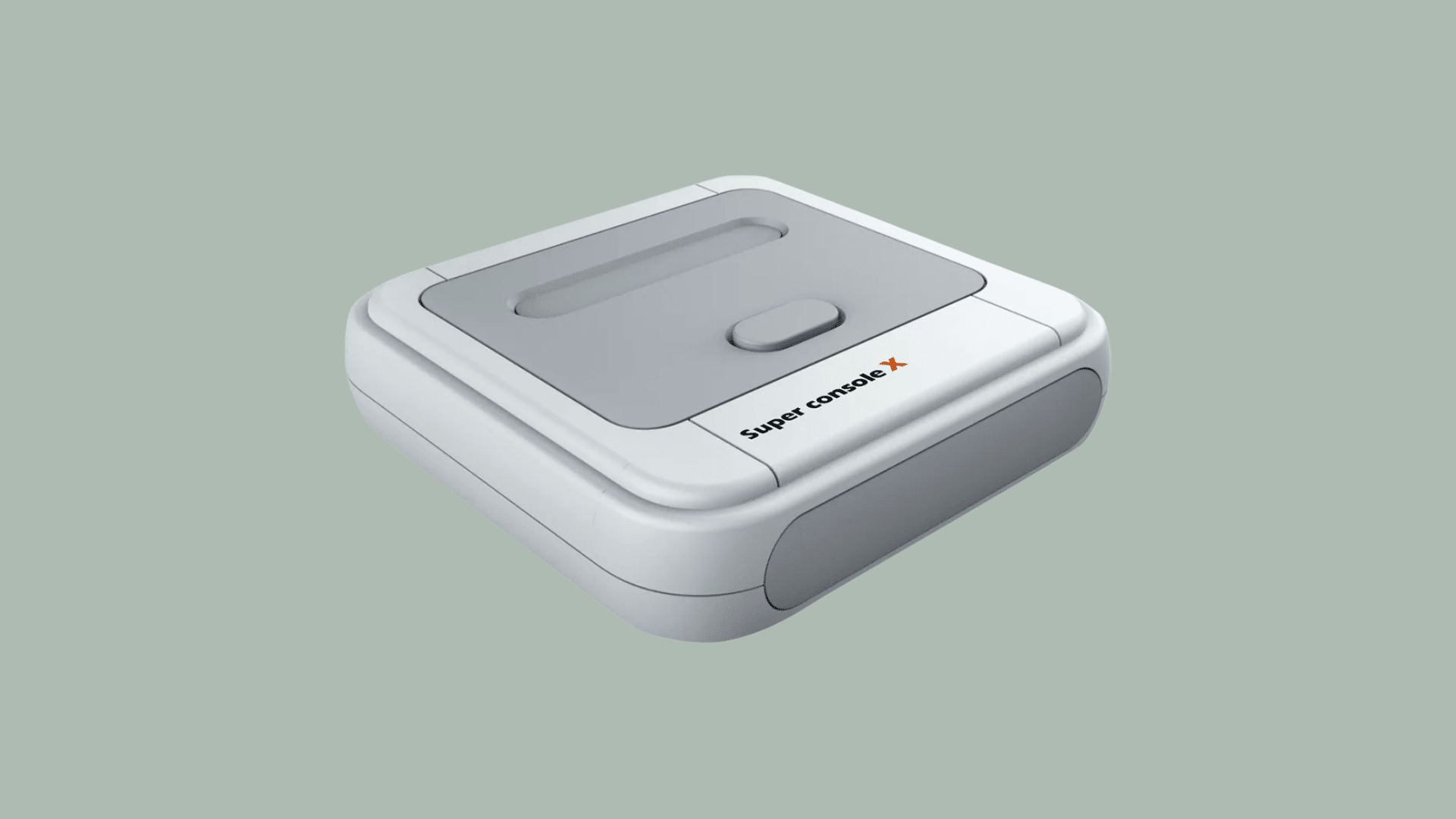
This premium model includes more than 60,000 titles and is built for high-demand emulation, including Wii and GameCube systems.
Strong internal processing helps maintain smooth gameplay and accurate performance across multiple platforms. The system offers easy plug-and-play setup and organized menus for simple navigation.
Improved cooling supports stability during long sessions. Its extensive library and advanced performance capabilities make it suitable for users needing a powerful home unit.
5. ANBERNIC RG353M
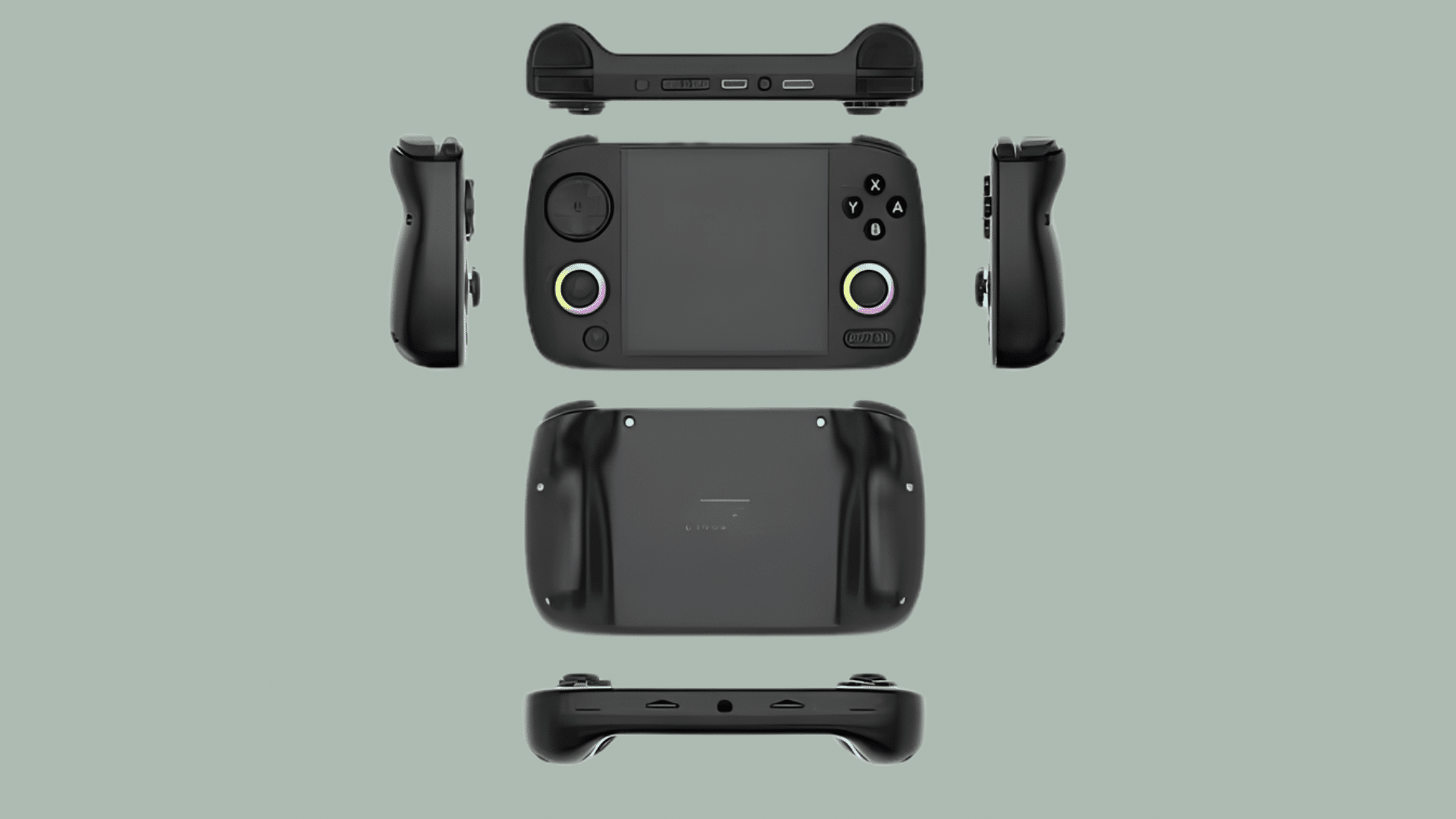
This handheld features a sturdy aluminum shell for durability while maintaining a premium feel. It includes Android 11 and Linux dual OS support, offering flexibility for apps and emulation.
Preloaded with 4,452 games, it performs well across many handheld and console platforms. Bluetooth 4.2 allows wireless controller pairing and accessory support.
Its strong build quality and versatile software environment make it a reliable choice for portable use, especially for users wanting a metal-body device with long-term durability and consistent performance.
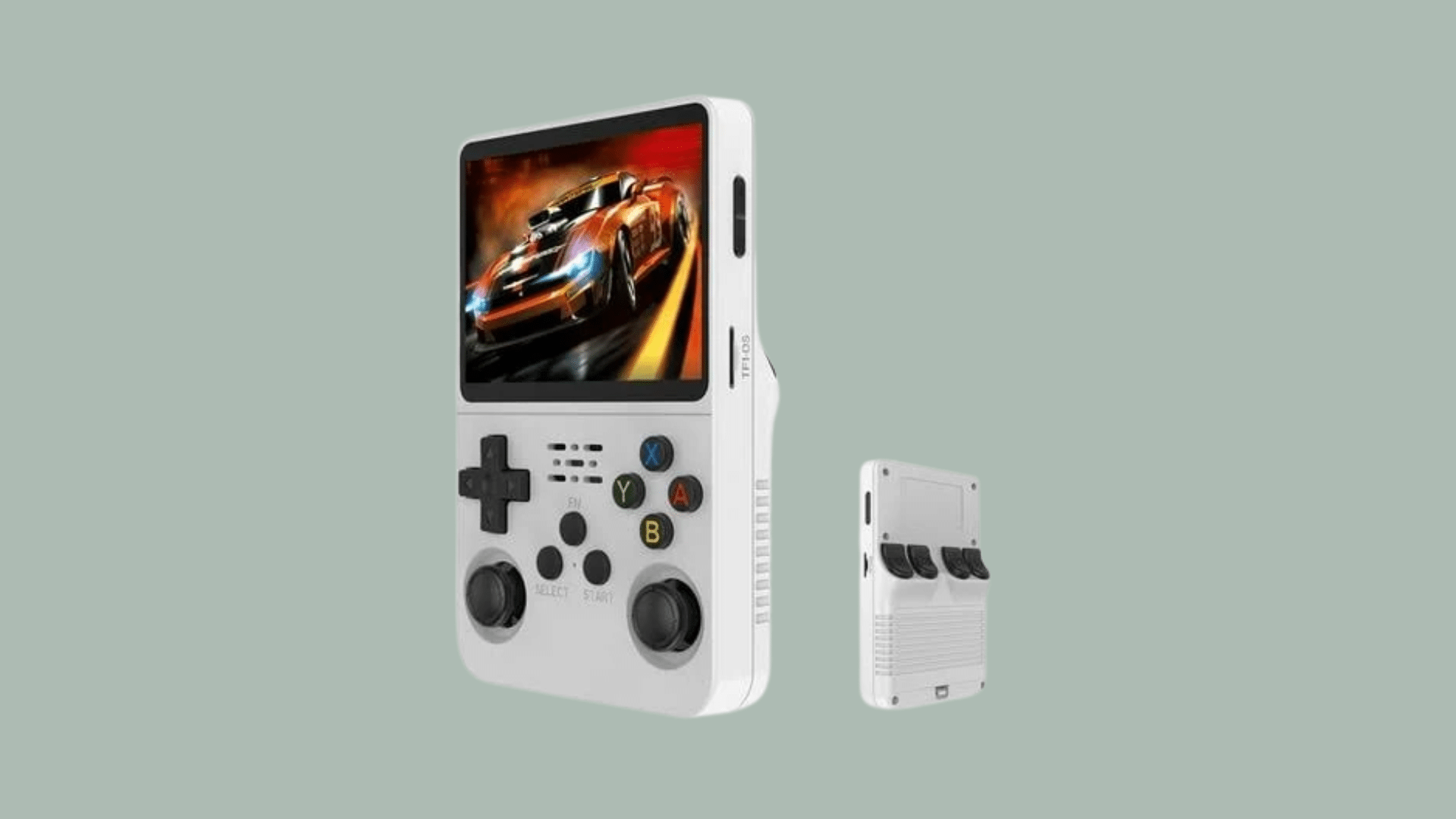
6. HAIHUANG RG351V
This handheld includes a 3.5-inch IPS screen and comes with 2,521 preloaded games.
Storage is expandable up to 256GB, allowing larger libraries and additional system files. The vertical form factor provides a comfortable grip and clear visibility.
The device is designed for portability and dependable performance, making it suitable for users looking for a simple, capable handheld with expandable storage and strong everyday usability.
7. Dosnura RG353V
This vertical handheld features the RK3566 processor and includes 4,420 built-in games.
Its 3.5-inch IPS display provides clear visuals, while the Android/Linux hybrid system allows broad emulator support. The layout is designed for comfortable one-hand or two-hand play.
Strong system compatibility and reliable performance make it suitable for a wide range of retro platforms. Built-in WiFi supports updates and file transfers.
Key Features of the Best Emulator Console
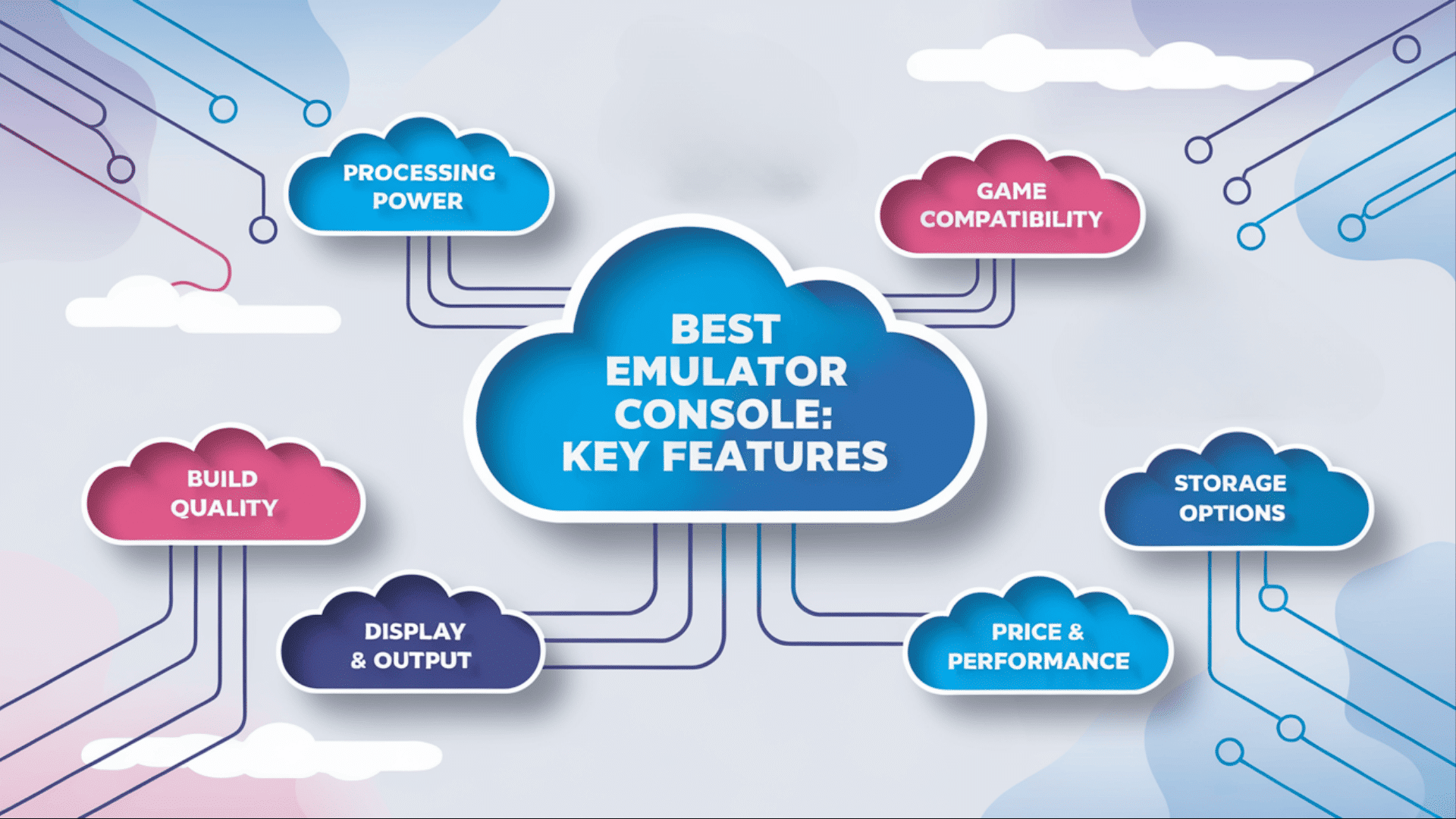
Understanding the most important features makes comparing different systems easier and helps narrow down options based on specific gaming needs.
1. Processing Power and Performance Capabilities
Strong internal hardware is important for smooth gameplay, fast loading, and accurate system emulation across multiple platforms.
A capable processor reduces frame drops and audio issues, especially in systems known for demanding titles.
Performance also affects how well the console handles enhancements like upscaling, shaders, and increased frame rates.
2. Game Library Compatibility and System Support
A wide range of supported systems increases the value of any emulator device. Compatibility determines access to classic handhelds, home consoles, and arcade platforms, allowing broad gaming choices.
Strong software support also helps reduce glitches and ensures games run predictably. Regular firmware updates improve accuracy and add missing systems over time.
Good compatibility also includes BIOS support, format flexibility, and smooth performance for large libraries.
3. Build Quality and Controller Design
Durable construction helps maintain long-term reliability, especially for handheld or frequently used devices. Good materials prevent wear while keeping controls responsive.
A well-designed controller contributes to comfortable gameplay and accurate inputs, which is important for fast-paced titles.
Button layout, stick sensitivity, and grip shape all influence how natural the system feels during extended play sessions.
4. Display Options and Video Output Quality
Clear and sharp visuals improve the experience of playing older titles on modern screens. Strong output options support higher resolutions, stable frame pacing, and improved color accuracy.
Many devices offer HDMI, DisplayPort, or built-in screens with adjustable settings. Good video output ensures older games look clean without distortion or heavy stretching.
Enhanced scaling options help preserve original proportions while making visuals crisp. The ability to tweak brightness, filters, and aspect ratios provides more control over presentation.
5. Storage Capacity and Expandability
Adequate storage supports large game libraries, BIOS files, and save data without creating space limitations. Many devices include built-in memory along with expandable options through SD cards or external drives.
Flexible storage helps organize files efficiently and prevents performance slowdowns associated with overloaded memory.
Expandability also allows users to upgrade space as their library grows. Good file management systems and fast read speeds improve loading times and reduce errors.
6. Price vs Performance Balance
A good balance ensures the console offers strong value without unnecessary extras. Cost should reflect processing power, compatibility, build quality, and included accessories.
Higher prices may include advanced features such as premium displays, stronger processors, or extended support. Lower-priced options may focus on essential performance while reducing additional features.
Evaluating long-term reliability, update frequency, and overall durability helps determine true value.
Community Reviews about the Best Emulator Console
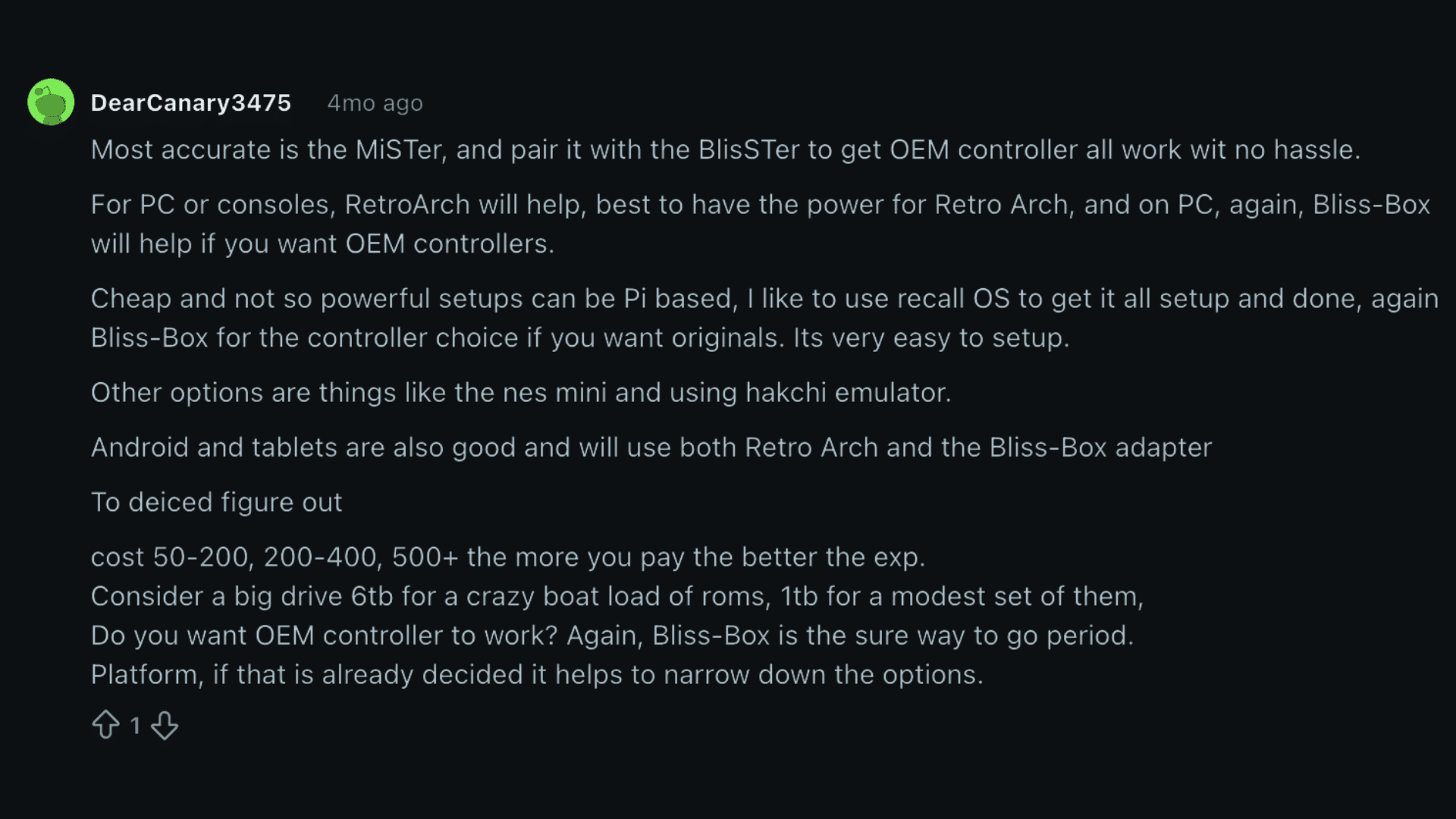
Reddit users often highlight MiSTer as one of the most accurate emulator setups, especially when paired with the BlisSTer add-on, which allows original controllers to work without complications.
Many comments also point to RetroArch as a strong option for PC or console-based emulation, noting that better hardware improves overall performance.
Those seeking budget choices are frequently directed toward Raspberry Pi builds, with Recall OS mentioned for its simple setup and broad support.
Some discussions recommend modded NES Mini systems using Hakchi, while others emphasize that Android devices and tablets work well with RetroArch and Bliss-Box adapters.
Across multiple threads, users suggest considering budget ranges, storage needs, controller preferences, and platform limitations to narrow down the most suitable emulator console.
Best Emulator Console Comparison
This comparison highlights key specifications and overall performance to help narrow down the most suitable emulator console based on power, game support, and practical everyday use.
| Console | Strengths | Weaknesses |
|---|---|---|
| RetroArch | Multi-system support | Complex setup |
| Dolphin | Great GameCube/Wii performance | Needs strong hardware |
| PPSSPP | Sharp PSP upscaling | Some games glitch |
| Citra | Good 3DS graphics | Limited game compatibility |
| Yuzu | High-quality Switch emulation | Very demanding |
| PCSX2 | Mature PS2 emulator | Occasional visual bugs |
Common Issues and Troubleshooting Tips
I noticed that most problems come from simple misconfigurations, storage issues, or input settings, and checking a few basic areas often solves performance, loading, or controller-related errors quickly.
- Game not loading: Many loading problems come from mismatched file types, missing dependencies, or incomplete game dumps that prevent proper booting.
- Lag or slowdown: Lower enhancement settings, reduce internal resolution, or disable heavy shaders. Performance issues usually come from pushing the hardware too far.
- Controller not responding: Reconnect the device, remap buttons, or switch input mode. Sometimes the system reads the controller incorrectly, and reassigning inputs fixes most recognition problems quickly.
- Audio issues: Update emulator cores, adjust latency settings, or switch audio drivers. Crackling often happens when sync settings are off or when outdated cores struggle to process sound correctly.
- Storage errors: Many storage problems come from bad sectors or improper file placement, and refreshing the card often restores smooth performance.
Conclusion
Choosing the best emulator console depends on how much power, portability, and flexibility someone needs.
I like to focus on whatever makes daily use feel simple rather than overwhelming.
After comparing so many different options, it becomes clear that each system delivers something meaningful.
Some offer huge game libraries, while others provide smoother performance for newer platforms.
A retro game emulator also keeps classic titles organized in one place. It removes the hassle of maintaining old hardware or dealing with unreliable discs and cartridges.
As long as the features match the budget, preferred controls, and available setup, any player can build a dependable gaming experience.
Interested in choosing the setup that fits your needs best? Drop a comment below and continue the discussion.