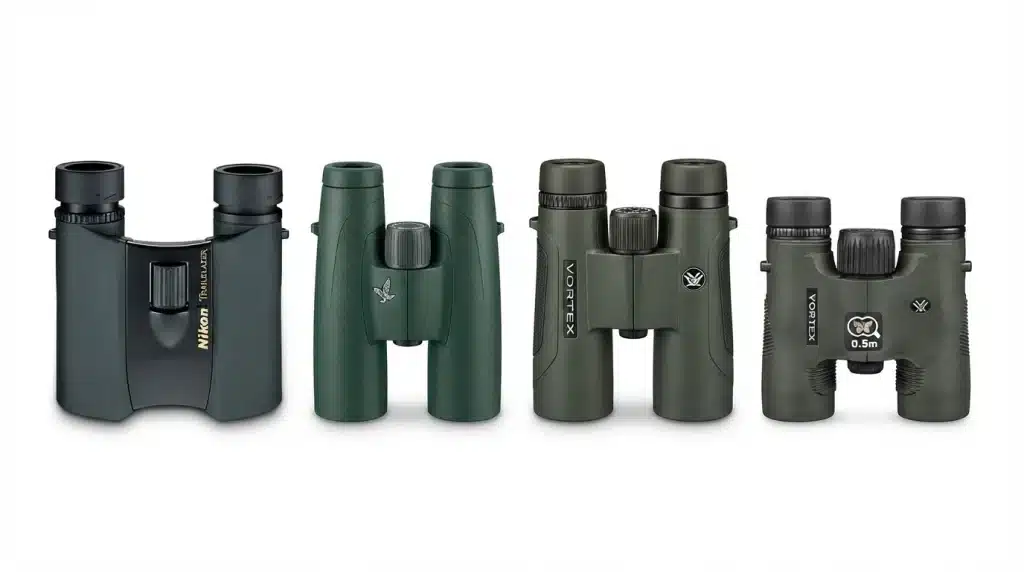
Somewhere between a full-size pair gathering dust in a drawer and no binoculars at all sits the compact option people actually reach for.
These small, foldable optics trade a little light-gathering power for something more valuable on a trip: you bring them along.
Over several weeks of side-by-side testing on trails, at dusk, and at a stadium concourse, our team narrowed a crowded field down to the best compact binoculars worth buying right now, along with a few pocket binoculars that look good on paper but fall short once the light gets tricky.
Below, picks are sorted by budget, use case, and the tradeoffs each one makes, so you can match a pair to how you plan to use it.
How These Compact Binoculars Were Picked and Field-Tested
I started with a shortlist of compact and pocket models between 8×21 and 10×28 magnification, then narrowed it to the seven that held up best across three tests: a two-mile trail walk to judge weight and hand comfort alongside everyday outdoor gear, a dusk viewing session to see how each pair handled fading light, and a glasses-on test to check eye relief.
We cross-checked every spec against the manufacturer’s own listing rather than relying on marketplace descriptions, since third-party retailers occasionally list outdated or incorrect configurations.
Prices below reflect manufacturer MSRP at the time of writing and will shift with sales and retailer discounts, so treat them as a starting point, not a guarantee.
What Makes a Compact Binocular Worth Buying
A good compact binocular balances portability, viewing quality, and durability. A lightweight body makes it easy to carry on a hike or flight, much like gear frequent travelers pack, but size alone doesn’t tell you how it will perform.
Optical clarity, magnification, lens size, and lens coatings all affect how sharp and bright the view looks. Eye relief and a smooth focus wheel matter just as much once you are twenty minutes into a viewing session.
In our testing, the biggest surprise was how much lens coatings mattered more than raw magnification. Two 8×25 models with nearly identical specs on paper produced noticeably different image brightness once the sun dropped.
Build quality, waterproofing, and impact resistance help these hold up outdoors, though smaller lenses do let in less light than full-size models, especially at dawn or dusk.
Best Compact Binoculars Reviewed for Different Uses
Compact binoculars differ in their optical quality, portability, and price range. These models stand out for specific uses, helping buyers compare features, size, cost, and viewing performance before choosing the right option.
1. Zeiss Terra ED Pocket 8×25: Best Overall
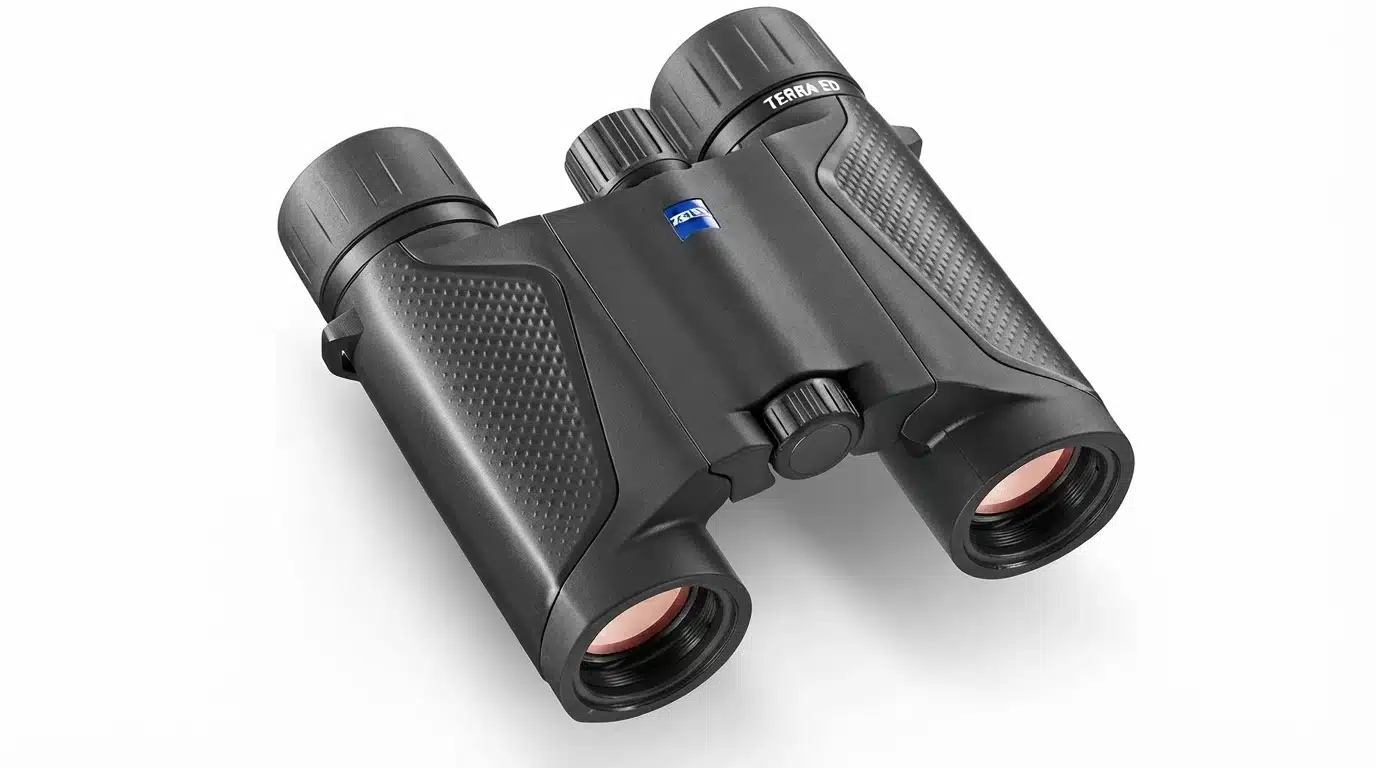
The Zeiss Terra ED Pocket pairs ED glass with a hydrophobic coating that sheds rain and fog quickly. This was the pair our tester reached for on a drizzly coastal hike.
It stayed clear when a cheaper pair in the same bag fogged up at the eyepiece. The double-hinge body folds down small enough for a jacket pocket without giving up image sharpness, and like any precision optic, it rewards consistent equipment upkeep.
-
Size: 8×25, 4.4 x 4.5 in, 10.9 oz (310g)
-
Price: $399.99 MSRP
-
Best for: Travelers and hikers who want one dependable pair for daylight and low-light shoulder-season use
2. Nikon Trailblazer 10×25: Best Budget
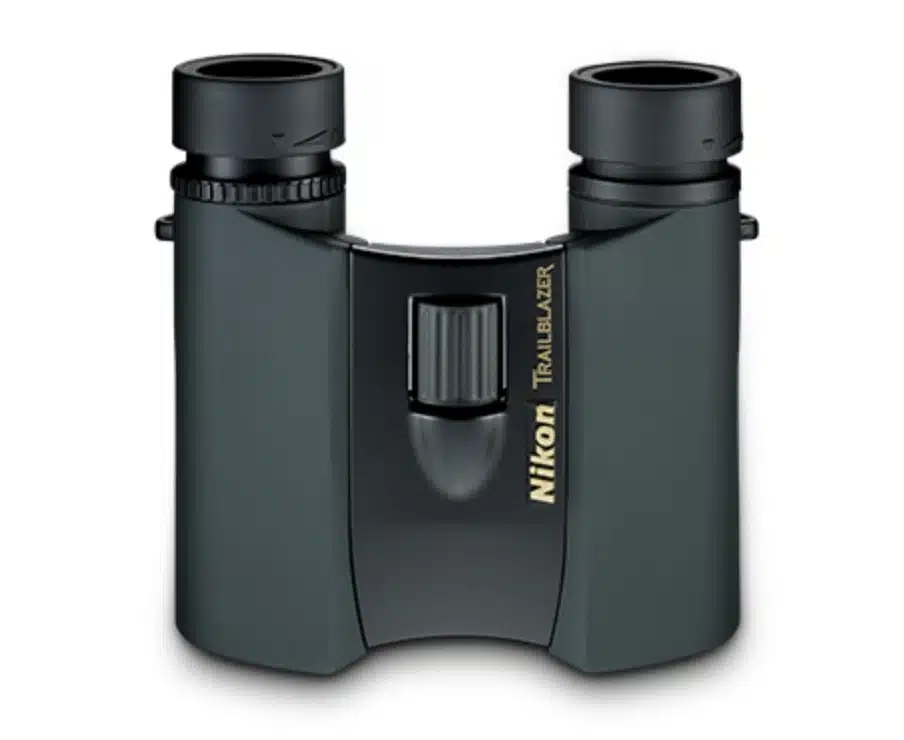
The Nikon Trailblazer gives you 10x magnification and a roof prism body at a genuinely low price. We noticed the extra magnification made it harder to hold steady without bracing an elbow, which is worth knowing before you buy the higher-power version over the 8x models on this list.
-
Size: 10×25, about 4.5 in long, 9.9 oz (280g)
-
Price: around $115 (street pricing varies by retailer)
-
Best for: First-time buyers, sporting events, and sightseeing on a tight budget
3. Swarovski CL Pocket 8×25: Best Premium Compact Binoculars
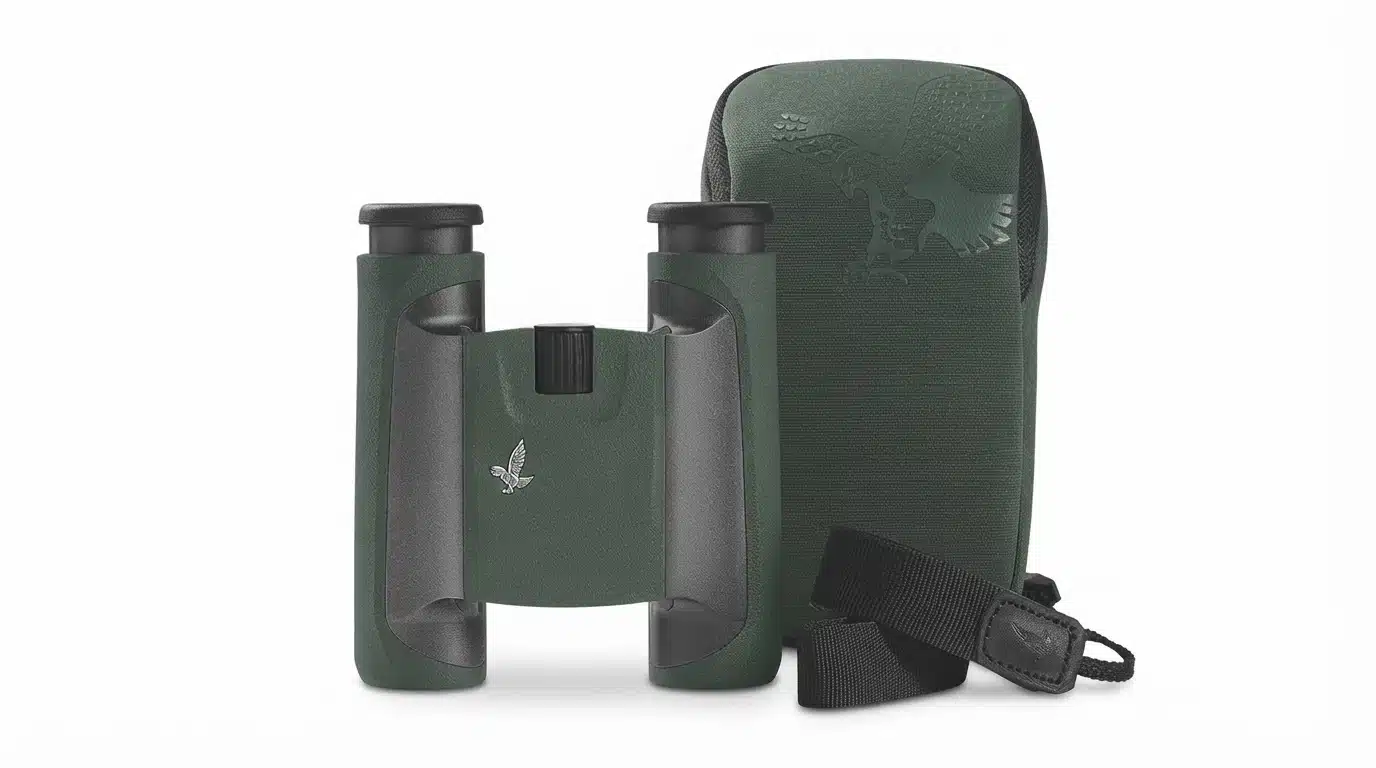
The Swarovski CL Pocket uses premium glass and precise focusing to deliver a genuinely bright, detailed image in a small housing. Side by side with the Zeiss, the clearest difference our tester could point to was the extra brightness at dusk, though it comes at nearly three times the price.
-
Size: 8×25, 4.3 x 2.5 x 1.8 in, 12.2 oz (346g)
-
Price: $1,049 MSRP
-
Best for: Birders and travelers who want the best glass available in a pocket size and do not mind the cost
4. Celestron NatureDX ED 8×25: Best Compact Binoculars for Bird Watching
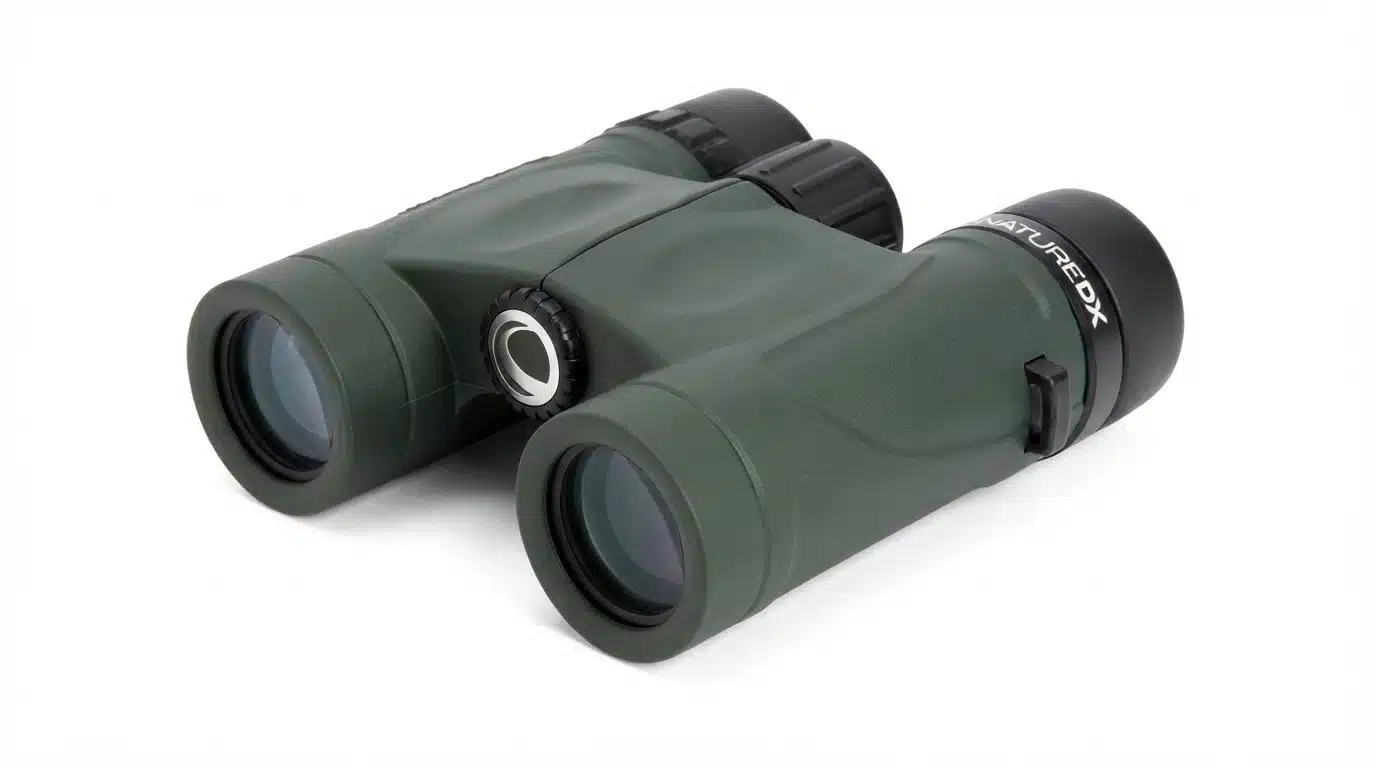
The Celestron Nature DX uses phase-coated BaK-4 prisms and fully multi-coated lenses to deliver a bright, contrast-rich image for a beginner-friendly price.
Its 58-degree apparent field of view makes it easy to track a moving bird without constantly repositioning, and pairs well with keeping safe viewing distances from wildlife, while the nitrogen-purged, waterproof housing holds up to a surprise rain shower.
-
Size: 8×25 roof prism, weighs under 1 lb
-
Price: roughly $100 to $140 depending on retailer
-
Best for: Beginners, classrooms, and parents buying a first pair for a young birder
5. Vortex Diamondback HD 10×28: Compact Binoculars for Travel
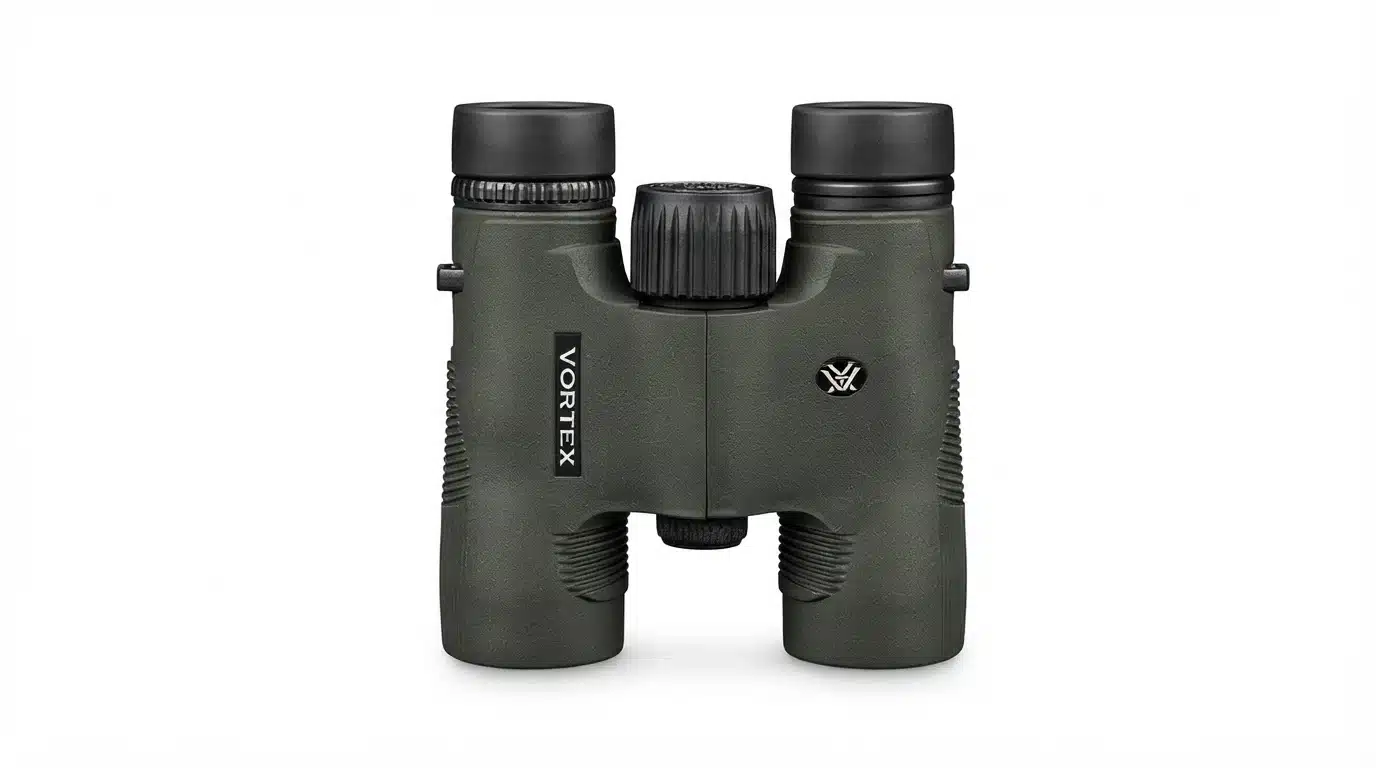
The Vortex Diamondback HD steps up to a 28mm objective lens, which gives it a noticeably brighter image than the 25mm pairs on this list without adding much bulk.
The ArmorTek coating shrugs off scratches and dirt, which matters if you toss it loose into a daypack the way most travelers actually do.
-
Size: 10×28, 13.4 oz (about 380g)
-
Price: $229.99 MSRP
-
Best for: Road trips, sightseeing, and general adventure travel where a slightly larger lens is worth the small size tradeoff
6. Leupold BX-4 Pro Guide HD 10×25: Best Rugged Budget Pick
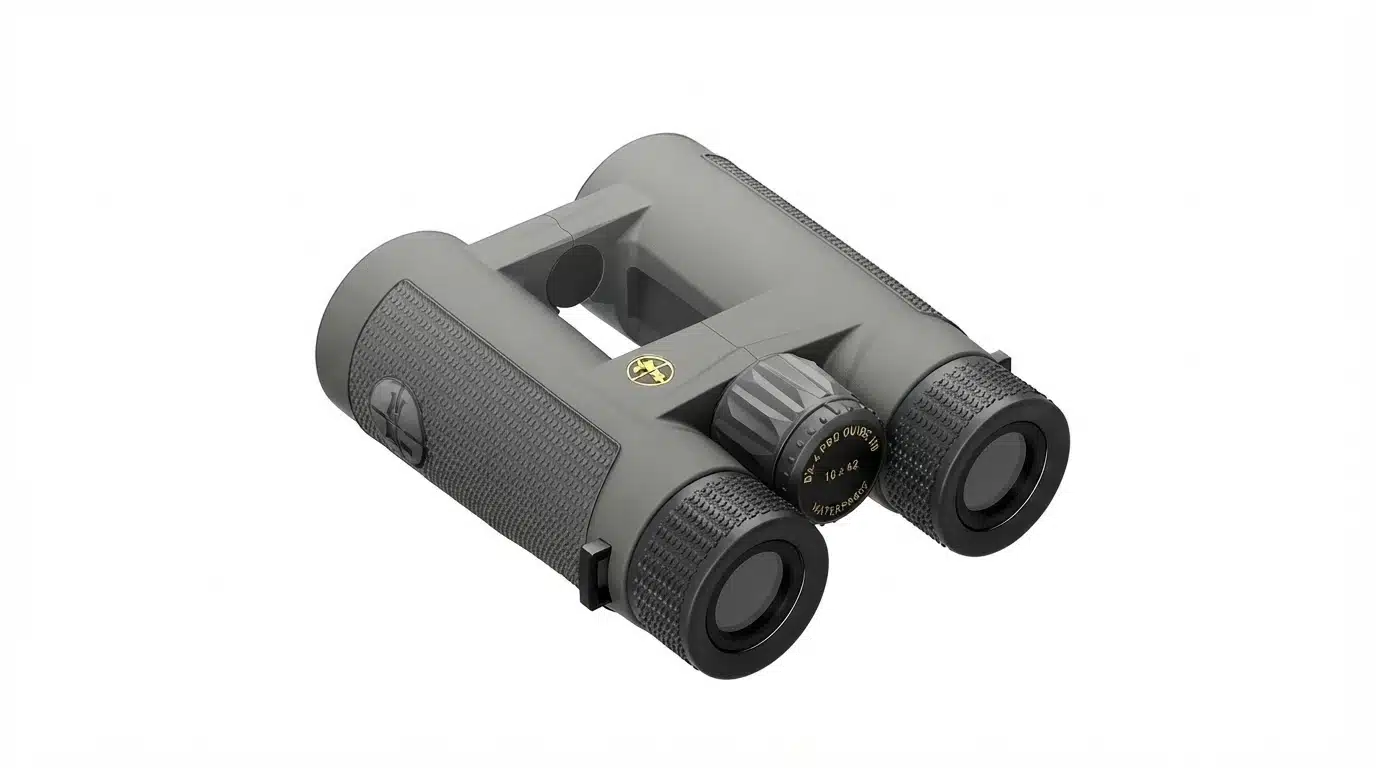
The Leupold BX-4 Pro Guide HD uses an inverted Porro prism design, which keeps the body small while still delivering a solid, waterproof, fogproof optic backed by Leupold’s lifetime guarantee.
It will not out-resolve the Zeiss or Swarovski, but it is a tough, no-fuss pair to leave in a glove box or day pack.
-
Size: 10×25 Porro prism, 4.3 in, 12.7 oz
-
Price: around $130 MSRP
-
Best for: Hikers and hunters who want a durable, budget-friendly backup pair
7. Pentax Papilio II 8.5×21: Best for Close-Up Viewing
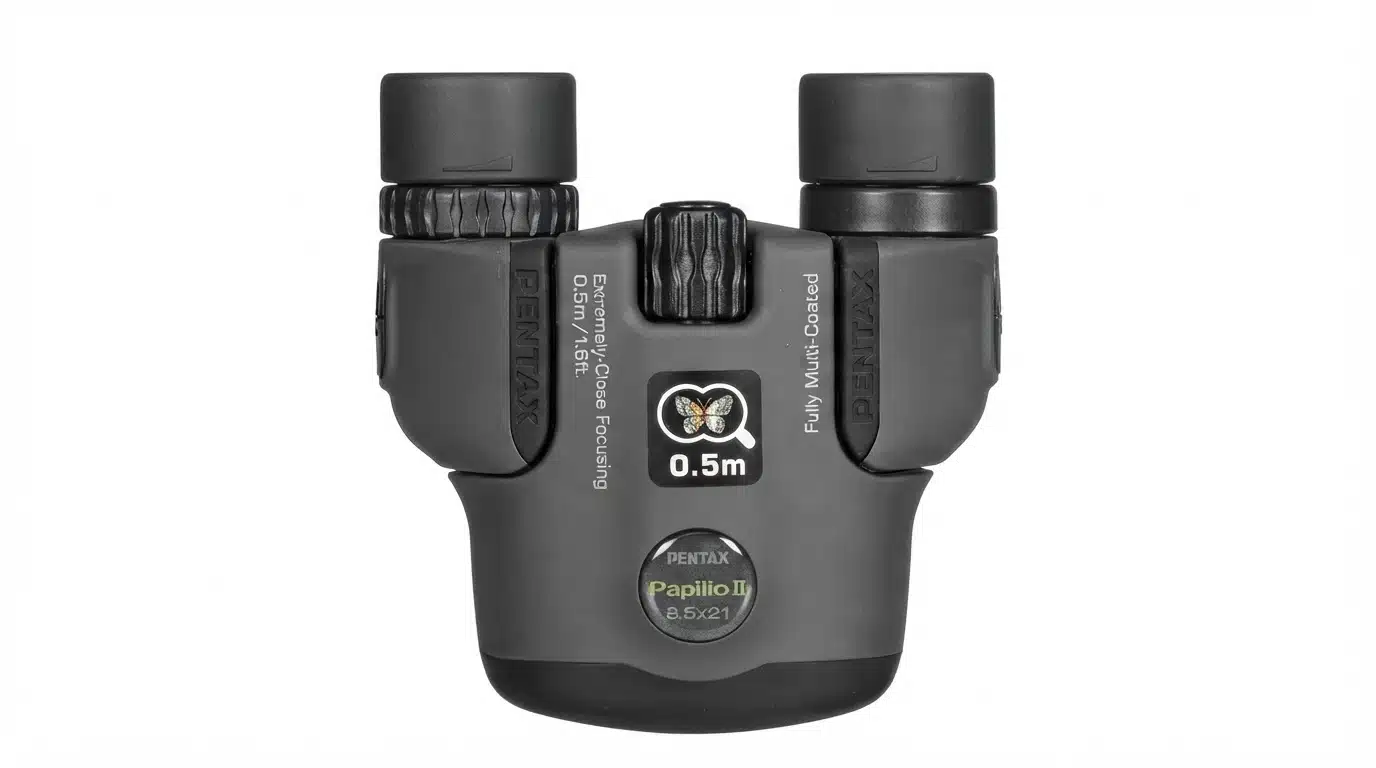
The Pentax Papilio II’s party trick is its close-focus mechanism, which lets you focus down to about 20 inches, close enough to study a butterfly’s wing pattern or read fine print across a table.
It is the one pair on this list our tester kept using indoors, at a garden and a museum, not just outdoors. The tradeoff is a smaller 21mm lens that dims noticeably once the light fades.
-
Size: 8.5×21, close focus to about 1.6 ft
-
Price: around $130
-
Best for: Garden, museum, and insect viewing where close focus matters more than long-range brightness
These models cover different priorities, from affordable everyday viewing to premium optical performance. The right option depends on your activity, carrying needs, and the image quality you expect.
How to Choose the Right Compact Binoculars
Choosing compact binoculars requires understanding key specifications that affect viewing quality, comfort, and portability. The right features depend on your preferred activity, environment, and viewing expectations.
-
Understand Magnification and Lens Size: Numbers like 8×25 and 10×25 represent magnification and objective lens size. Higher magnification provides closer views but can reduce stability. Larger lenses improve brightness but increase weight, affecting portability.
-
Compare Roof Prism and Porro Prism Designs: Roof prism binoculars offer a slimmer, lightweight design ideal for compact models and travel use. Porro prism designs provide strong depth perception and brightness but usually require larger bodies and more space.
-
Check Field of View and Eye Relief: A wider field of view makes it easier to follow birds, wildlife, and moving subjects. Eye relief determines viewing comfort, especially for glasses wearers, during longer observation sessions.
-
Consider Weight, Waterproofing, and Build Quality: Lightweight construction makes binoculars easier to carry during travel and outdoor activities. Waterproofing, shock resistance, and durable materials are valuable for hiking, changing weather, and frequent outdoor use.
Selecting the right compact binoculars means balancing optical performance with convenience. Considering these factors helps ensure your choice matches your activities, rather than relying on brand reputation or price alone.
Compact Binoculars vs. Full-Size Binoculars
Compact and full-size binoculars each win in different situations, and neither one is the better choice across the board. The table below breaks down where each style pulls ahead.
|
Factor |
Compact Binoculars |
Full-Size Binoculars |
|---|---|---|
|
Weight and portability |
Lightweight, easy to carry all day |
Heavier, more noticeable on long trips |
|
Light-gathering ability |
Smaller lenses let in less light |
Larger lenses produce a brighter image |
|
Best light conditions |
Strong in daylight |
Better at dawn, dusk, and low light |
|
Handling and eye relief |
Can feel less stable at higher zoom |
Steadier grip, better eye relief for long sessions |
|
Best use cases |
Travel, hiking, concerts, daytime wildlife viewing |
Serious birding, low-light observation, extended sessions |
If you already own a full-size pair for serious birding, a compact model still earns its spot as the pair you actually bring along on trips, flights, and quick outings.
Caring for Compact Binoculars So They Last
A few habits from our own testing kit keep a small pair working well for years instead of months:
-
Wipe lenses with a microfiber cloth or lens pen, never a shirt sleeve, which can grind dust into the coating
-
Store the pair in its pouch when not in use, and keep it out of a hot car dashboard or glovebox for long stretches, since heat can affect lens coatings and hinge lubricant over time
-
Use the included neck strap or a harness on uneven trails; most damage to pocket binoculars comes from a drop, not from weather
-
Check the double-hinge tension occasionally on folding pocket models; a loose hinge is common after a year or two of daily folding and is usually a quick warranty fix rather than a sign to replace the whole pair
-
Treat a “waterproof” rating as splash- and rain-resistant, not submersion-proof, unless the manufacturer specifically states a depth rating
Who Compact Binoculars are Not the Best Fit For
Compact binoculars are not the right tool for every situation, and it is worth saying so plainly:
-
Stargazing and astronomy: small lenses cannot gather enough light for a satisfying view of stars or planets; a full-size 10×50 or a telescope will serve you far better
-
Serious dawn or dusk birding: a full-size 8×42 will show more detail in low light than any pocket model on this list
-
Extended handheld sessions at 10x or higher: the lighter the body, the more visible hand shake becomes at higher magnification; bracing your elbows or using a small tripod adapter helps
-
Heavy glove use in cold weather: the small focus wheels on pocket models can be fiddly with thick gloves on
Common Mistakes to Avoid When Buying Compact Binoculars
Before buying compact binoculars, consider more than just size and magnification. Avoid these mistakes to choose a model that matches your viewing needs.
-
Choosing high magnification without considering how steady your hands need to be
-
Ignoring lens coatings, which affect brightness more than the spec sheet suggests
-
Shopping by price alone and ending up with a dim or narrow field of view
-
Skipping eye relief if you wear glasses
-
Buying for one activity (say, hiking) when your main use is actually another (say, birding at dusk)
A good purchase balances magnification, optics, comfort, and purpose to provide better viewing performance.
Final thoughts
The right pick comes down to what you do outdoors more than any single spec. Hikers and travelers get the most from a folding pair like the Zeiss or Vortex, birders benefit from the Swarovski’s brighter glass, and a tight budget still lands a usable pair in the Nikon or Leupold.
None of the best compact binoculars here will out-resolve a full-size 8×42 at dusk, but for daytime use and quick grab-and-go moments, that tradeoff is easy to accept.
A good pair of pocket binoculars is one you will carry, which matters more than a better pair left at home. Tell us in the comments which pair made it into your bag, or which model you are still deciding between.
Frequently Asked Questions
Can Compact Binoculars Be Used for Stargazing?
Not well. Small 21 to 28mm lenses do not gather enough light for a satisfying view of stars or planets. A full-size 10×50 binocular or a basic telescope will show far more detail at night.
How Long Do Compact Binoculars Typically Last with Regular Use?
A well-made pair with sealed, waterproof housing typically lasts 5 to 10 years or longer with normal outdoor use, as long as you keep the hinges and focus wheel clean and don’t scratch the lenses. Cheaper models with unsealed housings tend to fail sooner if they get wet or dusty.
Do Compact Binoculars Need Image Stabilization at 10x or Higher?
Built-in stabilization is rare below the mid-range price point, so most 10x compact pairs rely on you to brace your elbows or lean against something solid. Some models accept a small tripod adapter for longer viewing sessions.
Are Compact Binoculars a Good First Pair for Kids or Beginners?
Generally yes, mainly because of the low weight, though a center-focus model like the Nikon or Celestron is easier for a beginner than an individual-eyepiece-focus design, which takes longer to learn.
What Is the Real Difference Between “compact” and “pocket” Binoculars?
The terms overlap, but “pocket” usually refers to lenses around 20 to 25mm that fold flat enough for a jacket pocket, while “compact” can include slightly larger 28 to 32mm lenses that are still small but do not fold as flat. The tradeoff is the same either way: smaller lenses mean less weight and less light.