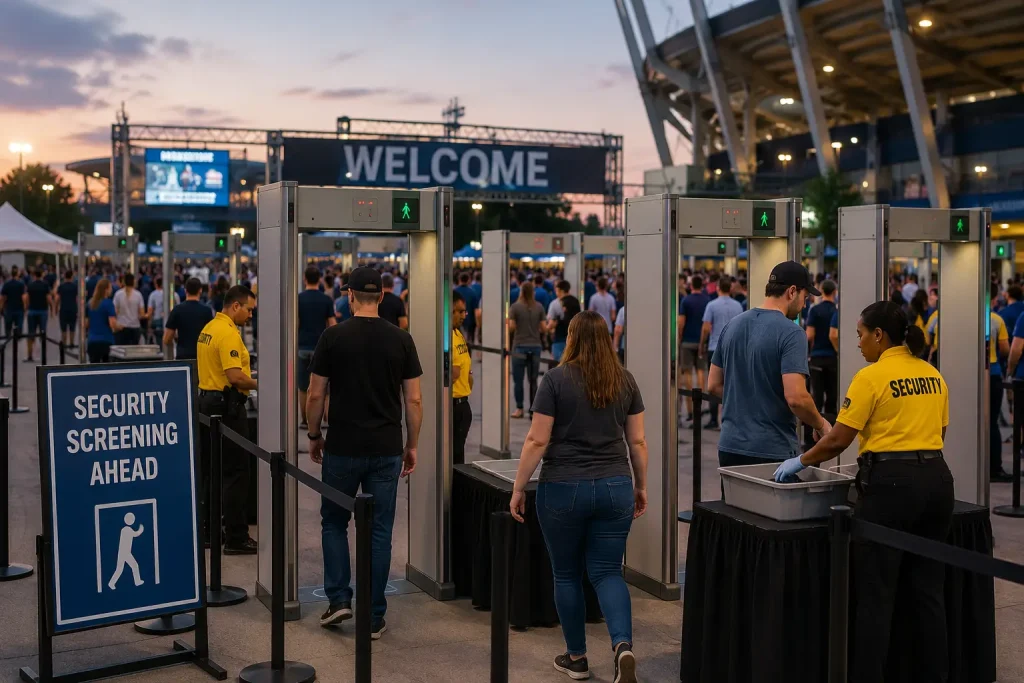
Fraud is an issue in all digital service provision contexts, not least the niche of event software platforms, where the potential for exploitation by malicious third parties hangs heavy, and the reputation of event organizers dangles by a thread. It’s a double-edged sword, of course, because delivering anti-fraud measures and security protections must not come at the expense of user convenience, either in the pre-event signup or once the event is underway and attendees are having to deal with the prospect of lengthy queues and frustrating administrative obstacles throughout the experience.
The good news is that there are a few ways for event platforms to walk this tightrope and knock fraud on the head without compromising the user experience.
Choosing Dynamic QR Codes
Static QR codes are easily screenshotted and shared across multiple attendees, making them ripe for exploitation, whereas dynamic QR codes refresh an encrypted token every 15 to 30 seconds using an algorithm similar to Time-based One-Time Passwords (TOTP), rendering screenshots useless almost as soon as they’re taken. So, moving to dynamic QR codes for event access is secure, as well as keeping queues moving.
It’s similar to the type of tech that keeps Canada’s live casinosites secure, as it effectively makes the anti-fraud measures frictionless for the end user, while foiling the most common exploitative tactics deployed by cybercriminals.
Opting for Pre-Verification
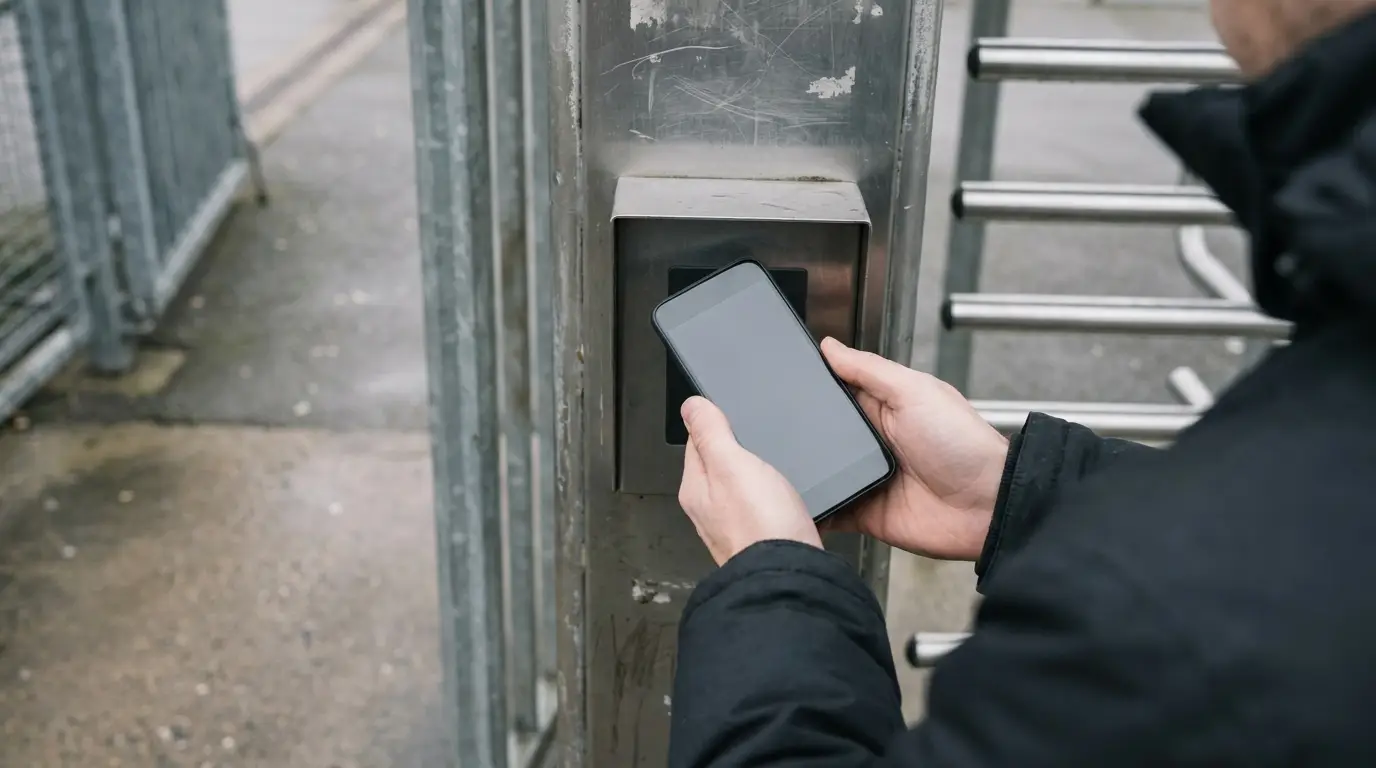
Another major bottleneck in any event access scenario comes from having to check attendee identities, including their ages for any high-security and age-restricted experiences, one by one as they pass through the entrance. Manually reviewing physical IDs is a process prone to cause delays, so upstreaming ID verification by getting attendees to go through the key steps ahead of the event via the app is the obvious solution.
It’s straightforward to implement in-app ID scanning and facial recognition for this purpose. Then, the digital ticket can be converted into a pass that’s treated as ID-verified, meaning each person can be approved in a couple of seconds, instead of half a minute or more.
Consider Hardware Vulnerabilities
The last thing to think about when working to reduce friction at the point of entry to events, while still prioritizing security and limiting the likelihood of fraud, is the hardware used in conjunction with the platform’s software. You want any QR code scanners and POS devices, for instance, to be synchronized with one another and connected via a dedicated network, whether wired or wireless. This should not be shared with any other devices, nor should it be dependent on external network access, so that it’s both completely immune to fraudulent ticketing tactics and also shielded from unplanned network downtime and other digital disruption.
And you’ll also need a plan for what to do when a ticket fails to scan, or there’s some other issue. Dealing with problems in the main queue is not ideal, so having a dedicated troubleshooting area set up for just this purpose keeps the line moving and keeps your reputation squeaky clean throughout.