If your mic makes your voice sound sharp, thin, or too roomy, the mic may not be the only issue. Your voice, room, and recording style can change the result fast.
If you searched for “what is a condenser microphone?” You likely want to know when this mic is actually worth using.
A condenser mic is often best for vocals, voice-over, podcasting, online lessons, acoustic instruments, and quiet recording spaces. It can catch small sound changes that make a take feel close and clear.
It is not the best fit for every room or every voice. So the real question is not just what it is. It is where it works best and when another mic may be easier.
What is a Condenser Microphone?
A condenser microphone is a sensitive mic that uses a thin, charged diaphragm to capture fine detail in sound, which is why it is a favorite for vocals, voice-over, podcasting, and acoustic instruments.
It responds to small changes in air pressure, so a take can feel close, clear, and lifelike when everything is set up well.
It is not automatically better just because it sounds detailed, though. The sound of a condenser mic really comes down to three things lining up: the sound source, the room, and the distance from the mic.
The source is what you record, the room decides how much echo and background noise the mic hears, and the distance controls whether a take feels close or thin. That is why the same mic can sound great in one space and poor in another.
Best Situations for a Condenser Microphone
Once the source, room, and distance make sense, the best uses become easier to spot. A condenser microphone is a strong choice for controlled recording where clarity, tone, and small sound changes matter. It is a good fit for:
- Studio vocals: It catches breath, tone, and softer vocal changes well.
- Voice-over: It can make narration sound close, clean, and easy to understand.
- Podcasting in a quiet room: It works well when the speaker stays close, and the room has low echo.
- Online lessons and courses: It can help make speech sound clear for teaching, tutorials, and training.
- Quiet streaming setups: It can work well when keyboard clicks, fans, and room noise are controlled.
- Acoustic music recording: It can capture the texture of guitar, piano, strings, ukulele, cymbals, and room sound.
Choose this mic when you want a clean, detailed recording. If the room is noisy, that same detail can become a problem.
Instruments that Sound Good on a Condenser Mic
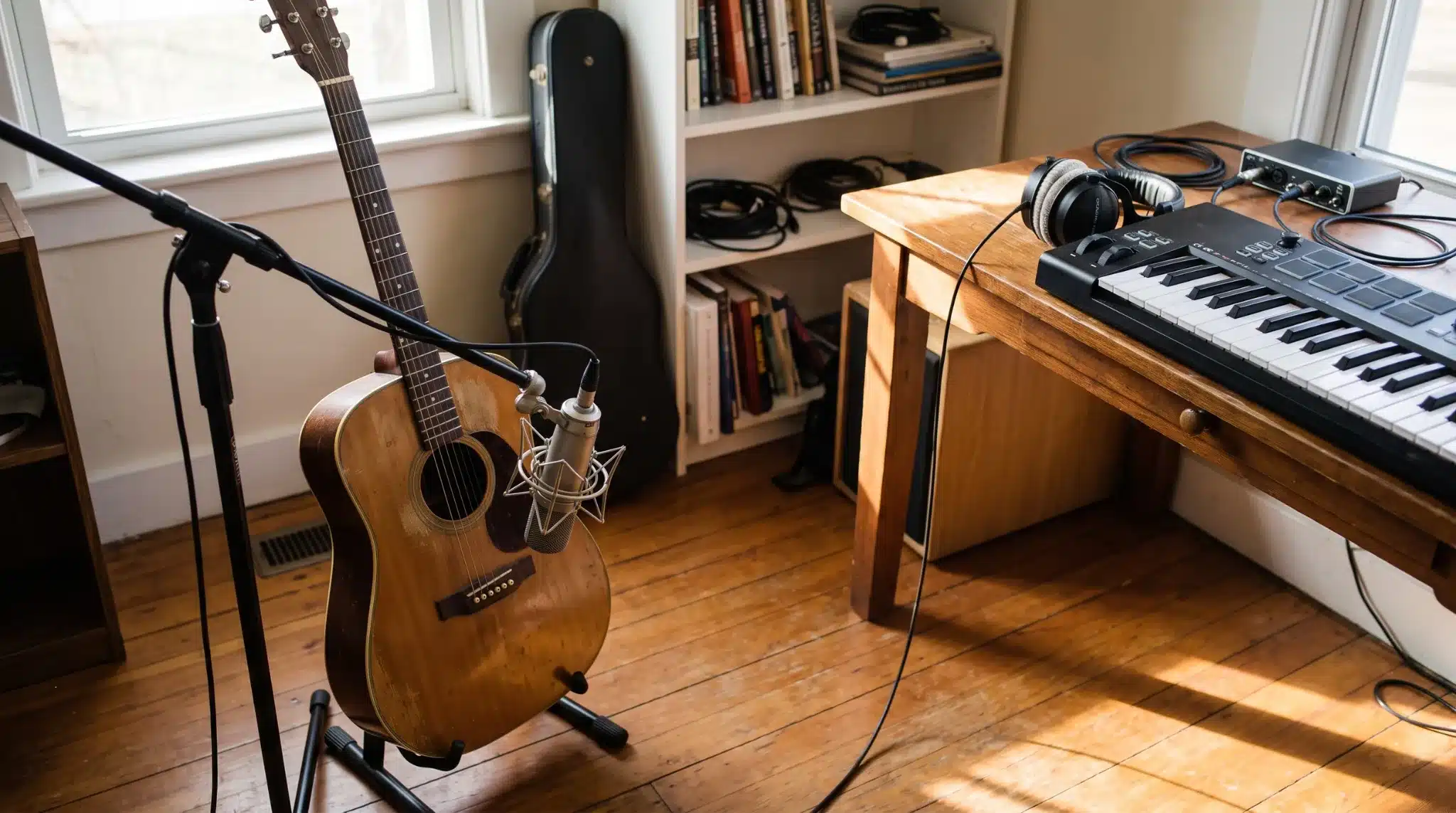
A condenser mic is often a good choice for instruments with clear tone, string movement, or fast changes in sound. It can make the recording feel more lifelike when placed well.
- Acoustic guitar: It can capture pick attack, finger movement, and string brightness.
- Piano: It can record soft notes, sharp attack, and body in the sound.
- Strings: Violin, viola, and cello can sound clear when the mic is placed at a good distance.
- Ukulele and mandolin: It can catch the light tone of smaller string instruments.
- Cymbals and drum overheads: It can record shimmer and space, but placement matters.
- Room sound: It can work when you want the space around an instrument to be part of the recording.
For loud amps or drums, check the max SPL and use careful gain settings. Some condenser mics can handle loud sources, but they are not always the easiest first choice.
What a Condenser Mic Needs to Work
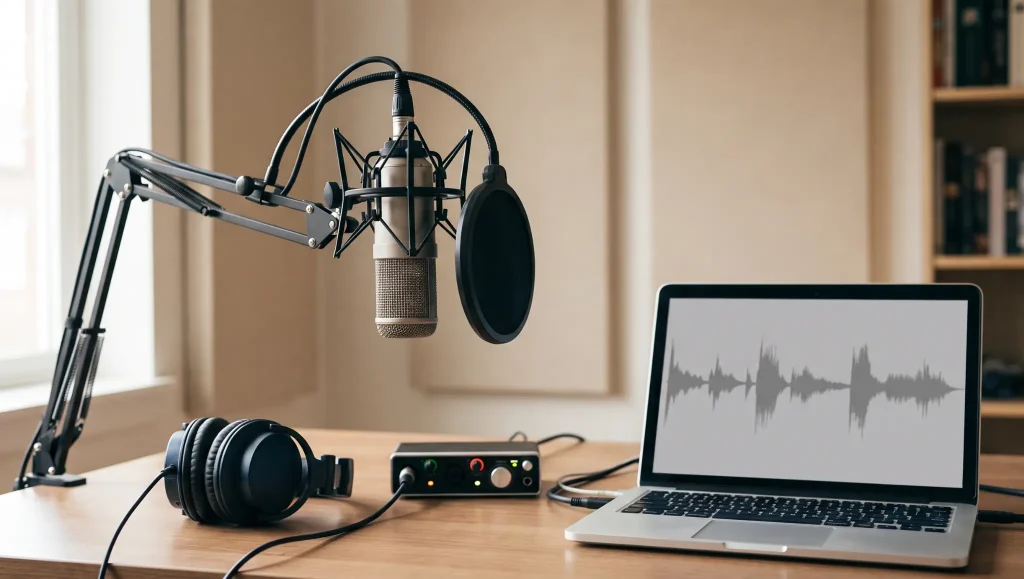
Most modern XLR condenser mics need 48V phantom power from an audio interface or mixer. USB condenser mics get power from the device they plug into.
Shure explains phantom power as the DC power used by condenser mics with active circuitry. This matters because an XLR condenser mic may not work if phantom power is turned off.
A USB model is easier for beginners because it usually connects straight to a computer or supported device. An XLR model gives more control, but it needs extra gear.
This power requirement is part of how a condenser microphone works, so check your connection before you buy.
How a Condenser Microphone Converts Sound Into a Signal
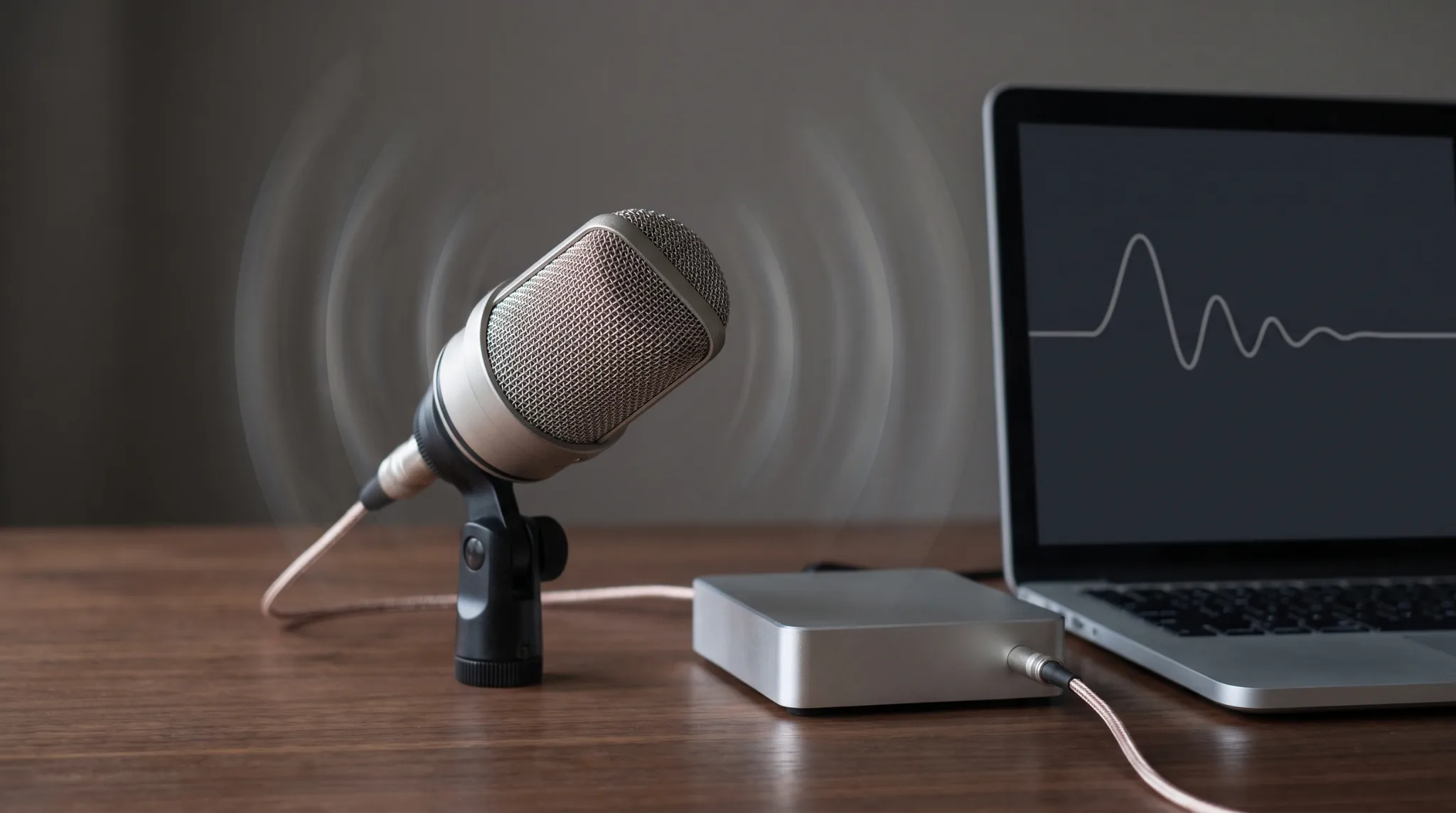
If you are asking what a microphone does, the simple answer is that it turns sound into an electrical signal. Sound waves strike a thin membrane inside the mic, called the diaphragm. That movement becomes a signal your computer, recorder, mixer, or speaker can use.
A condenser mic uses a very thin diaphragm and a charged backplate. As the diaphragm moves, the space between those parts changes. The mic converts those changes into an audio signal.
That is also the simple answer to the question of how a condenser microphone works. It uses a charged capsule to respond to small sound movements, which is why it can capture fine detail in a voice or instrument.
For more technical background, DPA Microphones explains how microphones convert acoustic energy into electrical energy. Neumann also explains why condenser mics can follow sound waves closely.
If you still wonder what a microphone does in daily use, think of it as the bridge between real sound and recordable audio.
Which Voices Suit a Condenser Mic?
A condenser mic can suit voices that need clarity, softness, or close detail. It often works best when the speaker or singer can stay near the mic and keep a steady level.
- Soft speakers: It can catch quiet words without forcing the person to speak louder.
- Calm podcast hosts: It can make a steady speaking voice sound fuller and more present.
- Singers with a light tone: It can pick up breath, gentle phrasing, and small tone shifts.
- Voice-over artists: It can help narration feel clear, close, and controlled.
- Online teachers: It can make lessons easier to hear when the room is quiet.
Very loud voices can still work, but the mic may need more distance and lower gain. Bright voices may sound sharp if the room has an echo or the mic is aimed too directly at the mouth.
Condenser vs Moving-Coil Mic: Which Fits Better?
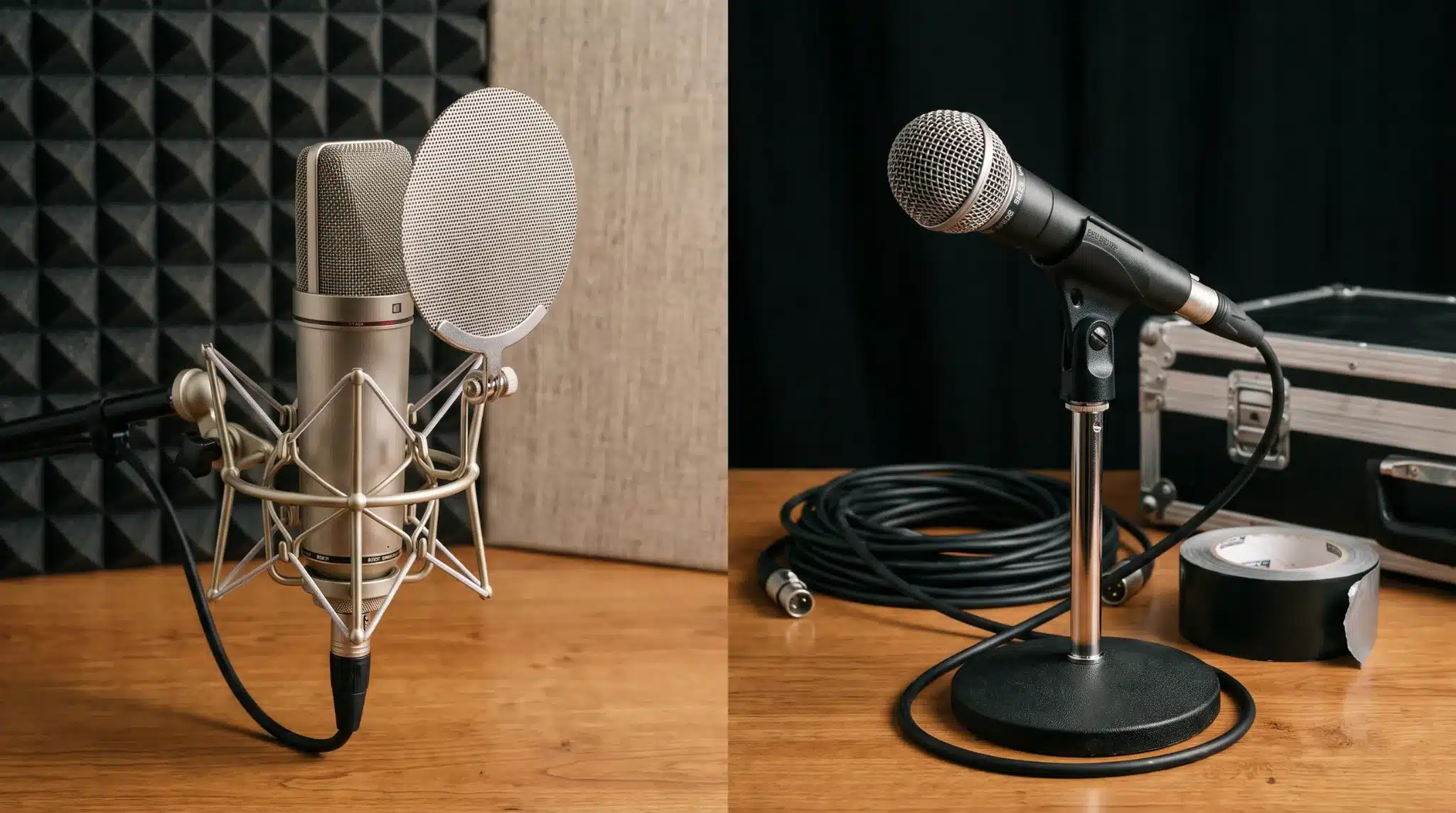
Once you know where a condenser mic helps, compare it with a moving-coil mic. The better choice depends on your room, source, and recording job.
| Feature | Condenser mic | Moving-coil mic |
|---|---|---|
| Power | Usually needs 48V phantom power, USB power, or battery power | Usually works without outside power |
| Sound style | More open, clear, and detailed | More focused, direct, and controlled |
| Room noise | Picks up more room sound, echo, and small background noises | Rejects more room sound when used close |
| Best voice use | Studio vocals, voice-over, podcasting, online lessons, and quiet streaming | Live vocals, noisy rooms, gaming desks, and close spoken voice |
| Best instrument use | Acoustic guitar, piano, strings, cymbals, and room sound | Loud guitar amps, drums, live instruments, and stage use |
| Setup needs | Needs careful placement, gain control, and a quieter room | More forgiving with distance, handling, and rough spaces |
| Durability | More sensitive to handling and moisture | Usually tougher for travel, stage use, and frequent handling |
| Beginner fit | Best if the room is quiet and you want detail | Best if the room has less noise or better control |
Choose a condenser mic when detail matters, and the space is controlled. Choose a moving-coil mic when noise control, toughness, or close use matters more.
When a Condenser Microphone May Pick Up Too Much
A condenser mic can work against you when the space adds too much noise. It may catch sounds you barely notice while recording. It may not be the best fit for:
- Noisy bedrooms: Fans, traffic, and laptop noise can be clearly heard.
- Gaming desks: Keyboard clicks and mouse sounds may become distracting.
- Bare rooms: Hard walls and floors can make the voice sound roomy.
- Outdoor recording: Wind, traffic, and open space can be hard to manage.
- Live stages: Crowd noise, stage bleed, and handling risk can make an easier mic feel tougher.
- In untreated loud spaces, echo and background noise may become too obvious.
This does not mean a condenser mic is bad. It means it hears a lot. If you cannot control the background sound, a less sensitive mic may be the better choice.
Condenser Microphone Specs that Matter
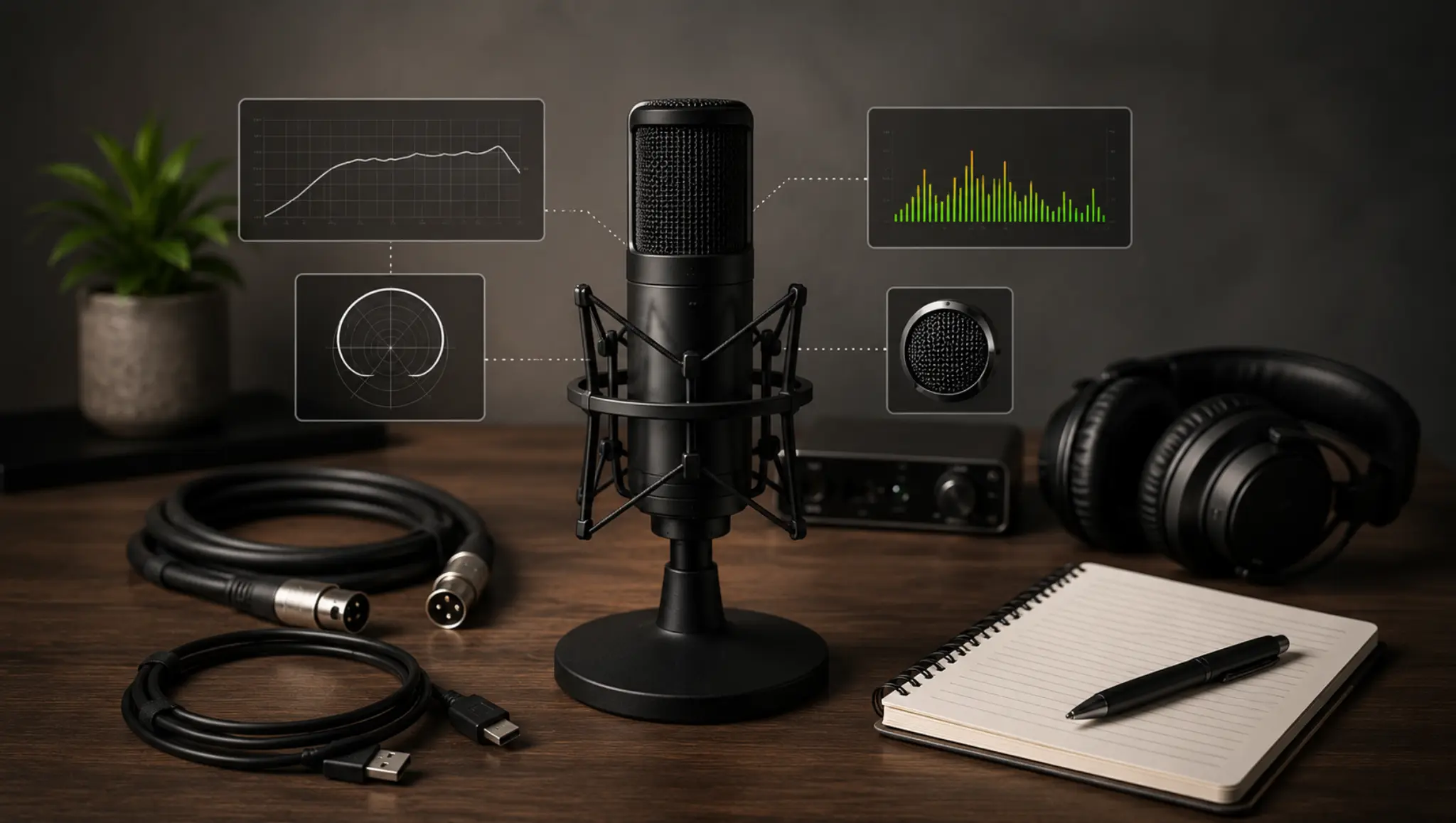
Specs should support your choice, not make the decision harder. Check only the details that affect your use.
- Polar pattern: This tells you where the mic listens from. A cardioid is useful for one voice because it mainly picks up sound from the front.
- Self-noise: the mic’s faint internal noise. Lower self-noise helps quiet voice recordings sound cleaner.
- Max SPL: This indicates how loud a sound the mic can handle before it distorts. It matters for drums, amps, and loud singers.
- Frequency response: This shows how the mic handles low, middle, and high tones. A vocal mic should not make your voice sound harsh or muddy.
- Connection type: This tells you if the mic uses USB, XLR, phantom power, battery power, or extra gear.
Do not buy by specs alone. Use them to check if the mic fits your voice, room, gear, and recording style.
Which Condenser Mic Type Fits Your Use?
Different condenser mics suit different jobs. The right one depends on what you record most often.
| Setup type | Best for | What you need |
|---|---|---|
| Large-diaphragm condenser mic | Vocals, podcasting, voice-over, streaming | Mic, stand, pop filter, quiet space |
| Small-diaphragm condenser mic | Acoustic guitar, piano, cymbals, strings, stereo recording | Mic, stand, clean placement, recording gear |
| USB condenser mic | Beginners, calls, simple voice recording, streaming | Mic, computer, or supported device, headphones |
| XLR condenser mic | Better control, long-term recording setup, music work | Mic, XLR cable, interface or mixer, phantom power |
For voice, start with a large-diaphragm model. For acoustic instruments, a small-diaphragm model may fit better. For the easiest start, choose USB. For more control, choose XLR.
If you mostly stream or game, it also helps to see how these condenser options line up against microphones chosen for gaming and streaming, since desk noise and steady voice pickup matter a lot in those setups.
RØDE explains the difference between large- and small-diaphragm condenser mics if you want a deeper product-level comparison.
Connecting a Condenser Mic to Recording Apps
This is a quick support step after choosing the right mic. The main choice still depends on the situation, voice, instrument, and room.
- Open your recording, meeting, or streaming app.
- Go to the audio or input settings.
- Select your condenser mic as the input device.
- Speak at your normal level and watch the input meter.
- Use headphones if your app or interface allows live monitoring.
- Record a short sample and play it back before the full take.
This quick check helps you catch the wrong mic source, low volume, hum, crackle, or clipping before a full recording. A closed-back pair of studio monitoring headphones makes this step easier, since it lets you hear exactly what the mic is capturing while you record instead of after.
Common Mistakes and Quick Fixes
A condenser mic can sound poor even when it is the right type. Most problems come from distance, gain, pickup direction, or small setup misses.
- Recording too far away: This can make your voice sound thin, roomy, or distant. For voice, keep the mic about 6 to 12 inches from your mouth.
- Pointing at the wrong part of the mic: Many condenser mics primarily pick up sound from the front. Face the correct side so your voice does not sound weak.
- Setting the gain too high: Loud words can crack or distort when the input level is too strong. Lower the gain until loud words stay clean.
- Skipping a pop filter: Hard “p” and “b” sounds can hit the mic too strongly. A pop filter helps soften those bursts of air.
Small setup fixes can make the right mic sound much better. If the recording sounds bad, check these basics before replacing the mic.
Final Thoughts
Now the answer to what a condenser microphone is should feel clear and useful. It is best for detailed voices, controlled recording spaces, and instruments where small changes in tone matter.
I would choose one for soft vocals, singing, voice-over, podcasting, online lessons, acoustic guitar, piano, strings, cymbals, and quiet streaming setups.
I would choose a less sensitive mic if the room has heavy echo, loud fans, keyboard noise, or traffic that cannot be controlled.
Start with the sound you want to record, then check your room, voice, instrument, and setup. Before you buy, compare the use cases above and record a short test if you already have the mic. Drop a comment below and let me know if this was helpful.
Frequently Asked Questions
Can I Use It with a Phone?
Yes, but the phone must support the mic through the right adapter, app, or mobile audio interface. Some USB models work directly. XLR models usually need an interface that provides power and clean input.
Why Does My Voice Sound Delayed While Recording?
Voice delay usually comes from software monitoring, high buffer settings, or a slow device. Try direct monitoring on your interface, close extra apps, or lower the buffer size if your software allows it.
What File Format Should I Use?
Record in WAV when you plan to edit. It keeps more sound data than compressed files and gives you more room to clean the audio. MP3 is better for sharing after editing.
How Long Can the Cable Be?
A balanced XLR cable can run much longer than a USB cable with fewer issues. For a home setup, keep cables only as long as needed to reduce clutter and accidental pulls.