Behind every successful festival is an enormous amount of planning that most attendees never notice. Food vendors, merchandise booths, entertainment, security, sanitation, equipment suppliers, and logistics teams all need to work together to create an event that feels effortless from the visitor’s perspective.
While headline attractions often receive the most attention during planning, vendor decisions usually have a greater influence on how smoothly the event actually runs.
Choosing the right partners early reduces last-minute problems, keeps operations organized, and allows organizers to focus on delivering a memorable experience instead of constantly troubleshooting.
Choose Vendors Who Can Scale With the Event
Price is an important consideration, but reliability, communication, production capacity, and consistency often become far more valuable as the event grows. Vendors should be able to meet deadlines, respond quickly to changes, and maintain quality even when demand increases unexpectedly.
Organizers frequently rely on professional printing partners for entrance signage, sponsor displays, directional signs, booth graphics, schedules, and promotional materials.
Exploring services through Printmoz can help event planners evaluate large-format printing solutions that keep branding consistent throughout the venue while improving navigation for both vendors and attendees. Clear signage may seem like a small detail, but it contributes significantly to creating an organized and professional atmosphere.
Plan Specialty Vendors Well in Advance
Certain suppliers require considerably more preparation because of inventory availability, transportation, permits, or regulatory requirements. Waiting until the final weeks before an event can limit available options and increase costs.
Large seasonal celebrations, fairs, and community festivals that include fireworks or retail fireworks operations where permitted often begin planning months in advance.
Organizers researching united states fireworks wholesale typically do so while evaluating product availability, ordering schedules, and logistical requirements before finalizing larger event plans. Confirming specialty vendors early gives organizers greater flexibility as other parts of the event continue coming together.
Design the Site Around Visitor Flow
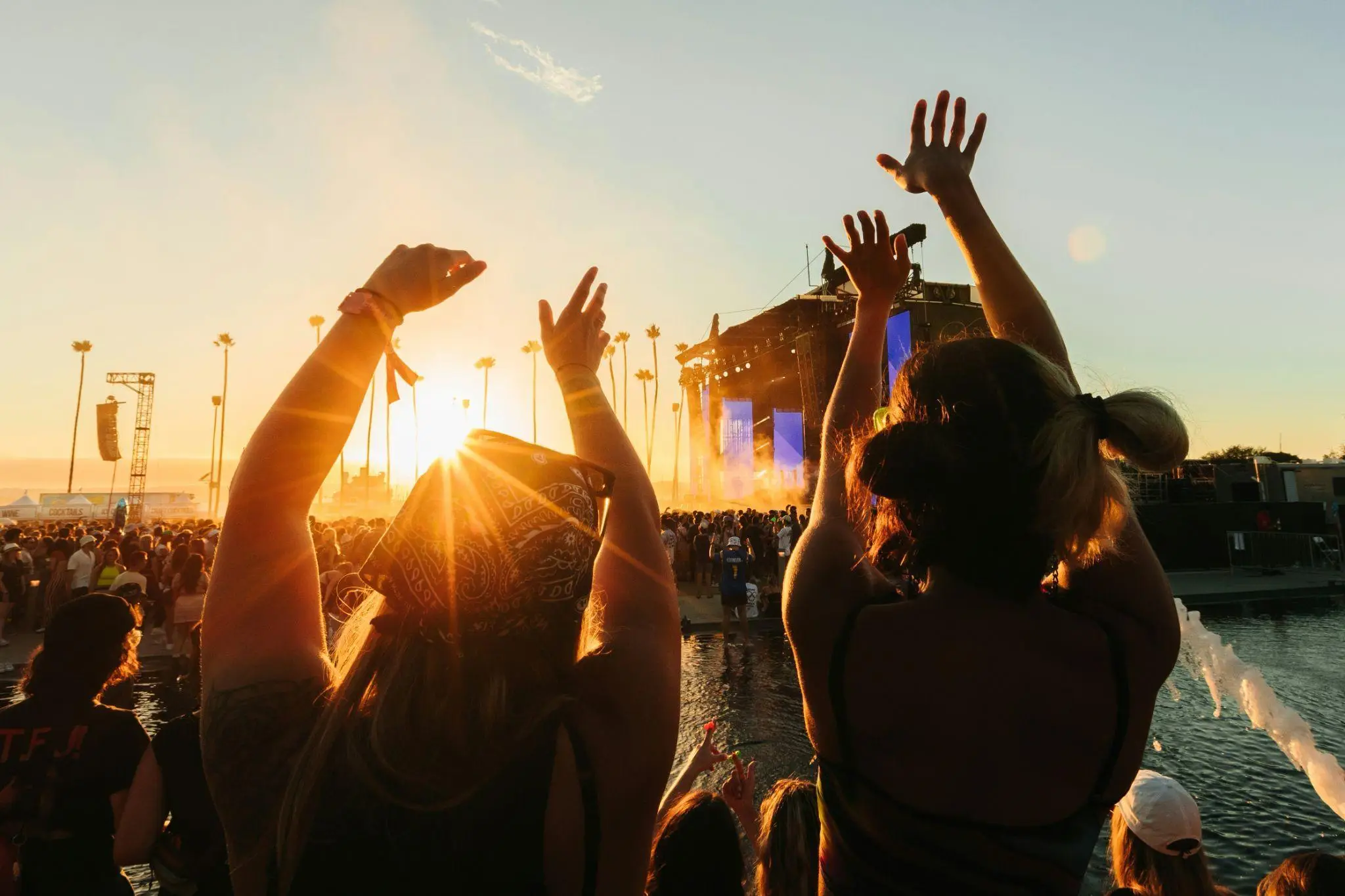
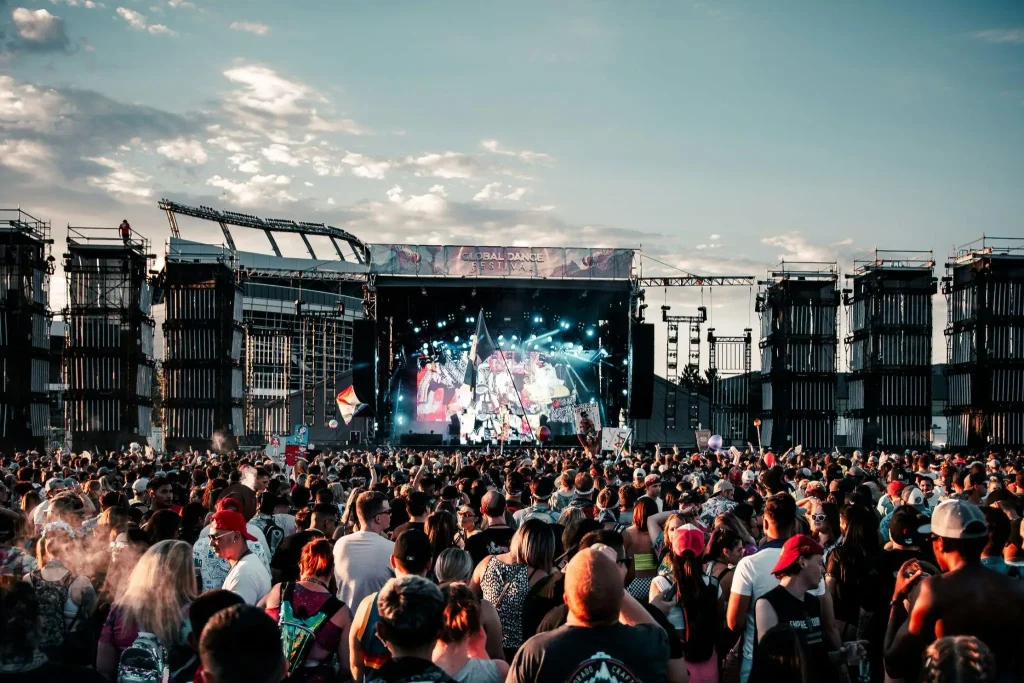
A successful site layout does far more than look attractive. It influences how comfortably guests move through the event, how long they stay, and how easily vendors can serve customers. Food vendors benefit from having enough room for waiting lines without blocking walkways, while merchandise booths often perform better in areas with consistent foot traffic.
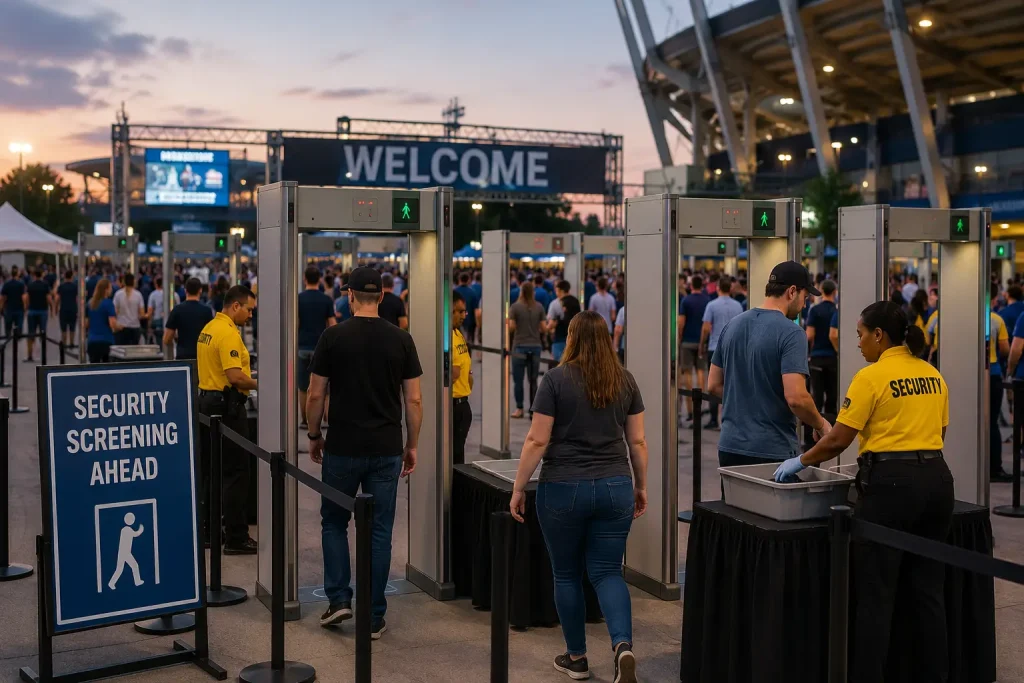
Seating, restrooms, information booths, and emergency access routes should all be considered as part of the overall layout rather than treated as separate elements. A thoughtful design helps reduce congestion while creating a more enjoyable experience for everyone attending.
Communication Solves Problems Before They Happen
Many event-day issues begin with unclear expectations rather than unexpected circumstances. Providing vendors with detailed setup schedules, unloading procedures, parking instructions, emergency contacts, utility information, and site maps helps eliminate unnecessary confusion before anyone arrives.
Regular communication throughout the planning process also allows organizers to identify potential concerns early enough to resolve them without affecting the event itself. Vendors who understand exactly what to expect generally require less supervision and can begin operating more efficiently from the moment the gates open.
Think Beyond Opening Day
Vendor management doesn’t end when visitors arrive. Cleanup procedures, equipment removal, waste collection, final inspections, and payment schedules should all be planned before the event begins.
Having clear closing procedures helps prevent unnecessary delays once the celebration is over. It’s equally valuable to gather feedback afterward, since vendors often notice operational challenges and opportunities that organizers may miss while managing the overall event. These insights frequently become some of the most valuable planning tools for future festivals.
Successful public events rarely happen because everything goes perfectly. They succeed because organizers make thoughtful decisions long before the first guest arrives.
Choosing dependable vendors, confirming specialty suppliers early, designing an efficient layout, maintaining clear communication, and planning for both setup and breakdown all contribute to an event that feels organized from beginning to end. When these fundamentals are handled well, vendors can focus on serving guests, attendees can enjoy the experience, and organizers can spend less time solving problems and more time ensuring the event is a success.