Flood-damaged vehicles are among the most deceptive cars you will encounter at auction. From the outside, a flood car can look completely normal. The paint is intact, the body panels are straight, and the interior might even smell clean if someone took the time to dry it out and spray it down. The damage is almost entirely hidden, and it tends to get worse over time rather than better. Knowing what inspectors look for, and learning to look for the same things yourself, is the most reliable way to avoid a purchase you will regret.
Why Flood Damage Is Different
Most types of vehicle damage are mechanical and localized. A front-end collision damages specific components in a specific area. Hail damages body panels. Theft recovery vehicles are often missing parts that are easy to identify and replace. Flood damage is different because water can get everywhere, and the consequences unfold gradually.
When a vehicle is submerged or heavily flooded, water can enter the engine, transmission, electrical system, interior, and structural cavities of the body. Some of that water drains out. The rest sits, promotes rust, corrodes electrical connectors, and creates conditions for mold growth. A car that was flooded six months ago and dried out quickly will behave differently from one that sat in standing water for two weeks, but both carry risks that are not visible on the surface.
Repossessed cars at auction include a mix of damage types, and flood vehicles are a consistent part of that inventory, particularly after major weather events in coastal and low-lying states.
What Inspectors Check First
Professional vehicle inspectors follow a specific sequence when evaluating a potential flood car. Understanding that sequence helps you perform your own assessment.
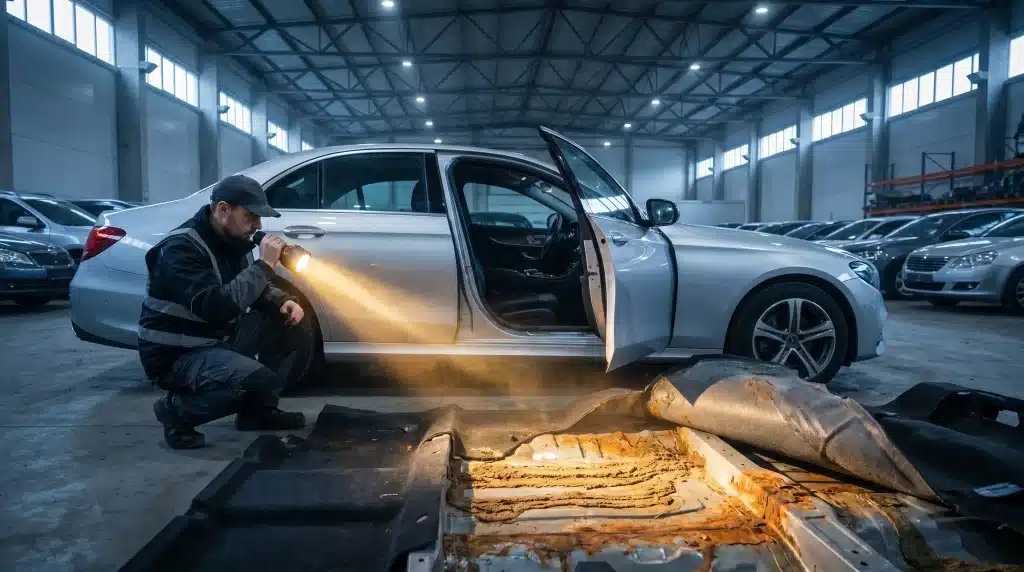
The first check is usually the interior. Inspectors look for waterlines on the door panels, under the dashboard, and along the lower sections of the seats. A waterline is a faint horizontal mark left by sediment or minerals in the water as it recedes. It is often visible on fabric, carpet backing, and plastic trim, even after the interior has been cleaned.
Carpet and seat foam are next. Flood-affected carpet typically feels stiffer than normal, even after drying, and may show discoloration at the edges where it meets the door sills. Pulling back the carpet to check the floor pan underneath is standard practice. Rust on the floor pan, or a layer of dried mud or silt, is a clear indicator of water intrusion.
Bank-seized vehicles that change hands multiple times before auction often have their interiors replaced entirely to hide flood damage. A mismatched interior, seats that do not match the trim level, or carpet that appears newer than the rest of the car should prompt closer investigation.
The Electrical System
Flood damage does its worst work in the electrical system, and the effects are rarely immediate. Corrosion on electrical connectors is slow-moving. A flooded car might function normally for three to six months before intermittent faults start appearing, and those faults are notoriously difficult to diagnose because corroded connectors behave inconsistently.
Inspectors check the fuse box, both under the hood and inside the cabin, for signs of water intrusion. Corrosion on fuse terminals, a white or greenish residue on connectors, or a musty smell inside the fuse box are all red flags. The wiring harness, which runs throughout the vehicle, is also checked for brittleness or discoloration, since water-damaged insulation degrades faster than normal.
The OBD-II port, located under the dashboard, is another useful checkpoint. A scanner plugged into a flooded vehicle often returns a long list of historical fault codes from sensors that were submerged and later dried out. Those codes may no longer be active, but their presence in the history log tells a story.
Under the Hood
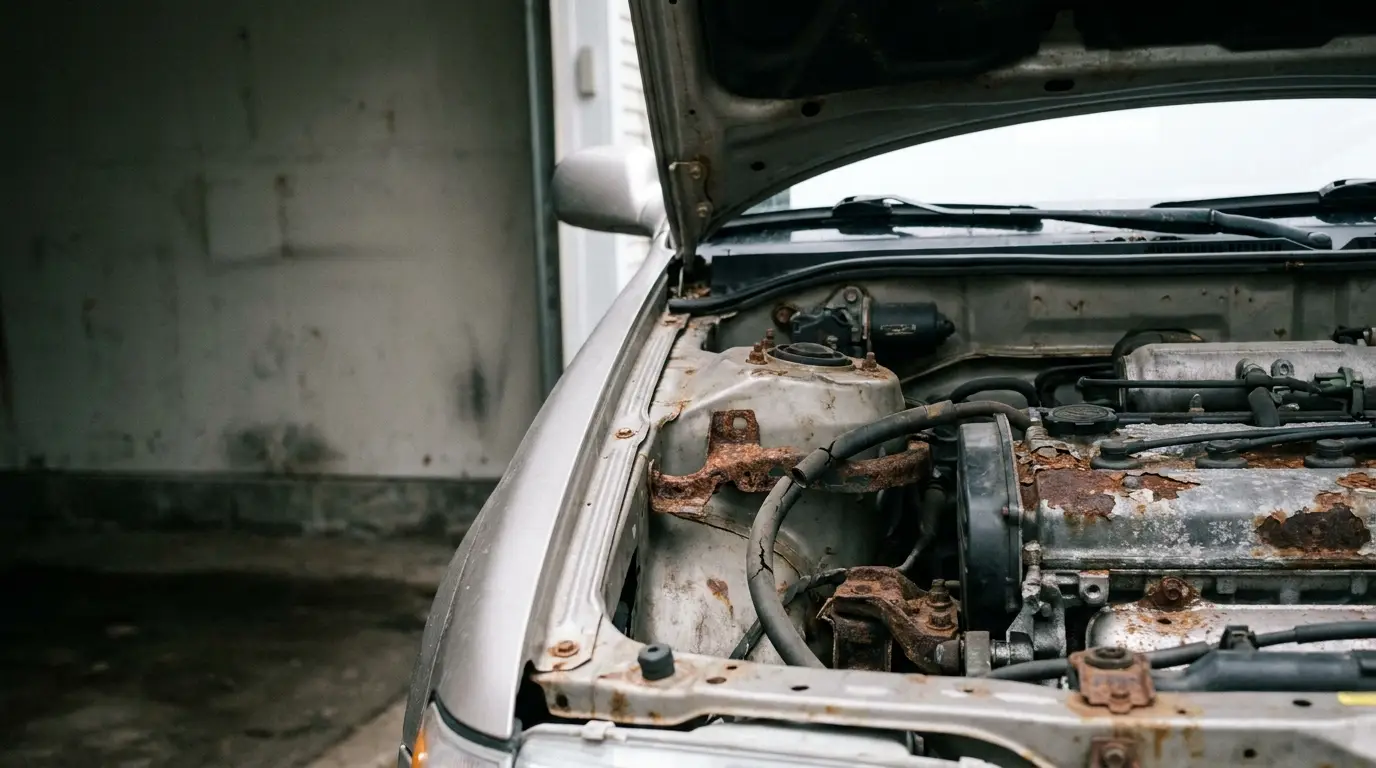
Water in the engine is one of the most serious outcomes of flood damage. If an engine is running when it ingests water, the result is often a hydrolocked engine, where water in the cylinders prevents the pistons from completing their stroke. The connecting rods bend or break, and the engine is usually beyond economical repair.
Even if the engine was not running during the flood, water sitting in the cylinders can cause rust on the cylinder walls and bearing surfaces. Inspectors remove spark plugs to check for water or rust inside the combustion chambers. They also check the oil dipstick for a milky or foamy appearance, which indicates water contamination of the engine oil.
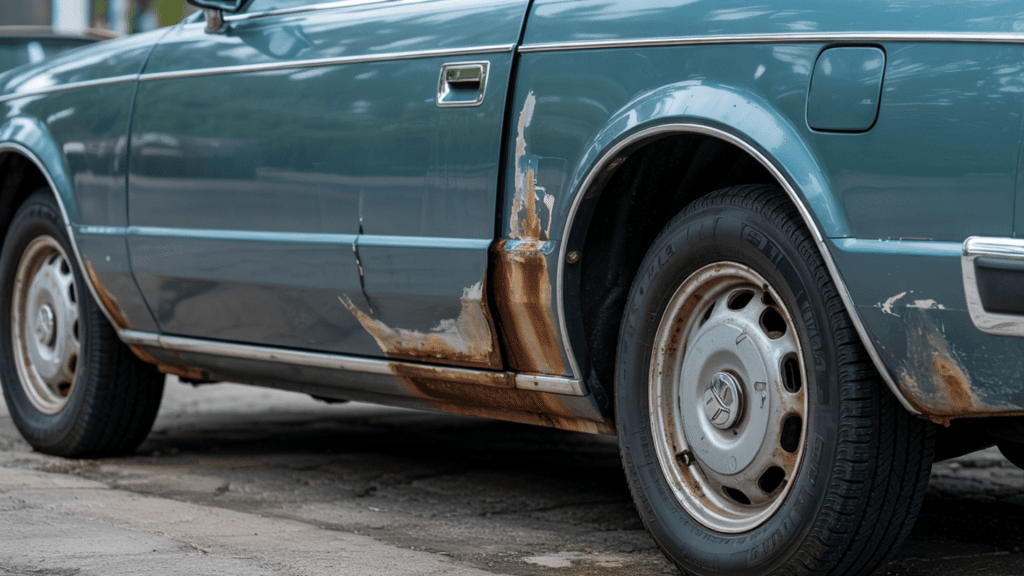
The air filter housing is another indicator. Silt or water staining inside the airbox suggests water reached the intake system. Rust on the underside of the hood, in areas that would not normally see moisture, points to prolonged water exposure.
Bank-repossessed vehicles for sale sometimes include vehicles recovered after natural disasters, for which the damage was never fully disclosed in the title history. This is particularly common when vehicles cross state lines after a flood event, as title branding requirements vary and are inconsistently enforced.
Checking the History
A vehicle history report is a starting point, not a final answer. Reports from services like Carfax or AutoCheck pull from insurance records, state DMV databases, and salvage title filings. They capture many flood events, particularly those processed by major insurers. They do not catch every case, especially when the vehicle was privately sold after a flood without an insurance claim being filed.
Cross-referencing the vehicle’s location history with known flood events is a useful additional step. A vehicle registered in Houston, Texas, in 2017 deserves extra scrutiny given the scale of flooding from Hurricane Harvey. The same applies to vehicles from coastal Louisiana, South Florida, and the Carolinas following major storm events in recent years.
What to Do Before Bidding
If you are evaluating a vehicle remotely via an online auction, request the full inspection report and carefully review the interior photos. Pay attention to the lower sections of the door panels, the area under the seats, and any shots of the trunk floor or spare tire well. Water tends to pool in the spare tire well, and rust or silt in that area is often visible in photos if you know to look for it.
If you have the opportunity for an in-person inspection, bring a flashlight, a moisture meter if you have one, and a willingness to get under the car. Check the frame rails for rust that goes beyond surface oxidation. Examine the brake and fuel lines for signs of accelerated corrosion. Smell the interior with the windows closed for a few minutes, since mold has a distinctive odor that air fresheners mask but do not eliminate.
Flood-damaged vehicles can be bought and repaired successfully, but the repair costs are high, the risks are real, and the margin for error is small. Going in with clear eyes is the only way to make the math work.