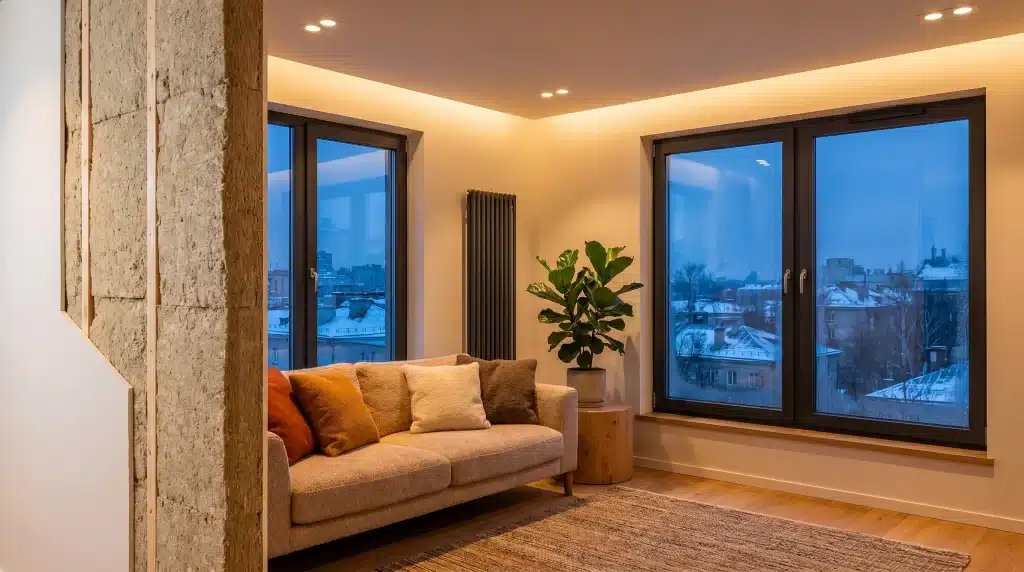
Energy bills have stayed high enough to make many homeowners rethink how they heat and run their homes. You notice it during winter when the boiler works harder, but certain rooms still feel cold, or when electricity costs creep up even though your routine has not changed much.
A more energy-efficient home does not rely on expensive gadgets or major building work alone. In most cases, steady improvements make the biggest difference. Better heating control, smarter insulation choices and more efficient appliances all help you cut wasted energy without making daily life uncomfortable.
You also gain a warmer, more practical home that works harder for the money you already spend on it.
Upgrade Heating Systems and Improve Home Insulation
Heating accounts for a large share of household energy use. An ageing boiler may take longer to heat water, cycle on and off too often, or struggle to keep temperatures stable. Modern systems use fuel more effectively and give you better control over heating output across the house.
Many homeowners who replace older systems with modern new boilers notice more consistent warmth and lower monthly costs because the system no longer burns extra fuel to compensate for wear and inefficiency.
Insulation stops heat from escaping through the roof, walls and floors. Loft insulation, for example, helps your home hold heat overnight instead of losing it through the roof within hours.
Draught-proofing around doors and windows also makes a visible difference. You feel fewer cold spots near entrances, and your heating system does not need to run as frequently to maintain the same temperature.
Use Smart Thermostats and Home Automation for Heating Control
Many households heat empty rooms without realising it. Smart thermostats solve that problem by adjusting temperatures around your daily routine. If you leave for work at 8am and return at 6pm, the system can lower the temperature during the day and warm the house shortly before you get back.
This approach saves energy because your boiler no longer runs at full output when nobody needs the heat. In practical terms, that can reduce unnecessary heating hours by several hours each week. Some systems also track weather conditions and adapt automatically when outdoor temperatures rise.
Switch to Energy-Efficient Lighting and Smart Appliances
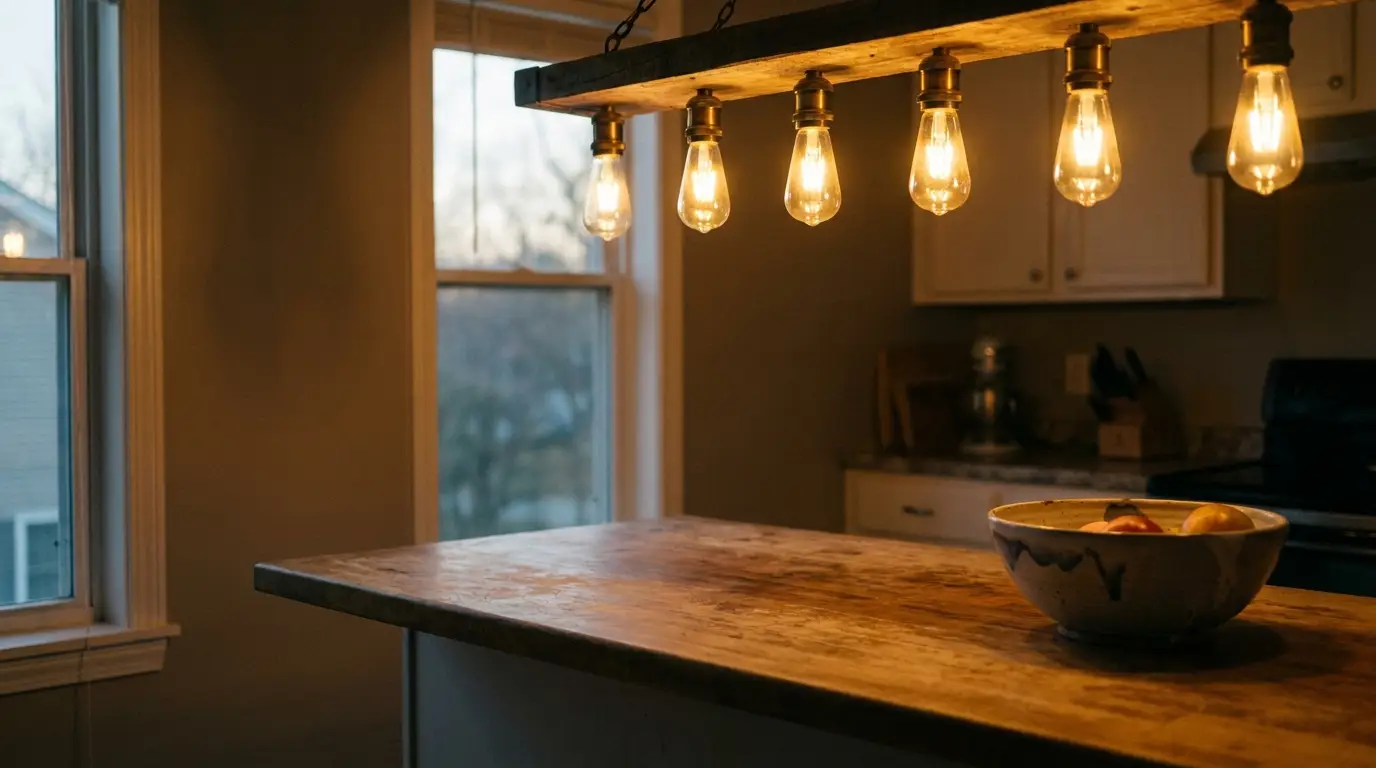
Older halogen and incandescent bulbs use far more electricity than modern LED lighting. LEDs also last much longer, which means fewer replacements and lower maintenance costs over time. In a busy family home, switching frequently used bulbs can noticeably reduce electricity usage throughout the year.
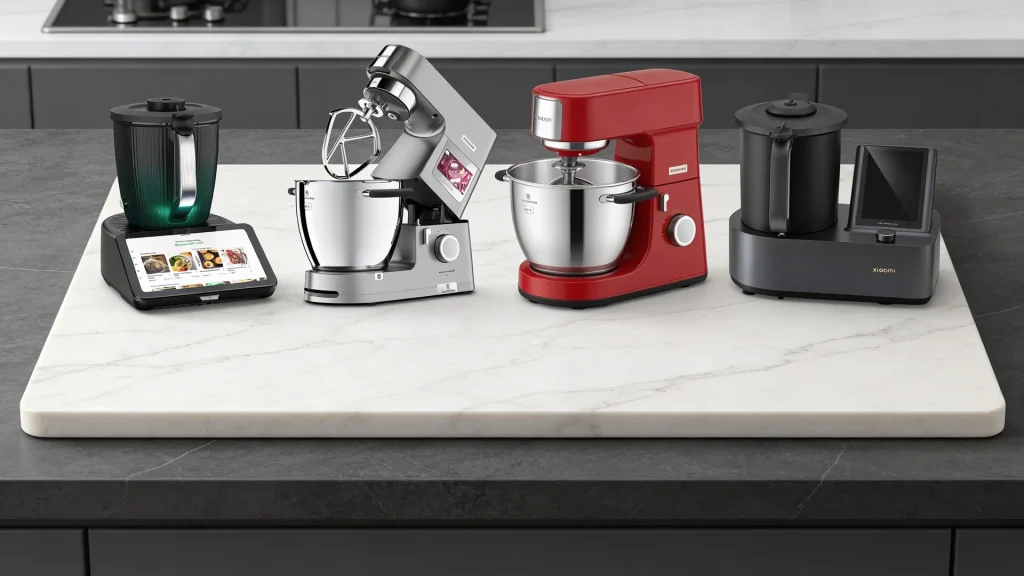
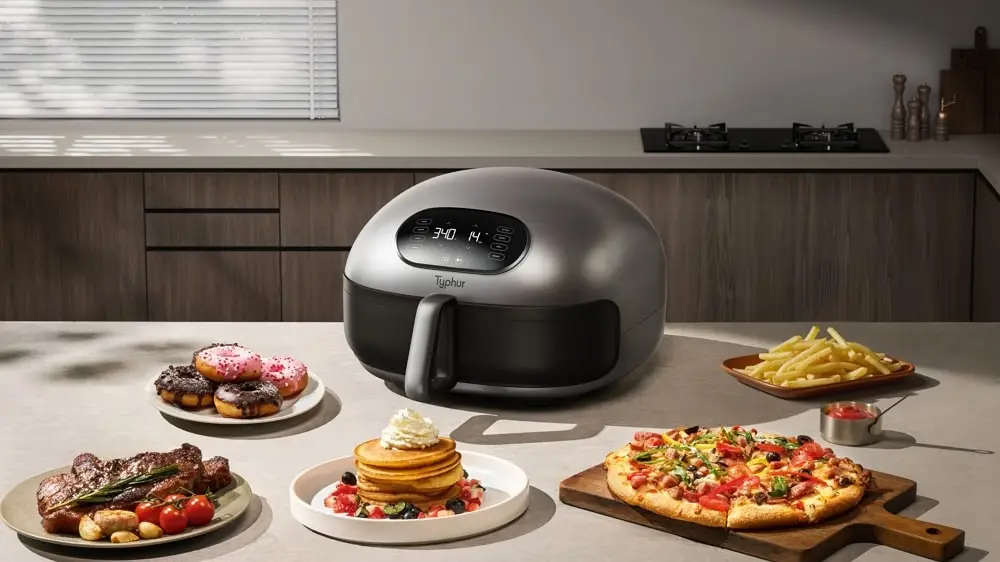
Appliances matter just as much. Older tumble dryers, fridge freezers and dishwashers often consume more power because they lack modern efficiency features. Newer machines use sensors to adjust water levels, cycle times and energy output depending on the load size. Be sure to compare appliance energy ratings carefully before replacing household equipment because long-term running costs often matter more than the purchase price itself.
Monitor and Optimize Energy Usage With Smart Living Tools
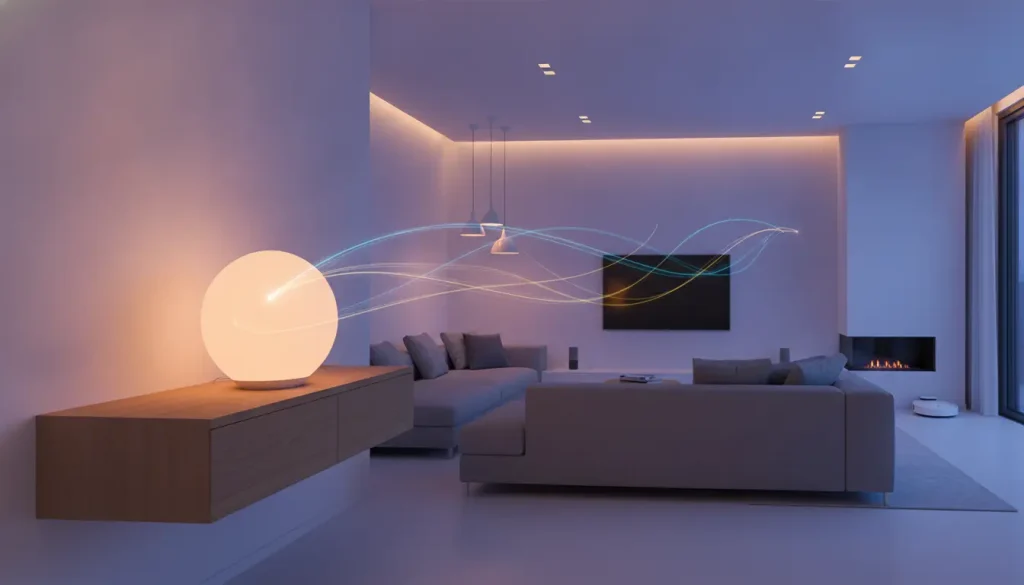
You manage energy more effectively when you understand where it goes. Smart meters and energy-monitoring apps show how much electricity and gas you use throughout the day. That information quickly reveals habits that increase costs, such as leaving devices running overnight or heating rooms for longer than necessary.
Lowering the thermostat by one degree, shortening dryer cycles or reducing standby power usage may not seem dramatic individually, but those changes add up across months of regular use. Lamps, gaming consoles and office equipment no longer stay powered for hours when nobody uses them, which cuts unnecessary consumption without changing your routine too heavily.