Buying an electric SUV in 2026 should feel straightforward. But with so many options on the market, it is easy to feel overwhelmed before you even visit a showroom.
The Ford Explorer EV changes that conversation. I have spent years tracking the EV space, and the this update is one of the most meaningful mid-cycle refreshes I have seen from Ford.
A new LFP battery, a stronger motor, smarter driver-assist technology, and a first-ever bidirectional charging feature make this year’s model a genuinely better buy than before.
This guide covers everything from battery specs and charging speeds to interior features, safety technology, and honest buying tips.
Ford Explorer EV 2026: Overview
The 2026 Ford Explorer EV is Ford’s all-electric compact SUV designed and built in Europe, produced at its Cologne plant in Germany on the Volkswagen Group MEB platform.
The Standard Range model now runs a new 58 kWh lithium-iron-phosphate (LFP) battery, delivering a range increase of more than 17 percent over the previous version and now reaching up to 276 miles WLTP.
The electric motor has also been upgraded to 188 hp, with one-pedal drive now standard across all variants.
A new Explorer Collection limited edition adds bold styling with Cactus Grey paint, 20-inch Satin Black wheels, and a striking black-and-orange interior.
Prices in Europe start just under 40,000 euros, making it broadly competitive with the Kia EV6 and VW ID.4 in the segment.
If you are still weighing up electric versus hybrid, our Explorer hybrid review is a great place to compare both sides of the lineup before deciding.
Ford Explorer EV 2026: Battery & Charging
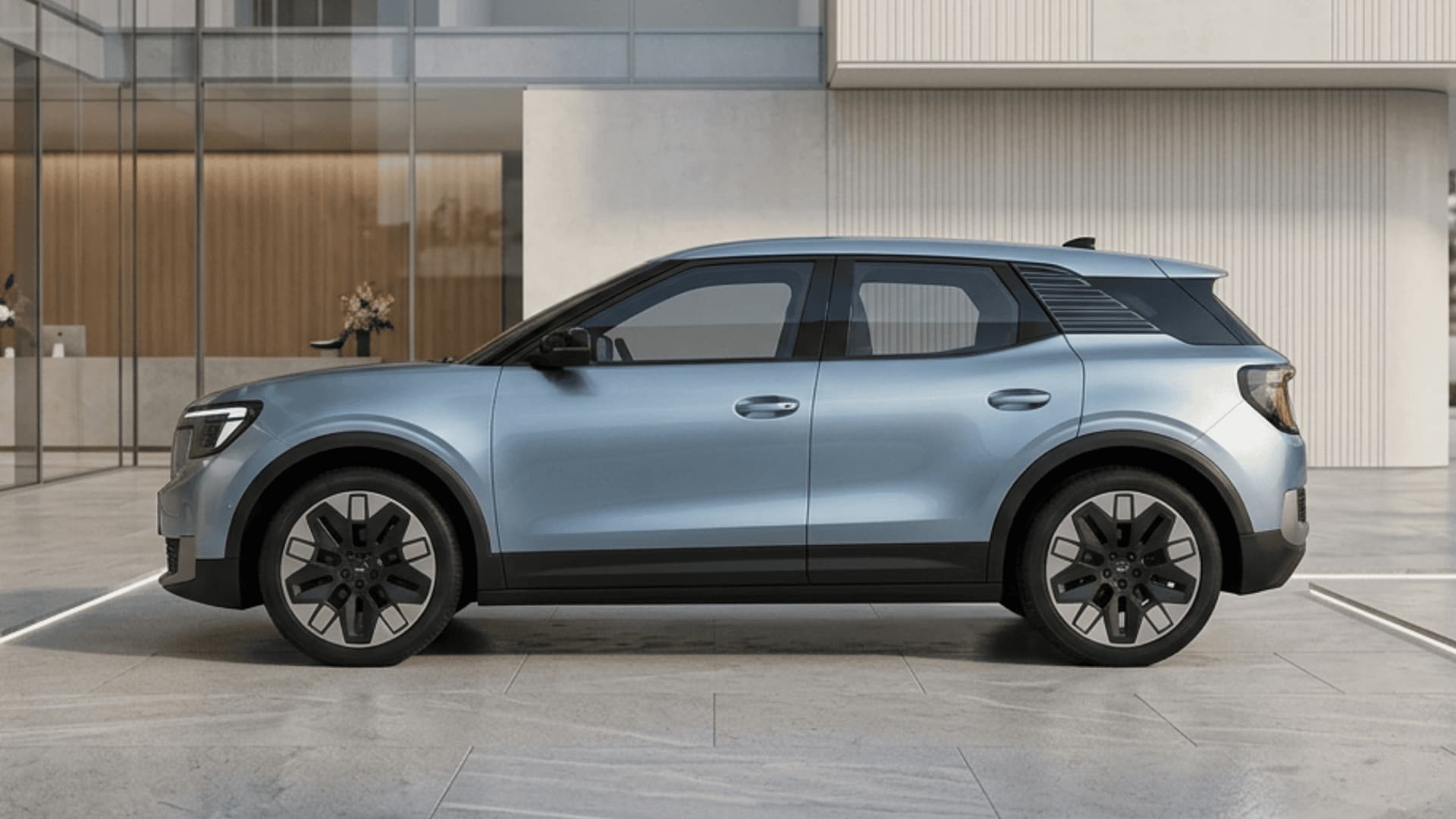
The 2026 model brings meaningful changes to its battery lineup. Understanding which variant fits your lifestyle is the smartest first step before buying.
Battery Variants and Real-World Range
Three configurations are available in 2026. The Standard Range RWD now uses a 58 kWh LFP battery producing 188 hp, covering up to 276 miles WLTP, a significant jump from the previous version.
The Extended Range RWD uses a 77 kWh NMC battery delivering 282 hp and 545 Nm of torque, with up to 374 miles WLTP.
The flagship Extended Range AWD pairs dual motors for 335 hp and covers up to 329 miles WLTP, reaching 0 to 62 mph in 5.3 seconds.
Charging Speed and Performance
All 2026 Explorer EV models support DC rapid charging from 10 to 80 percent in approximately 26 minutes.
The Standard Range RWD peaks at 145 kW, the Extended Range RWD at 135 kW, and the Extended Range AWD at 185 kW. AC charging takes around 8 hours at 7 kW or 5.5 hours at 11 kW.
A standout new addition for 2026 is bidirectional charging via Pro Power Onboard.
Allowing the Explorer to power external accessories at up to 2.3 kW directly from the trunk or through the charge port using an optional adapter.
If you are also considering a petrol-powered Explorer, our guide to the Ford Explorer ST Line is a great starting point for comparing both options.
Ford Explorer EV: Interior Design and Tech Features
The 2026 Explorer EV interior continues to impress, and this year’s software update makes it noticeably sharper to use.
The 14.6-inch SYNC Move 2 portrait touchscreen now runs on Android-based software, with refreshed graphics, improved navigation views, expanded parking displays, and the ability to group apps into folders for a cleaner layout.
Wireless Apple CarPlay and Android Auto come standard. A 5.0-inch floating digital instrument cluster and twin wireless charging pads are standard across all trims, with heated and massaging front seats.
The 17-liter MegaConsole and secure My Private Locker remain practical storage highlights.
Boot space holds steady at 450 liters standard, expanding to 1,422 liters with the rear seats folded. Premium trim buyers also get a 10-speaker B&O sound system, ambient lighting, and a hands-free electric tailgate.
Who Should Buy the Ford Explorer EV?
Not every electric SUV fits every buyer, and I always say that picking the right car starts with being honest about how you actually drive.
The 2026 Explorer EV is a strong fit for eco-conscious families who need real-world range without paying luxury-brand prices.
First-time EV adopters moving from a Ford Kuga or similar petrol SUV will find the transition genuinely smooth.
The Standard Range LFP model suits city and suburban commuters who charge daily at home, while the Extended Range RWD is the one I would recommend to anyone who regularly covers longer distances.
Outdoor-focused buyers will appreciate the new bidirectional charging, which lets the Explorer power accessories directly from the boot.
It is less suited for buyers who need seven seats, the fastest charging speeds in class, or a performance-focused driving experience.
Conclusion
After years of watching the EV market evolve, I can say the Ford Explorer EV 2026 is a genuinely strong choice for families ready to make the switch to electric.
The new LFP battery, upgraded motor, bidirectional charging, and smarter infotainment software make this year’s update worth paying attention to.
The cabin quality is a step above what you would expect at this price point, and the range figures hold up well against key rivals.
If you want a practical, well-equipped electric SUV that feels familiar without being boring, this Ford Explorer delivers a lot more than you could expect.
Are you considering making the switch this year? Tell me what matters most to you in the comments below.
Frequently Asked Questions
What Happens to an EV After 8 Years?
Most EV batteries retain around 70 to 80 percent of their original capacity. Ford covers the Explorer EV battery for 8 years or 100,000 miles.
What is the Downside of Owning an Electric Car?
Higher upfront cost, reliance on charging infrastructure, and reduced range in cold weather are the most common real-world drawbacks for EV owners.
Is the Ford Explorer Electric Any Good?
Yes, the 2026 Ford Explorer EV delivers strong range, a premium interior, rapid charging, and a 5-star Euro NCAP safety rating for family buyers.